Couples Therapy Exercises and Activities

Couples therapy exercises are practical, evidence-based tools designed to improve communication, resolve conflicts, and rebuild trust in your relationship. At Bay Area CBT Center, we offer a range of free, accessible worksheets and activities that you can do on your own or alongside professional couples therapy. These exercises help you identify patterns, express your feelings clearly, and develop positive feelings toward each other, making your connection stronger and more resilient. Start with our relationship satisfaction quiz.
Key Takeaways
Start with our free online Relationship Satisfaction Questionnaire so each of you gets a clear baseline before trying any couples therapy exercise.
Use structured communication exercises like the Timeout Contract, NVC worksheets, and the Negotiation Formula to change unhelpful communication patterns instead of repeating the same fights.
Track triggers, schemas, and values over time with tools like the Trigger Log, Values Check, and Couples Values Tracker to see what actually shifts, not just how you feel in the moment.
Combine somatic, mindfulness, and ACT-based exercises for couples to calm your body, unhook from painful thoughts, and move toward the kind of partner you want to be.
These worksheets and activities are the same tools we use in couples therapy at Bay Area CBT Center across California, and they work best when paired with guidance from a couples therapist.
How to Use These Couples Therapy Exercises (Read This First)
These are concrete exercises for couples, not theory. They're the same tools our therapists at Bay Area CBT Center hand to romantic partners between sessions. Couples therapy exercises are meant to strengthen romantic relationships and improve communication when you actually use them-regularly, honestly, and with a willingness to look at your own behavior first.
Every worksheet is free. Each one works on a phone or laptop, can be printed or saved as a PDF, and nothing you type is sent to us. No account, no tracking, no data collection.
Here's the sequence:
Take the Relationship Satisfaction Questionnaire (below) so you each have a baseline.
Pick one or two exercises that match your main pain point-conflict, emotional intimacy, trust, or ambivalence.
Repeat weekly. Weekly check-ins help couples address concerns before they escalate into the same old explosion.
Re-take the quiz every four to six weeks to measure whether things are actually changing.
These couples therapy exercises can stand alone. But changing entrenched communication patterns usually goes faster with couples counseling support, because a worksheet shows you the pattern while a therapist helps you change it.
Safety note: These tools are not for relationships with active violence, coercion, or ongoing abuse. Those situations need individual support and a safety plan, not at-home exercises. If you feel unsafe, contact a domestic violence hotline or speak with a therapist individually first.
Step 1: Take the Relationship Satisfaction Questionnaire

Before you try any therapy exercise, each partner should take our relationship satisfaction quiz separately, on your own device.
It gives you a snapshot of how satisfied you are right now across domains like communication, conflict resolution, emotional intimacy, and trust. It takes a few minutes.
What to do with your results:
Save or screenshot your scores and subscale results.
Write down today's date as your baseline.
Retake it every four to six weeks while using the exercises below.
Compare scores over time to see whether your relationship satisfaction and communication patterns are genuinely improving-or just feeling different in the moment.
At Bay Area CBT Center, we use this data in session to track progress and tailor couples therapy exercises to each couple's specific sticking points. Consistent positive interactions improve relationship satisfaction and trust, and tracking scores gives you evidence of that.
Timeout Contract: A Clear Plan for Conflict De-Escalation

This couples therapy exercise is for high conflict couples-the ones who say things they regret, or whose arguments spiral until someone slams a door or shuts down for days. The Timeout Contract gives you a plan before the fight starts.
How it works:
Rate how activated you are on a 0–100 scale. At 70 or above, either partner says the agreed word and both stop immediately. No extra comments. No "just let me finish."
Pick a non-shaming cue word in advance-"pause," "yellow light," whatever feels neutral.
Agree on how long the timeout lasts (20–60 minutes) and where each person goes.
Regulate while apart. Come back with one specific request instead of rehashing the whole story.
Example: A fight about his mother hits 75 for one partner. She says "pause." They separate for 30 minutes-he walks around the block, she does a breathing exercise. They return, and she says: "Can we decide together how many weekends we spend there?" One request. No scorekeeping.
The speaker-listener technique assigns clear communication roles during discussions, and the Timeout Contract builds on that principle: when one partner speaks, the other actually listens instead of loading their next rebuttal. This kind of structured dialogue supports healthy conflict resolution and builds trust that disagreements can stop and restart safely-rather than spiral.
Nonviolent Communication (NVC) Worksheets: Rewriting the Script

NVC helps you turn criticism into clear, compassionate communication by following four steps: observation, feeling, need, and request. The NVC worksheets guide you through this process.
Instead of this | Write this |
|---|---|
"You never listen." | "When you looked at your phone while I was talking (observation), I feel hurt (feeling), I need to feel heard (need). Would you be willing to put the phone down when we talk about our day? (request)" |
"You always ignore my feelings." | "When I shared my concerns last night (observation), I felt sad (feeling) because I need emotional support (need). Could you check in with me more often? (request)" |
"You don’t care about us." | "When you didn’t join the family dinner (observation), I felt lonely (feeling) because I need connection (need). Would you be willing to make time for family meals? (request)" |
"You never help around the house." | "When I see dishes piling up (observation), I feel overwhelmed (feeling) because I need shared responsibility (need). Can we set a schedule for chores? (request)" |
Using "I feel" statements reduces defensiveness because you describe your own emotions instead of blaming your partner. Saying "I feel hurt" invites understanding and opens the door for connection. This 'I feel' statement technique decreases blame and can change how your partner responds.
The worksheet includes lists of feelings, core needs, and relationship values—helpful for partners who say "I don't know what I feel." Active listening exercises improve emotional validation and reduce misunderstandings during conflicts. When one partner shares their NVC statement, the other practices listening without interrupting.
Mirroring exercises help partners confirm understanding before responding. After your partner reads their NVC statement, repeat back what you heard before reacting.
How to practice: Each partner picks one recurring conflict and writes it out in NVC form before talking. Then take turns reading your statements out loud, keeping a calm tone and eye contact. Writing first and speaking second slows the conversation and helps you feel connected after difficult talks.
At Bay Area CBT Center, we also offer a nonviolent communication group and nonviolent communication therapy where couples practice these skills live with feedback.
Couples Values Tracker: "Should I Stay or Should I Go?"
This structured values exercise is for people feeling ambivalent-on the fence, stuck in "I don't know if this relationship can change." The Couples Values Tracker separates two questions that usually blur together: "Is this relationship broken?" and "Am I actually showing up the way I say I want to?"
Step by step instructions:
List your relationship values (honest, kind, reliable, affectionate).
Rate each value's importance 0–10 using decimals, so you can't make everything a 10.
Rate your own behavior 0–100% daily or weekly-before you rate your partner.
Get your own values-consistent behavior into the 70–90% range first.
What the numbers tell you over a month: If one partner consistently climbs into the 70s–90s and the other stays in the 40s–50s with no willingness to work, that's clear, concrete information. Trust erodes gradually through missed commitments and poor conflict repair-the tracker makes that visible without turning it into a blame game. Often, though, a willing partner moves with you.
This worksheet also supports structured discussions during discernment counseling or premarital counseling at Bay Area CBT Center.
The Negotiation Formula: Moving From "My Way" to "Our Way"

This communication exercise is for any recurring decision fight-money, chores, sex, parenting, holidays. The Negotiation Formula gives you a structure so the conversation doesn't devolve into who cares more.
The structure:
Each partner privately writes their ideal outcome.
Each partner writes their absolute "intolerable" line.
You brainstorm middle options together with one rule: nobody can say no during brainstorming.
Example: One partner wants to visit family every month. The other wants twice a year. Ideal and intolerable go on paper first, then options emerge: alternating holidays, shorter visits, solo trips, inviting family to you.
Putting ideal and intolerable on paper first lowers defensiveness and makes compromise feel less like "losing," especially when both people approach the discussion with mutual respect. Creating a vision board that aligns couples on shared dreams works on a similar principle-you externalize what each person wants and find the overlap. You can gather magazines or images online to make the activity concrete and collaborative. This kind of structured negotiation is core to how our therapists teach conflict resolution and problem solving skills in evidence-based couples therapy.
Trigger Log: Mapping Your Conflict Loops

The Trigger Log is a CBT and schema-informed couples therapy exercise for tracking repeated emotional reactions over time. Conflict mapping helps couples recognize and address recurring arguments, and this worksheet is how you do that mapping concretely.
The chain the worksheet covers:
Trigger (observable behavior, not interpretation)
Thoughts
Feelings
Body sensations
Urges
Underlying schema
Behavior
Outcome
Example: Your partner replies "ok" to a long text. Your thought: "She's pulling away." Feeling: scared, then angry. Sensation: tight chest, clenched jaw. Urge: send five more texts. Schema: abandonment. Behavior: protest texting. Outcome: bigger emotional distance.
After two weeks of entries, the same two or three loops show up over and over. That's the point. You can't change a pattern you haven't identified. Identify patterns first, then choose different responses.
Pair the Trigger Log with somatic tools like the Window of Tolerance so you can respond differently at the body level when the same trigger fires.
Values Check: Are You Acting Like the Partner You Want to Be?
This exercise keeps the focus on your own behavior instead of scorekeeping. The Values Check asks one question: "Did my reaction in this situation move me toward or away from the kind of partner I want to be?"
Example: After a fight, you go silent for two days. On the worksheet you compare that to your stated values-honest, affectionate, respectful. Was two days of silence consistent with those? If not, write what you'd do next time: ask for 30 minutes to cool down, then come back and say how you feel.
Micro-commitments are small, observable promises that rebuild trust. The Values Check helps you make those commitments specific and written. Pick one incident per week-big or small-and each of you fills out your own feelings on paper. Then share one takeaway without defending or arguing about details. This is an acceptance and commitment therapy exercise. Reinforcing accountability is most useful when you also do this work in couples sessions.
Schema Coping Styles and Childhood Needs: Why You React the Way You Do
Schemas are long-standing "stories" we carry about ourselves and others-"I'll be abandoned," "People will control me," "I'm not enough." They drive intense reactions that look like personality but are actually patterns. The Schema Coping Styles worksheet helps each partner see whether they tend to surrender (give in), avoid (numb out, shut down), or overcompensate (get controlling or critical) when a schema fires.
Example couple: One partner overcompensates by getting louder and more demanding when scared. The other avoids by zoning out or walking away. Both start seeing these as patterned coping, not personality defects. Role reversal exercises enhance empathy and understanding in conflicts-when you see your partner's coping style named on a worksheet, it becomes easier to understand their perspective instead of just reacting to the surface behavior. A role reversal exercise where romantic partners switch roles and describe the fight from the other side can deepen this understanding further.
The Where Schemas Come From worksheet walks you through unmet childhood needs-for safety, affection, autonomy-and how they show up in present-day couples counseling work. Bay Area CBT Center is known for schema therapy, and these exercises come directly from that evidence-based approach to changing deep relational patterns.
ACT Exercises for Couples: Choice Point, Bull's Eye, and Defusion
These ACT-based exercises for couples help you notice thoughts and feelings without letting them run the relationship.
The Choice Point: In a hard moment, you map "toward moves" (asking for a hug, naming your need, staying present) and "away moves" (slamming doors, scrolling, sarcasm). Then you choose one toward move on purpose. Your partner connects with the version of you that chose to stay rather than leave the room.
The Bull's Eye: Rate how aligned your daily life actions are with your relationship values. See the gap between "how much this relationship matters to me" and "how I actually show up." That gap is where the work is.
Defusion Practice: Learning to see thoughts like "he doesn't care about me" as mental events, not facts. Brief scripts or imagery help you unhook so you can choose how to respond instead of reacting from a thought that may or may not be true.
Dropping the Struggle: Reflect on what constant avoidance of hard conversations has cost you. Then experiment with one small, values-consistent action instead of controlling every feeling. This is where emotional expression becomes possible-when you stop fighting the discomfort and do the thing that matters anyway.
Somatic Couples Exercises: Calming the Body During Conflict

Many couples have good insight but still escalate because their nervous systems are outside the window of tolerance. You understand the pattern intellectually, but your body fires first.
Your Window of Tolerance: Each partner identifies early warning signs-jaw clenching, talking faster, numbness, shallow breathing-and shares them with the other before fights get out of control. Couples can practice guided breathing for emotional balance as one of these early interventions.
Grounding and Orienting Menu: Choose two or three quick grounding tools together-naming five things you see, feeling your feet on the floor, looking around the room slowly. Make it a shared pre-agreed plan so either person can say "let's ground" without it feeling like a lecture.
Body Sensation Tracker: Link specific relationship triggers to particular body sensations. Racing heart when your partner raises their voice. Stomach drop when they go quiet. These sensations become cues to use emotional regulation skills instead of lashing out or shutting down.
Resourcing and Pendulation: Practice moving attention between comfort and discomfort in the body. This builds tolerance for emotional closeness and emotional intimacy without getting overwhelmed. Trust falls require partners to rely on each other physically and emotionally-resourcing builds the internal stability that makes that kind of reliance possible.
Self-Care and Mindfulness Activities for Couples

After or between conflicts, self-care is not just bubble baths. It's targeted regulation based on whether you're wired up or shut down. Our self-care activities page sorts everything by what you need right now.
The organizing rule: First decide if you have too much energy (anxious, agitated) or too little (numb, flat). Those states need opposite kinds of self-care. After the same argument, one partner might need to walk around the block while the other needs to get up and talk to someone-not both sitting in silence with a candle. Calming the shut-down partner further makes it worse. Partners slow down and notice what their body actually needs before choosing a tool.
Mindfulness practices: Urge surfing for riding out the impulse to send the angry text. The three-minute breathing space. Five-senses grounding done out loud so your partner listens and feels included. Mindful walking. Binaural beats. Immersive EMDR-informed experiences.
Guided meditations: Loving-kindness, including a difficult-person version-useful when your partner is the difficult person right now. Self-compassion. Body scans. Short resets. Extended eye contact during a brief soul gazing practice can deepen emotional connection between partners when done after grounding.
How to find what works: Rate any practice 0–10 before and after. Keep the two that reliably work for each of you. Practicing gratitude increases emotional connection in relationships-daily gratitude journals foster appreciation, and even a few lines during morning coffee about what you value in your partner can strengthen your bond over time. Nostalgia can invoke deep feelings and strengthen emotional bonds, so sharing a specific memory of when you felt connected is another simple activity.
Stress-reducing conversations allow couples to share external stressors-work pressure, family stuff, health worries-so that tension doesn't get aimed at each other. Love Maps, a concept from the Gottman Method, encourage partners to ask open-ended questions about each other's inner world. The Gottman Method emphasizes building a foundation of friendship in relationships, and these small daily rituals are how friendship stays alive. Expressing gratitude and taking time to express appreciation for specific positive behaviors keeps the relationship moving in the right direction.
Immersive Therapy Exercises for Relationship Ambivalence and Mistrust
NeuroImmerse is a partner platform offering immersive therapy experiences that several Bay Area CBT Center clinicians integrate into treatment plans when appropriate.
Relationship Ambivalence: For people stuck in push-pull patterns of "I want you close / I want you gone." It helps you slow down, name both sides, and explore what keeps you stuck-without forcing a decision before you're ready. If you feel emotionally disconnected one day and intensely attached the next, this is worth trying.
Mistrust: For partners struggling to let in care or trust others after betrayals or early relational wounds. It guides you through noticing protective strategies and testing safer ways of relating.
These are optional add-ons to traditional couples counseling and can be done individually by each partner between sessions. Bring insights back to therapy to translate them into day-to-day behavior change.
Quizzes That Name Your Relationship Pattern
Sometimes the fastest way to change is to accurately name the pattern underneath. Bay Area CBT Center offers several free quizzes you can take privately online:
Partners can take these separately, then share only what they feel comfortable sharing. Results become a starting point for deeper understanding, not ammunition. Emotionally focused therapy helps couples identify and express vulnerable emotions, and naming the schema underneath a conflict is often the first step toward that vulnerability.
Our therapists pair these quizzes with schema therapy, dialectical behavior therapy skills, and acceptance and commitment therapy to target the specific pattern-whether that's abandonment, mistrust, or conflict-avoidance. Therapists use evidence-based techniques to help couples rebuild emotional safety after patterns have been named and understood.
All mental health tests and all mental health exercises are organized on two hub pages, making it easy to find the next couples therapy exercise once you've tried the core ones in this article.
Bringing These Exercises Into Couples Therapy Sessions
These couples therapy exercises are designed to work both on your own and as structured homework between therapy sessions at Bay Area CBT Center.
Here's how it typically works: a therapist might assign the Trigger Log one week, the Timeout Contract the next, and a Values Check the following week-adjusting based on what actually happens between visits. When a partner shares a completed worksheet in session, the therapist reviews it together with both people, looking for patterns like repeating communication breakdowns or conflict triggers.
Then you role-play new ways of responding. The worksheet provides the couples therapy documentation of what happened; the session is where you practice doing it differently.
Exercises keep therapy concrete. Instead of rehashing who said what, you're both looking at the same written pattern and deciding where to intervene in a productive manner. For high conflict couples or those with complex trauma, therapists pace exercises more slowly-layering in regulation skills, schema awareness, and sometimes dialectical behavior therapy tools before asking for more vulnerability. That pacing is something a worksheet alone can't provide, which is why professional guidance matters.
Bay Area CBT Center Services for Couples Across California
Bay Area CBT Center is an evidence-based therapy practice offering in-person and online couples counseling. We integrate CBT, schema therapy, DBT, mindfulness-based approaches, and acceptance and commitment therapy for relational issues. We match couples with clinicians experienced in their specific concerns.
Locations:
Couples therapy in Oakland (Berkeley couples are served through our Oakland office and online therapy)
Specialized services:
Sex therapy for intimacy and desire concerns
Discernment counseling for mixed-agenda couples
Premarital counseling for engaged partners
Couples retreat for intensive weekend work
Couples workshop for building intimacy and improving communication with schema awareness
Relationship coaching for a more structured, goal-oriented format
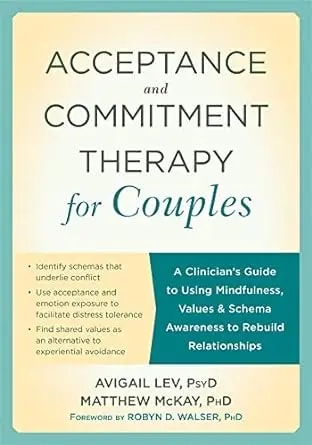
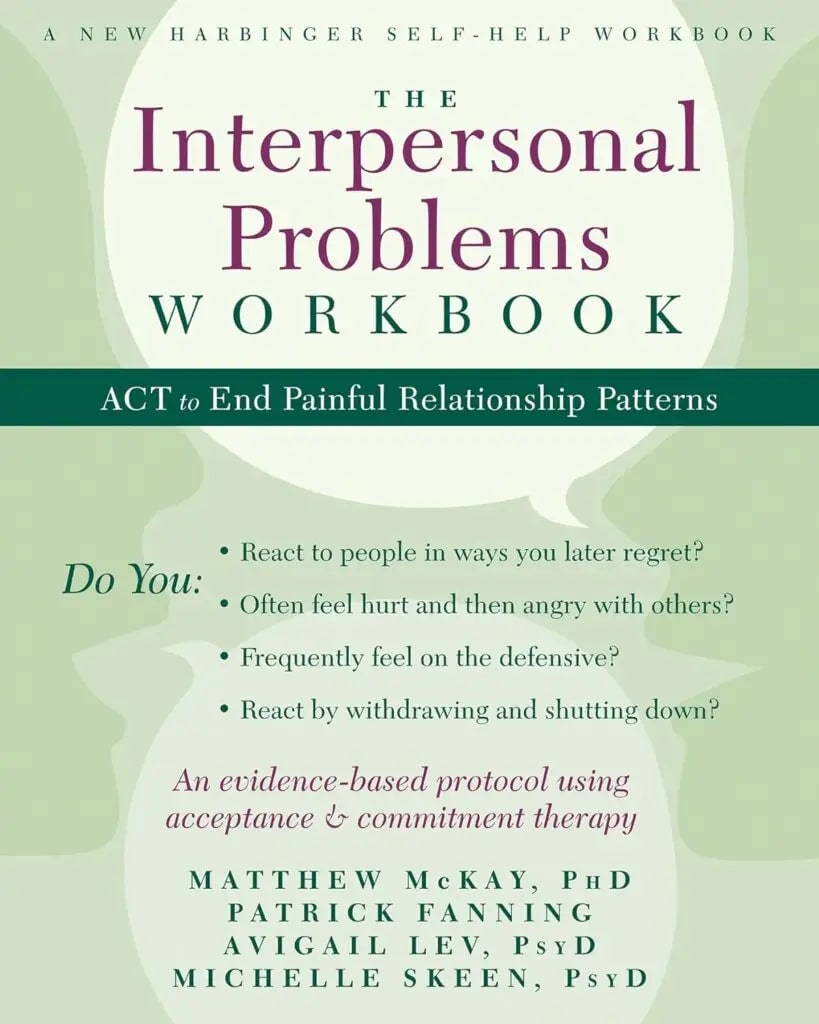
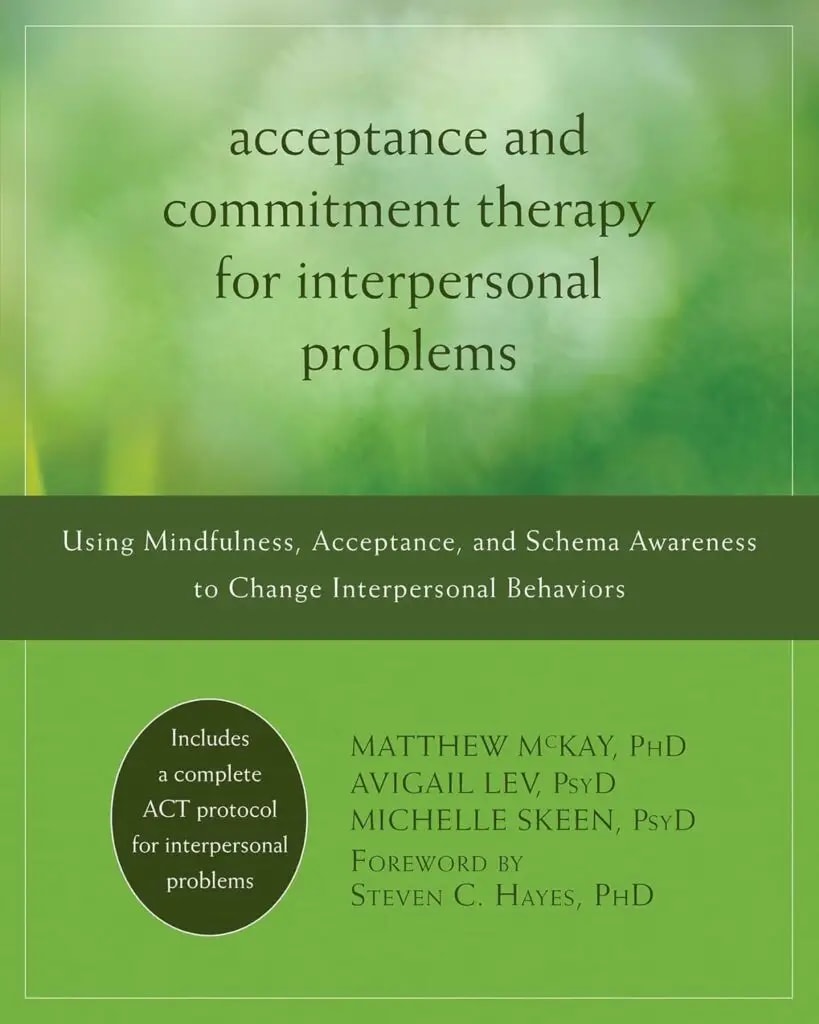
Our founder, Dr. Avigail Lev, co-authored the books our couples method is built on, published by New Harbinger: ACT for Couples, ACT for Interpersonal Problems, and The Interpersonal Problems Workbook. You can find all of them on our books page.
When At-Home Couples Therapy Exercises Aren't Enough
If you're using these exercises and still feel stuck in the same painful communication patterns, it may be time to work with a couples therapist directly.
Red flags where professional guidance is strongly recommended:
Frequent explosive fights that leave both people drained
Ongoing affairs or breaches of trust
Emotional or financial control by one partner
Severe withdrawal or shutdown that lasts days
Feeling scared of your partner's reactions
Unresolved conflicts that keep resurfacing despite your best efforts
A therapist adds what worksheets can't: real-time coaching, de-escalation, accountability, and a neutral third party who can track both partners' perspectives and feelings at the same time. Open communication becomes possible when someone skilled is holding the space.
If you're in California and travel or schedules are barriers, consider online couples therapy in California. We match couples with clinicians experienced in their specific concerns-trauma, chronic conflict, limerence, trust repair, family therapy dynamics, or anything else that's keeping you stuck.
Asking for help is often the turning point where exercises start to land differently, because you're not trying to hold the whole process alone. Start with one exercise this week. Track what shifts. And if you need more, we're here.
Frequently Asked Questions About Couples Therapy Exercises
Start with one or two exercises per week-one structured communication practice (like the NVC worksheet or Timeout Contract) and one reflective tool (like the Values Check or Trigger Log). Schedule them at predictable times, such as a Sunday evening check-in, and keep each session to 20–40 minutes so they stay sustainable. Retake the relationship satisfaction quiz every four to six weeks to see if consistent practice is actually improving emotional intimacy and conflict resolution. Weekly check-ins help couples address concerns and strengthen connection before small issues become entrenched fights.
Yes. All of these worksheets and activities are designed to stand alone and can be used by any couple with internet access and a willingness to try something different. Start with lower-intensity exercises-gratitude, the Values Check, or NVC for small topics-before tackling your most explosive conflicts. If exercises repeatedly trigger big escalations or shutdowns, that's a sign to slow down and consider beginning couples counseling for added support.
Pair the Trigger Log with the Negotiation Formula. First, map the loop with the Trigger Log for two weeks-you'll see the same triggers, schemas, and behaviors repeating. Then use the Negotiation Formula to tackle that one recurring issue on paper with shared goals. Also set up a Timeout Contract so that if the discussion gets too heated, you both know how to pause and return safely. This combination addresses both awareness and behavior, which is how you deepen connections instead of just managing the surface argument. When partners feel heard and the process is structured, the same fight often loses its charge.
Many couples we see have trauma histories, and tools like the Window of Tolerance, grounding exercises, and schema worksheets were designed with that in mind. Maintain eye contact only when it feels safe, and avoid intense deep-trigger topics without professional support. Prioritize somatic regulation and safety considerations first. If you feel persistently overwhelmed, dissociated, or unsafe, seek individual therapy alongside couples counseling so both partners have adequate support. A deeper connection is possible after trauma, but it requires pacing-and that pacing is what a trained therapist provides.
It helps when both partners are engaged, but change can begin with one partner. The Couples Values Tracker and Values Check are especially useful when one partner is more motivated-they keep the focus on your own behavior rather than waiting for someone else to change. The more skeptical partner can start with brief, concrete activities like the Timeout Contract or a single NVC script rather than a stack of worksheets. In our experience at Bay Area CBT Center, one partner's consistent changes in communication and repair often shift the overall pattern enough that the other person becomes more willing to participate. That shift is how a thriving relationship often begins-not with both people changing at once, but with one person showing up differently in a meaningful way and the other noticing.