A Couples Program for Building Intimacy with Schema Awareness
A simple, practical way for couples to stop the same fight and get close again.
There's a lot of confusing, gimmicky relationship advice out there. Ours is different: we break the problem down to the core, limiting beliefs (schemas), and show you how those beliefs drive the behaviors that keep you stuck. Built on our book Acceptance & Commitment Therapy for Couples, this method is clear, workable, and designed for real couples. In person in San Francisco and online across California.
- Based on Our Couples Book
- Hundreds of Couples Helped
- 6-Week Groups + Workshops
- 3-Day & Week-Long Retreats

- ACT for Couples
- SF & Online




Built on Acceptance & Commitment Therapy for Couples
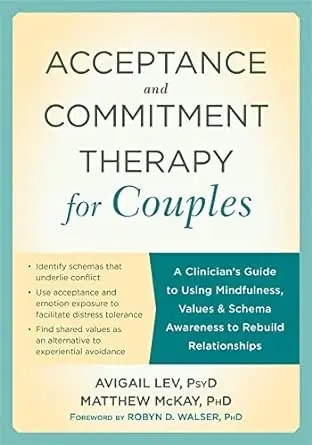
Our founder, Dr. Avigail Lev, co-authored this book with Dr. Matthew McKay. It's not borrowed theory. It's the method we teach, practice, and refine with couples every day. Clear. Practical. Designed so you can keep using it at home.
Acceptance & Commitment Therapy for Couples
By Dr. Avigail Lev & Dr. Matthew McKay
Spot the limiting beliefs that hijack your relationship, stop the behaviors that make things worse, and take values-based action that rebuilds trust, desire, and emotional safety, together.
- Schema-informed ACT for real couple dynamics
- Tools for conflict, intimacy, and distance
- The same framework used in our live couples programs
You Love Each Other, And You're Still Stuck in the Same Cycle
The fight starts small. One of you pursues, the other pulls away. Tips help for a day. Then the old pattern wins again. That's not a lack of love. It's a schema cycle running on autopilot.
- Same Fight on Repeat
- Pursue–Withdraw
- Emotional Distance
- Feeling Abandoned
- Feeling Smothered
- Trust Wounds
- Hard Conversations
- Criticism & Defenses
- Resentment Buildup
- Desire Disconnect
- Walking on Eggshells
- Wanting More Intimacy
Limiting Beliefs Drive the Cycle, and Changing It Changes the Relationship
A lot of couples advice piles on techniques without explaining the engine underneath. Our approach is parsimonious: we go to the core, limiting beliefs (schemas), and show how they create the pattern you keep living.
Schema gets triggered
A core belief about love, safety, or worth lights up.
Automatic reactions
Thoughts, feelings, body sensations, and urges fire fast.
Schema-avoidant behaviors
Cling, pursue, accuse, demand, shut down, withdraw: coping moves.
Self-fulfilling prophecy
Those moves often create the very outcome you feared.
Example
If you have an abandonment schema and you start seeking excessive reassurance, accusing, demanding, or pursuing, your partner may pull away. That distance then "proves" the fear that you're abandonable. The belief gets confirmed. The cycle tightens. We teach you how to interrupt it.
Then we give you a complete, practical toolkit:
Cognitive Tools
Work with the schema-driven thoughts that hijack the moment, so you can think clearly when you're triggered.
Somatic & Emotional
Stay with difficult feelings and sensations instead of acting them out, using somatic and emotionally focused interventions.
Communication Skills
Negotiation, Nonviolent Communication (NVC), and timeout agreements you can actually use at home.
One Clear Method
The most workable evidence-based pieces, integrated into one approach couples can learn and keep using on their own.

Take the Relationship Schemas Quiz
Before you join a group, get clear on the beliefs driving your pattern. Our Relationship Schemas Quiz is evidence-based and remarkably accurate, because it measures what you believe about yourself in relationships, not a vague personality label.
We've seen tens of thousands of these responses. Certain schemas connect with attachment styles or personality patterns, but the accuracy comes from focusing on core beliefs. That's what makes the results feel so precise.
Skills You Can Use the Same Week
- Name the limiting belief underneath the fight
- Catch the trigger → urge → behavior sequence
- Stop schema-avoidant moves that push your partner away
- Use cognitive tools for schema-driven thoughts
- Stay with hard feelings without escalating
- Negotiate needs without blame
- Use NVC when conversations heat up
- Set timeout agreements that actually work
- Interrupt pursue–withdraw in real time
- Rebuild emotional and physical intimacy
- Practice with other couples for feedback
- Take home tools from ACT for Couples
Groups, Workshops & Intensive Retreats
Same method. Different containers: pick what fits your life and how deep you want to go.
6-Week Couples Groups
In-person couples groups in San Francisco: weekly practice, skills, and feedback with other couples.
2-Hour Couples Workshops
Focused workshops (in person in San Francisco or online across California) for a clear, concentrated skill reset.

Couples Retreats
Intensive 3-day and week-long retreats for couples ready for deeper, accelerated change.
Ready for Tools You Can Actually Use?
- You're done with confusing relationship advice that doesn't stick
- Both partners are willing to look at beliefs and change behaviors
- You want a clear method, not a pile of disconnected tips
- You're stuck in conflict, distance, or pursue–withdraw
- You want deeper intimacy and practical communication skills
- You're open to a group, workshop, or intensive retreat
Workable Tools Without the Usual Noise
Typical Couples Advice
- Confusing, trend-driven tips
- Scripts that fail under stress
- No clear model of the cycle
- Little practice with real triggers
- Hard to use on your own later
Our Couples Method
- Core focus: limiting beliefs + behaviors
- Published ACT for Couples foundation
- Cognitive, somatic, emotional + NVC skills
- Groups, workshops, and retreats
- Tools couples can keep using at home
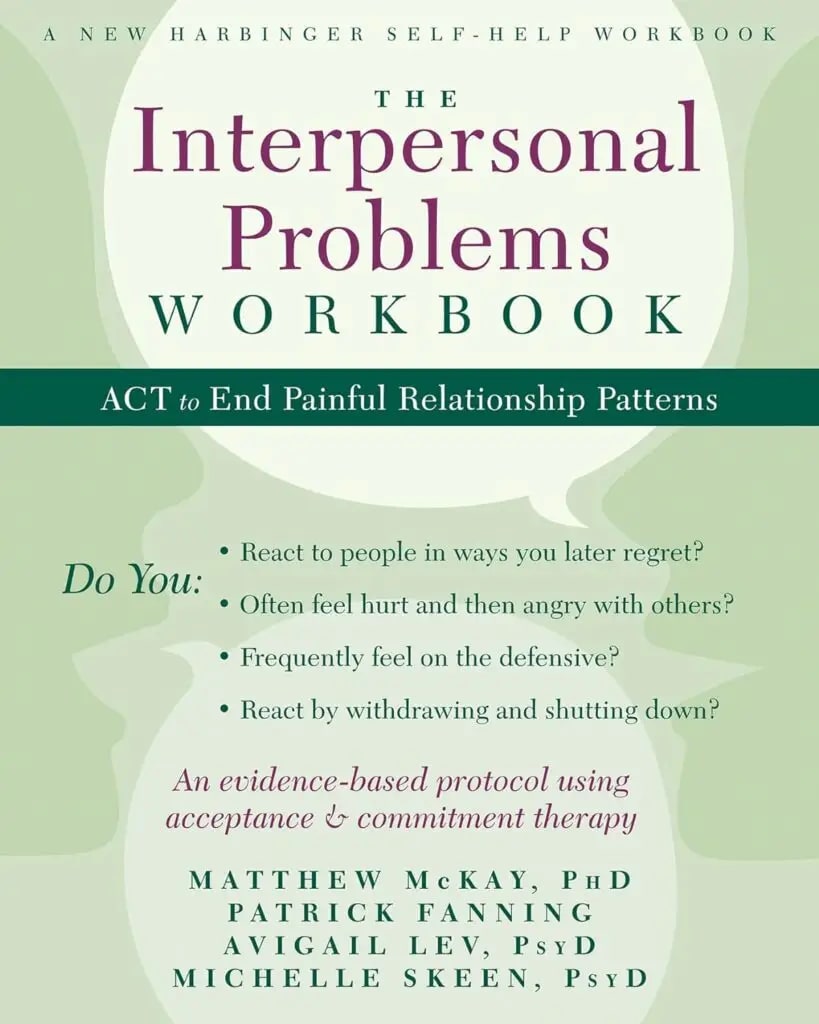
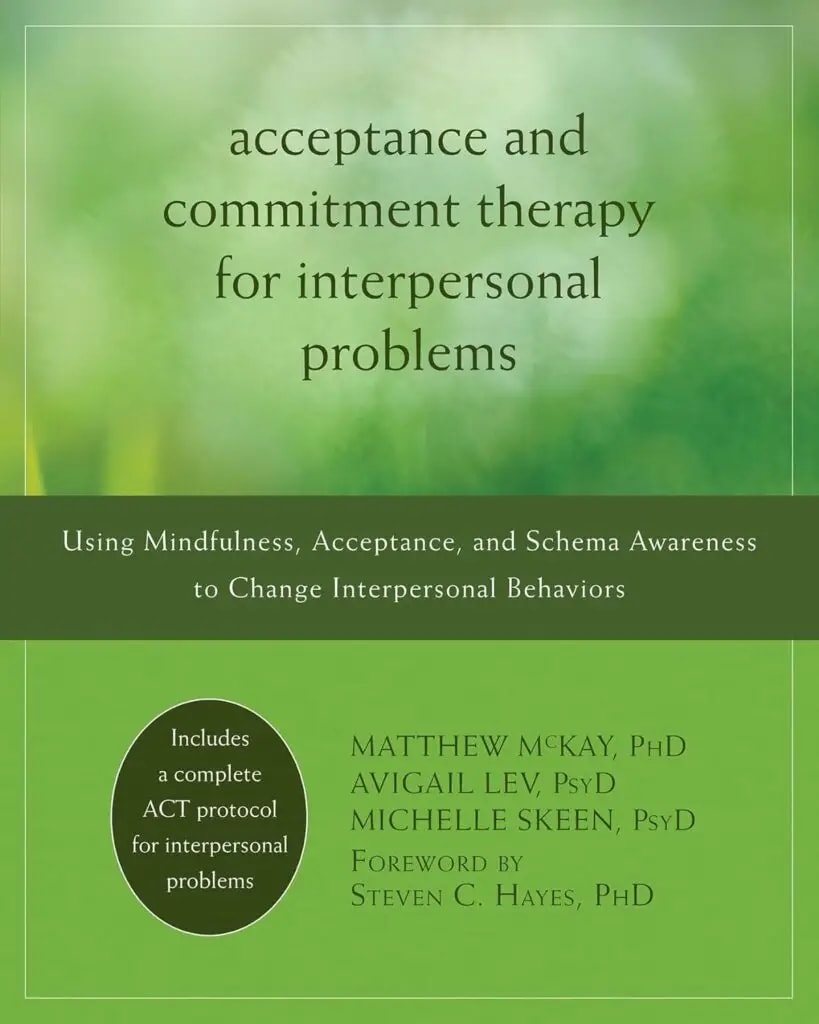
More From Our Clinicians on Relationships
Frequently Asked Questions
What makes your couples approach different?
We cut through confusing relationship advice and focus on what actually drives the cycle: limiting beliefs (schemas). When a schema gets triggered, it sparks automatic thoughts, feelings, sensations, and urges, which lead to schema-avoidant behaviors that often create a self-fulfilling prophecy. Then we teach practical tools: cognitive, somatic, emotionally focused, negotiation, NVC, and timeout agreements, in one clear method couples can use on their own.
Is this based on your couples therapy book?
Yes. The work is grounded in Acceptance & Commitment Therapy for Couples by Dr. Avigail Lev and Dr. Matthew McKay, the published method behind our schema-informed ACT approach for couples.
What formats do you offer?
We offer in-person 6-week couples groups, 2-hour couples workshops (in person in San Francisco and online), and intensive couples retreats, including 3-day and week-long options.
How accurate is the Relationship Schemas Quiz?
Very accurate for what it measures. We've seen tens of thousands of responses. It focuses on what you believe about yourself in relationships (your core beliefs) rather than trying to label your whole personality. That focus on beliefs is why it tends to feel so precise, even though certain schemas can relate to attachment styles or personality patterns.
Do both partners need to attend?
Yes for groups, workshops, and retreats: both partners participate so you can practice new skills together and change the cycle as a team.
Have you helped many couples with this method?
Yes. We've worked with hundreds of couples using this approach, and the method is grounded in published work and research-informed practice, designed to be simple enough to learn and use in real life.
Ready to Break the Cycle, Together?
Join a 6-week couples group, a 2-hour workshop, or an intensive retreat. Start with the schema quiz, then book a screening call.