Free abandonment self-screening quiz

Abandonment Issues Quiz: Free Online Self-Screening

A free abandonment self-assessment and self-report online screening — not a clinical diagnosis or formal psychological evaluation

  • Self-paced
  • 5–10 minutes
  • Abandonment self-screening
  • Free abandonment quiz

Do you fear being left behind?

↓ Take the Abandonment Issues Quiz Now

Curious whether fear of being left, constant checking, or push-pull relationship patterns could be connected to abandonment issues? This free abandonment issues quiz is an abandonment self-assessment / self-report online screening you can take from home. It helps you reflect on reassurance-seeking, instability fears, and related attachment patterns — then points you toward helpful next steps.

Free abandonment issues quiz and abandonment self-screening on a phone for fear of being left

IMPORTANT NOTE:

This free abandonment issues quiz is for informational purposes only and is not intended to function as a psychological or psychiatric assessment. These results are not designed to replace a clinical diagnosis. Understanding attachment patterns, schemas, or relational trauma requires evaluation by a trained professional. Online abandonment quizzes like this are meant for self-reflection and are not diagnostic tools.

This page is an abandonment quiz / abandonment self-screening. It is a free abandonment self-assessment and self-report online screening — different from clinical testing and assessment (professional evaluation).

Online Abandonment Screening

An online abandonment screening can help you notice whether fear of being left, panic when someone pulls away, or repeating unstable relationship cycles may point toward abandonment issues or an abandonment/instability schema. This abandonment issues quiz and self-report questionnaire are designed to help you identify patterns that often show up when closeness feels unsafe — giving you clearer language for what you are experiencing and guiding you toward appropriate next steps.

Many people function outwardly while privately bracing for rejection. Accessible screening is a useful first step when reassurance-seeking, testing, clinging, or disappearing has started to strain the relationships you care about most.

What is this Abandonment Issues Quiz?

This abandonment issues quiz is a self-guided screening tool that asks about common emotional and behavioral responses tied to fear of abandonment — including how you interpret distance, conflict, silence, and uncertainty in close relationships. Rather than diagnosing you, it helps you reflect on how often these patterns show up and how much they cost you.

Clinically, abandonment concerns often connect to attachment styles and early maladaptive schemas. The abandonment/instability schema is a core belief that important people will leave, withdraw, or become unreliable — frequently rooted in early experiences of inconsistency, loss, neglect, or relational trauma. That belief can trigger automatic thoughts, body sensations, and protective behaviors that ironically increase relationship instability.

It is essential to understand that no single online abandonment quiz can diagnose a mental health condition or replace therapy. A thorough evaluation by a licensed clinician typically includes a clinical interview, developmental and relationship history, and attention to how patterns affect intimacy, trust, and daily functioning.

This abandonment self-assessment still serves several useful purposes. It can help you notice symptom clusters, prepare questions for a provider, and consider whether schema-informed, attachment-focused, or CBT-based support would help you feel steadier without constant checking.

Abandonment self-assessment reflection for an online abandonment issues quiz and self-screening

Types of Abandonment Screenings Available

Understanding the range of tools available can help you choose a useful starting point. This free abandonment issues quiz focuses on accessible online self-screening. Alongside it, clinicians may use attachment inventories, schema questionnaires, trauma histories, and deeper evaluations that take longer.

Online Abandonment Self-Screening

Online abandonment quizzes and self-report screenings are designed for convenience and early awareness. Many take only a few minutes and ask how you respond when a partner is slow to reply, needs space, or seems emotionally distant. Themes often include reassurance-seeking, protest behaviors, difficulty trusting that care will last, and urges to leave first.

Completing an abandonment self-assessment privately can make it easier to describe your experience later in therapy. A high score does not equal a diagnosis, and a lower score does not mean your pain is unimportant if relationships still feel exhausting or unsafe.

Professional Evaluation

Professional evaluation is the definitive route when patterns feel intense, trauma-linked, or stuck. Psychologists, therapists, and other licensed clinicians can assess abandonment fears alongside anxiety, depression, trauma, personality-related patterns, and relationship dynamics.

A clinical conversation usually covers early caregiving experiences, major losses, current relationship cycles, body-level panic cues, and the strategies you use to prevent being left. Schema therapy, attachment-based approaches, CBT, ACT, and related modalities can help rewrite the belief that closeness never lasts.

Who Can Take an Abandonment Issues Quiz?

Adults noticing persistent fear of being left, chronic reassurance-seeking, or repeating unstable relationship endings may benefit from a structured check-in. Screening is also useful if you already understand your history — but still feel flooded when someone needs space.

You may want to take this abandonment quiz if delayed texts feel like rejection, if you test people’s commitment, if you cling then push away, if alone time feels unbearable, or if you leave relationships first to avoid getting hurt. Partners and family members of people with strong abandonment fears may also benefit from learning the pattern language — for their own wellbeing and to support repair.

Teens and young adults can experience similar fears, but younger clients often need age-appropriate clinical support rather than adult self-report tools alone.

How Abandonment Screening Works

This abandonment issues quiz is designed to highlight whether your recent relationship experiences resemble common abandonment-fear patterns. It is one form of self-screening within a broader ecosystem of questionnaires and professional assessments.

Schema and Attachment Frameworks

Clinicians often understand abandonment through attachment theory and schema therapy. An abandonment/instability schema operates on the belief that important relationships are fragile — that people will leave, die, withdraw, or prefer someone else. When triggered, the nervous system may shift into protest, clinging, anger, collapse, or preemptive withdrawal.

Those protective moves can become a self-fulfilling prophecy: the very strategies meant to prevent abandonment sometimes create more distance, confirming the old belief. Screening helps you spot the loop before it runs the relationship.

Common Abandonment Screening Themes

Questions may ask how often you feel panicked when someone is unavailable, whether you need frequent reassurance, how you respond to perceived rejection, and whether you sabotage closeness when it starts to feel real. Other items explore jealousy, overanalyzing, difficulty being alone, and expecting relationships to end suddenly.

Answer based on your typical recent experience — not one hard day. Context, grief, trauma, and anxiety can all influence how you respond.

Importance of Professional Support

While this abandonment self-screening can clarify concerns and motivate action, only a licensed professional can diagnose related conditions and build a treatment plan. Seeking support is especially important if fear of abandonment is intensifying, harming relationships, or tied to trauma, self-harm thoughts, or emotional crises.

Uncover if Abandonment Fear is Impacting Your Life

Start Quiz

Pattern domains

Abandonment Patterns Assessed

This abandonment assessment looks at domains commonly linked to fear of being left. Understanding these areas can help you interpret what the screening is asking — and why abandonment rarely shows up as one simple feeling.

Fear of being left illustrated for an abandonment issues quiz and free abandonment self-screening

Fear of Being Left

Core experiences often include dread that people will leave, lose interest, or become unreliable. Ordinary distance — a slow reply, a busy week, a need for alone time — can feel like danger instead of normal relationship rhythm.

Screening in this domain asks whether that fear persists across relationships and how quickly your body goes into alarm when connection feels uncertain.

Reassurance-seeking patterns for an abandonment quiz and abandonment self-assessment

Reassurance and Protest

Many people with abandonment fears seek frequent reassurance, monitor availability, overanalyze tone, or protest when someone pulls back. These moves can temporarily soothe anxiety — then increase dependency on external proof that you are still wanted.

A self-report screening typically asks about checking, testing, chasing, and difficulty self-soothing when closeness is unclear.

Push-pull relationship cycles in an abandonment issues quiz and online abandonment screening

Push-Pull and Instability

Some people cling when afraid — then withdraw, shut down, or leave first to avoid the pain of being left. Others choose unavailable partners that confirm the old story. The cycle can look like chaos from the outside and survival from the inside.

This abandonment quiz asks about those patterns because naming the loop is often the first step toward choosing a different response.

Next Steps After Abandonment Screening

After you complete this abandonment issues quiz, you will have a clearer sense of whether fear of being left, reassurance-seeking, or push-pull dynamics deserve closer attention. That insight is a starting point — not an endpoint.

If your results raise concern, connecting with experienced clinicians can help you move from awareness to action. Support may include individual therapy focused on attachment and schemas, couples therapy when abandonment fear is straining a relationship, and group work that reduces isolation while you practice new responses.

You do not have to wait until relationships feel unbearable. Reach out to explore therapy and next steps with compassionate, evidence-based care.

We offer various quizzes, including:

Frequently Asked Questions

Abandonment issues usually refer to a deep fear that people you care about will leave, withdraw, or become unreliable. That fear can show up as anxiety when someone needs space, intense reactions to delayed replies, clinging, testing, or pulling away first to avoid getting hurt. It often connects to early experiences of inconsistency, loss, neglect, or relational trauma—and to schemas like abandonment/instability.

Want support with abandonment patterns?

If your results point to fear of being left, reassurance-seeking, or repeating unstable relationship cycles you want to understand more deeply, reach out to our team to explore therapy, coaching, or consultation options.

INNOVATIVE THERAPY

Fast, Easy, and Personalized Counseling

Explore our innovative matching experience, designed to identify the best type of therapy for you through a unique quiz. Once you’ve completed the quiz, we’ll connect you with the therapist or coach who perfectly suits your individual needs—all at no cost.

Ready to take the first step?

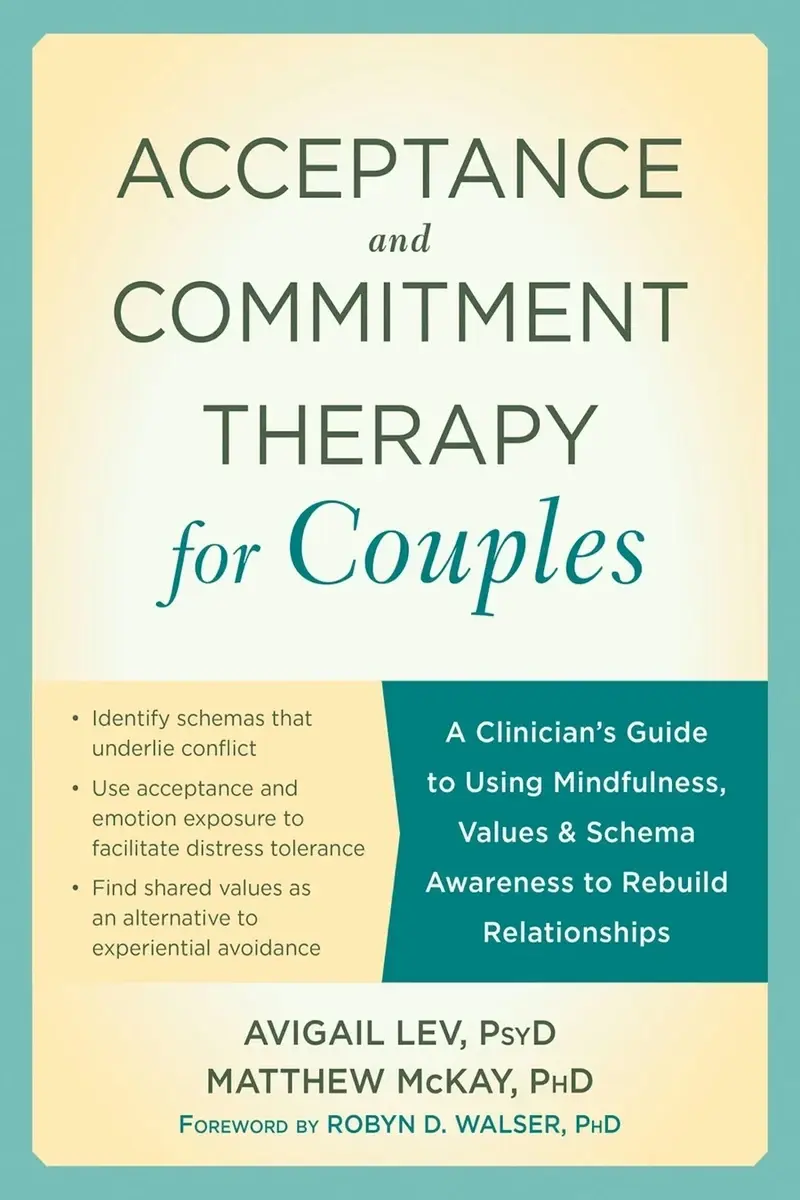
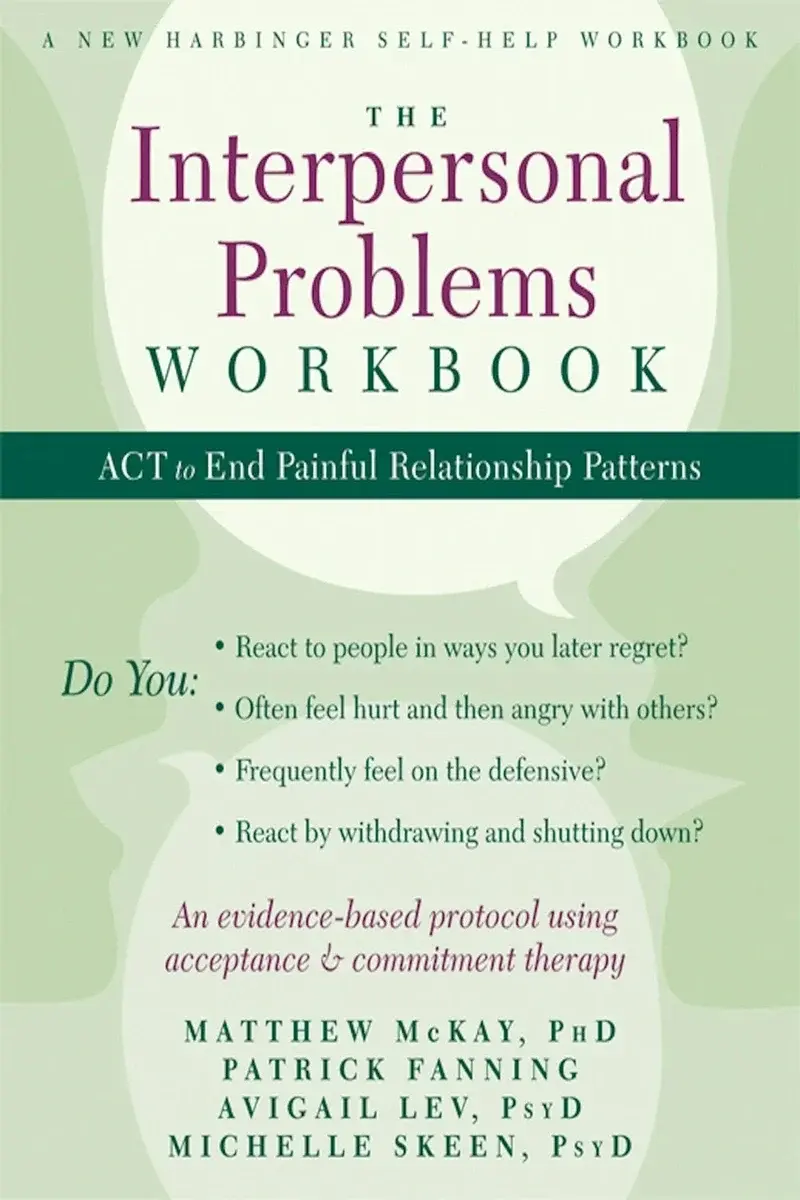
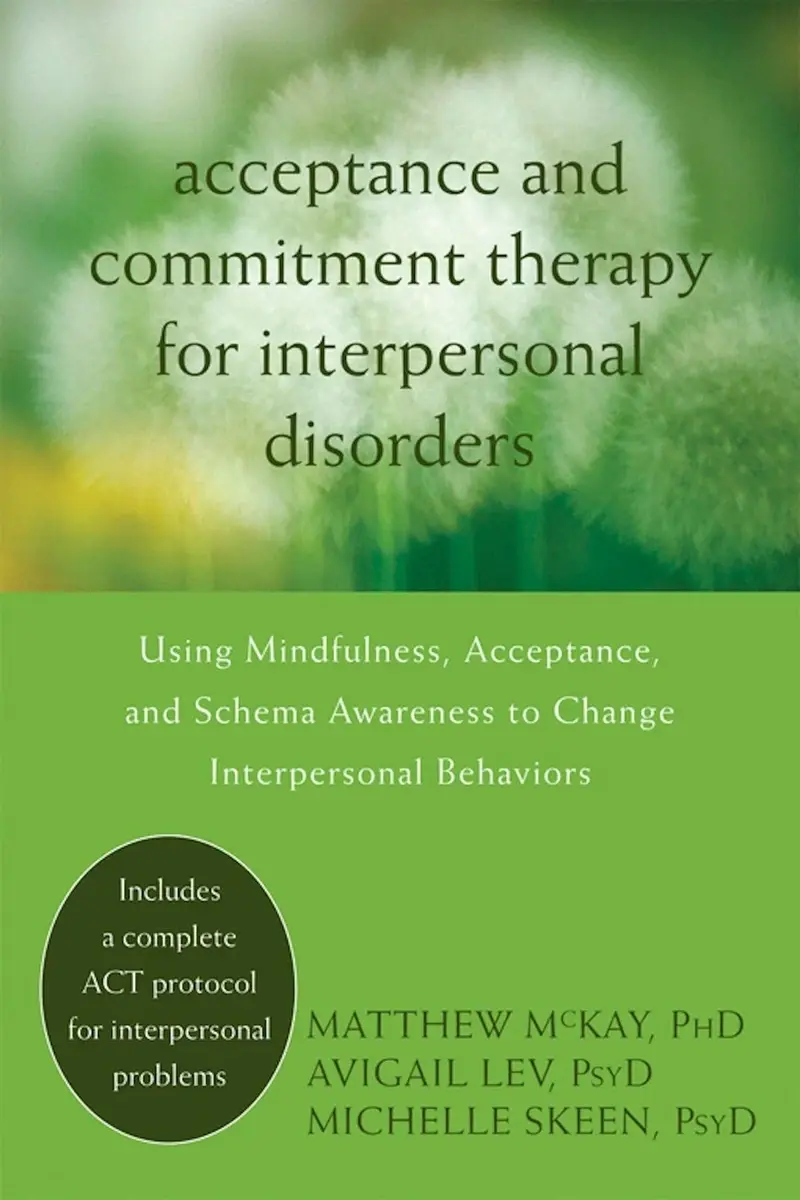
Check Out Our Books

Acceptance and Commitment Therapy. You could say we wrote the books on it.