Quiz: Self-Compassion Questionnaire
Take Our Free Self-Compassion Questionnaire to Understand Your Inner Response
Is self-criticism shaping your well-being?
↓ Start the Self-Compassion Questionnaire
Wondering whether self-criticism, shame, or difficulty offering yourself kindness may be affecting your well-being? Our self-compassion questionnaire helps you reflect on self-kindness, common humanity, mindfulness, and what kind of support may help.

IMPORTANT NOTE:
This free self-compassion questionnaire is for informational purposes only. It is not a psychological evaluation, psychiatric assessment, or clinical diagnosis. Your results are meant to support self-reflection and should not replace care from a qualified therapist, physician, coach, or mental health professional.
What You’ll Get From Taking this Self-Compassion Questionnaire
The self-compassion questionnaire helps you reflect on how you relate to yourself during mistakes, emotional pain, failure, stress, and moments when you feel triggered. It is designed to help you notice patterns in self-kindness, common humanity, mindfulness, self-criticism, shame, and emotional validation.
After taking the questionnaire, you can use your results to explore where self-compassion already feels available and where it may be harder to access. The results are not labels. They are a starting point for understanding how you respond to yourself when life feels painful, imperfect, or difficult.
The questionnaire is designed to highlight patterns such as:
Forgiving yourself after mistakes instead of staying stuck in self-blame
Remembering that being imperfect is part of being human
Responding to flaws, pain, and setbacks with kindness and curiosity
Offering yourself validation, encouragement, and patience during emotional distress
Recognizing that sadness, loneliness, and struggle are shared human experiences
Staying mindful of painful emotions without ignoring or over-identifying with them
Identifying next steps for therapy, mindfulness practice, or self-compassion skills
In total, the self-compassion questionnaire offers three key insights:
How available self-kindness feels when you are struggling
Which self-critical or isolating patterns may be active for you
What kinds of support or practices may help you relate to yourself with more care
Based on your responses, you may decide to explore individual therapy, CBT, ACT, compassion-focused therapy, mindfulness, MBCT, self-compassion meditations, schema therapy, or support for low self-esteem, shame, anxiety, or self-doubt.
Self-Compassion Questionnaire: What Does It Explore?
Self-compassion is the ability to meet yourself with kindness, perspective, and mindful awareness when you are suffering or imperfect. It does not mean excusing harmful behavior or avoiding responsibility. It means responding to pain in a way that supports learning, repair, and growth rather than shame.
For example, you may make a mistake and immediately attack yourself. You may compare your struggles to everyone else’s highlight reel. You may know how to comfort a friend but find it difficult to offer the same steadiness to yourself.
Why Take a Self-Compassion Questionnaire?
Self-criticism can become so familiar that it feels like motivation or realism. A questionnaire gives you a structured way to ask whether your inner response is helping you heal, learn, and take action, or whether it is increasing shame and avoidance.
You might find yourself asking:
- Can I forgive myself when I make a mistake?
- Do I remember that struggle is part of being human?
- Can I stay kind to myself when I notice flaws or painful emotions?
- Do I validate myself, or do I criticize myself for struggling?
- How do I respond to sadness, loneliness, failure, or emotional suffering?
These questions are common for people working on self-esteem, mindfulness, anxiety, shame, trauma recovery, relationships, and values-based growth. Naming the pattern can help you choose a more supportive response.
Understanding Self-Compassion and Its Impact
Self-compassion can influence emotional regulation, resilience, relationships, motivation, shame, stress, and willingness to try again after setbacks. When self-compassion is available, difficult emotions can be met with steadiness instead of panic or self-attack.
Low self-compassion may show up as harsh self-talk, feeling alone in your pain, difficulty forgiving yourself, over-identifying with mistakes, or believing you must criticize yourself to improve. Over time, this can contribute to avoidance, shame, perfectionism, anxiety, depression, or low self-esteem.
Self-compassion is not weakness. It is a practice of responding to suffering with honesty and care. It can help you take responsibility without collapsing into self-hatred.
Common Self-Compassion Patterns
Self-kindness: Offering yourself warmth, patience, and encouragement during stress.
Common humanity: Remembering that mistakes, loneliness, and suffering are part of human life.
Mindfulness: Noticing painful emotions without suppressing them or becoming consumed by them.
Self-criticism: Responding to mistakes with harshness, shame, or contempt.
Emotional validation: Naming pain as real and understandable rather than dismissing it.
Repair and learning: Using compassionate accountability to grow from mistakes.
Self-acceptance: Holding imperfections without treating them as proof of unworthiness.
Low Self-Compassion Can Lead To:
- Harsh self-talk, shame, or self-blame
- Difficulty recovering after mistakes or conflict
- Feeling alone, defective, or uniquely flawed
- Avoidance, perfectionism, or fear of failure
- Increased anxiety, sadness, resentment, or emotional exhaustion
- Difficulty accepting care, support, or encouragement from others
What Is Self-Compassion?
Self-compassion is the practice of relating to yourself with kindness, common humanity, and mindful awareness when you are struggling. It includes being honest about pain while refusing to turn that pain into a reason to attack yourself.
When self-compassion is low, painful moments can quickly become global judgments about who you are. When self-compassion is stronger, the same moments can become opportunities for care, reflection, repair, and values-based action.
Common Self-Compassion Challenges Include:
- Letting go of the belief that self-criticism is required for change
- Offering yourself encouragement without dismissing responsibility
- Staying present with difficult emotions without spiraling
- Recognizing shared humanity instead of isolating in shame
- Practicing self-kindness when it feels unfamiliar or undeserved
What Is a Self-Compassion Questionnaire?
A self-compassion questionnaire is a self-reflection tool that asks about how you respond to yourself in difficult moments. It may explore self-kindness, common humanity, mindfulness, self-criticism, emotional validation, and your ability to stay caring toward yourself after mistakes or setbacks.
The questionnaire is not designed to diagnose a condition. It is designed to help you notice the tone, beliefs, and behaviors that shape your relationship with yourself.
Our Self-Compassion Questionnaire: How It Works
The questionnaire asks you to respond to statements about mistakes, failure, emotional pain, loneliness, self-talk, and mindful awareness. Your answers can help identify which self-compassion patterns may be most relevant for you right now.
- Self-kindness: Whether you can offer patience and encouragement during struggle.
- Common humanity: Whether you can remember that imperfection and suffering are shared.
- Mindfulness: Whether you can notice difficult emotions without becoming overwhelmed by them.
- Self-criticism: Whether harsh self-talk or shame interferes with recovery and growth.
This Questionnaire Can Also Support Self-Awareness
If you are dealing with self-doubt, shame, low self-esteem, perfectionism, anxiety, depression, trauma responses, or difficulty accepting yourself, this questionnaire can give you a clearer way to understand what may be happening.
How to Take the Self-Compassion Questionnaire:
- Step 1: Think about how you usually respond to yourself when you are struggling.
- Step 2: Answer honestly without judging the answers.
- Step 3: Use your results to consider next steps, such as therapy, mindfulness practice, self-compassion exercises, or values-based support.
Understanding the Self-Compassion Questionnaire
This questionnaire is a quick, reflective tool for exploring how you relate to yourself during emotional difficulty. It can help you see whether you respond with kindness, isolation, shame, curiosity, patience, or criticism.
Because self-compassion is contextual, your results should be understood alongside stress, trauma history, culture, identity, attachment experiences, current symptoms, and support system. Awareness does not mean blaming yourself for being self-critical. It helps you identify what can be practiced.
Why Take a Self-Compassion Questionnaire Now?
If you already sense that your inner voice is harsh, lonely, or unforgiving, this questionnaire can help you start with clarity. Instead of asking why you cannot simply be nicer to yourself, you can ask what makes compassion difficult and what support may help.
Taking the Self-Compassion Questionnaire Can Help You:
- Identify patterns of self-kindness, self-criticism, mindfulness, and shame
- Understand how you respond to mistakes, emotional pain, and failure
- Recognize whether common humanity is available during struggle
- Clarify what practices may support emotional resilience
- Decide whether therapy, mindfulness, or compassion-focused support may help you move forward
What Happens After the Self-Compassion Questionnaire?
After you review your results, you can use them as a map for practice. You might begin noticing self-critical stories, writing compassionate responses, practicing mindfulness, learning loving-kindness meditation, or working with a therapist to understand why self-kindness feels difficult.
- Therapy: Explore shame, self-criticism, perfectionism, trauma, schemas, or low self-esteem.
- CBT skills: Identify thoughts that intensify self-judgment and emotional suffering.
- ACT skills: Practice values-based action while making room for difficult feelings.
- Compassion-focused support: Build skills for warmth, validation, courage, and self-acceptance.
What Self-Compassion Questionnaires Reveal
Self-compassion questionnaires can reveal the patterns underneath self-judgment. The issue may not be that you lack discipline. It may be that shame is driving avoidance. The issue may not be that you are too sensitive. It may be that your nervous system needs validation before it can choose a new response.
These distinctions matter because they point to different next steps. Harsh self-criticism needs different support than mindful accountability, and emotional overwhelm needs different care than ordinary disappointment.
Why Choose Our Self-Compassion Questionnaire?
Bay Area CBT Center integrates CBT, ACT, mindfulness-based approaches, schema therapy, and compassion-focused support. This questionnaire reflects that approach by focusing on the link between self-talk, emotions, values, behavior, mindfulness, and self-acceptance.
Key Features of Our Self-Compassion Questionnaire:
- Questions about self-kindness, common humanity, mindfulness, self-criticism, and emotional validation
- Reflection rather than diagnosis, labeling, or shame
- Immediate insight into self-relating patterns you can begin observing
- Free access as a first step toward support or self-compassion practice
Types of Self-Compassion and Mindfulness Questionnaires
Different questionnaires measure different parts of self-relating. Some focus on self-esteem, shame, mindfulness, emotional regulation, depression, anxiety, or perfectionism. A self-compassion questionnaire looks at how you respond to yourself when you are suffering or imperfect.
Used thoughtfully, this kind of questionnaire can complement other tools. For example, an emotional reactivity questionnaire may show how intensely you respond to triggers, while a self-compassion questionnaire may show how you treat yourself after those reactions occur.
Can You Self-Diagnose Low Self-Compassion?
No. You can notice signs of harsh self-talk, shame, isolation, or difficulty practicing kindness toward yourself, but a questionnaire cannot diagnose a condition or capture the full context of your life. A licensed professional can help you understand your results in context.
Use your results as a conversation starter. If self-criticism, shame, or emotional suffering is causing distress or impairment, professional support can help you interpret the pattern and develop a plan.
Common Patterns Identified by Self-Compassion Questionnaires
Common patterns include harsh self-talk, difficulty forgiving mistakes, isolation in suffering, over-identification with painful emotions, difficulty validating yourself, and trouble offering yourself care.
- Self-criticism: “If I make a mistake, I attack myself.”
- Isolation: “I feel like everyone else handles life better than I do.”
- Low mindfulness: “When I am upset, I become consumed by the feeling.”
- Low self-kindness: “I can comfort others, but not myself.”
- Shame: “My mistakes feel like proof that something is wrong with me.”
Who Should Take a Self-Compassion Questionnaire?
This questionnaire may be useful for adults who notice self-criticism, shame, low self-esteem, perfectionism, emotional overwhelm, difficulty forgiving themselves, or trouble responding kindly to pain. It may be especially helpful if you want to understand your level of self-kindness, common humanity, and mindfulness.
It can also be useful if you appear caring toward others but privately feel harsh, impatient, or unforgiving toward yourself.
Getting Professional Support
Professional support can help you translate awareness into practice. In therapy or coaching, you can identify self-critical stories, understand how they developed, and build new responses grounded in compassion, accountability, and values.
Support may include CBT, ACT, compassion-focused therapy, schema therapy, mindfulness-based therapy, MBCT, self-compassion meditations, and support for low self-esteem, anxiety, shame, or trauma.
Support Options After the Questionnaire
Helpful next steps may include individual therapy, CBT, ACT, compassion-focused therapy, schema therapy, mindfulness practice, MBCT, or guided self-compassion exercises. The right fit depends on your results, goals, symptoms, and current life context.
Importance of Early Awareness
The earlier you notice self-critical patterns, the more choice you have. Instead of waiting until shame or emotional exhaustion builds, you can begin practicing small moments of self-kindness, perspective, and mindful awareness.
Begin Understanding Your Self-Compassion Today
Your self-critical patterns do not have to define your worth or your future. By taking the questionnaire, you can begin naming how you relate to yourself and start choosing responses that support care, courage, and sustainable growth.
Take more of our quizzes
Explore more quizzes to deepen your understanding of yourself, your relationships, and your emotional patterns.
We offer various quizzes, including:
- Emotional Reactivity Questionnaire
- Self-Compassion Questionnaire
- Interpersonal Problems Questionnaire
- Procrastination Questionnaire
- Relationship Schema Quiz
- Workplace Schemas Quiz
- ADHD Test
- Rejection Sensitive Dysphoria Test
These quizzes can provide additional insights that help you understand your emotions, relationships, and choices. They are designed to be informative, practical, and easy to revisit when you want a clearer picture of what may be shaping your behavior.
Frequently Asked Questions
The purpose of a self-compassion questionnaire is to help you identify how self-kindness, common humanity, mindfulness, and self-criticism affect your well-being. It can support self-reflection, clarify next steps, and help you decide whether therapy, mindfulness, or skills support would be useful.
No. This questionnaire is not a formal psychological or psychiatric assessment. It is a reflection tool that can help you notice patterns in self-kindness, self-criticism, common humanity, mindfulness, and emotional validation, then decide whether personalized support would be useful.
Anyone who notices self-criticism, shame, low self-esteem, perfectionism, difficulty forgiving themselves, or trouble responding kindly to emotional pain may benefit from taking this questionnaire. It is designed for self-reflection and can help you understand how self-compassion may be affecting daily life and choices.
Support options after taking the questionnaire may include individual therapy, CBT, ACT, schema therapy, compassion-focused therapy, mindfulness practice, MBCT, and self-compassion exercises. The best option depends on your results, goals, symptoms, and current life context.
Uncover Which Self-Compassion Patterns May Be Shaping Your Well-Being
Want support with your self-compassion patterns?
If your questionnaire results point to self-criticism, shame, or self-compassion patterns you want to understand more deeply, reach out to Bay Area CBT Center to explore therapy, coaching, or consultation options.

INNOVATIVE THERAPY
Fast, Easy, and Personalized Counseling
Explore our innovative matching experience, designed to identify the best type of therapy for you through a unique quiz. Once you’ve completed the quiz, we’ll connect you with the therapist or coach who perfectly suits your individual needs—all at no cost. Whether you’re seeking help for yourself or a loved one, you’ll receive a personalized recommendation to guide you on your journey to growth and well-being. Take the first step toward your best self today.
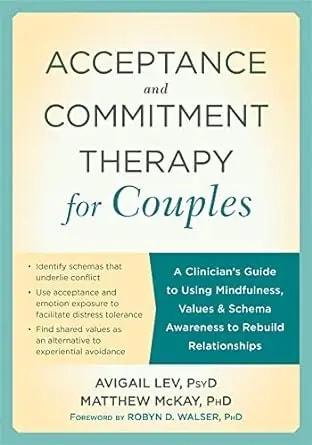
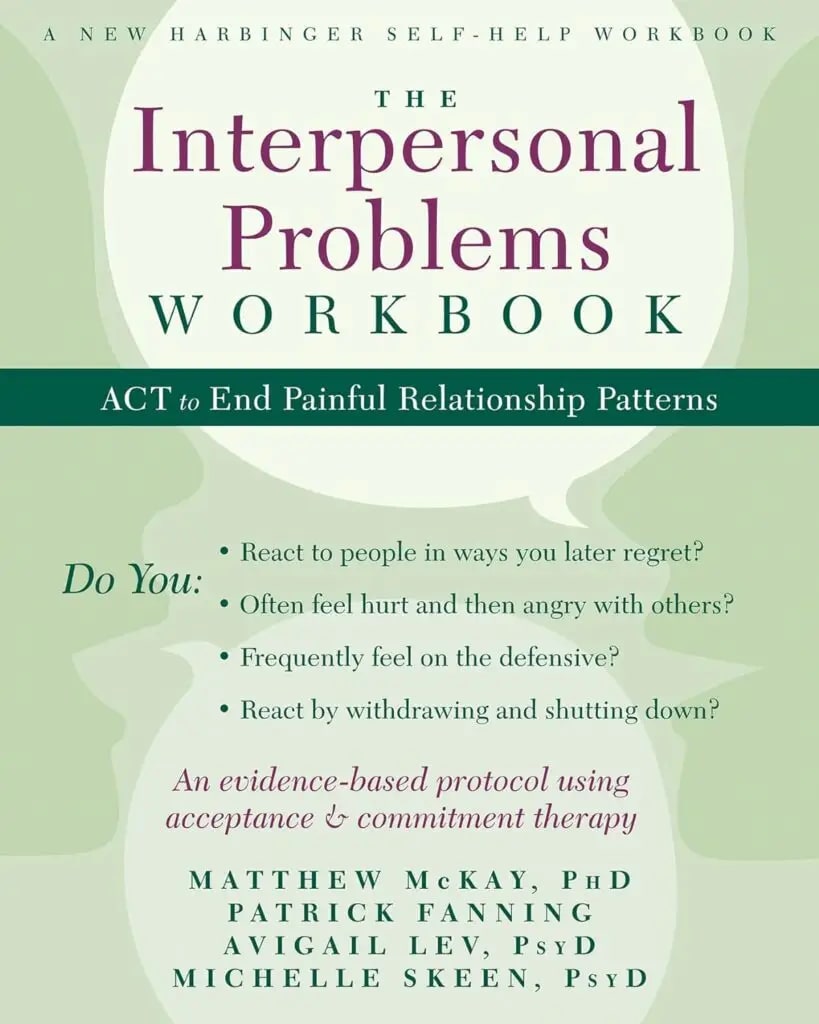
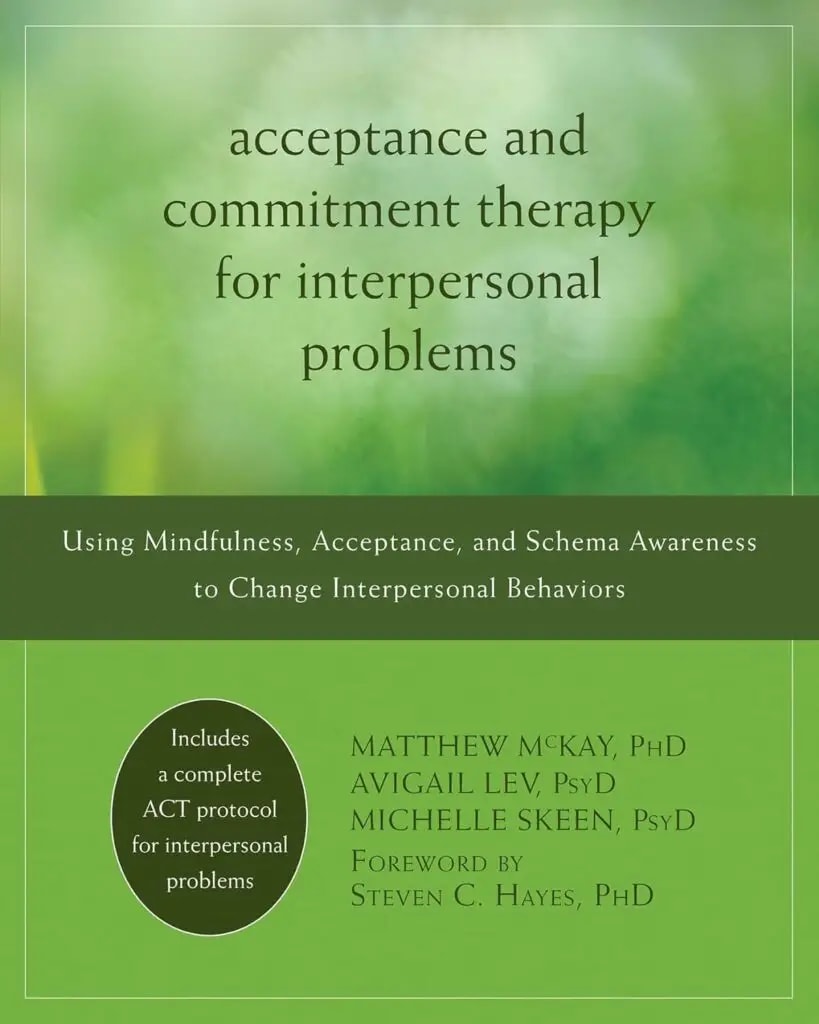
Check Out Our Books
Acceptance and Commitment Therapy in the Bay Area. You could say we wrote the books on it.