Mental Health Retreat: Customized Therapy Retreats in the U.S. and Worldwide
Experience a customized mental health retreat designed specifically for you. Our tailored healing retreats meet you exactly where you are in your mental health journey, addressing your unique needs and goals with precision and care.

As Featured In










What Is a Mental Health Retreat?
A mental health retreat at Bay Area CBT Center is a clinician-led program—not a spa vacation. You'll work with licensed mental health professionals each day in a structured but flexible schedule that may include individual therapy sessions, couples work, group therapy, mindfulness practices, somatic exercises, and values-based therapeutic approaches. The days are built for real clinical work, away from everyday distractions, in a tranquil environment that stays supportive and immersive.
Mental health retreats provide a unique opportunity to step away from daily life stressors and immerse yourself in a retreat setting that fosters emotional resilience, mental clarity, and personal growth. Our retreats integrate holistic healing practices, therapeutic yoga, art therapy, and nature therapy retreat activities like hiking trails and mindfulness retreats, all designed to support your optimal mental health.


Build the Perfect Mental Health Retreat for You
At Bay Area CBT Center, every mental health retreat is designed from the ground up. We start with your history and what you want to change, then build the days around that—not a template you drop into.
Unlike generic emotional healing retreat getaways, our mental health retreats are created by licensed mental health professionals and built around you—your values, your goals, your story. You choose the location, the duration, the therapeutic modalities, and the size and format of your group. Everything is customized.
You're not signing up for a package. You're co-creating your healing experience with licensed clinicians who specialize in trauma-informed care, dialectical behavior therapy (DBT), cognitive behavioral therapy (CBT), and other evidence-based mental health treatment programs.
Mental Health Retreats: Crafted for Every Depth of Healing
Our mental health retreats are tailored to your needs—length, intensity, focus, and therapeutic approach—ensuring a personalized healing experience. Whether you need deep trauma recovery, emotional processing, or structured therapy, we design a retreat that aligns with your goals.
We offer multiple retreat formats, allowing you to choose what resonates most. Most mental health retreats follow a one-size-fits-all formula. Ours don't. At Bay Area CBT Center, every retreat for mental health is built to reflect your lived experience and clinical needs.
We don't just treat symptoms—we help you reconnect to who you are beneath them, fostering emotional balance and mental well-being.
Our retreats incorporate holistic healing practices, including therapeutic yoga, nutritional counseling, and art therapy, within a tranquil environment surrounded by woodland and hiking trails. These practices enhance emotional regulation, stress relief, and spiritual health.


Personalized Mental Health and Wellness Retreats
At Bay Area CBT Center, every mental health and wellness retreat begins with a personalized application process so we can understand your goals, preferences, and clinical needs. From there, our team conducts a comprehensive assessment to build a personalized care approach and a retreat-specific treatment plan that matches you with the right emotional healing retreat experience.
We consider everything—your focus areas, preferred group size, intensity level, and whether you're seeking skills-based work, emotional processing, or both. Every detail is tailored to support your unique healing journey.
Types of Therapy Retreats We Offer
A therapy retreat with us can be for one person, a couple, or a small group. The format changes. The clinical work does not.
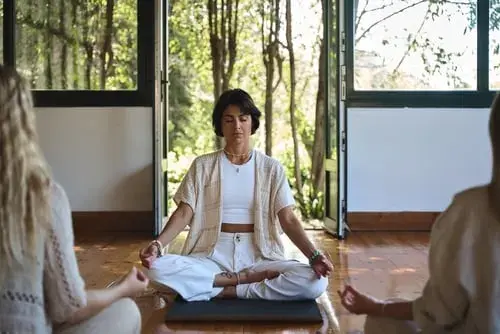
Individual Healing Retreats
Deeply personal, one-on-one intensive retreats with structured sessions and therapeutic support designed around your unique therapeutic needs and goals.

Couples Retreats
Reconnect and heal together with immersive couples therapy retreats guided by licensed clinicians. When relational dynamics beyond the couple need support, retreats may also include family therapy sessions to strengthen communication and support shared healing.
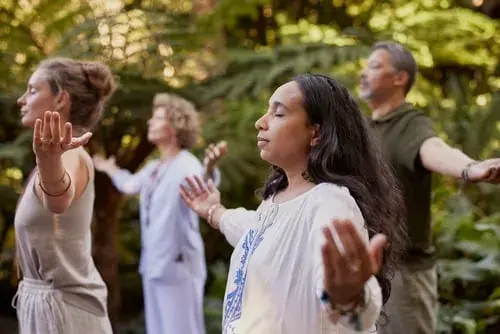
Customized Group Retreats
Small or large groups, fully customized to your needs—with hybrid online support before and after.
We also offer hybrid wellness retreats that include online support groups with your fellow participants before or after the retreat, making community connection part of the group format and helping you build connections and integrate what you've learned, with aftercare planning to help maintain progress once the retreat ends. Related formats include couples therapy retreats, yoga retreats, meditation retreats, women's retreats, and rage retreats, and depression retreats, and anxiety retreats. From the location and length to the format and therapeutic modalities, everything is built around you. You can choose a weekend retreat or a longer stay, across the United States or abroad.
Who a Behavioral Health Retreat Is For
We design behavioral health retreats for anxiety, depression, grief, trauma, narcissistic abuse, relationship distress, and stable conditions such as bipolar disorder when retreat care is clinically appropriate. Some people with a diagnosed mental health disorder may benefit from this focused retreat work, while severe symptoms may require a higher level of care. When symptoms are acute, unstable, or require round-the-clock supervision, residential treatment is more appropriate than a retreat. Days can include interpersonal mindfulness and somatic work, plus the clinical methods that fit your history.
You might benefit from a retreat for mental health if:
You're overwhelmed by stress, burnout, or chronic stress-related emotional pain
You're grieving a loss, navigating a transition, or processing trauma
You've hit a plateau in therapy and want to go deeper
You're ready for change but don't know where to start
You want something more powerful than a weekly therapy session
“I've been in therapy for years, but this was the first time I felt a real breakthrough.”
— Bay Area CBT Center retreat participant

Join Us for Our Next Mental Health Retreat
Looking for a mental health retreat but unsure where to start? Here's how it works:
Apply Online
Fill out our personalized application so we can understand your goals, preferences, and clinical needs.
Consultation Call
Speak with our team to discuss your retreat vision, preferred format, location, and therapeutic modalities.
Your Retreat Begins
Experience your fully customized retreat—immersive, transformative, and designed just for you.
Evidence-Based and Holistic Health Retreats
Our mental health retreats take a holistic therapy approach that blends mind, body, and emotional healing, supporting emotional growth through integrated holistic practices. Each holistic health retreat is grounded in evidence-based therapies, carefully selected to create a comprehensive, science-backed experience.
We integrate modalities like Cognitive Behavioral Therapy (CBT), somatic therapy, EMDR, interpersonal mindfulness, and dialectical behavior therapy (DBT). We also incorporate expressive arts therapy to help participants explore emotions creatively. Through therapeutic sessions and therapeutic activities, you gain practical tools for managing stress. We take the approach that works best for you—based on your goals, history, and emotional landscape. Led by licensed therapists, our retreats offer an immersive space for connection, insight, and whole-person healing through evidence-based care and holistic therapies.
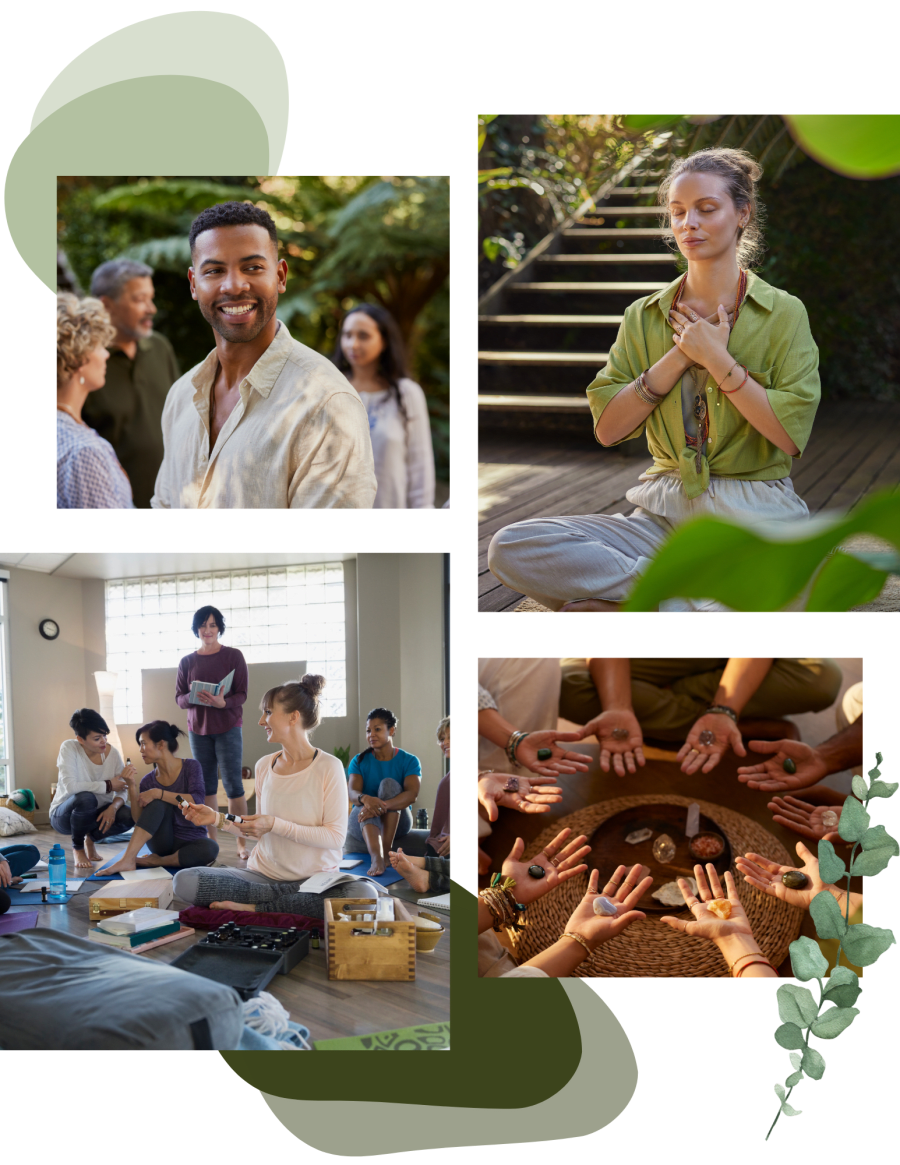

Retreats for Mental Health That Support Real Transformation
Our retreats for mental health are designed to create lasting change by addressing the core of what's keeping you stuck. Our method targets the root causes of emotional pain and relational patterns—not just surface symptoms.
You'll learn how to break toxic loops, reconnect with your wise self, and take meaningful values-based action while building healthier coping skills you can use in daily life. Whether you're working through trauma, relationship struggles, or emotional stuckness, this approach offers a powerful framework for deep, transformative healing.
Through collective healing and authentic relating, you'll experience the kind of connection that fosters real change, and the retreat creates space for deeper insight, self reflection, and integration than weekly care alone—both within yourself and in your relationships. This process can help you reconnect with yourself and others in ways that restore mental health hope.
Specialty Mental Health Retreats for Couples
When a relationship needs more than weekly sessions, we design couples therapy retreats around the two of you. You'll work with licensed clinicians on couples and interpersonal patterns—in a private setting that can include joint sessions, individual work, and practices you can keep using at home.
We specialize in couples and interpersonal work: schema and attachment patterns, values-based action, and communication in real time. Weekend, five-day, and seven-day formats are matched to your relationship—not a one-size package—and can feel like mental wellness vacations while still providing focused clinical support.

Retreats Backed by Groundbreaking Clinical Work
As outlined in our therapy books
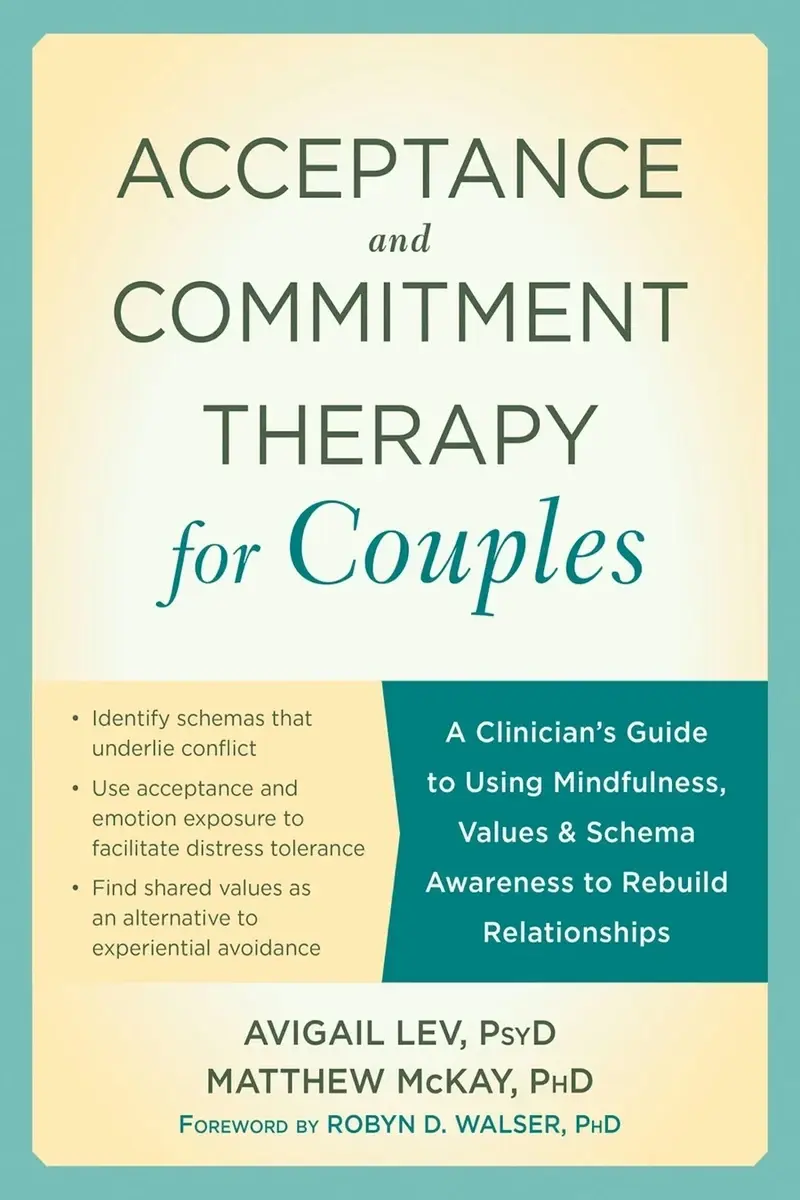
ACT for Couples
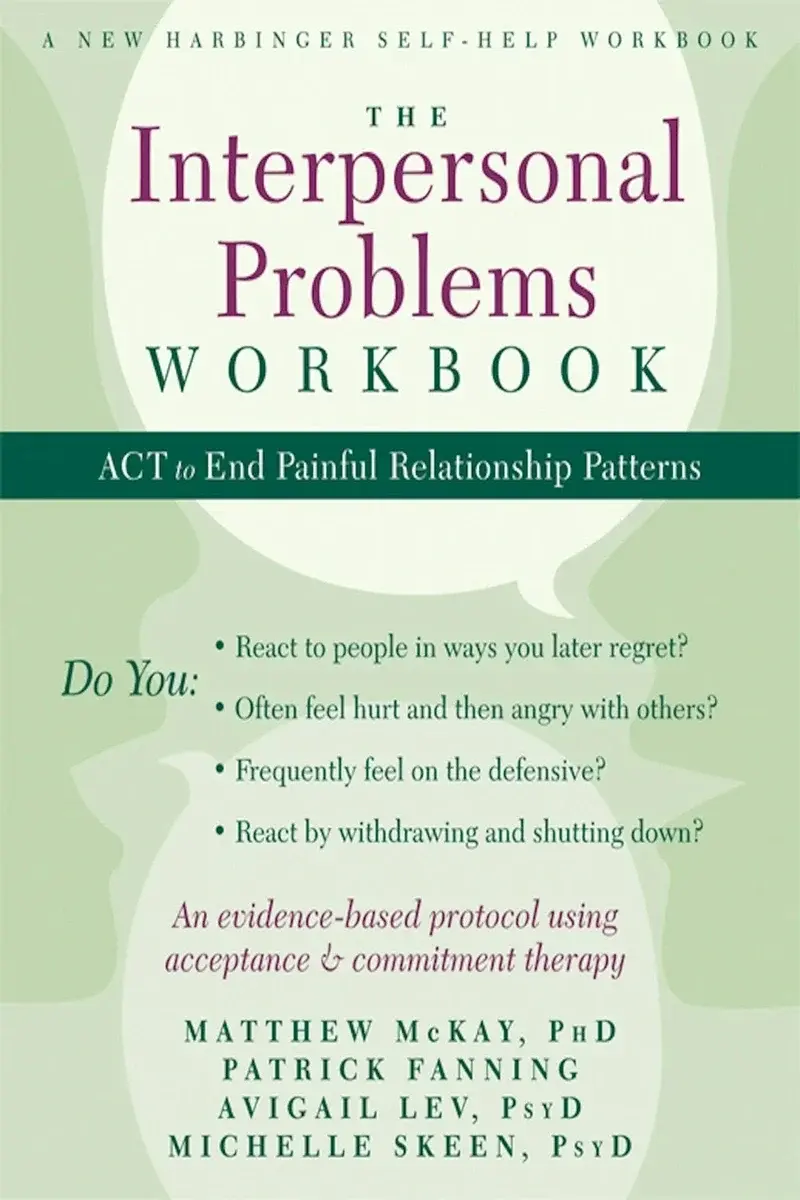
Interpersonal Problems Workbook
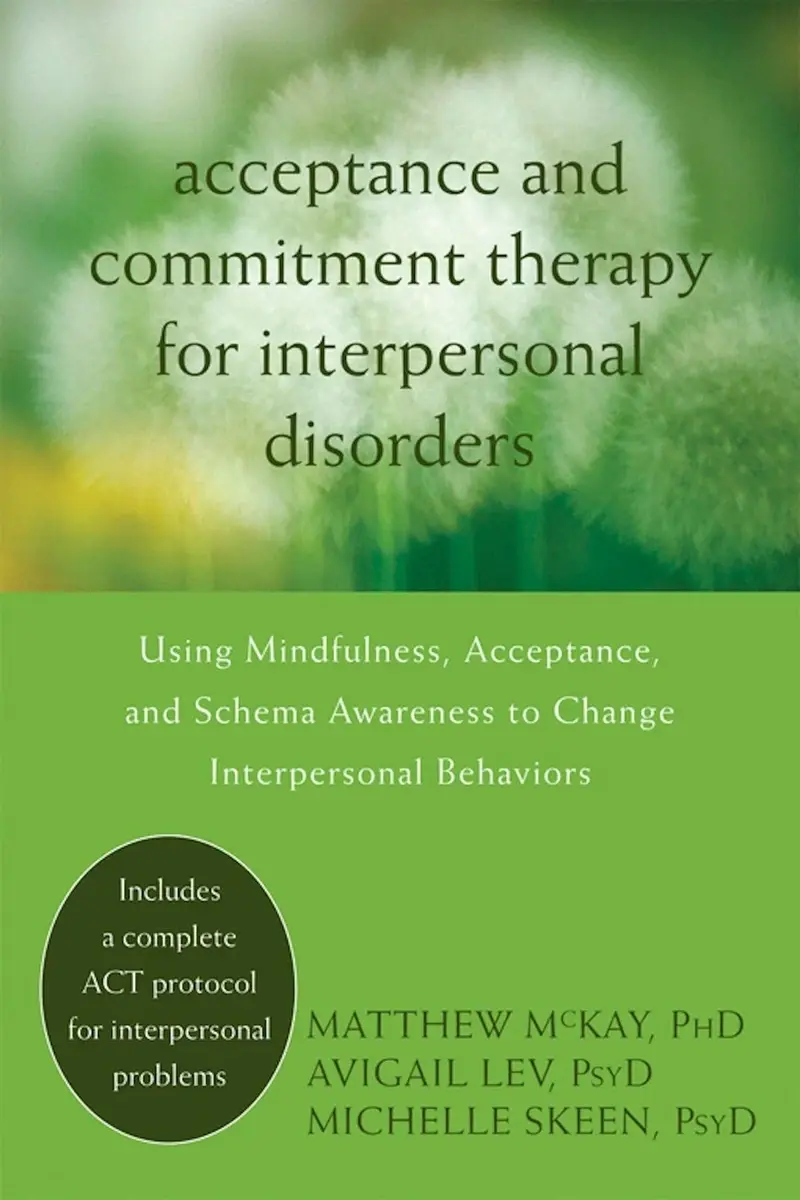
ACT for Interpersonal Problems
Apply for Your Emotional Healing Retreat Today
Apply now to design your personalized retreat. Our team will work with you to create an immersive experience tailored to your unique healing journey.
Apply for a Customized Retreat
Transform Your Life with an Emotional Healing Retreat—in the U.S. and Worldwide
We offer emotional healing retreats that are accessible worldwide, welcoming participants from across the United States and around the globe. Over 1 in 5 U.S. adults experience mental illness annually. These healing retreats are crafted to support your emotional well-being and overall health. Whether you're feeling overwhelmed, seeking a private retreat, or looking to connect with new people, our emotional healing retreats provide a nurturing environment designed to promote healing.
Our healing retreats are customized for your unique path, blending evidence-based treatments with wellness practices such as therapeutic yoga, meditation, art therapy, and nutritional support with whole-food meals that promote brain health to foster emotional wellness. Growing demand for healing-centered travel is also reflected in findings cited in a travel and hospitality report. We also support healthy living through a safe space, a supportive environment, and an open heart approach that nurtures your mental wellness and enhances your overall health.

How Much Our Mental Health Retreat Costs
Packages typically range from $2,500 to $7,500 and include lodging, nutritious meals, all therapy sessions, and curated healing experiences—flights are separate. Most of our retreats average around $3,500, and after you apply we build the program around your goals and your budget.
Shorter programs sit toward $2,500. High-end luxury stays and longer immersives move toward $7,500. A private one-on-one intensive, a couples format, a small group, and the destination you choose all shift the final quote.
Insurance Coverage and Mental Health Retreats
California residents with an insurance plan such as a PPO may be eligible to use private insurance for eligible out-of-network clinical services. Under the Affordable Care Act, mental health coverage is an essential health benefit. Insurance coverage is never guaranteed and varies by plan, and our team can verify benefits and clarify expected out-of-pocket costs, so use our Health Insurance Checker to see whether yours qualifies before you commit to a date, especially if you want to know whether we can accept private insurance arrangements for eligible services. We also provide a superbill after your retreat on request.
Insurers typically reimburse licensed clinical sessions, not lodging or meals, so the therapy hours are the part most likely to come back to you. Coverage is more likely when care is tied to a diagnosed mental health disorder and clinical services rather than lodging-focused retreat amenities. Insurance may also cover medications prescribed during retreats when those prescriptions are clinically indicated and covered by your plan. Most insurance does not cover luxury mental health retreats, and out of network benefits may apply only to eligible clinical services. Retreat reimbursement also works differently than traditional therapy reimbursement. Check your benefits and verify out of network benefits before you apply so there are no surprises and you know exactly what your out-of-pocket cost will be.

Why we are different
What Makes Our Retreats Different
Your patterns, your goals, your retreat. Personalized, evidence-based, and led by licensed professionals.
A mental health retreat provides structured programs focused on improving mental well-being through various therapies and activities. Unlike a typical vacation, these retreats offer daily therapy sessions, mindfulness practices, and other supportive activities that help address mental health challenges and promote emotional healing. So, what is a mental health retreat? It is a dedicated space where individuals can focus on their mental wellness in a supportive environment.
Read the full guideClose the guide
Key Takeaways
-
Mental health retreats are specialized programs that focus on therapeutic interventions and supportive activities to enhance participants’ mental well-being.
-
These retreats typically include evidence-based therapies, holistic therapies, and a structured schedule to promote emotional healing and personal transformation.
-
Participants from various backgrounds can benefit from mental health retreats, particularly those dealing with stress and emotional challenges, provided they receive professional guidance from licensed mental health professionals.
Defining a Mental Health Retreat
A mental health retreat is a specialized program designed to provide a structured environment where individuals can focus on their mental well-being. Unlike a typical vacation or a spa getaway, a mental health retreat is centered around therapeutic interventions and supportive activities aimed at addressing mental health challenges. These retreats offer a variety of evidence-based therapies and holistic practices, all within a tranquil and supportive setting.
Participants in mental health retreats often engage in daily therapy sessions and various supportive activities that promote emotional healing and mental well-being. These activities can range from cognitive-behavioral therapy (CBT) to mindfulness practices, all tailored to meet the unique needs of each individual. Some programs work best as outpatient therapy or as a complement to ongoing care, rather than a replacement for higher levels of treatment. The retreats are not merely quick-fix solutions but are instead designed to foster long-term mental health improvement.
Modern mental wellness retreats can vary widely, from gentle resets that provide a break from daily stressors to intensive programs that involve detox and emotional processing. Regardless of the specific approach, the core aim of a mental wellness retreat is to create a supportive environment where individuals can engage deeply with their mental wellness journey and participate in mental health retreats.
Purpose of Mental Health Retreats
The primary purpose of a mental health retreat is to provide a safe and supportive environment where individuals can focus on their mental well-being. These retreats allow participants to temporarily step away from the stressors of daily life and immerse themselves in activities designed to enhance their mental health. This immersion allows individuals to focus on their healing processes and work towards restoring their mental health.
Mental health retreat centers aim to address a variety of mental health issues, including depression, anxiety disorders, and other mental health conditions. Participants often report experiencing renewed clarity, emotional release, and a sense of reconnection with their overall wellness after attending a retreat. The peaceful and clean environment of a retreat setting contributes significantly to its purpose, providing a space where individuals can rejuvenate and focus on their healing journey.
Typical activities at a mental health retreat include:
These activities are designed to spark profound change and create space for inner clarity, leading to personal transformation and improved mental well-being.
Key Components of Mental Health Retreats
Mental health retreats are structured around three key components: evidence-based therapies, holistic therapies, and structured daily activities. Each of these components plays a crucial role in supporting participants’ emotional and psychological healing.
Each subsection will explore the specifics of these components, emphasizing their role in an effective mental health retreat experience.
Evidence-Based Therapies
Evidence-based therapies are a cornerstone of mental health treatment programs at retreats. These therapies include cognitive-behavioral therapy (CBT) and dialectical behavior therapy (DBT), which are designed to help individuals develop effective coping strategies and manage their mental health conditions. Skilled therapists work with participants to create customized treatment plans that address their specific mental health challenges.
Therapy sessions typically involve a variety of therapeutic modalities, including traditional therapy and psychodynamic therapy, to provide comprehensive mental health treatment. Participants may also engage in group therapy sessions, which offer a supportive environment for sharing experiences and gaining insights from others. These group settings can be incredibly powerful, fostering a sense of community and shared healing.
In addition to these traditional approaches, retreats often incorporate experiential practices such as art therapy and mindfulness practices. These holistic practices provide participants with additional tools for emotional healing and stress reduction, enhancing the overall effectiveness of the retreat’s mental health treatment programs.
Holistic Therapies
Holistic therapies play a vital role in mental health retreats by promoting overall mental wellness and balancing the mind, body, and spirit. These therapies include practices such as yoga, mindfulness, and art therapy, all of which contribute to emotional healing and well-being. By integrating these complementary therapies, retreats aim to create a nurturing environment where participants can experience profound healing.
Yoga and mindfulness practices are particularly effective in stress management, helping participants to release stress and cultivate inner peace. These practices encourage individuals to live in the present moment, which can significantly improve emotional health and well-being.
Art therapy, on the other hand, provides a creative outlet for expressing emotions and processing experiences, further enhancing the healing journey.
Holistic health retreats also often incorporate other complementary therapies such as aromatherapy and acupuncture. These therapies work together to create a holistic approach to mental health treatment, addressing not only the mind but also the physical and spiritual aspects of well-being.
Structured Daily Activities
A well-structured daily schedule is a key component of mental health retreats. These schedules typically include a balance of structured sessions, recreational activities, and relaxation time. The variety of activities ensures participants can fully address their mental health needs and personal well-being.
During private overnight retreats, activities such as rest and self-reflection are encouraged, allowing participants to recharge and process their experiences. This structured environment supports individuals in developing self-care practices that can be integrated into their daily lives, promoting long-term mental health improvement.
Who Can Benefit from a Mental Health Retreat?
Mental health wellness retreats offer benefits for a wide range of individuals, particularly those dealing with stress, anxiety, or other mental health challenges and mental health disorder. These retreats provide an opportunity for individuals to disconnect from their usual environment and focus on their mental wellness. Stepping away from daily pressures allows participants to gain a clearer perspective and engage deeply with their healing journey.
Individuals overwhelmed by modern life can find a therapeutic escape at a mental health retreat, allowing them to recharge and focus on themselves. Retreats also help individuals reflect on their relationships and personal growth, fostering emotional, mental, and spiritual health. This reflection can lead to a deeper understanding of oneself and improved self-esteem.
Women’s retreats provide a safe and nurturing space for women to explore their emotions, build resilience, and reconnect with their authentic selves. A women’s retreat allows participants to step away from their caregiving roles and societal pressures, offering a much-needed opportunity for self-care and renewal. With a focus on empowerment and healing, women’s retreats help cultivate self-compassion, inner strength, and personal transformation.
Therapy retreats are particularly beneficial for those needing to decompress from stress and reconnect with their emotional balance. These retreats offer a supportive setting where participants can access their innate wisdom and wholeness, leading to profound personal transformation.
Overall, mental health retreats can be a valuable resource for anyone seeking relief from mental health challenges and looking to enhance their mental health wellness retreat.
Types of Mental Health Retreats
There are various types of mental health retreats, each catering to specific mental health needs and goals. One common type is the emotional healing retreat, which provides a safe setting for individuals to process traumas and manage stress. These retreats often offer guidance from emotional healers and include activities designed to promote emotional release and healing.
Spiritual well-being retreats focus on enhancing spiritual health through mindfulness practices, meditation, and self-discovery techniques. Participants in these retreats engage in activities that foster spiritual well-being and inner peace, helping them connect with their deeper selves.
Other types of mental health retreats may focus on specific therapeutic approaches or cater to particular mental health conditions. Regardless of the type, all mental health retreats aim to provide a supportive environment where individuals can engage in healing activities and work towards improved mental well-being.
Summary
In summary, mental health retreats offer a unique and valuable opportunity for individuals to focus on their mental well-being in a supportive and structured environment. By providing evidence-based therapies, holistic practices, and structured daily activities, these retreats help participants address mental health challenges and work towards long-term mental health improvement.
Whether you are seeking relief from stress, anxiety, or other mental health issues, or simply looking to enhance your mental wellness, a mental health retreat can be a transformative experience. Consider exploring the various types of retreats available and find one that aligns with your mental wellness journey.
A Retreat Run by a Mental Health Center, Not a Retreat Center
Many mental health retreats are wellness-led by shamans or coaches, not licensed mental health clinicians. The program changes with whoever is leading it that month. Some treatment centers and retreat programs emphasize hospitality, while Bay Area CBT Center maintains a consistent clinical standard across locations. Bay Area CBT Center works the other way around. We are a mental health center, and we bring our own team of licensed clinicians to retreat centers around the United States and beyond. The setting changes. The clinicians, the methods, and the standard of care do not. When medically necessary, medication management may be coordinated alongside the retreat through appropriate clinical providers.
That is also why this is not one of the mental wellness vacations or a mental health vacation you will find advertised alongside spa packages. A mental health getaway that is really a long weekend with optional yoga is a different product. What a Bay Area CBT Center mental health retreat offers is several days of intensive therapies, structured the way our clinicians would structure them if they had you for forty hours instead of one. Every retreat is fully customized and personalized to your unique needs, so every aspect of your healing experience is tailored specifically for you. Such retreats are rare because few mental health centers run them.
Where a Retreat Fits
In intensity, a retreat sits closer to structured outpatient programs than to weekly therapy in flexibility, while still being more immersive than standard care. In everything else, it is closer to the work you would do with us in the office: the same evidence-based methods, the same clinicians, and a plan for what happens when you go home. People looking for a behavioral health retreat or a psychological retreat are usually asking for that mix — clinical work, without checking into a hospital. It is also distinct from partial hospitalization programs and intensive outpatient programs for people who need a formal day-treatment level of care.
If you are in crisis or need medical supervision, a treatment center is the right level of care, and people who need a higher level of support may be better served by other outpatient programs depending on severity, including partial hospitalization programs or intensive outpatient programs. If you are managing everyday life but tired of managing it the same way, a mental retreat with us is built for you. When depression is the reason you are searching, a depression retreat here is still this program: a mental health therapy retreat customized around your history, not a separate spa track. Anxiety often sits next to it, so a depression anxiety retreat is the same customized week, not two different offerings.
Whether a mental health retreat covered by insurance is possible depends on your plan. The licensed clinical hours can sometimes be reimbursed; lodging and meals usually cannot. Many insurers do not treat a mental health wellness retreat as medically necessary, though traditional therapy and psychiatric consultations usually are. Private health insurance plans are more likely to apply than state plans; the Affordable Care Act treats mental health coverage as an essential health benefit, and some wellness-related costs can go through a Health Savings Account or Flexible Spending Account. We go through that with you before you apply.
Who Leads the Retreat
Licensed Psychologists, Not Wellness Coaches
Retreats have become a place where anyone can call themselves a healer. Wellness coaches lead breathwork, run group circles, and talk about trauma without any training in treating it. Coaching is not mental health care. No license, no clinical training, no licensing board to answer to, and no obligation to recognize when someone in the room needs more than a coach can give.
Every retreat at Bay Area CBT Center is led by licensed psychologists and therapists from our center. Licensed mental health professionals — therapists and doctors — write clinical treatment plans, monitor medication, and manage mental health crises so the week is individualized, not a generic workshop. This is retreat therapy, not a workshop with a therapist on call. A mental therapy retreat with us means the group support is clinical group therapy, the one-on-one hours are mental health therapy retreat work with someone trained for a real diagnosis, and the stress reduction is somatic and evidence-based — not borrowed from a wellness trend. If you came from a wellness retreat, mental health care is the layer that was missing.
What You Take Home
How retreats help with emotional healing is not mysterious: enough uninterrupted time to build new habits before you go back to the ones that brought you here. You leave with self-care tools and self-care practices that were built by clinicians and tested in the room with you, not a list of healthy living tips. Each one is chosen to hold up in everyday life, when the retreat is over and the pressure is back.
And the support does not begin or end at checkout. For ongoing support, you can continue the work with your retreat participants in online group therapy, or choose individual therapy with our mental health center.
Frequently Asked Questions
What is a mental health retreat?
A mental health retreat is an immersive, clinician-led program that combines focused mental health treatment with holistic healing practices in a tranquil retreat setting. At Bay Area CBT Center, ours are fully customized and never a spa vacation: you work with our licensed psychologists each day on emotional regulation, trauma recovery, and personal growth, in a structured but flexible schedule. Depending on your goals, we blend evidence-based therapy with mindfulness retreats and nature therapy retreat activities, away from the distractions of daily life.
Are mental health retreats worth it?
They are, when they are customized and led by licensed clinicians. Mental health retreats offer a depth of healing and stress relief that traditional therapy alone rarely reaches in a weekly hour. Our clients often tell us they had been in therapy for years and felt their first real breakthrough at a Bay Area CBT Center retreat. The immersive setting and supportive community build emotional resilience, mental clarity, and long-term personal growth, and you leave with practical tools that hold up at home.
How much does a mental health retreat cost?
Our packages typically range from $2,500 to $7,500 and include lodging, nutritious meals, all therapy sessions, and curated healing experiences. Flights are separate. Most Bay Area CBT Center retreats average around $3,500. Shorter programs sit toward $2,500, while high-end luxury stays and longer immersives move toward $7,500. Your cost shifts with length, destination, group size, and whether you choose a private one-on-one intensive, a couples format, or a small group. After you apply, we build the program around your goals and your budget.
Does insurance cover mental health retreats?
Sometimes. Some health insurance plans, especially California PPO plans, offer out-of-network benefits for the licensed clinical sessions in a mental health retreat, though insurance coverage is never guaranteed and varies by plan. Insurers typically reimburse mental health care delivered by a licensed clinician, not lodging or nutritious meals. We provide a superbill after your retreat on request. Use our Health Insurance Checker or call your insurer before you apply, so you know your out-of-pocket cost up front.
How long should you go on a mental health retreat for?
Most people choose three to five days, which is long enough for deep work without feeling overwhelming. We also design one-day intensives, weekend retreats, and multi-week immersives. The right length depends on your therapeutic goals, clinical needs, and schedule. Because we are a mental health center rather than a venue, we can add hybrid online groups before and after your retreat, so the work keeps going once you are back in daily life and protects your long-term well-being.
Why is it important to have a licensed clinician for a mental health retreat?
Because coaching is not mental health care. Many mental health retreat centers hire wellness coaches who have no license, no clinical training, and no board to answer to. Every Bay Area CBT Center retreat is led by licensed psychologists and therapists from our own center, so your mental health treatment is assessed, planned, and delivered by someone trained to work with a real diagnosis. That matters most when something intense surfaces: we are qualified to respond, and to recognize when you need a higher level of care.
What types of therapies do you use at a therapeutic retreat?
We match the mix to you. Our therapeutic retreats draw on Cognitive Behavioral Therapy (CBT), Dialectical Behavior Therapy (DBT), Acceptance and Commitment Therapy (ACT), Schema Therapy, EMDR, Prolonged Exposure, somatic therapy, compassion-focused therapy, interpersonal mindfulness, and art therapy. Days can also include group therapy, couples work, mindfulness practices, and experiential exercises. We choose from your history and goals rather than running everyone through the same package, which is the advantage of a retreat built by clinicians instead of a venue.
Who is a mental health retreat for?
Our retreats are for adults who are managing everyday life but feel stuck: navigating anxiety, depression, grief, trauma, narcissistic abuse, relationship distress, burnout, or chronic stress, and wanting more than traditional therapy offers in a weekly hour. We also design retreats for couples and custom groups. A retreat can support a wide range of mental health challenges, but it does not replace acute psychiatric care. If you need medical supervision or crisis stabilization, we will help you find the right treatment center.
What can I expect at a mental health and wellness retreat?
Expect a personalized schedule, not a generic itinerary. After you apply, we assess your needs and co-design the days: individual and group therapy, mindfulness or somatic practice, therapeutic yoga, nature walks, art therapy, nutritious meals, and time for personal reflection. A mental health and wellness retreat with us is still a clinical program, so you will do real therapeutic work, while the retreat setting stays a supportive environment. Many people add hybrid online groups before or after to integrate what they learned.
What is the difference between a spa vacation and retreats for mental health?
A spa or mental wellness vacation is built around relaxation, amenities, and optional classes. Retreats for mental health are built around clinical mental health treatment: a licensed assessment, a customized plan, and evidence-based therapy combined with holistic practices aimed at lasting emotional healing and personal growth. You may still eat well, spend time outdoors, and feel restored, but the purpose is durable change in your mental well-being, not a temporary break. If you want more than relaxation, choose a clinician-led retreat.