Panic Disorder Treatment
in San Francisco, CA
A panic attack can feel like a medical emergency — racing heart, chest tightness, and a flood of fear. Our clinicians provide panic disorder treatment in San Francisco, CA that teaches you how to treat panic attacks with CBT, exposure, and skills you can use in the moment, in person downtown and online across California.


the Bay




San Francisco, CA & Online Across California
Panic Attack Treatment That Targets the Fear Cycle
During a panic attack you may feel you have no control — fear of dying, a heart attack, humiliation, or "going crazy." Those sensations are terrifying in the moment, and they are highly treatable. People often search for anxiety attack treatment or panic attack treatments when they mean this same cycle of sudden fear and bodily alarm.
At Bay Area CBT Center, panic attack treatment and panic disorder therapy start with understanding what your body is doing — and what keeps the fear of fear alive. We use proven cognitive behavioral therapy for panic disorder so you can stop living around the next attack. If you want a panic disorder therapist in San Francisco who also offers telehealth statewide, you are in the right place.


Understanding Panic
What Is a Panic Attack — and When Is It Panic Disorder?
A panic attack is a sudden wave of intense fear with uncomfortable physical sensations. It usually peaks within minutes and may last from a few minutes to a couple of hours. Knowing what is happening is the first step in treatment for anxiety panic disorder patterns that feel out of control.
Panic disorder is more than one attack: it is recurrent panic plus ongoing worry about the next one, and avoidance that shrinks your world. A therapist for panic attacks can help you interrupt that loop before it takes over work, transit, social plans, or sleep.
Recognizing Symptoms
What are the signs of panic attacks?
If several of these feel familiar, a San Francisco therapist for panic disorder can help you make sense of what is happening and what to do next.
Nausea
Queasiness or stomach distress that arrives with a surge of fear.
Dizziness & Faintness
Dizziness, lightheadedness, or feeling faint during an attack.
Feelings of Unreality
A sense that you or the world around you is not quite real.
Numbness or Tingling
Pins-and-needles sensations in the hands, feet, or face.
Chills or Hot Flushes
Sudden temperature shifts that intensify fear of what is happening in your body.
Fear of Losing Control
Fear of losing control or “going crazy” in the middle of an attack.
Chest Pain
Chest tightness or pain that can feel frighteningly like a medical emergency.
Fear of Dying
An overwhelming fear that you are dying or that something catastrophic is happening.
Racing Heart
Palpitations, pounding heart, or accelerated heart rate.
Sweating
Sudden sweating that arrives with the wave of panic.
Trembling or Shaking
Visible or internal shaking that makes sensations feel even more intense.
Shortness of Breath
Shortness of breath or feelings of choking that fuel the fear loop.


Why Exposure Works
How to Treat Panic Attacks: Why Exposure Works
At its core, panic disorder is often a fear of the body's natural fight-or-flight responses — racing heart, sweating, dizziness — misread as danger. That fear of sensations fuels avoidance, which makes the next surge feel even more threatening.
Effective treatments for panic attack disorder use graded exposure (including to bodily sensations) so your nervous system learns the feared outcomes are uncomfortable, not catastrophic. That is the heart of treatment for panic disorder at our San Francisco clinic — practical, skills-based care rather than endless reassurance.
How We Work Together
Panic Disorder Treatment Built Around Your Triggers
Together we map what keeps panic going: triggers, catastrophic thoughts, safety behaviors, and the places or sensations you avoid. You will track patterns between sessions so treatment stays specific — not generic anxiety advice.
Your plan usually includes an exposure hierarchy plus panic attack coping skills — breathing you can actually use mid-surge, grounding, and mindfulness that support exposure rather than replace it. Treatment anxiety attacks respond best when skills and exposure work together at a pace you can sustain.

What Clients Gain
What Panic Attack Therapy Can Help You Do
We offer panic disorder treatment in San Francisco and online therapy across California — the same CBT and exposure model either way.
- Build panic attack coping skills you can use in real time
- Reduce avoidance that shrinks your life
- Lower the intensity and frequency of panic attacks
- Regain calm after spikes without endless checking
- Practice mindfulness and self-compassion after an attack
- Change how you relate to anxious, catastrophic thoughts
- Solve problems without letting panic make the decisions
Who We Help
Who We Help in San Francisco
Whether you need a panic disorder therapist for recurrent attacks, help with agoraphobia, or support when panic overlaps with social or health anxiety, our team builds care around evidence-based CBT and exposure.
Overcome Panic Disorder Today
Cognitive Behavioral Therapy for Panic Disorder
CBT for panic disorder helps you spot the thoughts and behaviors that keep the cycle going, then practice new responses until your body and brain catch up. You leave with tools — not just insight.
Alongside cognitive work, we teach panic attack coping skills and exposure so you can ride out sensations without fleeing every trigger. That combination is how lasting panic attack treatment sticks.
CBT for Panic Disorder
Identify and shift the thoughts and behaviors that keep panic going — the foundation of panic disorder treatment.
Interoceptive Exposure
Practice with feared bodily sensations so your brain learns they are uncomfortable, not dangerous.
In Vivo Exposure
Step-by-step return to avoided places and activities so your world expands again.
ACT & Mindfulness
Build psychological flexibility and stay present when sensations spike.
Panic Attack Coping Skills
Breathing, grounding, and safe-place imagery that support exposure — skills you can use when anxiety attack help is needed in the moment.
Self-Compassion
Reduce shame after attacks and rebuild a kinder relationship with your body.
Defusion & Restructuring
Step back from catastrophic thoughts and reframe them so panic-driven stories lose their grip.
Self as Context
Learn to observe panic sensations from a steadier sense of self — so feelings can rise and fall without defining you.
How You Can Work With Us
Therapy Formats for Panic Attack Treatment
Choose the format that works best — same evidence-based care either way.

Individual Therapy
One-on-one sessions with a San Francisco clinician for panic disorder, tailored to your attack history and goals.

Couples & Family Support
Panic affects the people closest to you. We can include partners and family in understanding and support.

Online Therapy — All of CA
Same evidence-based panic disorder therapy via secure telehealth anywhere in California.
Where We Are
San Francisco Office — Panic Care Near You
Meet in person at our San Francisco, CA office (45 Franklin Street) for panic disorder treatment, or continue online if that fits better. Oakland in-person options and statewide telehealth are available with the same clinical approach.
San Francisco
45 Franklin St Suite #210
San Francisco, CA 94102
415-941-5373

Online Sessions Across California
Online Panic Disorder Therapy Across California
Online panic attack treatment delivers the same CBT and exposure work as in-person care through a secure platform — useful when triggers show up at home or you live outside the city.
Whether you prefer a downtown San Francisco session or telehealth from elsewhere in California, expert treatment for panic disorder is available on your schedule.
From Our Clinicians
Check out the books behind our approach
Our team wrote widely used ACT and mindfulness titles that shape how we treat panic attacks and panic disorder — values, skills, and tools you can practice between sessions. Browse the books below, then book a free consult if you want that same approach one-on-one.
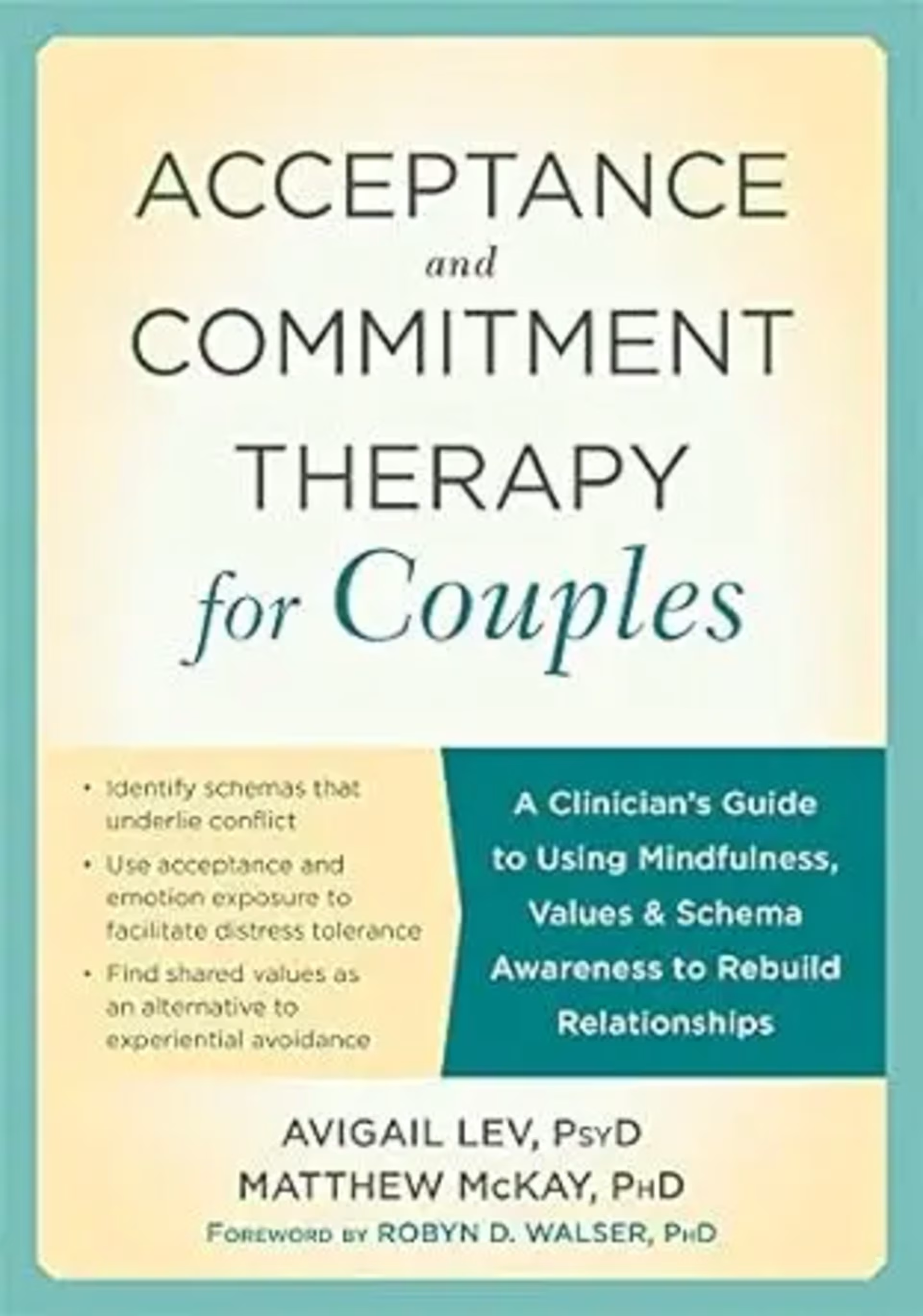
Acceptance and Commitment Therapy for Couples
ACT tools for values, willingness, and stuck patterns — the same framework we use in care for panic attacks and panic disorder.
BUY ON AMAZON
The Interpersonal Problems Workbook
A practical workbook of ACT skills you can use day to day — structured practice that supports lasting change.
BUY ON AMAZON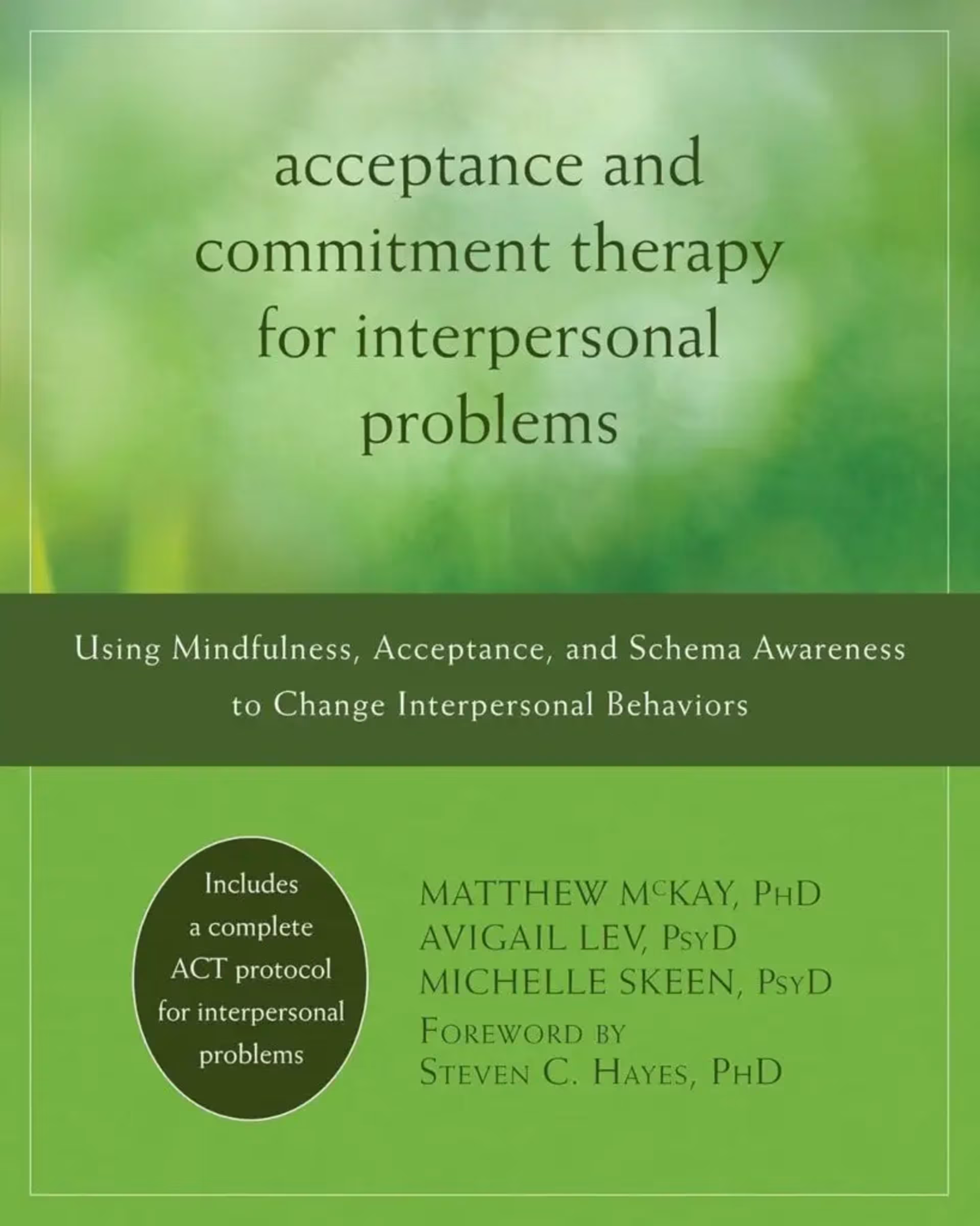
ACT for Interpersonal Problems
Clinical ACT guidance that pairs with the integrative, values-based care we bring into treatment for panic attacks and panic disorder.
BUY ON AMAZONCommon Questions
FAQs About Panic Attack Therapy
Answers to the questions we hear most often from people looking for San Francisco panic attack therapy and panic disorder treatment. Not sure what you're experiencing? You can explore our mental health questionnaires before reaching out.
What is a panic attack?
A panic attack is a sudden surge of intense fear with strong physical sensations — racing heart, chest tightness, dizziness, or unreality. It usually peaks within minutes. Panic attack therapy in San Francisco helps you understand these sensations and respond differently.
What is the difference between panic attacks and panic disorder?
A panic attack is a single episode. Panic disorder involves recurrent attacks plus ongoing fear of more attacks and avoidance that shrinks daily life. Panic disorder treatment targets both the surges and the fear cycle that keeps them going.
How does cognitive behavioral therapy for panic disorder work?
Cognitive behavioral therapy for panic disorder helps you identify thoughts and behaviors that maintain panic, then uses exposure — including to feared bodily sensations — plus coping skills so your brain learns those feelings are uncomfortable, not dangerous.
How do you treat panic attacks without relying only on reassurance?
The most effective way to treat panic attacks focuses on changing the fear of fear: graded exposure, reducing safety behaviors, and practicing panic attack coping skills you can use mid-surge. Reassurance alone rarely creates lasting change.
Do you offer panic disorder treatment in San Francisco and online?
Yes. We provide panic disorder treatment in San Francisco, CA in person and online therapy across California. You can work with a panic disorder therapist downtown or via secure telehealth.
Is this the same as anxiety attack treatment?
Many people search for anxiety attack treatment or treatment anxiety attacks when they mean panic attacks or panic disorder. Our approach treats the sudden fear-and-sensation cycle with CBT and exposure, whether you use the word panic or anxiety attack.
Do I need an anxiety attack doctor or a therapist for panic attacks?
Rule out medical causes with your physician when symptoms are new or unclear. For ongoing panic patterns, a therapist for panic attacks trained in CBT and exposure is usually the right specialty. We collaborate with medical providers when medication or further evaluation is part of the plan.
Do you accept insurance for panic attack therapy?
Bay Area CBT Center is an out-of-network provider. We provide superbills you can submit for potential reimbursement. Many clients with PPO plans receive meaningful reimbursement for panic disorder therapy sessions.
Not Sure Where to Start?
Take Our Free Panic Disorder Test
If you are wondering whether your symptoms fit panic disorder — or you want a structured way to reflect before a consult — our free panic disorder test can help you notice common patterns. It is not a diagnosis. When you are ready, book a session for panic disorder treatment in San Francisco and we will talk through what you noticed.
Overcome Panic Disorder Today
Ready for Panic Disorder Treatment That Works?
You do not have to wait for the next attack to decide what kind of life you want. Our therapists guide panic attack treatment step by step — from first consult through skills you can keep using on your own.
Book a free consult for panic disorder treatment in San Francisco, CA, or start with our free panic disorder test if you want a structured way to reflect on symptoms first.