An Insecure Attachment Group for Getting Off the Fence
A clear, practical way to change anxious, avoidant, and disorganized patterns, with schema awareness.
There's a lot of confusing attachment advice out there. Ours is different: we break it down to the core, limiting beliefs (schemas) plus the schema-avoidant behaviors that keep them alive. That combination is your attachment style, which means you can change it with a behavioral approach. In person in San Francisco and online across California.
- Based on Our Published Books
- Schema + Behavioral Method
- In-Person SF
- Online Across California

- 3 Books on relationships

- 10+ Relationship experts




Grounded in Our Published Work on Schemas & Relationships
This group isn't borrowed internet advice. It draws on the books our clinicians have written on ACT and interpersonal schemas, the same framework that turns attachment labels into clear behavioral targets.
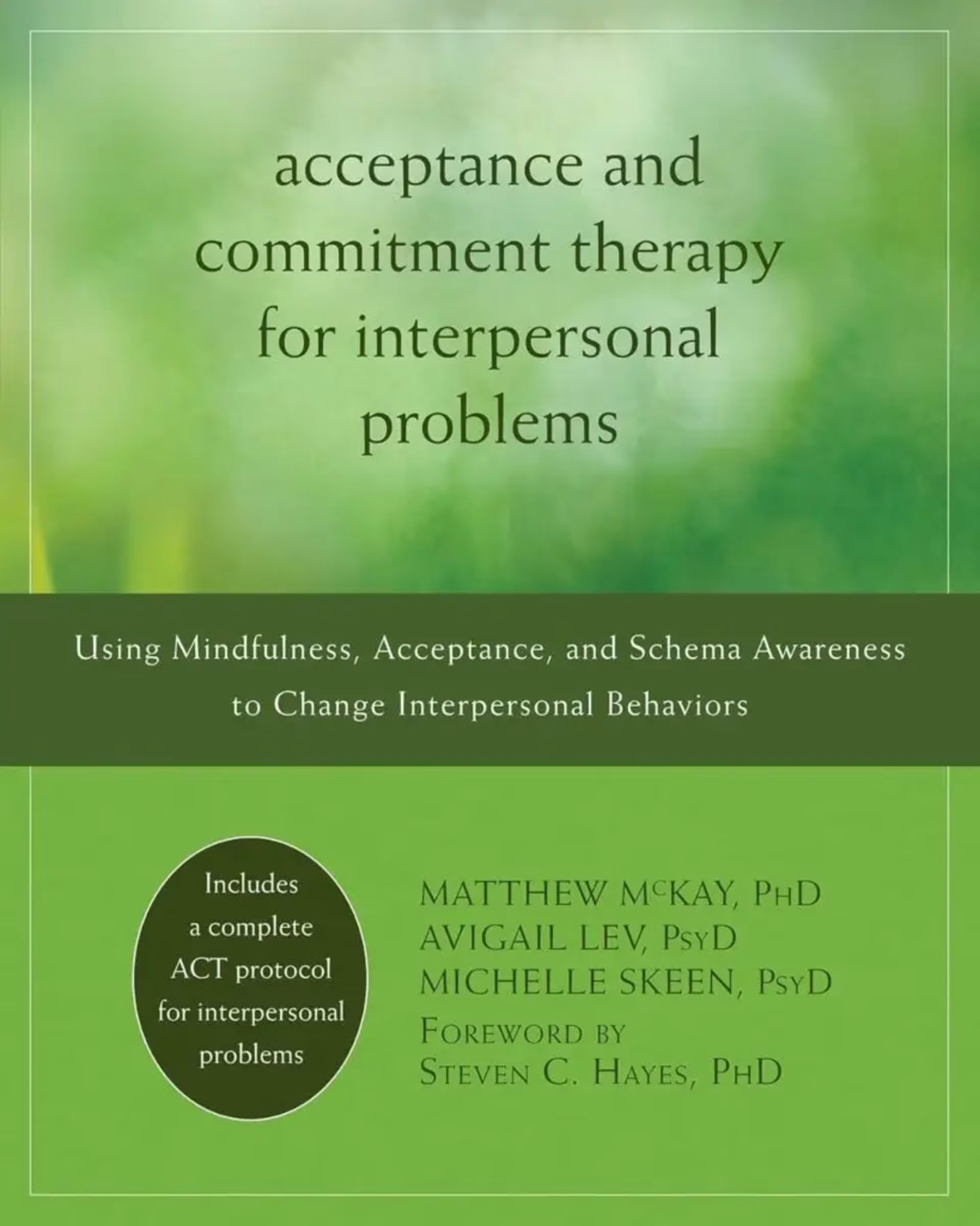
ACT for Interpersonal Problems
Treating the relational schemas underneath repeating patterns
Identify the core beliefs driving insecure relating, interrupt the coping behaviors that keep you stuck, and practice values-based connection: the same method we use in this group.
- Schema-informed ACT for relationship patterns
- Clear link between beliefs, avoidance, and attachment style
- Practical tools you can keep using after group
Anxious, Avoidant, or Disorganized, and Stuck on the Fence
You want closeness and fear it. You can't decide whether to stay or leave. You chase, then pull away, or shut down when someone gets close. Underneath is insecure attachment, and the schemas that keep it running.
- Anxious Attachment
- Avoidant Attachment
- Disorganized Attachment
- Fear of Abandonment
- Fear of Engulfment
- Push–Pull Dynamics
- Relationship Ambivalence
- Commitment Uncertainty
- Relational Trauma
- Protest Behaviors
- Emotional Shutdown
- On-the-Fence Decisions
Attachment Styles Are Schemas + Behaviors, So They Can Change
Most attachment content stops at a quiz result. We treat attachment-based trauma by going to the engine: core beliefs and the schema-avoidant behaviors that protect you from those beliefs lighting up (cling, withdraw, protest, numb, chase, shut down).
Core beliefs (schemas)
Abandonment, mistrust, defectiveness, deprivation, and more.
Automatic reactions
Thoughts, feelings, sensations, and urges fire fast.
Schema-avoidant behaviors
Pursue, reassure-seek, accuse, withdraw, freeze, stay stuck.
= Attachment style
Anxious, avoidant, or disorganized, and it can be changed.
Example
If you have an abandonment schema and you seek excessive reassurance, accuse, or pursue, the other person may pull away, which then "proves" you're abandonable. The belief gets confirmed. We teach you how to interrupt that cycle.
Cognitive Tools
Work with schema-driven thoughts so fear doesn't run the whole decision.
Somatic & Emotional
Stay with hard feelings and body cues instead of acting them out.
Behavioral Practice
New responses when triggers hit, making attachment work concrete and trackable.
Published Method
Built on our ACT and interpersonal schema books, not trend advice.

Take the Relationship Schemas Quiz
Get clear on the beliefs driving your attachment pattern. Our quiz is evidence-based and highly accurate because it measures what you believe about yourself in relationships, not a vague personality label. We've seen tens of thousands of these responses.

Take Our Comprehensive Attachment Quiz
Pair your schema results with a closer look at how you show up in relationships: the interpersonal patterns that keep anxious, avoidant, and disorganized attachment stuck. Bring both results into group or therapy to map a clearer path forward.
Three Insecure Patterns, One Schema-Based Path
Anxious Attachment
Hypervigilance to distance, reassurance seeking, protest when connection feels shaky, often fueled by abandonment schemas.
Avoidant Attachment
Distancing and minimizing needs, often protecting against deprivation, mistrust, or engulfment schemas.
Disorganized Attachment
Wanting closeness and fearing it at once: approach and withdrawal swings rooted in attachment trauma and conflicting schemas.
On the Fence
Ambivalence about staying, leaving, or committing: insecure attachment in motion, not just indecision.

From Attachment Label → Behavioral Change
- Map the schemas behind your attachment style
- Name the avoidant behaviors that keep you stuck
- Interrupt pursue–withdraw and protest spirals
- Clarify values when you're on the fence
- Practice new responses when fear of abandonment hits
- Build more secure relating through weekly skills
How the Insecure Attachment Group Works
Skills plus process: each week you learn a schema or ACT tool, then practice and get feedback, so insecure attachment becomes something you can work with, not just name.

In-Person SF
Live group practice in San Francisco with schema mapping and skills.

Online Across California
Same curriculum via secure video, fully interactive, not passive.

Schema Assessment
Interpersonal Schemas Questionnaire to clarify beliefs and coping moves.
More From Our Clinicians

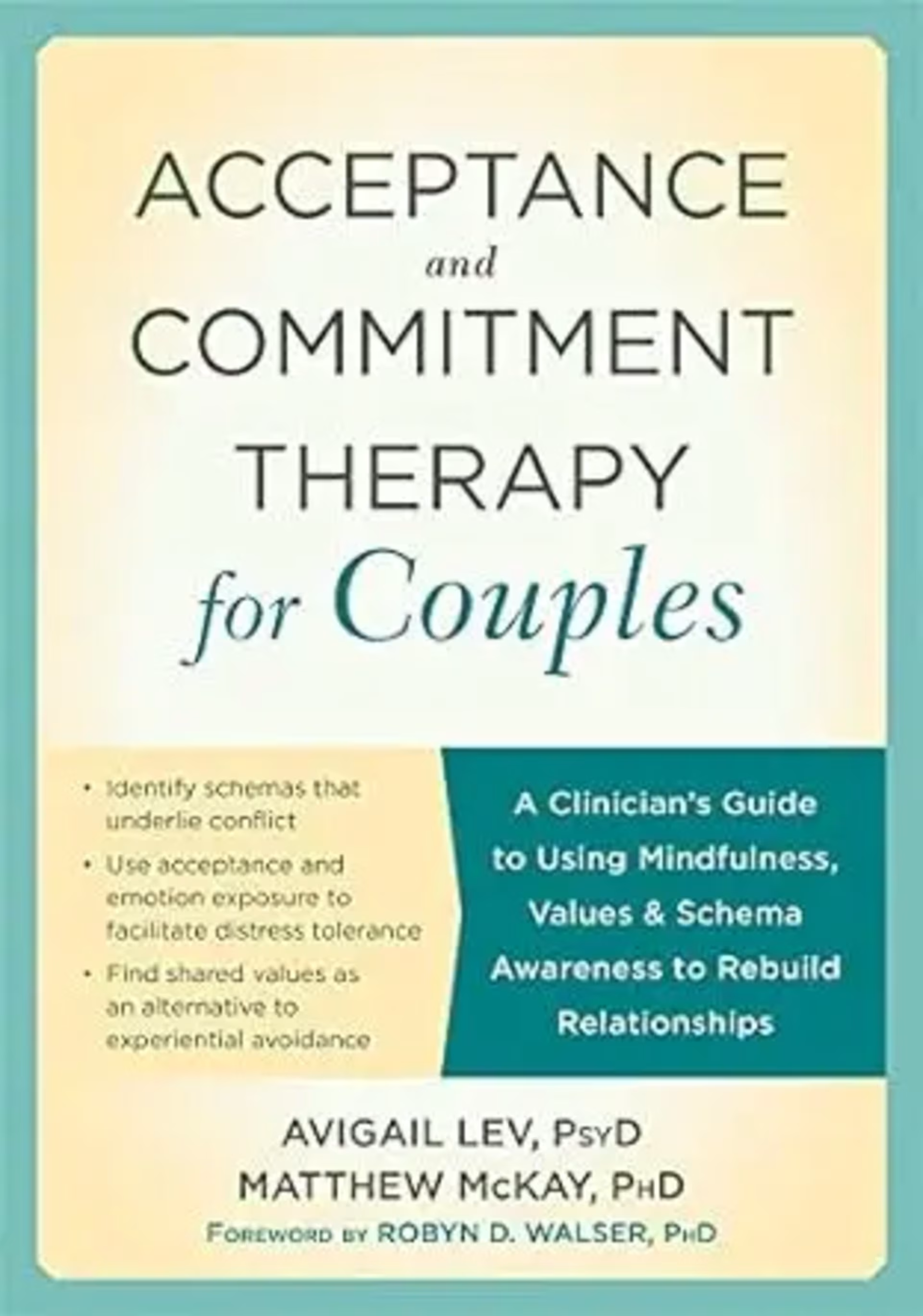



From an Attachment Label to a Method for Change
Typical Attachment Content
- Style quizzes with little next step
- Labels without behavioral targets
- Vague advice to "communicate more"
- Hard to apply when triggered
- Insight that fades under stress
Our Schema-Based Group
- Schemas + avoidance = attachment style
- Attachment trauma via schema work
- Clear weekly behavioral practice
- Grounded in our published books
- In-person SF + online across California
Frequently Asked Questions
Who is this insecure attachment group for?
Adults with anxious, avoidant, or disorganized attachment who feel stuck in push-pull dynamics, relationship ambivalence, fear of abandonment or closeness, or repeating relational trauma patterns. You do not need a partner to join.
How do schemas relate to attachment styles?
In our model, an attachment style is a set of schemas (core beliefs) plus the schema-avoidant behaviors you use to cope. When you can name the beliefs and change the behaviors, attachment becomes treatable with a clear behavioral approach.
How is your approach different from typical attachment content?
A lot of attachment advice stops at labels. We go further: identify limiting beliefs, map the automatic reactions and avoidant behaviors that maintain them, then practice new responses using cognitive, somatic, and ACT-informed tools from our published books.
What does Getting Off the Fence mean?
Sitting on the fence (ambivalence about staying, leaving, or committing) is often insecure attachment in action. This group helps you understand the schemas underneath the indecision and take clearer, values-based steps.
Is the group available in person and online?
Yes. In-person groups in San Francisco and online groups across California via secure video.
Do I need to be in a relationship to join?
No. Many members join while single, dating, separating, or undecided. The work targets your attachment patterns across relationships.
Ready to Change Your Attachment Patterns?
Join our insecure attachment group for anxious, avoidant, and disorganized patterns, in person in San Francisco or online across California.