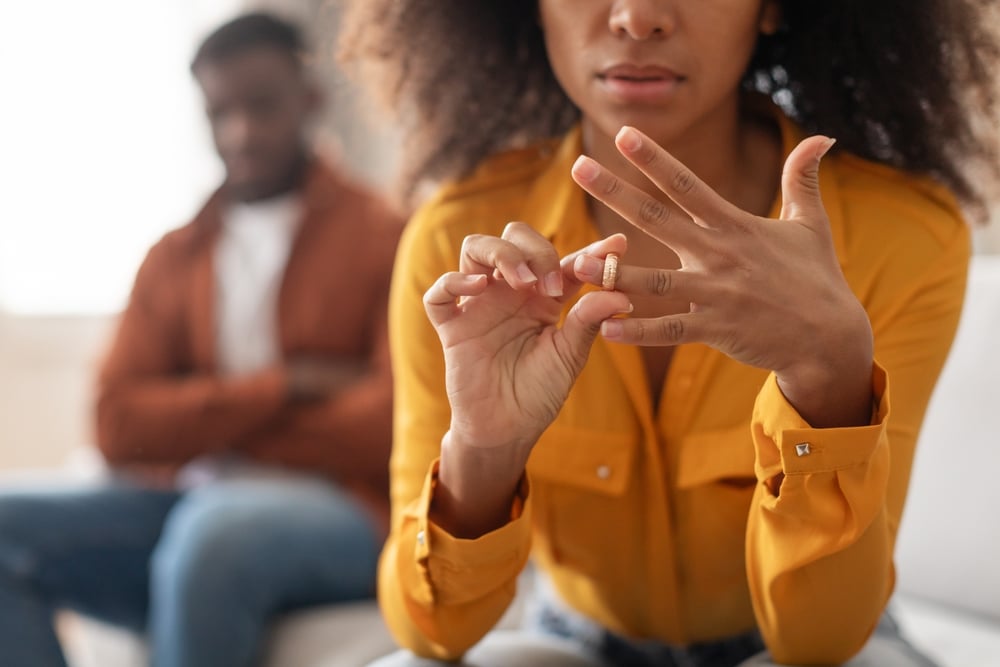
Finding effective couples counseling in Los Angeles can feel overwhelming—there are hundreds of providers, endless approaches, and very little guidance on what actually works. If you and your partner are navigating communication breakdowns, trust issues, or simply feeling stuck, you’re not alone. And you don’t need to wait until things hit rock bottom to get support.
Couples in Los Angeles face unique challenges such as fast-paced careers, long commutes, and cultural diversity.
At Bay Area CBT Center, we offer evidence-based couples therapy to Los Angeles residents. Our therapists in Los Angeles offer both in-person and virtual therapy options to accommodate clients’ needs. Our online therapy is provided through secure, HIPAA-compliant online sessions. Whether you’re in Silver Lake, Santa Monica, Pasadena, or anywhere else in California, you can access the same quality care that has helped couples across the state rebuild trust, reduce conflict, and create lasting change in their relationships. Our team includes marriage counselors and relationship counselors who offer specialized support for couples seeking to rebuild trust and connection.
Couples Counseling in Los Angeles with Bay Area CBT Center
Bay Area CBT Center offers specialized couples counseling for Los Angeles residents via secure online therapy. While our physical offices are located in the Bay Area, we serve couples throughout California—including neighborhoods like Piedmont Avenue, Hayes Valley, West Hollywood, and beyond—through virtual sessions that fit into your life, not the other way around.
Our approach integrates Cognitive Behavioral Therapy (CBT), Emotionally Focused Therapy, Gottman-informed methods, and attachment theory to address the root causes of relationship distress. We don’t believe in one-size-fits-all solutions. Instead, we tailor treatment to your unique needs as a couple, whether you’re working through infidelity, navigating life transitions like a career shift in the entertainment industry, or simply trying to reignite intimacy after years of emotional distance.
Most couples can get an appointment within 7–10 days. We prioritize therapist–couple fit through personalized matching, ensuring you’re paired with a clinician who understands your goals, identities, and schedules. Common reasons LA couples reach out include improving communication, rebuilding trust after betrayals, managing stress from demanding careers, and reconnecting emotionally and physically.
So yes—if you’ve been wondering whether you can access quality couples counseling in Los Angeles with us, the answer is absolutely.
Common Relationship Challenges LA Couples Bring to Counseling
Los Angeles life moves fast. Between long commutes on the 405, demanding careers in entertainment, tech, and healthcare, and the financial stress of one of the country’s most expensive cities, relationships often take the hit. Many couples come to us feeling anxious, disconnected, and unsure how to break out of patterns that have been building for years.
Here are the specific challenges we most commonly see with LA couples:
- Communication breakdowns – Partners talk past each other, arguments escalate quickly, or one person shuts down entirely while the other pursues
- Emotional distance – Feeling like roommates rather than partners, with little meaningful connection beyond logistics
- Recurring unresolved conflicts – The same fights happening over and over without resolution, eroding hope
- Industry-related schedule stress – Film and TV shoots, night shifts, travel for work, or startup founder hours that leave little time for the relationship
- Cross-cultural and interfaith tensions – Different expectations around family, gender roles, parenting, and holidays causing friction
- Blended families and co-parenting – Navigating children from previous relationships, especially when parents live in different parts of the sprawling LA metro
- Intimacy and sex concerns – Mismatched desire, post-baby changes, porn use, or performance anxiety affecting physical connection
- Mental health challenges affecting the relationship – Anxiety, depression, trauma, ADHD, OCD, and bipolar disorder showing up in how partners interact
Many of these issues overlap. A partner feeling anxious about job instability might withdraw emotionally, triggering the other partner’s fear of abandonment. We address both the relationship dynamics and the individual symptoms that fuel them.
How Couples Counseling Helps: From Conflict to Connection
Couples therapy at Bay Area CBT Center is structured, active, and skills-based. Sessions aren’t just about venting or rehashing old arguments—they’re collaborative work sessions where you and your partner learn concrete tools to change how you interact.
We focus on both interaction patterns (like pursuer-withdrawer cycles where one partner chases while the other retreats) and internal experiences (the thoughts, emotions, and trauma responses driving behavior). Using CBT, EFT, and schema therapy, we help couples understand what’s happening beneath the surface of their conflicts.
Key goals in couples therapy include:
- Improving communication so both partners feel heard and understood
- De-escalating conflict before it spirals into destructive arguments
- Rebuilding trust after betrayals, dishonesty, or accumulated hurt
- Increasing emotional and physical intimacy
- Creating shared meaning and vision for your future together
Couples therapy can also help address issues such as communication breakdowns, infidelity, and financial stress.
Concrete skills you’ll practice:
- Using “I statements” to express needs without blame
- Making repair attempts during arguments to prevent escalation
- Implementing structured time-outs when conversations become too heated
- Following fair fighting rules that keep disagreements productive
- Problem-solving routines tailored to your specific recurring issues
Many couples report higher relationship satisfaction and feel happy after attending therapy.
We also integrate mindfulness and somatic techniques—like breathwork and grounding exercises—to help calm the nervous system during heated discussions. When your body is in fight-or-flight mode, productive conversation becomes nearly impossible. These tools help you stay present and regulated, even when emotions run high.
Evidence-Based Approaches We Use with LA Couples
Bay Area CBT Center is known for evidence-based, integrative care. We don’t rely on a single method—we adapt our approach to each couple’s situation, drawing from the most effective therapeutic modalities available.
Here’s what that looks like in session:
- CBT for Couples – We help partners identify and challenge unhelpful beliefs (“They don’t care about me” or “Nothing I do is ever enough”) and create new behavior cycles that reinforce connection rather than conflict. This approach teaches skills for emotional regulation and problem-solving.
- Emotionally Focused Therapy (EFT) – Rooted in attachment theory, EFT slows down reactive moments and helps partners share softer, more vulnerable emotions beneath the anger or withdrawal. Research shows 70-75% of couples move from distress to recovery with EFT, with benefits lasting up to two years.
- Gottman-informed work – Based on over 40 years of research and studies of 3,000+ couples, Gottman methods provide concrete tools for managing conflict, building friendship, creating rituals of connection, and repairing trust. We address patterns like the “four horsemen” (criticism, contempt, defensiveness, stonewalling) that predict relationship breakdown.
- Schema Therapy – For couples where long-standing patterns from family-of-origin experiences keep showing up—like abandonment fears, mistrust, or people-pleasing at the expense of authentic expression—schema therapy helps partners understand and heal these deeper wounds.
We are trauma-informed and may incorporate EMDR, somatic therapy, and mindfulness for couples where PTSD, complex trauma, or chronic stress affect the relationship. LA couples often carry accumulated stress from years of high-pressure careers, and this shows up in their partnerships.
We also offer specialized tracks when appropriate:
-
Discernment counseling: Discernment counseling is for couples who are unsure about staying together and want clarity, structure, and support in deciding next steps
-
Separation-conscious counseling: Separation-conscious counseling is for couples who have decided to end the relationship but want to do so thoughtfully, respectfully, and with professional guidance
-
Sex therapy: Sex therapy is for intimacy concerns, desire discrepancy, and sexual dysfunction, with sex therapy supporting communication and emotional connection
-
Couples retreats: Couples retreats are for partners seeking deeper connection, with couples retreats designed to foster reflection, growth, and long-term relationship health
Types of Relationship Services for Los Angeles Clients
LA-based couples can access multiple relationship-focused services through our online platform, depending on where you are in your relationship journey.
Couples Counseling and Marriage Therapy
Our core offering serves married, engaged, dating, polyamorous, and LGBTQ+ couples. Our clinicians are LGBTQIA+ affirming and sex-positive—you won’t have to educate your therapist about your identity or relationship structure. We create a supportive space where all relationships are treated with respect and clinical expertise.
Premarital Counseling
For LA couples getting married in 2026, premarital counseling helps you align on the topics that matter most: finances, family planning, religion and spirituality, division of household labor, and career paths. Addressing these proactively prevents many of the conflicts that bring couples to therapy later.
Discernment Counseling
When you’re unsure whether to work on the relationship or separate, discernment counseling offers a structured 1-5 session process to gain clarity. This isn’t couples therapy—it’s a decision-making space where each partner can explore their options with professional support.
Relationship Coaching and Executive Couples Work
For high-pressure careers—startup founders, entertainment professionals, medical residents, and entrepreneurs—we offer coaching tailored to work-life boundary challenges and how they impact partnership. This is especially relevant for LA couples navigating demanding industries.
Adjunct Services Supporting the Relationship
We also offer individual therapy, group therapy, anxiety and depression treatment, trauma and PTSD treatment, ADHD support, and ketamine-assisted therapy (where appropriate and legally compliant in California). Sometimes supporting the relationship means addressing individual mental health challenges that are affecting how partners show up for each other.

What to Expect in Your First Couples Counseling Session
It’s completely normal to feel nervous before your first couples therapy session. Many partners worry about being judged, blamed, or put on the spot. We want to reassure you: our therapists are trained to create a balanced, supportive space where both partners feel safe to speak honestly.
Before the first session:
- Complete our online intake forms, including a brief relationship history
- Share your goals and any immediate concerns (like a recent fight or potential separation)
- Get matched with a therapist who fits your identities, goals, and availability
During the first 60-75 minute video session:
- Your therapist will review what brings you in and each partner’s individual goals
- You’ll discuss immediate concerns and establish safety and ground rules
- The therapist will begin mapping common conflict patterns and identifying relationship strengths
- Together, you’ll create a preliminary treatment plan with concrete, measurable goals
Some couples benefit from occasional individual check-ins, but the relationship remains the primary “client.” Your therapist will clarify confidentiality specifics in couple work during the first session—transparency is essential for trust in the process.
Typical frequency is weekly or every-other-week early on. Some LA couples with demanding schedules prefer intensives or short-term, focused work that accelerates progress. We’ll help you find the format that works for your life.
Online Couples Counseling for Los Angeles Residents
Let’s be honest: LA traffic makes getting anywhere together a logistical nightmare. Add in irregular work schedules—call times, night shifts, travel—and finding time for in-person therapy becomes nearly impossible. That’s why online therapy is such a strong fit for Los Angeles couples.
We offer HIPAA-compliant secure video sessions throughout California, allowing you to access quality care from wherever you are.
Benefits of online couples counseling:
- No commute through traffic—save that hour for each other instead
- Easier scheduling around kids’ bedtimes, work demands, and unpredictable hours
- Ability to join from different locations if one partner is traveling or temporarily living elsewhere
- Comfortable home environment that can feel less intimidating than an office
What a typical virtual session looks like:
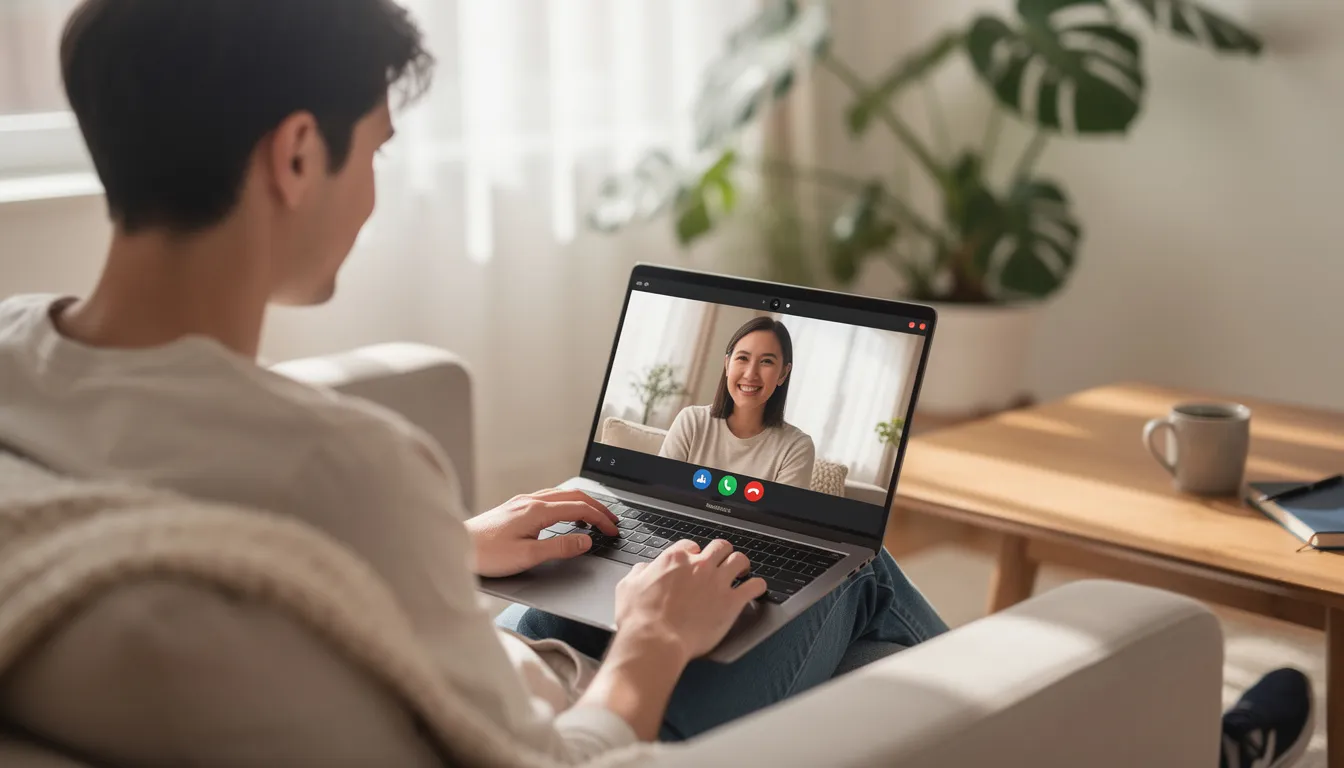
- Both partners join via secure video link on a laptop, tablet, or phone
- Find a private space where you won’t be interrupted (headphones recommended)
- Your therapist provides step-by-step tech guidance if needed—no expertise required
- Sessions run just like in-person: conversation, skill-building, and homework planning
Research consistently shows that online couples therapy is as effective as in-person for communication improvement, conflict resolution, and intimacy work. We can share CBT tools via screen sharing, provide digital handouts, and assign between-session exercises you can access on your devices.
Addressing Mental Health and Trauma Within the Relationship
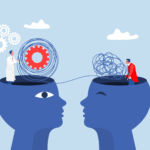
Many LA couples come to us with overlapping mental health challenges—anxiety, depression, trauma, OCD, ADHD, bipolar disorder—that significantly shape how they interact as partners. These aren’t separate from the relationship; they’re woven into it. Therapy can also help with mood regulation, supporting clients in improving their overall mood and emotional well-being.
We coordinate care thoughtfully, sometimes combining couples therapy with individual CBT, DBT, EMDR, or psychiatry referrals when clinically indicated. Our goal is supporting clients holistically, addressing both the relational patterns and the underlying symptoms. Therapy can also focus on building self esteem, confidence, and resilience, helping individuals develop a healthier self-image and stronger coping skills.
Concrete examples of how this shows up:
- A partner with panic attacks avoiding social events, leaving the other feeling isolated and resentful
- Trauma triggers during intimacy that create distance and confusion
- ADHD-related forgetfulness impacting trust and perceived reliability
- Depression in one partner affecting emotional availability and shared activities
- Grief after loss affecting how partners connect and communicate
Our approach is trauma-informed and attachment-aware. We never pathologize one partner or assign blame. Instead, we explore how symptoms and relational patterns influence each other—and how healing one often helps heal the other.
In some cases, we may incorporate mindfulness, somatic strategies, and ketamine-assisted psychotherapy (when appropriate, medically supervised, and compliant with California law) to address treatment-resistant depression or PTSD that strain the relationship.
Specialized Support for Diverse LA Couples
Bay Area CBT Center values cultural humility and social-justice-informed practice. Los Angeles is one of the most diverse cities in the world, and our approach reflects that reality. We serve couples across all backgrounds, identities, and relationship structures.
LGBTQIA+ relationships – Our clinicians are affirming and experienced with the specific challenges queer couples face, from family rejection to internalized homophobia to navigating coming out at different life stages. We also support non-monogamous and polyamorous constellations without judgment.
Sexual identity and expression – Couples navigating kink, BDSM, or questions about sexual identity can explore these topics in a sex-positive, nonjudgmental space. We also offer specialized sex therapy when appropriate.
Intercultural, interracial, and interfaith couples – Extended-family pressures, immigration stress, and differing cultural expectations around gender roles and parenting can create significant tension. We help couples navigate these complexities with compassion and understanding.
Neurodiversity-affirming care – We work with couples where one or both partners are autistic, ADHD, or otherwise neurodivergent. This includes addressing sensory needs, different communication styles, executive functioning challenges, and how neurological differences affect intimacy and daily life.
LA-specific communities we serve include queer couples in West Hollywood, immigrant families in Koreatown and East LA, and tech/creative professionals on the Westside and in the Valley. Whatever your background, you deserve a therapist who understands your context.

Skills and Tools You’ll Learn in Couples Counseling
Sessions at Bay Area CBT Center are active and skills-focused. You won’t just talk about problems—you’ll leave with concrete tools to practice between sessions. Relationship counselors play a key role in teaching these skills and supporting couples’ growth, helping partners improve emotional intimacy, communication, and relationship dynamics. This is where couples therapy work actually happens: in the daily moments when you apply what you’ve learned.
Core skill areas we cover:
|
Skill Category |
What You’ll Learn |
|---|---|
|
Communication |
Active listening, validating your partner, reflective responding, making clear requests without demands |
|
Conflict Management |
Fair-fighting rules, structured problem-solving, de-escalation plans, time-outs, repair attempts |
|
Emotional Regulation |
CBT techniques for managing thoughts, DBT skills like distress tolerance, mindfulness-based practices |
|
Connection Building |
Creating rituals of connection, expressing appreciation daily, co-creating shared goals, renegotiating roles |
Example: A couple reducing weekly fights
One couple came to us with 3-4 major arguments per week, typically escalating around household responsibilities. Through therapy, they implemented scheduled 20-minute weekly check-ins using a structured agenda, practiced “I statements” during disagreements, and used CBT worksheets to challenge the assumption that the other partner “didn’t care.” Within two months, arguments dropped to once or twice a month—and those were resolved more quickly using repair attempts they’d practiced.
These aren’t abstract concepts. They’re teachable skills that create real, measurable change when practiced consistently.
Self-Care and Relationships: Nurturing Yourself While Strengthening Your Partnership
In the journey of building a healthy, lasting relationship, self-care is not just a luxury—it’s essential. When each partner prioritizes their own emotional well-being, they bring greater resilience, empathy, and presence to the relationship. In fact, some of the most meaningful progress in couples therapy and marriage counseling happens when individuals learn to care for themselves as thoughtfully as they care for each other.
Self-care is about more than bubble baths or solo time; it’s about tuning into your own needs, managing stress, and developing emotional regulation skills that help you show up authentically with your partner. Practices like mindfulness, journaling, and meditation can help you process emotions, reduce conflict, and gain clarity about what you need from your relationship. Approaches such as emotionally focused therapy (EFT) and internal family systems (IFS) are especially powerful in this area, guiding you to explore your inner world and build emotional understanding—both with yourself and your partner.
A skilled family therapist or relationship counselor can help you identify self-care strategies that fit your unique needs and life circumstances. In sessions, you’ll learn essential skills like setting healthy boundaries, communicating your needs without guilt, and supporting each other through life transitions. Teaching skills such as active listening, empathy, and self-compassion, couples counseling empowers you to navigate relationship issues with greater ease and confidence.
In a city as dynamic as Los Angeles, CA, the pressures of work, family, and daily life can make it easy to lose sight of your own well-being. That’s why integrating self-care into your routine—whether through individual therapy, shared activities like yoga or nature walks, or simply carving out time for rest—is so important. These practices not only support your own healing and growth, but also create a more supportive space for connection, intimacy, and authentic expression within your partnership.
Couples Counseling vs. Coaching, Retreats, and Intensives
Not sure what level of care you need? Here’s a breakdown of the different formats available to Los Angeles couples.
Couples Therapy (Psychotherapy)
- Provided by licensed marriage and family therapists (LMFTs), LCSWs, psychologists
- Focuses on mental health, emotional well being, and relational patterns
- Can address anxiety, depression, trauma, OCD, and other clinical concerns
- Typically weekly or bi-weekly sessions
- Best for: couples with mental health overlays, trauma history, or deep-seated patterns
Relationship Coaching
- More performance and goal-oriented
- Emphasis on behavior change, accountability, and achieving specific outcomes
- Appropriate when there are fewer acute mental health symptoms
- Best for: high-functioning couples wanting to optimize their relationship
Intensives
- Compressed 2-3 day formats that accelerate progress
- Particularly useful for very busy LA professionals or couples where one partner lives elsewhere
- Can accomplish months of weekly work in a focused weekend
- Best for: couples needing rapid progress or struggling to maintain weekly consistency
Retreats
- Bay Area CBT Center offers mental health and relationship retreats
- Combines therapy with wellness activities in a dedicated setting
- Best for: couples wanting immersive healing experiences
We help couples decide what level of care fits their current needs, and plans can adjust over time. Someone might start with intensive work and transition to monthly maintenance sessions, or begin with coaching and realize they need deeper therapeutic support.
How to Choose the Right Couples Therapist in Los Angeles
Los Angeles has a dense therapy market with over 500 providers listing couples work. With so many options, it’s easy to feel overwhelmed. Here’s what actually matters when selecting the right couples therapist for your relationship.
Criteria to consider:
- Licensure and specialized training – Look for licensed marriage and family therapists (LMFTs), LCSWs, PsyDs, or PhDs with specific training in couples modalities like EFT, Gottman, or CBT. A relationship counselor who only lists “couples” without specialized training may not have the depth you need. Marriage counselors often provide tailored, holistic, and mindfulness-based therapy for couples, drawing on their expertise to foster deeper emotional, physical, and spiritual healing.
- Experience with your specific concerns – Have they worked with infidelity? Blended families? Trauma? Sex issues? Neurodivergence? Ask directly about their experience with your situation.
- Cultural competence – For LGBTQIA+ couples, intercultural relationships, or any identity-specific concerns, ensure the therapist is affirming and knowledgeable—not just “open-minded.”
- Sex-positive stance – If intimacy concerns are part of what you’re bringing, you want someone comfortable discussing sex directly and without judgment.
Questions to ask potential therapists:
- What couples-specific training do you have?
- How do you handle high-conflict sessions?
- Do you use homework and between-session exercises?
- How do you track progress and measure outcomes?
- What’s your approach if one partner is more ambivalent about therapy?
At Bay Area CBT Center, we offer a brief consultation and personalized therapist matching to increase the chance of a strong therapeutic alliance from the start. We’ve seen how much fit matters—the right match accelerates progress significantly.
Getting Started with Couple Counseling in Los Angeles at Bay Area CBT Center

Reaching out for couples counseling takes courage, especially when you’re hurting or feeling ambivalent about your relationship. At Bay Area CBT Center, we’re here to guide you through this process with compassion and expertise tailored specifically to Los Angeles couples.
Here’s how to get started with Bay Area CBT Center:
- Take the Emotional Reactivity Questionnaire to understand your emotional responses and gain insight for improved mental health.
- Visit our website and complete the confidential online intake form designed for California residents.
- Request couples counseling in Los Angeles so we can connect you with our licensed clinicians experienced in addressing LA-specific stressors like demanding careers, cultural diversity, and blended families.
- Schedule a 15-20 minute phone or video consultation with one of our relationship counselors to discuss your unique goals, availability, and any questions you may have.
Bay Area CBT Center emphasizes early intervention because couples who seek help sooner often experience faster and more lasting improvements. You don’t have to wait until things feel hopeless to benefit from our evidence-based approach.
Whether you’re facing trust issues, communication challenges, mental health concerns, or simply feeling disconnected, our specialized team walks alongside you every step of the way. Many couples who began their journey with us now describe their relationships as stronger and more fulfilling than ever.
You deserve a relationship where you feel truly heard, valued, and connected. At Bay Area CBT Center, we’re committed to helping you create that reality together.