EMDR Therapy in SF
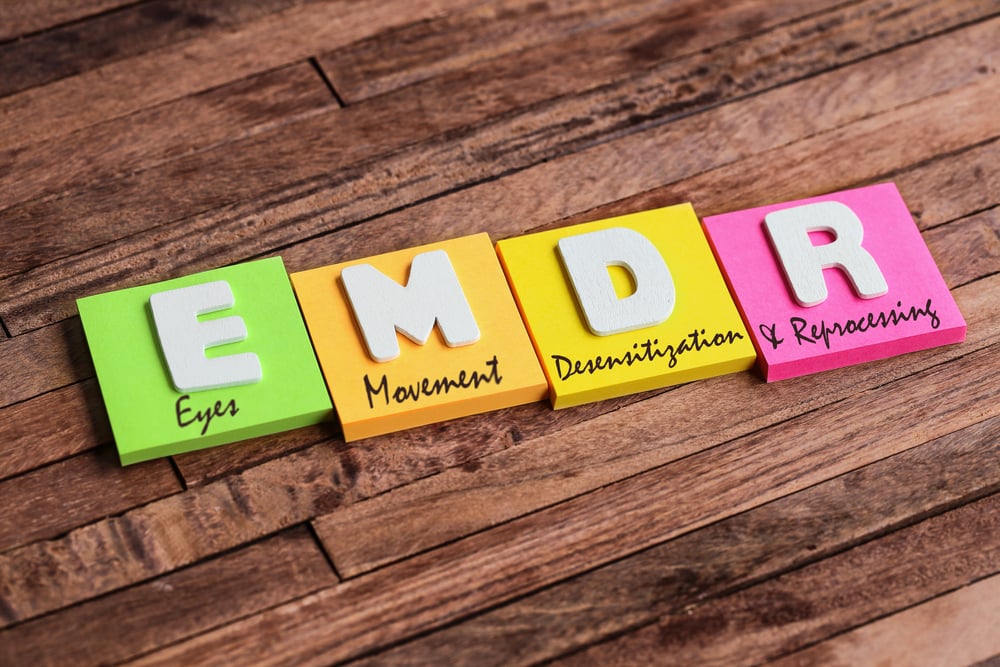
Are you curious about finding EMDR therapy in SF? Eye movement desensitization and reprocessing (EMDR) therapy is a structured, evidence-based psychotherapy that helps people heal from the emotional distress caused by traumatic experiences. Whether you’re dealing with a single overwhelming event or years of accumulated stress, EMDR therapy works by helping your brain reprocess stuck memories so they no longer hijack your present life. In San Francisco—a city defined by fast-paced careers, competitive industries, and the daily pressures of urban living—more people are turning to EMDR to address trauma, PTSD, anxiety, and depression that traditional talk therapy alone hasn’t fully resolved.
At Bay Area CBT Center, we offer EMDR therapy in San Francisco and throughout California, both in-person and online. Our trauma informed care approach combines EMDR with cognitive behavioral therapy, mindfulness, and somatic techniques to create lasting change. The World Health Organization and the U.S. Department of Veterans Affairs recognize EMDR as a frontline treatment for post traumatic stress disorder, making it one of the most validated therapeutic approaches available today.
Clients who come to us often describe symptoms like:
- Panic attacks on BART or in crowded spaces
- Chronic work-related burnout from tech or healthcare careers
- Intrusive memories from car accidents, medical procedures, or childhood experiences
- Difficulty sleeping, concentrating, or feeling safe in relationships
- A sense of being “stuck” despite years of therapy
If any of these resonate, you’re not alone—and effective help is available.

What Is EMDR Therapy? (Eye Movement Desensitization and Reprocessing)
EMDR therapy is a structured, eight-phase psychotherapy that uses bilateral stimulation—typically side-to-side eye movements, alternating taps, or audio tones—to help the brain reprocess traumatic memories. Developed by psychologist Francine Shapiro in 1987 and formally introduced in 1989, EMDR has been extensively researched for over three decades and is now considered one of the most effective treatments for trauma related symptoms.
What makes EMDR therapy unique is how it engages the brain’s natural information-processing system. The bilateral stimulation techniques used in sessions appear to activate mechanisms similar to what happens during REM sleep, when the brain naturally consolidates and integrates daily experiences. Unlike traditional talk therapy, EMDR doesn’t require you to describe your trauma in graphic detail or complete extensive homework assignments between sessions.
Key facts about EMDR:
- EMDR is an evidence-based treatment recognized by major health organizations worldwide
- The therapeutic approach involves eight distinct phases, from history-taking to reevaluation
- Bilateral stimulation can include eye movements, tapping, or auditory tones
- Clients remain fully awake, aware, and in control throughout the therapeutic process
- Many people experience significant relief faster than with talk therapy alone
How EMDR Therapy Works: Healing Traumatic Memories
When trauma occurs, the brain’s normal processing system can become overwhelmed. Instead of being stored as a coherent memory from the past, the experience gets “frozen” in the nervous system—complete with the original images, emotions, physical sensations, and negative beliefs. This is why a sound, smell, or situation can suddenly transport you back to feeling exactly as you did during the traumatic event, even years later.
EMDR therapy works directly with how these distressing memories are stored in the brain. Through bilateral stimulation, the therapy helps unlock and reprocess stuck memories so they can be integrated into your broader life narrative. The goal isn’t to erase what happened, but to transform how the memory is experienced—shifting it from “this is happening now” to “this happened in the past, and I survived.”

Consider a San Francisco cyclist who witnessed a serious accident at an intersection in 2020. Every time she approaches that corner, her heart races, her hands grip the handlebars, and she feels the urge to turn around. Despite knowing intellectually that she’s safe, her body reacts as if danger is imminent. Through EMDR sessions, she processes the original memory, allowing her nervous system to recognize that the threat has passed. Gradually, she regains the ability to ride through that intersection with calm and confidence.
How the process feels for clients:
- You remain fully present and in control—EMDR is collaborative, not hypnotic
- Processing happens in short sets (typically 30 seconds of bilateral stimulation)
- Between sets, you briefly share what emerged: images, thoughts, emotions, or body sensations
- The therapist guides the process without interpreting or directing your experience
- Many clients describe feeling lighter, clearer, or more grounded after sessions
The 8-Phase EMDR Treatment Process
EMDR follows an eight-phase protocol standardized by EMDRIA (the EMDR International Association) and used by trauma therapists in San Francisco and around the world. At Bay Area CBT Center, our therapists follow these phases while integrating CBT, mindfulness, and somatic awareness when helpful. Safety and pacing are core themes across all eight phases—your therapist will never push you faster than you’re ready to go.
Phase 1 (History Taking): The therapist gathers information about your life, trauma history, current symptoms, and goals for treatment. Together, you identify specific memories, current triggers, and the negative beliefs that may be driving your distress.
Phase 2 (Preparation): You learn grounding and regulation skills such as diaphragmatic breathing, safe-place visualization, and self-soothing techniques. The therapist explains exactly what EMDR will look like—whether using a light bar, alternating taps, or audio tones.
Phase 3 (Assessment): You and your therapist select a target memory and identify its components: the most distressing image, the negative belief attached to it, the desired positive belief, and your current level of emotional distress.
Phase 4 (Desensitization): While focusing on the target memory, you follow bilateral stimulation. After each short set, you report what comes up—images, thoughts, emotions, or physical sensations—without judgment or analysis.
Phase 5 (Installation): The therapist helps strengthen your desired positive belief (such as “I did the best I could” or “I’m safe now”) through continued bilateral stimulation until it feels true in your body.
Phase 6 (Body Scan): You scan your body for any residual tension or activation related to the memory. If physical sensations remain, additional EMDR processing clears them.
Phase 7 (Closure): Every session ends with grounding and stabilization. You leave feeling centered, not emotionally flooded.
Phase 8 (Reevaluation): At the start of each subsequent session, you and your therapist review changes in symptoms, triggers, and beliefs, adjusting the treatment plan as needed.
Phases 1–2: History Taking & Preparation
The first phase of EMDR therapy focuses on understanding your unique story. During history taking, your therapist learns about your life circumstances, past trauma, current symptoms, and what you hope to achieve through treatment. Goals might include being able to ride Muni calmly, sleeping through the night without nightmares, or feeling safer in intimate relationships.
Together, you’ll collaboratively map out “targets” for EMDR: specific memories that still carry emotional charge, current triggers that activate your distress, and underlying negative beliefs like “I’m not safe” or “It was my fault.” This phase creates a roadmap for the processing work ahead.
In Phase 2, preparation, you develop coping skills and resources to help you stay grounded during EMDR processing. Techniques might include:
- Diaphragmatic breathing to calm the nervous system
- Safe-place visualization for internal stability
- “Butterfly hug” tapping for self-soothing between sessions
- Container exercises to temporarily set aside overwhelming material
Your therapist also explains exactly what EMDR will look like in your sessions—whether in-person or online—so you know what to expect. For San Francisco clients juggling demanding tech jobs, caregiving responsibilities, or housing instability, this preparation phase ensures you have the internal resources to engage safely with trauma material.
Phases 3–6: Assessment, Desensitization, Installation & Body Scan
These phases represent the active processing heart of EMDR treatment. This is where the deep healing happens.
Phase 3 (Assessment): You and your therapist select a target memory and identify several key components. You’ll pinpoint the most distressing image, the negative belief it triggers (such as “I’m powerless” or “I’m worthless”), and a desired positive belief you’d like to feel instead (like “I can protect myself” or “I have value”). You’ll rate your emotional intensity on the SUDS scale (Subjective Units of Distress, 0-10) and how true the positive belief feels on the VOC scale (Validity of Cognition, 1-7).
Phase 4 (Desensitization): While holding the target memory in mind, you follow bilateral stimulation—tracking the therapist’s fingers, watching a light bar, feeling alternating taps, or listening to audio tones. After each 30-second set, you briefly report whatever emerged: new images, thoughts, emotions, or body sensations. The process continues until your distress level drops significantly, often to 0.
Phase 5 (Installation): Once the negative charge has cleared, your therapist helps strengthen the positive belief you identified earlier. Continued bilateral stimulation helps install statements like “I survived and I’m strong” or “It wasn’t my fault” until they feel genuinely true.
Phase 6 (Body Scan): Trauma often lives in the body as much as the mind. You’ll scan from head to toe for any lingering tension—perhaps a tight chest, clenched jaw, or queasy stomach. If physical sensations remain, additional EMDR processing helps clear them.
Many clients notice significant relief during these phases, sometimes within the first few sessions for single-incident trauma. The experience of watching emotional distress dissolve can feel surprising, even profound.
Phases 7–8: Closure & Reevaluation
Phase 7 (Closure): Every EMDR session ends with grounding and stabilization, ensuring you leave feeling more centered rather than emotionally overwhelmed. Your therapist may guide you through brief mindfulness exercises, resourcing techniques, or guided imagery to help you transition back to daily life. You’ll also discuss self-care strategies for the hours and days following the session.
Phase 8 (Reevaluation): At the beginning of each subsequent session, you and your therapist review what’s shifted since your last meeting. Have symptoms decreased? Are triggers less activating? Have new memories or associations surfaced? This reevaluation process can reveal related memories or triggers that become future EMDR targets, which is especially common when processing complex trauma.
Throughout these final phases, your therapist remains attentive to your safety and readiness. EMDR is always paced to match your capacity—you’re never pushed to process more than you can handle.

What EMDR Therapy in SF Can Help With
EMDR therapy at Bay Area CBT Center addresses both “big T” traumas (assaults, accidents, natural disasters) and “small t” traumas (chronic criticism, emotional neglect, workplace bullying). Many clients struggle with symptoms they’ve carried for years, often without realizing that unresolved trauma is at the root.
Conditions and concerns EMDR can help with:
- Post traumatic stress disorder (single-incident and complex trauma)
- Panic attacks and panic disorder
- Social anxiety and performance anxiety
- Phobias (driving over the Bay Bridge, flying from SFO, medical procedures)
- Depression and persistent low mood
- Grief and complicated loss
- Medical trauma from surgeries, diagnoses, or hospital experiences
- Attachment wounds and relationship patterns
- Eating disorders with trauma components
- Obsessive compulsive disorder (as part of comprehensive treatment)
San Francisco-specific stressors our clients often bring:
- Tech industry layoffs and job instability
- Immigration-related stress and fear
- High-pressure academic environments at UCSF, Stanford, or Berkeley
- Experiences of discrimination based on race, gender, sexuality, or identity
- Burnout from caregiving while managing demanding careers
- Trauma from the pandemic, wildfires, or housing insecurity
At Bay Area CBT Center, EMDR is often integrated with CBT, DBT skills, and mindfulness to address anxiety, mood disorders, and complex presentations comprehensively.
Trauma, PTSD, and Complex Trauma
Single-incident PTSD might develop after a discrete event—a 2019 car accident on Highway 101, a mugging in the Tenderloin, or witnessing a violent incident. Complex trauma, by contrast, results from prolonged or repeated experiences: childhood abuse, emotionally unavailable caregivers, intergenerational trauma, or years in a toxic work environment.
Both types respond to EMDR, though they require different approaches. Single-incident trauma may resolve within 3-8 EMDR sessions after preparation. Complex trauma often requires more extensive work, with careful pacing and additional preparation. Many clients with complex trauma benefit from combining EMDR with schema therapy or internal family systems work to address the deep-seated patterns that developed as survival strategies.
EMDR helps reduce the hallmark symptoms of PTSD:
- Flashbacks and intrusive memories
- Nightmares and sleep disturbances
- Startle responses and hypervigilance
- Emotional numbing and avoidance
- Feeling constantly “on edge” in everyday life
For San Francisco residents, this might mean walking home at night without scanning for danger, commuting to work without panic, or finally feeling safe in intimate relationships.
Example: A 34-year-old software engineer came to Bay Area CBT Center after years of childhood trauma left her struggling with chronic anxiety, difficulty trusting partners, and a persistent belief that she was fundamentally “too much.” Through EMDR, she reprocessed key memories of emotional neglect and criticism, gradually replacing the negative beliefs with more balanced, compassionate perspectives. After several months of treatment, she reported feeling lighter, more confident in relationships, and finally able to experience profound healing from wounds she’d carried since childhood.
Anxiety, Panic, and Performance Stress
Many anxiety symptoms have roots in past experiences that the brain hasn’t fully processed. A presentation that went badly years ago might fuel ongoing public speaking terror. A childhood incident of humiliation could drive social anxiety decades later. EMDR targets these root experiences, reducing the automatic fear responses that fire in specific situations.
For San Francisco clients, this might look like:
- Processing the memory behind panic attacks in crowded Muni cars
- Addressing past trauma that makes flying from SFO feel impossible
- Working through experiences of professional humiliation that fuel performance anxiety
- Reducing emotional distress triggered by medical appointments
At Bay Area CBT Center, we often combine EMDR with behavioral therapy strategies like gradual exposure, helping clients both reprocess past trauma and build confidence through new experiences. The result is reduced emotional distress and greater emotional freedom in situations that once felt overwhelming.
Depression, Self-Esteem, and Relationship Patterns
Chronic depression and low self-esteem often trace back to early experiences of rejection, bullying, critical caregivers, or emotional neglect. These experiences install negative beliefs—“I’m unlovable,” “I’ll never be good enough,” “Nothing will ever work out”—that color how you see yourself and your possibilities.
EMDR helps reprocess these formative memories, allowing new, more balanced beliefs to emerge. Clients often report:
- More energy and motivation
- Less rumination and self-criticism
- Greater openness to healthy relationships
- Reduced patterns of choosing unavailable partners or staying in toxic situations
For those who keep repeating painful relationship patterns, EMDR can address the childhood trauma or attachment wounds that drive these choices. At Bay Area CBT Center, we integrate EMDR with couples therapy and attachment-based approaches when relationship trauma is central to a client’s concerns.
EMDR Therapy at Bay Area CBT Center: Our Approach
Bay Area CBT Center is a San Francisco-based practice offering EMDR therapy across the Bay Area and all of California via telehealth. We specialize in evidence based practices—CBT, DBT, EMDR, mindfulness, and schema therapy—tailoring treatment to each client’s unique goals, background, and preferences.
Our therapeutic approach focuses on both immediate symptom relief (fewer panic attacks, better sleep, reduced intrusive thoughts) and deeper shifts in beliefs, behaviors, and nervous system regulation. We believe lasting change comes from addressing root causes, not just managing symptoms.
What distinguishes our approach:
- Collaborative treatment planning: You’re an active partner in your healing journey
- Non-pathologizing language: We focus on strengths and resilience, not labels
- Cultural responsiveness: We honor diverse identities and lived experiences
- Integration of modalities: EMDR combined with CBT, mindfulness, and somatic techniques
- Flexibility: In-person and online options to fit your life
Unlike large corporate therapy platforms, we prioritize depth over volume—matching you with a therapist who truly fits your needs rather than assigning whoever’s available.
Integrating EMDR with CBT, Mindfulness, and Somatic Work
At Bay Area CBT Center, EMDR rarely happens in isolation. Our therapists weave together multiple therapeutic techniques to create comprehensive, personalized treatment.
CBT integration: Cognitive-behavioral strategies help you identify and challenge distorted thoughts, build coping strategies, and practice new behavioral patterns. After EMDR processing, CBT skills help consolidate gains and prevent relapse.
Mindfulness practices: Body awareness and present-moment focus stabilize the nervous system before and after EMDR processing. Mindfulness also enhances self-compassion, helping you relate to difficult emotions with greater kindness.
Somatic techniques: Trauma lives in the body, not just the mind. Tracking physical sensations, grounding in the body, and gentle movement help release trauma stored physically. Many clients find that somatic awareness deepens their EMDR processing.
A typical integrated session might include:
- Check-in and nervous system regulation assessment
- Brief CBT skill practice (e.g., challenging a worry thought)
- EMDR processing set with bilateral stimulation
- Grounding and body scan
- Debrief and planning for the week ahead
This flexible, integrative model allows us to meet you where you are and adapt as your needs evolve.
Who Our EMDR Therapists Are
Bay Area CBT Center’s EMDR therapists are licensed clinicians—psychologists, LMFTs, LCSWs, and LPCCs—with advanced EMDR training and ongoing consultation. Most have completed EMDRIA-approved training programs and continue their education through workshops, peer consultation, and supervision.
Our therapists bring expertise in areas that matter to Bay Area clients:
- Complex trauma and childhood trauma
- Medical trauma and health anxiety
- OCD, bipolar disorder, and ADHD
- Sex and relationship therapy
- Executive coaching and career transitions
- Culturally responsive care for LGBTQ+, BIPOC, and immigrant communities
What clients consistently tell us is that our therapists are down-to-earth, warm, and transparent about the process. They explain what’s happening and why, answer questions honestly, and adjust their approach based on your feedback. The therapeutic relationship is collaborative—you’re never talked at or analyzed from a distance.
In-Person and Online EMDR Therapy in San Francisco
Bay Area CBT Center offers EMDR therapy both in-person at our San Francisco location and online for clients anywhere in California. This flexibility means you can access trauma-focused care regardless of where you live or how packed your schedule is.
In-person EMDR takes place in a comfortable, private office setting. Many clients appreciate the contained space and in-room bilateral stimulation tools like light bars.
Online EMDR uses secure video platforms with adapted bilateral stimulation methods: on-screen visual cues, audio tones through headphones, or self-administered tapping (like the butterfly hug). Research and clinical experience confirm that virtual EMDR can be as effective as in-person for many clients.

|
Feature |
In-Person EMDR |
Online EMDR |
|---|---|---|
|
Location |
SF office |
Anywhere in California |
|
Bilateral stimulation |
Light bar, tactile buzzers |
Visual cues, audio, self-tapping |
|
Best for |
Clients who prefer contained space |
Busy professionals, parents, those outside SF |
|
Flexibility |
Standard office hours |
Often more scheduling options |
|
Research support |
Extensive |
Growing and positive |
Both formats maintain the same eight-phase protocol and the same commitment to safety and pacing.
Is Virtual EMDR Therapy Right for You?
Virtual EMDR works well for many clients, but it does require some preparation. Consider whether you have:
- Stable, reliable internet connection
- A private space where you won’t be interrupted
- Comfort with video-based sessions
- Basic ability to self-soothe between sessions
If you live outside San Francisco—in Oakland, San Jose, Sacramento, San Diego, or anywhere else in California—telehealth EMDR at Bay Area CBT Center makes evidence-based trauma therapy accessible without travel.
Your therapist will help you set up a safe environment for sessions:
- Comfortable seating and minimal distractions
- Tissues, water, and anything else that helps you feel grounded
- Post-session downtime planned (avoid scheduling stressful activities immediately after)
- Emergency contacts and crisis resources identified
Safety planning is especially important for online trauma work. Before beginning EMDR processing, you and your therapist will identify support people, discuss coping strategies for between sessions, and ensure you have access to crisis resources if needed.
What to Expect in Your First EMDR Sessions
Your first 1-3 appointments focus on building a foundation for safe, effective processing. Here’s what typically happens:
Session 1-2: Comprehensive intake and history gathering. Your therapist learns about your background, symptoms, past treatment experiences, and goals. You discuss what brought you to therapy in san francisco and what you hope will be different.
Session 2-3: Preparation and skill-building. You learn grounding and regulation techniques, discuss how EMDR works, and practice bilateral stimulation so it feels familiar. Your therapist explains the eight phases and answers any questions.
When processing begins: Direct trauma processing typically doesn’t start until you feel safe, informed, and adequately resourced. There’s no set timeline—some clients are ready after 2-3 sessions, others need more time.
Common worries we address:
- “What if I get overwhelmed?” → EMDR is paced to your capacity; you can slow down or stop anytime
- “Will I have to talk about everything in detail?” → Unlike traditional talk therapy, EMDR doesn’t require graphic retelling
- “What if it opens Pandora’s box?” → Your therapist helps you contain and process material safely
- “I don’t know if my trauma is ‘bad enough’” → EMDR helps with both major traumas and smaller wounds that still carry charge
Many people feel nervous before starting EMDR therapy, and that’s completely understandable. Your therapist will meet you where you are.
How Many EMDR Sessions Will You Need?
Treatment length varies significantly based on your unique situation. Here are general ranges:
|
Type of Trauma |
Typical Session Range |
Notes |
|---|---|---|
|
Single-incident trauma |
3-8 sessions (after prep) |
Car accidents, discrete events |
|
Multiple related traumas |
8-15 sessions |
Several incidents over time |
|
Complex/developmental trauma |
Several months to 1+ year |
Childhood abuse, chronic neglect |
Factors that influence treatment length:
- Number of traumatic experiences
- Age when trauma occurred
- Current stress load and life stability
- Strength of support system
- Co-occurring conditions (OCD, bipolar disorder, eating disorders)
- Previous therapy and coping skills
At Bay Area CBT Center, we prioritize lasting change over quick fixes. Your treatment plan will be developed collaboratively, with regular check-ins to assess progress and adjust as needed.
Many clients notice meaningful shifts earlier than they expected. EMDR often produces results faster than traditional talk therapy alone because it works directly with how traumatic memories are stored in the brain, rather than relying solely on conscious insight and discussion.
EMDR Intensive Therapy Options in San Francisco
For some clients, weekly 50-minute sessions aren’t the ideal format. EMDR intensives offer an alternative: longer or more frequent sessions (3-6 hours in a day, or multiple consecutive days) designed for deeper, more focused processing trauma work.
Bay Area CBT Center offers customized EMDR intensives for:
- Clients with complex trauma who want accelerated progress
- Professionals with limited weekly availability (executives, healthcare workers, attorneys)
- People preparing for major life transitions (wedding, career change, new baby)
- Those traveling to San Francisco specifically for trauma treatment
- Young adults preparing for college or entering the workforce
How intensives differ from weekly therapy:
|
Aspect |
Weekly Sessions |
EMDR Intensives |
|---|---|---|
|
Session length |
50-90 minutes |
3-6 hours |
|
Frequency |
Once weekly |
Multiple hours/days consecutively |
|
Processing depth |
Gradual over months |
Concentrated in short timeframe |
|
Best for |
Steady progress, ongoing support |
Accelerated healing, busy schedules |
|
Preparation |
Standard |
Enhanced pre-assessment and aftercare |
Intensives incorporate regular breaks, grounding practices, and detailed pre- and post-assessment to ensure safety and integration. Many clients find that concentrated EMDR work allows them to make breakthroughs that might take much longer with standard weekly pacing.
Adjunct EMDR for Clients with an Existing Therapist
Already working with a therapist you trust? Adjunct EMDR at Bay Area CBT Center provides targeted trauma processing while you continue your primary therapeutic relationship elsewhere.
This model works well when:
- Your current therapist doesn’t offer EMDR
- You’ve hit a “stuck point” that talk therapy alone hasn’t shifted
- You want to address a specific trauma without changing your overall treatment
- Your therapist recommends EMDR as a complement to your ongoing work
With your consent, our EMDR therapist can coordinate with your primary therapist to ensure treatment stays aligned. The goal is collaboration, not replacement—we respect the work you’ve already done and the relationship you’ve built.
Many family therapist or psychodynamic therapy practitioners refer clients for adjunct EMDR when processing trauma feels necessary but outside their primary modality.
Is EMDR Therapy Right for You?
EMDR might be a good fit if you experience:
- Recurring distressing memories that intrude without warning
- Feeling stuck despite previous therapy
- Intense reactions to specific triggers (places, sounds, situations)
- A history of trauma that still feels “raw” rather than resolved
- Negative beliefs about yourself that don’t shift despite intellectual understanding
- Physical sensations (tension, nausea, racing heart) connected to past events
- Difficulty moving forward from grief, loss, or painful relationship experiences
EMDR can be adapted for many mental health concerns, but it may not be appropriate in certain situations without additional stabilization—for example, active substance withdrawal or immediate suicidality without adequate support. In these cases, building safety and stability comes first.
If you’re unsure whether EMDR is right for you, a consultation can help clarify. You’re never expected to commit before understanding the approach and feeling genuinely ready.
At Bay Area CBT Center, we tailor EMDR to each person’s cultural background, values, and comfort level. Some clients want to process quickly; others need extensive preparation. Some prefer structured protocols; others benefit from more somatic techniques integration. Your treatment will reflect who you are and what you need.
Getting Started with EMDR Therapy at Bay Area CBT Center
Ready to start EMDR therapy in san francisco or anywhere in California? Here’s how to begin:
- Reach out: Call Bay Area CBT Center at 415-941-5373, email Info@BayAreaCBTcenter.com, or complete the online contact form
- Speak with our care team: A care coordinator responds within 24-48 hours to discuss your needs and answer initial questions
- Get matched: Based on your concerns, preferences, and scheduling needs, we’ll recommend an EMDR therapist who’s a strong fit
- Schedule your first session: Choose in-person in San Francisco or online from anywhere in California
- Begin your healing journey: Your therapist guides you through intake, preparation, and—when you’re ready—processing
We work to accommodate scheduling preferences including evenings and weekends where available. Fees and insurance options are discussed transparently during your initial contact.

Questions to Bring to Your Consultation
Your consultation is an opportunity to learn more about EMDR and determine whether Bay Area CBT Center is the right fit. Questions you might ask include:
- What is your training and experience with EMDR?
- How will EMDR be integrated with other approaches like CBT or mindfulness?
- What’s the typical pacing for someone with my concerns?
- How do you handle safety and overwhelm during processing?
- Is online EMDR an option if my schedule or location changes?
- Do you offer intensive formats?
- What should I expect in terms of timeline for my goals?
It’s completely okay if you don’t know exactly what you need—exploring that is part of the consultation. Bay Area CBT Center welcomes people at all levels of familiarity with therapy, from those seeking their first experience profound healing to those who’ve tried multiple approaches before.
Healing from trauma is possible. It often takes less time than people expect. And you don’t have to do it alone. Whether you’re dealing with a recent accident, long-buried childhood wounds, or the cumulative weight of life’s challenges, EMDR therapy offers a path toward deep healing and well being.
The first step is reaching out. Contact Bay Area CBT Center today to schedule your consultation and begin reclaiming your life from the grip of past trauma.