EMDR Therapy in San Francisco, CA
Find the Right EMDR Therapist for You
Our EMDR therapists offer evidence-based healing for PTSD, trauma, anxiety, and depression—in-person in the Bay Area or virtually across all of California.




Our Approach
Healing Is Possible—Right Here in the Bay Area
If you're struggling with PTSD, anxiety, depression, or unresolved trauma, EMDR therapy in San Francisco, CA may be just the path you need to experience profound healing beyond traditional talk therapy. Our evidence-based treatment offers real hope for lasting recovery and emotional freedom.
At Bay Area CBT Center, we are at the forefront of trauma-informed care, combining cutting-edge therapeutic techniques with compassionate, personalized treatment. Every program is tailored to your unique needs.
Start Your Healing Journey →Why EMDR Works
The Core Difference
Traditional talk therapy asks you to verbally describe and analyze your experiences. EMDR goes deeper—it works directly with your nervous system, helping your brain complete the healing process it was unable to finish at the time of trauma. Who it helps:
- Survivors of accidents, assault, or natural disasters
- Veterans and first responders with combat-related PTSD
- Adults with childhood trauma or abuse histories
- Individuals struggling with anxiety, depression, or grief
- Anyone whose past experiences are limiting their present life
The Treatment
What Is EMDR Therapy?
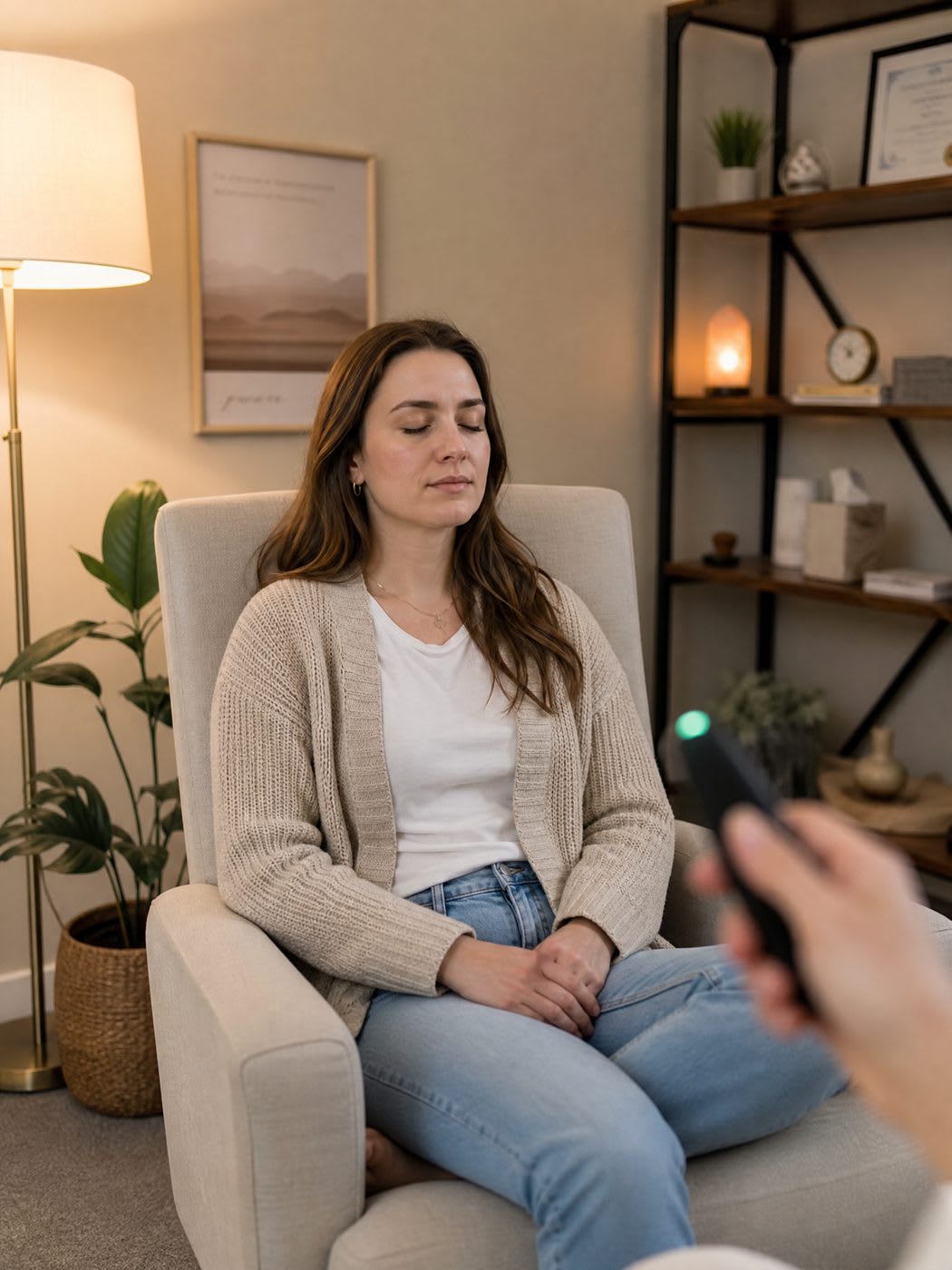
Eye Movement Desensitization and Reprocessing (EMDR) is a revolutionary approach to trauma therapy that has transformed how mental health professionals understand and treat psychological wounds. Unlike traditional talk therapy, EMDR works directly with your brain's memory networks to facilitate natural healing.
The core mechanism involves bilateral stimulation—typically guided eye movements, though tactile or auditory stimuli can also be used. This helps your brain reprocess distressing memories in healthier, more integrated ways.
The Process
Why EMDR Breaks the Cycle of Trauma
Trauma Gets Stuck
Unprocessed memories remain raw and emotionally charged in the nervous system, triggering present-day distress.
Bilateral Stimulation
Eye movements, tapping, or sounds replicate the brain activity seen in REM sleep, unlocking frozen memories.
Memory Reprocessed
Traumatic events are integrated into your memory network and begin to feel like something that happened in the past.
Emotional Freedom
Reduced distress, improved coping, and a deeper connection with your body and sense of self.
The Science
How EMDR Works: Mimicking REM Sleep to Heal Trauma
EMDR therapy mimics the natural healing processes of the brain during REM sleep—when our eyes move rapidly from side to side, consolidating memories and regulating emotions.
When we experience trauma, those memories get "stuck." The brain doesn't process them as past events, leaving us re-living the experience—triggering flashbacks, panic attacks, or depression. EMDR unlocks these frozen memories and helps your brain process them safely.
Book a Free Consultation →What We Offer
Our EMDR Therapy Services at Bay Area CBT Center
Bay Area CBT Center is your premier destination for EMDR therapy in San Francisco, CA, offering specialized programs that prioritize trauma-focused, holistic, and client-centered care.
Individual Therapy
One-on-one EMDR sessions tailored to your personal trauma history, at a pace that feels safe and manageable for you.
Couples Therapy
Specialized EMDR work for partners navigating shared trauma or the relational impacts of individual trauma history.
Virtual Sessions
Fully effective online EMDR therapy that brings specialized care directly to you, wherever you are in California.
Mental Health Retreats
Immersive, customized healing environments designed to support deep therapeutic work and personal transformation.
Support Groups
Compassionate group spaces where you can share experiences, receive encouragement, and build connection with others.
Treatment Protocol
The 8-Phase EMDR Treatment Process
Our EMDR therapy follows a structured, evidence-based protocol consisting of eight distinct phases. Each phase builds upon the previous one, ensuring your safety and effective processing of traumatic material.
History Taking
Your EMDR therapist gathers detailed information about your trauma history, current symptoms, and treatment objectives—establishing the foundation for your personalized care plan.
Preparation
You and your therapist develop essential coping strategies, emotional regulation techniques, and grounding tools—including mindfulness exercises and a "safe space" visualization.
Assessment
You identify specific traumatic memories or "targets" and explore the negative beliefs attached to them, rating emotional intensity to provide baseline measurements.
Desensitization
Bilateral stimulation occurs while you focus on traumatic memories, leading to a noticeable reduction in emotional distress and meaningful shifts in how you perceive your experiences.
Installation
Positive beliefs are strengthened to replace negative cognitions. Instead of "I am powerless," you develop beliefs like "I survived and I am stronger now."
Body Scan
Remaining physical sensations or tension stored in your body are addressed, ensuring healing occurs on both emotional and physical levels—leaving no residue behind.
Closure
Closure techniques ensure you feel stable and grounded before leaving each session—never leaving feeling dysregulated, always prepared to return to daily life.
Reevaluation
At the start of each subsequent session, you and your therapist assess lasting effects of previous work, tracking symptom reduction and guiding decisions about next steps.
What We Treat
Conditions We Treat with EMDR Therapy
Our EMDR therapy addresses a broad spectrum of psychological concerns. While originally developed for PTSD, decades of research have demonstrated its effectiveness across numerous mental health conditions.
Trauma & PTSD
Complex Trauma
Complex trauma—especially from repeated traumatic events during childhood—presents unique challenges. EMDR's ability to work systematically with layered memory networks makes it particularly effective for addressing the cumulative impact of prolonged trauma.
Single-Incident Trauma
EMDR remains the gold standard for treating trauma from accidents, assault, natural disasters, and medical events. Many clients find significant and lasting relief within just a few targeted sessions.
Anxiety, Attachment & Mood Disorders
Anxiety & Panic Disorders
EMDR processes the underlying memories fueling anxious thoughts, providing lasting relief from generalized anxiety, panic attacks, social phobia, and performance anxiety.
Depression & Mood Disorders
By processing painful memories and replacing negative self-beliefs with adaptive ones, clients often experience meaningful improvements in self-esteem and emotional well-being.
Insecure Attachment
EMDR targets the traumatic memories that shaped your relational patterns, helping you form more secure attachments and break cycles of anxious or avoidant connection.
Additional Conditions We Treat
OCD
Targeting the memories and beliefs that drive obsessive-compulsive cycles.
Phobias & Specific Fears
Desensitizing the root memories behind intense, limiting fears.
Grief & Loss
Processing complicated grief and traumatic bereavement.
Low Self-Esteem
Reprocessing formative experiences that shaped negative self-beliefs.
Chronic Stress & Burnout
Addressing the accumulated weight of ongoing stressors and overwhelm.
Our Difference
Why Choose Bay Area CBT Center for EMDR Therapy?
We distinguish ourselves through our commitment to clinical excellence, extensive specialized training, and a genuinely personalized approach to trauma therapy.
EMDRIA-Certified Therapists
Our therapists hold EMDRIA certification—the gold standard in EMDR practice—requiring extensive training, ongoing education, and demonstrated competency across diverse populations.
Trauma-Informed Care
Every aspect of your treatment reflects trauma-informed principles: safety, transparency, choice, and cultural responsiveness—ensuring your environment supports healing.
Continuous Professional Development
We stay current with the latest advances in trauma treatment through advanced EMDR training, professional conferences, and peer consultation.
Bay Area Access
Conveniently located in San Francisco, CA with easy Bay Area access, plus robust virtual options ensuring specialized EMDR care is never out of reach across California.
Telehealth
Virtual EMDR Therapy: Heal From Anywhere in California
Thanks to advances in telehealth technology, we deliver highly effective EMDR therapy through secure online platforms. Our virtual sessions maintain the full therapeutic effectiveness of in-person treatment while removing barriers that have historically prevented people from accessing specialized trauma care.
Research confirms virtual EMDR therapy can be as effective as traditional in-person sessions. We adapt bilateral stimulation techniques using screen-based eye tracking, alternating audio cues, or guided self-administered tactile stimulation.
Start Online EMDR Therapy →Online Benefits
Advantages of Online EMDR Therapy
No Travel Required
Eliminate commute time and transportation barriers entirely—your session begins the moment you open your device from anywhere in California.
Enhanced Privacy & Comfort
Receive EMDR treatment from the comfort and privacy of your own home—where many clients find it easier to open up and process deeply.
Greater Scheduling Flexibility
Morning, evening, and weekend availability—especially valuable for busy professionals who struggle to fit traditional office-hours appointments into demanding schedules.
Same Safety Standards
We establish appropriate environments for virtual sessions, including grounding techniques, safety planning, and reliable technology protocols that mirror in-person standards.
First Steps
Your Path to Starting EMDR Therapy
EMDR therapy at Bay Area CBT Center is designed to be welcoming and straightforward—we've structured our entire intake process to prioritize your comfort, clarity, and sense of connection from the very first interaction.
Free Consultation
20-minute call to answer your questions and see if we're the right fit.
Initial Assessment
Comprehensive intake to gather history and understand your goals.
Personalized Plan
Tailored treatment goals and a structured approach just for you.
Begin Healing
Start EMDR sessions and begin making meaningful progress.
Most new clients complete their initial assessment and have a personalized treatment plan in place within their first two appointments. Our care coordinators are here to support you through every step.
Common Questions
Frequently Asked Questions About EMDR Therapy in San Francisco, CA
What is EMDR therapy and how does it work?
EMDR (Eye Movement Desensitization and Reprocessing) is an evidence-based psychotherapy approach developed by Dr. Francine Shapiro. It works by using bilateral stimulation—typically guided eye movements—while you focus on a traumatic memory. This process mimics what happens in REM sleep, allowing your brain to naturally reprocess and integrate distressing memories. Rather than reliving trauma through talk therapy, EMDR helps your nervous system complete the healing process it couldn't finish at the time of the traumatic event. The result is that the memory loses its emotional charge and feels like something that happened in the past rather than something you're still experiencing now.
How many EMDR therapy sessions will I need in San Francisco?
The number of sessions varies depending on your individual history, the complexity of your trauma, and your treatment goals. For single-incident traumas such as an accident or assault, many clients experience significant relief in as few as 3–6 sessions. For more complex trauma histories—including childhood abuse, developmental trauma, or PTSD from multiple events—treatment may take 12–20 or more sessions. At Bay Area CBT Center, we begin with a thorough assessment to create a personalized treatment plan with clear milestones. We also offer EMDR intensive programs for clients who want to accelerate their progress significantly.
Is EMDR therapy effective for PTSD and trauma?
Yes—EMDR therapy is one of the most well-researched and highly endorsed treatments for PTSD and trauma available today. It is officially recommended by the World Health Organization (WHO), the American Psychological Association (APA), and the U.S. Department of Veterans Affairs as a frontline treatment for PTSD. Decades of clinical research across diverse populations and trauma types consistently show that EMDR produces rapid, lasting reductions in trauma symptoms. Many clients report that EMDR worked for them when other approaches had not, including traditional talk therapy and medication alone.
Do you offer online EMDR therapy in California?
Yes—we offer fully effective virtual EMDR therapy to clients throughout California. Our telehealth EMDR sessions use secure, HIPAA-compliant platforms and maintain the same clinical standards as in-person treatment. Research confirms that online EMDR therapy is as effective as traditional in-person sessions for most clients. We adapt bilateral stimulation for the virtual environment using screen-based eye movement tools, alternating audio cues, or guided self-administered tactile stimulation. Virtual sessions offer added benefits including no commute, greater scheduling flexibility, and the comfort of healing in your own home.
What conditions does EMDR therapy treat beyond PTSD?
While EMDR was originally developed for PTSD, it has proven effective for a wide range of mental health conditions. At Bay Area CBT Center, we use EMDR to treat anxiety and panic disorders, depression and mood disorders, OCD, phobias and specific fears, grief and loss, insecure attachment patterns, low self-esteem, chronic stress and burnout, and the effects of childhood abuse or neglect. Many of these conditions have roots in past traumatic or distressing experiences, and EMDR's ability to target and reprocess those root memories makes it particularly powerful even when the presenting issue is not labeled as "trauma."
How is EMDR therapy different from regular talk therapy?
Traditional talk therapy primarily works through verbal processing—you describe your experiences, analyze your thoughts and feelings, and develop insights and coping strategies through conversation. EMDR works differently. It accesses memories at the neurological level, using bilateral stimulation to directly engage the brain's natural healing mechanisms. You don't need to talk through every detail of your trauma in depth. Instead, you hold the memory in mind while your brain does the reprocessing work. This makes EMDR particularly effective for people who have struggled to make progress in talk therapy, find it difficult to verbalize traumatic experiences, or want faster, more targeted results.
How do I get started with EMDR therapy at Bay Area CBT Center in San Francisco?
Getting started is simple. First, book a free 20-minute consultation call—this gives you a chance to ask questions, share what you're looking for, and see if Bay Area CBT Center is the right fit. If we move forward, we'll schedule a comprehensive intake assessment where your therapist gathers your history and begins building your personalized treatment plan. Most clients have their plan in place within the first two appointments and begin active EMDR processing shortly after. You can book your free consultation online, or take our therapy matching quiz to be paired with the right therapist for your needs. We offer both in-person appointments in San Francisco and virtual sessions throughout California.
Check Out Our Books!
Acceptance and Commitment Therapy in the Bay Area—you could say we wrote the books on it.
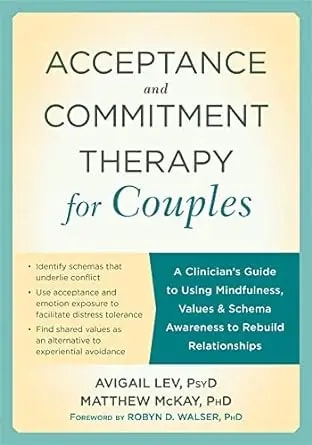
ACT for Couples
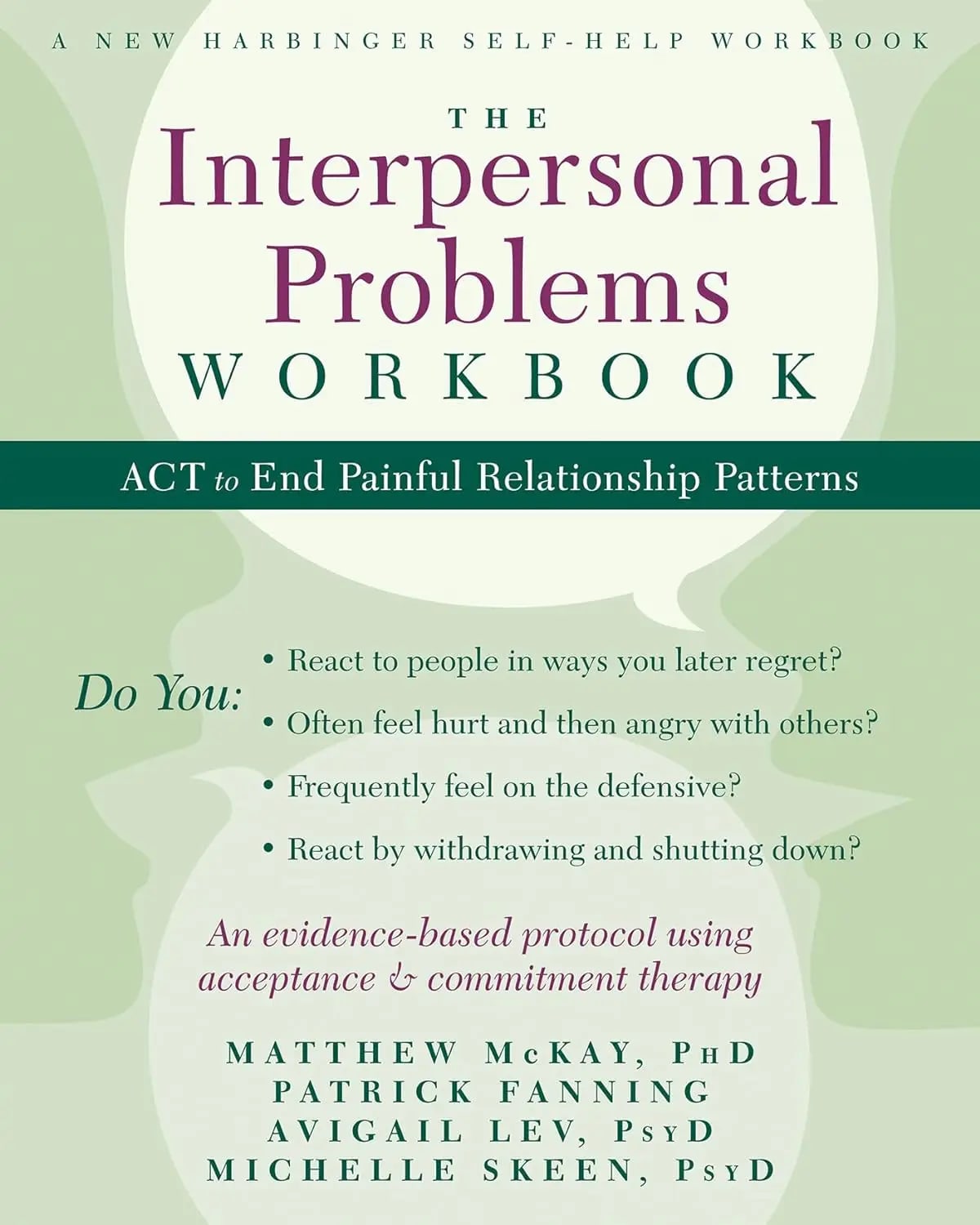
Interpersonal Problems Workbook
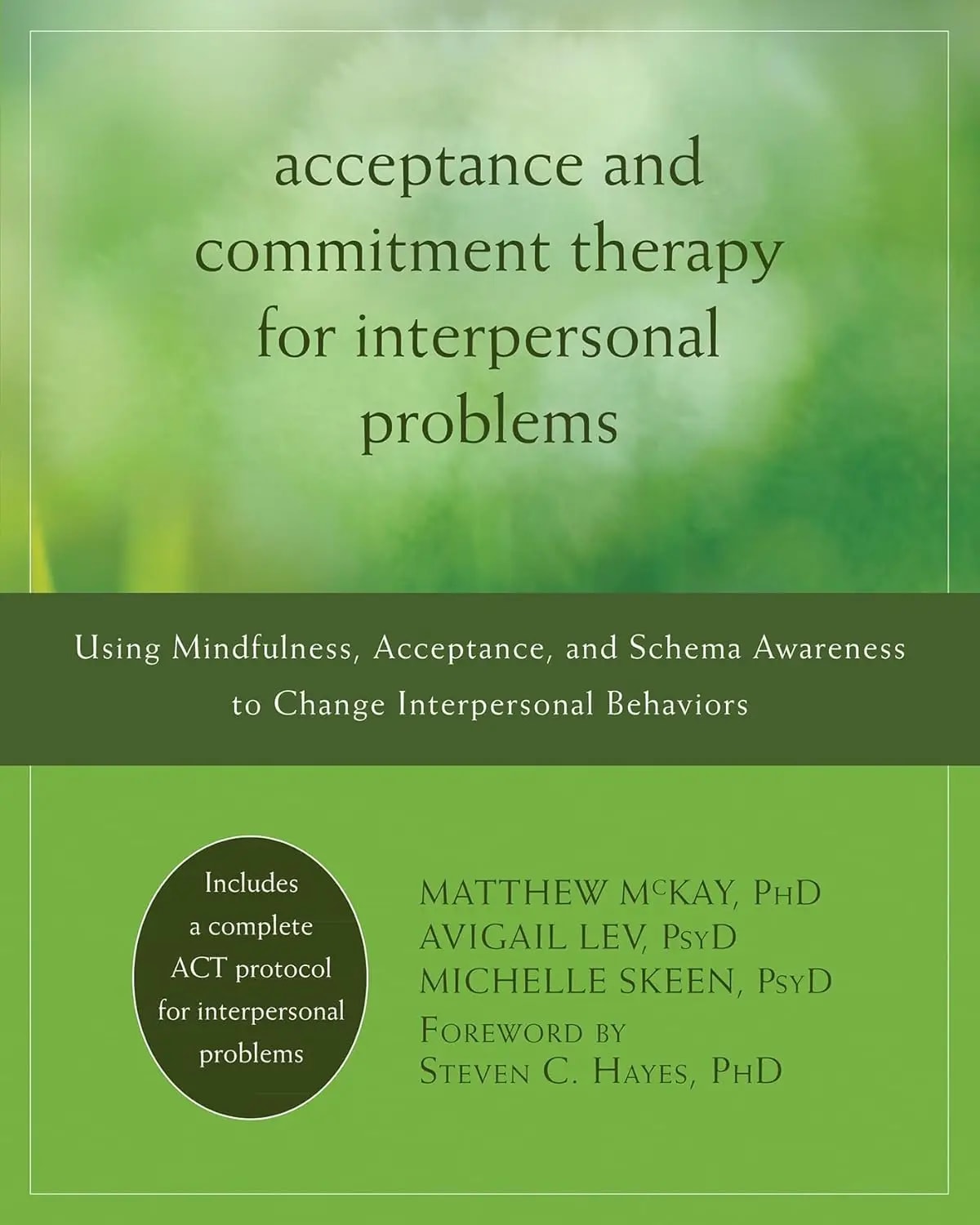
ACT for Interpersonal Problems
Visit Us
Our Hayes Valley Clinic Location
45 Franklin St Suite #210 · San Francisco, CA 94102

Bay Area CBT Center — Hayes Valley
45 Franklin St Suite #210
San Francisco, CA 94102
From San Francisco International Airport
Take US-101 N following signs for San Francisco. Exit onto Octavia Blvd, continue straight, then make a right onto Fell St. Turn left onto Franklin St and continue a few blocks—45 Franklin St will be on your right.
Via BART
Exit at Civic Center/UN Plaza BART Station—about a 10–12 minute walk. Head west along Market St, turn right onto Franklin St, and continue to 45 Franklin St.
Parking
Street parking is available but can require patience. Several paid parking garages near Civic Center and Market St are within easy walking distance.
Break Free From Trauma Today
Find the Best EMDR Therapist in San Francisco and Start Healing Today
If you're struggling with PTSD, anxiety, depression, or unresolved trauma, EMDR therapy in San Francisco, CA may be just the path you need to experience profound healing beyond traditional talk therapy.
Whether you need in-person sessions in Hayes Valley or virtual EMDR anywhere in California, our EMDRIA-certified therapists tailor every program to your unique needs and history.
Expert Therapists, Counselors, and Coaches
Our Convenient Locations
Online EMDR Therapy, Counseling & Coaching
Video & Phone Sessions
Video and phone consultations offer a convenient alternative for individuals who may not have access to a specialist nearby or prefer to avoid commuting for appointments. Studies have shown that virtual and in-person sessions are equally effective.
- Same EMDRIA-certified clinicians
- Secure, HIPAA-compliant video
- Available across all of California