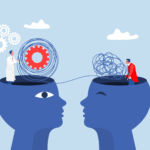
If you’re reading this at 2 a.m., phone glowing in the dark while your spouse sleeps on the other side of the bed—or maybe in another room entirely—you’re not alone. Searching for answers about the stages of a dying marriage is something thousands of people do every day, often from that same lonely, uncertain place.
Here’s what we want you to know upfront: many long-term marriages go through painful seasons that feel like the end but are sometimes repairable. A dying marriage typically involves chronic disconnection, built-up resentment, emotional or physical withdrawal, and repeated unresolved conflict that leaves one or both partners wondering if there’s any hope left.
At Bay Area CBT Center, we work with couples across California who are navigating exactly this terrain. Over years of practice, we’ve seen predictable patterns emerge in relationships that are breaking down—patterns that, once understood, can help you decide whether to fight for the relationship, seek couples therapy, or move toward separation with clarity rather than chaos.
This article will walk you through the main stages of a dying marriage, the early signs to watch for, and practical steps backed by evidence-based therapies like CBT, Emotionally Focused Therapy, and Gottman-informed approaches. Whether you’re in the first stage of quiet disappointment or the aftermath of a decision already made, understanding where you are can be the first step toward something better.
Quick Overview: The Main Stages of a Dying Marriage
Before we dive deep, here’s a quick map of what we typically see. These stages aren’t rigid—many couples move back and forth or experience overlap—but they give you a framework for understanding where you might be.
- Disillusionment: The honeymoon fades. You notice flaws, feel disappointed, and quietly wonder if this is really what you signed up for.
- Misery and Escalating Conflict: Tension builds. Arguments become frequent, repair attempts fail, and emotional pain becomes a constant companion.
- Detachment: One or both partners check out emotionally. You’re living parallel lives, more roommates than spouses.
- Clarity and Confrontation: Someone says (or thinks) “I can’t do this anymore.” The word “divorce” enters the conversation.
- Death and Aftermath: The marriage as you knew it ends—whether through formal separation, divorce, or a resigned coexistence with no expectation of growth.
At almost every stage, except in cases of entrenched abuse or complete disengagement, there are opportunities for intervention. Skilled couples therapy can make a real difference, especially when sought early.
Signs Your Marriage May Be Dying
Recognizing the danger signs early matters more than ever. In 2024 and 2025, the stakes are high: kids’ wellbeing, shared finances, mental health, and the practical realities of housing costs in places like California all hang in the balance.
Here are concrete signs that your marriage may be in serious trouble:
- Constant criticism and defensiveness: Every conversation feels like an attack or a courtroom defense.
- Feeling lonelier with your partner than alone: You’re physically present but emotionally isolated.
- Lack of emotional or physical intimacy: Sex has disappeared, and so have the small gestures of affection.
- Parallel lives: You’re managing logistics—bills, kids, schedules—but sharing nothing real.
- Contempt: Eye-rolling, sarcasm, mockery, or speaking to your spouse like they’re beneath you.
- Stonewalling: One partner shuts down completely during conflict, refusing to engage.
- Negative comparisons: You find yourself fantasizing about other partners or envying other couples.
These behaviors align closely with what researcher John Gottman calls the Four Horsemen—criticism, defensiveness, contempt, and stonewalling. His decades of research show these patterns are strong predictors of divorce, with contempt being the most lethal. Couples displaying high levels of contempt in conflict discussions often divorce within 5.6 years.
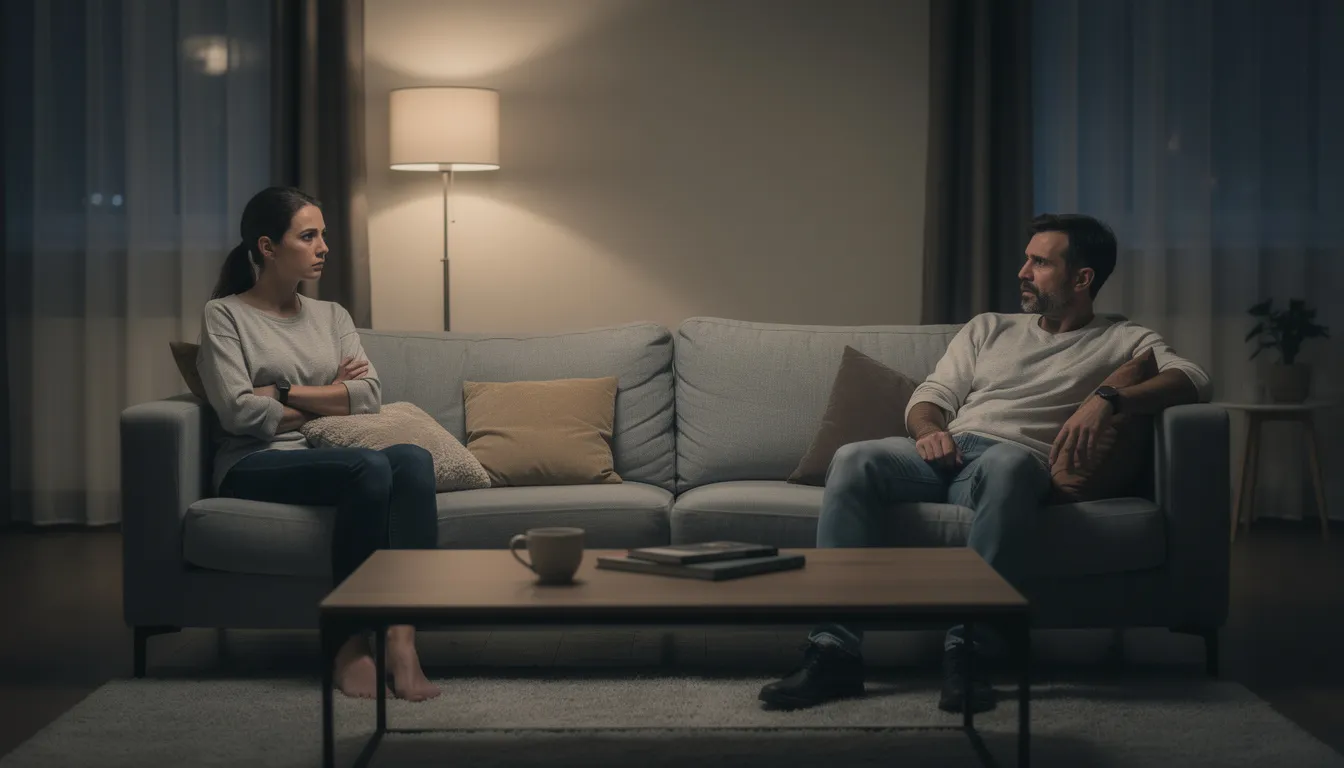
The mental health impact is significant too. At Bay Area CBT Center, we often see anxiety, depression, and trauma responses emerge alongside marital decline. If these signs feel familiar, it may help to understand how they fit into the larger stages of a dying marriage.
The Stages of a Dying Marriage
The patterns we’re about to describe show up regularly in California couples who’ve been together anywhere from 5 to 25+ years. These stages describe both internal shifts—what one partner or both are feeling inside—and the visible dynamics between them.
Everyone’s timeline is different. Some couples move through these stages over 2-3 years; others stretch across a decade or longer. And while we want to normalize the pain you might be experiencing, we also won’t minimize serious concerns like abuse, addiction, or betrayal—those require specialized attention.
Let’s walk through each stage.
Stage 1: Disillusionment – “This Isn’t the Marriage I Thought I’d Have”
This first stage often arrives quietly. The honeymoon phase is definitively over, and you find yourself noticing your partner’s flaws more than their strengths. The quirks that once seemed endearing now irritate you. You feel a low-grade disappointment that’s hard to name.
Common triggers include major life transitions: having kids, buying a home in the expensive Bay Area market, career changes, or simply the passage of time. Many people at this stage keep their dissatisfaction private, hoping circumstances will improve on their own—maybe after the baby sleeps through the night, or after the work project ends, or after the move.
You might notice yourself:
- Thinking more in terms of “me” than “we”
- Feeling subtle resentment about sacrifices you’ve made
- Comparing your spouse unfavorably to other people’s partners (or imagined alternatives)
- Wondering if you made a mistake
This is actually a critical window. Dead marriage syndrome doesn’t have to be your future if you act now. Individual therapy or early marriage counseling can be especially powerful here, before disappointment hardens into something more permanent.
CBT strategies can help you examine distorted expectations about what married life “should” look like. Communication skills training can open channels that have started to close. Mindfulness practices can reduce the reactivity that turns small annoyances into ongoing grievances.
Stage 2: Misery and Escalating Conflict – “Everything Turns Into a Fight”
When disillusionment goes unaddressed, it often hardens into chronic tension. This is the stage where fighting becomes frequent, and emotional pain becomes a constant companion for one or both partners.
You know you’re here when:
- The same arguments keep recycling: money, parenting, in-laws, division of labor, screen time, sex
- You feel like you’re walking on eggshells
- Apologies feel empty and promises to change don’t stick
- Conflicts either explode dramatically or get swept under the rug, never truly resolved
The hallmark behaviors include raised voices, sarcasm, constant criticism, defensiveness, and hypersensitivity to each other’s tone or facial expressions. Your spouse’s sigh feels like an attack. A neutral question sounds like an accusation.
The psychological toll is real: heightened anxiety, sleep problems, depressive symptoms, and sometimes reliance on alcohol or other numbing behaviors. Research shows chronic marital stress elevates cortisol and inflammation, contributing to cardiovascular risks—effects that are particularly pronounced for women in unhappy unions.
This is a strong time to seek couples therapy or discernment counseling before resentment calcifies into something harder to reverse. A licensed psychologist or family therapist can help you break the cycle before you reach the next stage.
Stage 3: Detachment – “We’re Together, But I Feel Completely Alone”
After sustained conflict and disappointment, something shifts. The fighting may decrease—not because problems are solved, but because one partner (or both) has emotionally checked out.
Signs of detachment include:
- Separate bedrooms or separate weekend plans
- Using work, kids, social media, or hobbies as escape routes
- Emotional affairs or physical affairs (25% of divorces cite infidelity, which often peaks at this stage)
- Pouring all emotional intimacy into friendships rather than the marriage
- Conversations limited to logistics: “Did you pick up the dry cleaning?” “What time is soccer practice?”
This is the dead marriage in slow motion—a long period of parallel lives where you’re functioning as roommates focused on bills, carpools, and mortgages, with almost no vulnerability or affection remaining.
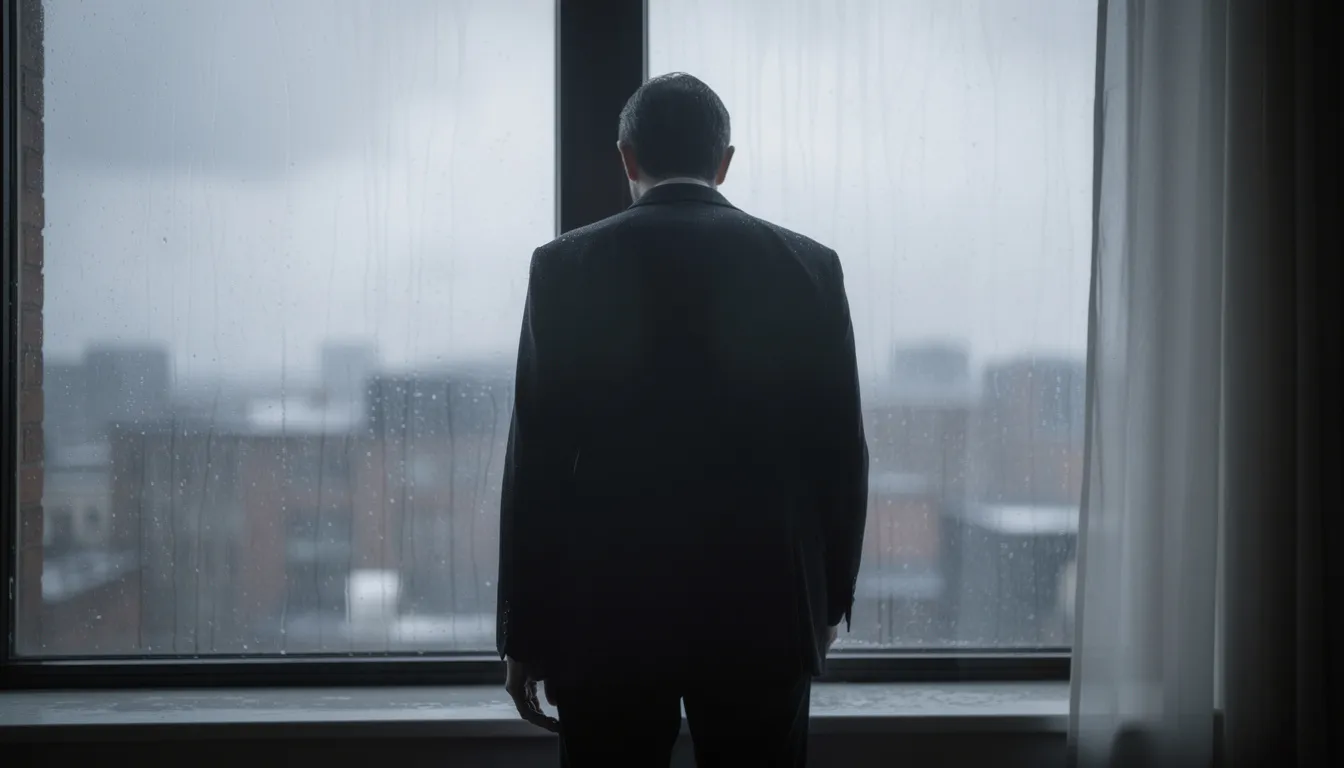
Here’s something important: the sudden halt of arguments in a previously combative relationship is often a red flag, not a sign of improvement. When one partner stops fighting, it frequently means they’ve given up.
While this stage feels final to many, targeted therapy—couples therapy, trauma-informed care, sex therapy, or intensive retreats—can sometimes restart emotional engagement if both partners are willing to try.
Stage 4: Clarity & Confrontation – “Something Has to Change”
This is the breaking point. One partner says—or thinks with crystalline certainty—“I can’t do this anymore.” The word “divorce” enters the conversation, maybe for the first time.
Common triggers include:
- Discovering an affair
- A major fight in front of the kids
- A health scare that puts everything in perspective
- A quiet realization on an anniversary or holiday that this isn’t the life you want
There are often two very different experiences happening simultaneously. The partner who has been mentally leaving for months may feel calm, even relieved. The other partner feels blindsided, panicked, and desperate. This asymmetry—where one spouse has been grieving the relationship privately while the other hasn’t seen it coming—is incredibly common and incredibly painful.
Typical reactions at this stage include:
- Panic and bargaining (“I’ll do anything, just don’t leave”)
- Promises to change overnight
- Shutting down in despair
- Anger and blame
This is a crisis point where professional support matters enormously. Discernment counseling at Bay Area CBT Center can help couples decide: work on the marriage, separate, or take a structured pause to gain clarity. The key is to slow down major decisions, manage intense emotions, and get professional support rather than relying solely on friends or family to talk you through it.
Stage 5: Death and Aftermath – “The Marriage as You Knew It Is Over”
At this stage, the previous form of the marriage is definitively over—whether or not legal divorce happens immediately.
This might look like:
- Formal divorce filings
- Permanent separation
- A resigned “roommate marriage” where both partners have accepted that intimacy and growth are no longer possibilities
The grief process is real and often follows the classic stages: denial, anger, bargaining, depression, acceptance. But the timelines differ dramatically depending on who initiated the ending. The partner who mentally exited earlier may experience tempered loss, having already processed much of the grief. The partner who resisted may face raw, overwhelming pain.
Practical stressors compound emotional ones: co-parenting schedules, housing in high-cost areas like the Bay Area, dividing finances, and sometimes immigration or career implications.
Individual therapy, support groups, and sometimes post-divorce co-parenting counseling can support healing during this phase. At Bay Area CBT Center, we work with people navigating this aftermath regularly.
Here’s what we want you to hear: people do rebuild. They cultivate healthier future relationships. They break maladaptive patterns through evidence-based therapy. The end of a marriage is devastating, but it doesn’t have to be the end of your story.
Can a Dying Marriage Be Saved?
This is the question everyone wants answered, and the honest answer is: it depends.
Many distressed marriages can improve significantly if both partners are motivated and willing to do the work. Research on Emotionally Focused Therapy (EFT) shows 70-75% of couples move from distress to recovery, and 80% show significant improvement. But these numbers apply to couples who seek help—and who do so before one partner has completely disengaged.
Some marriages, however, should not be saved. Ongoing abuse, severe untreated addiction with no willingness to seek help, or repeated betrayals without genuine repair create conditions where staying causes more harm than leaving.
Questions worth considering:
|
Question |
What It Reveals |
|---|---|
|
How long have problems been present? |
Couples often wait 6+ years before seeking help, which makes repair harder but not impossible |
|
Are the Four Horsemen entrenched? |
Criticism, contempt, defensiveness, and stonewalling are strong predictors of divorce if unaddressed |
|
Are there safety issues? |
Physical or severe emotional abuse requires immediate attention and possibly separation |
|
Is each partner willing to work? |
Only one person can’t save a marriage alone |
|
What’s the impact on children? |
Kids in high-conflict households show 50% higher anxiety rates |
Ask yourself: Are there still moments of kindness or vulnerability? Is there any shared vision for the future? Is either partner willing to change concrete behaviors?
At Bay Area CBT Center, therapists offer both traditional couples therapy and discernment counseling to help partners decide whether to repair or separate. Sometimes the bravest thing is to try. Sometimes the bravest thing is to let go. If you or your partner decide to separate, learn how to heal from heartbreak.
Practical Steps to Revive a Struggling Marriage
No article can fix a complex relationship. But there are evidence-based steps that can help many couples at early and middle stages move toward repair.

The key is being concrete and consistent. Vague intentions like “communicate better” don’t change anything. Specific actions—repeated over months, not days—can shift patterns that have been stuck for years.
Really Listen Instead of Reacting
There’s a difference between listening to win and listening to understand. Most couples in trouble are doing the former: mentally preparing counterarguments while their spouse is still talking, waiting for a pause to make their point.
Here’s what actually helps:
- Put phones away completely during important conversations
- Don’t interrupt—even when you disagree strongly
- Reflect back what you heard before responding: “So you’re saying you feel like I don’t prioritize spending time with you. Did I get that right?”
- Use “I feel…when…because…” statements rather than accusations: “I feel hurt when you make plans without asking me, because it makes me feel like my opinion doesn’t matter” instead of “You never consider me.”
Set rules for hard conversations: schedule them (not at 11 p.m. when you’re exhausted), limit them to 20-30 minutes, and pause if either person is too flooded to stay calm. Therapists at Bay Area CBT Center often coach couples in-session on these skills and assign at-home practice to build the habit.
Work Intentionally on Intimacy (Emotional and Physical)
Physical intimacy matters, but it’s broader than sex. Intimacy includes sharing fears, dreams, and everyday vulnerabilities—the things that make you feel truly known.
Concrete suggestions:
- 10-minute daily check-ins: Not about logistics, but about how you’re actually feeling
- Weekly date nights: Without talking about kids, money, or household tasks
- Small daily gestures: A text that says “thinking of you,” a touch on the shoulder as you pass, a genuine compliment
Common blocks to intimacy in long marriages include resentment, body image concerns, trauma histories, mismatched desire, and overuse of porn or technology as substitutes for connection. Sex therapy and somatic approaches at Bay Area CBT Center can help couples rebuild sexual connection and address avoidance or pain.
Start gradual rather than pressuring for dramatic change: cuddling, hand-holding, longer hugs (research suggests 7+ seconds activates bonding hormones), and expressing appreciation before focusing on sex.
Spend Quality Time (Not Just Shared Logistics)
There’s a difference between time spent co-managing life and genuine quality time that nurtures your bond. Many couples spend hours together each week but none of it is actually connecting.
Realistic ideas for busy California couples:
- 30-minute evening walks without phones
- Saturday morning coffee before anyone else wakes up
- Cooking a new recipe together
- Tech-free Sunday mornings
- Taking a class or workshop together
Schedule this time like any other commitment. Put it on the calendar. Protect it.

Research shows novelty and shared goals increase relationship satisfaction. Trying something new together—a different restaurant, an unfamiliar hiking trail, a pottery class—activates the same reward pathways that fired during early dating. At Bay Area CBT Center, we sometimes use behavioral activation techniques to help couples plan these activities when motivation is low.
Practice Forgiveness and Letting Go of Old Scorecards
Many couples keep mental ledgers of wrongs. Every past hurt becomes ammunition for the next fight. “You always…” and “Remember when you…” become refrains that make both partners feel defensive and unsafe.
Forgiveness isn’t about excusing harmful behavior or pretending it didn’t happen. It’s a choice to release the grip of past hurts so they don’t poison the present.
A simple framework:
- Acknowledge the harm clearly and specifically
- Express the impact it had on you
- Receive a sincere apology where possible (this requires the other person to take responsibility without deflecting)
- Decide how to move forward—which might include setting new boundaries
Some injuries—ongoing betrayal, abusive behavior—may require safety planning, separation, or more intensive trauma-focused therapy like EMDR or somatic work. Forgiveness doesn’t mean tolerance of continued harm.
Seek Professional Help Early Rather Than as a Last Resort
Here’s a painful statistic: most couples wait an average of six years after serious problems begin before seeking relationship advice from a professional. By then, one partner has often already mentally checked out, which dramatically limits options.
What evidence-based couples therapy offers:
- A neutral space where both people can be heard
- Skills training in communication, conflict resolution, and emotional regulation
- Pattern identification—seeing the cycles you’re stuck in
- Trauma-informed support for past wounds that affect the present
Bay Area CBT Center offers couples therapy (both online and in-person across California), discernment counseling for those unsure whether to stay or go, sex therapy for intimacy issues, retreats for intensive work, and group programs.
If only one partner is currently willing to engage, individual therapy can still shift dynamics and help clarify next steps. Change requires consistency over months, not days, and relapse into old patterns is normal but manageable with support.
When It’s Time to Let Go: Recognizing an Unsaveable Marriage
Not every marriage can or should be saved. This is a difficult truth, but an important one.
Red flags that suggest staying may cause more harm than leaving:
- Ongoing physical or emotional abuse: If you or your children are unsafe, that takes priority over everything else
- Repeated betrayals with no genuine repair: Apologies without changed behavior are just words
- Untreated addiction with no commitment to recovery: You cannot love someone into sobriety
- Total refusal to engage in any change: A marriage where only one person is working cannot survive
The mental health risks of staying indefinitely in such environments are severe: PTSD, complex trauma, severe depression, and chronic anxiety. Research shows women in unhappy marriages face heightened cardiovascular risks, and children in high-conflict homes show elevated anxiety.
Therapy at Bay Area CBT Center can help individuals clarify safety plans, understand trauma bonds that make leaving feel impossible, and navigate separation with support.
Please hear this: leaving a harmful marriage is not a failure. It can be a courageous act of self-preservation—and when children are involved, it may be the best thing you can do for them too.
How Bay Area CBT Center Can Support You at Any Stage
Whether you’re in early disillusionment, entrenched conflict, or the aftermath of a marriage that has ended, support is available.
Services relevant to relationship distress:
- Couples therapy (evidence-based approaches including CBT, EFT, and Gottman-informed methods)
- Discernment counseling for those uncertain whether to stay or go
- Individual therapy (CBT, DBT, Schema Therapy) for personal healing
- Trauma and PTSD treatment for those carrying wounds into their relationships
- Sex therapy for rebuilding physical intimacy
- Mental health retreats and couples retreats for intensive work
- Support groups for shared healing
We offer flexible formats: in-person sessions throughout the Bay Area and secure online therapy across California. Our practice emphasizes evidence-based, holistic care tailored to each couple’s or individual’s needs, values, and circumstances.
Ready to take the next step? Schedule a consultation, fill out an online form, or call our office to be matched with a therapist who specializes in couples and relationship issues.
Understanding the stages of a dying marriage isn’t about predicting doom—it’s about gaining clarity. With that clarity, you can decide to fight for your relationship with new tools and professional support. Or you can decide to end things with compassion and dignity rather than bitterness. Either path forward is valid. Either path can lead somewhere better than where you are now.
You don’t have to figure this out alone.