Are you wondering if there’s a natural way to treat anxiety? You’re not the only one: anxiety affects over 40 million American adults, making anxiety disorders the most common mental health conditions in the United States. While prescription medications like selective serotonin reuptake inhibitors and benzodiazepines remain standard treatments, a growing number of people are seeking natural remedies for anxiety that can complement or serve as alternatives to conventional approaches. These options fall under the broader categories of alternative medicine and alternative treatments, which include herbal remedies and dietary supplements. Authoritative organizations such as the National Institute of Mental Health provide research-based information on anxiety disorders, while the American Psychiatric Association defines diagnostic criteria and recognizes conditions like caffeine-induced anxiety disorder in the DSM-5-TR.
The good news? Research shows that natural treatments for anxiety can be remarkably effective. Clinical trials demonstrate a 71% success rate for certain herbal supplements in treating anxiety symptoms, and a systematic review found that 71% of studies on herbal and dietary supplements for anxiety showed a positive direction of evidence. Lifestyle modifications can reduce anxiety development by up to 60%. This comprehensive guide explores evidence-based natural remedies that actually work, helping you understand which approaches might fit your specific needs for treatment for anxiety.
Whether you’re looking to manage mild anxious feelings or seeking complementary treatments alongside professional care, these natural methods offer proven pathways to reduce anxiety and improve your overall mental health.
Understanding Anxiety and Natural Treatment Approaches
Anxiety disorders encompass several conditions including generalized anxiety disorder, panic disorder, social anxiety disorder, and specific phobias. According to the diagnostic and statistical manual, these conditions involve persistent and excessive worry that significantly interferes with daily functioning. The American Psychiatric Association publishes the DSM and recognizes specific anxiety disorders, including caffeine-induced anxiety disorder, highlighting the clinical significance of caffeine-related anxiety symptoms.
Normal stress responses help us navigate challenging situations, but anxiety disorders involve disproportionate fear responses that can trigger physical symptoms like rapid heartbeat, sweating, and muscle tension. While anxiety and depression often co-occur, each requires targeted treatment approaches to treat anxiety disorders.
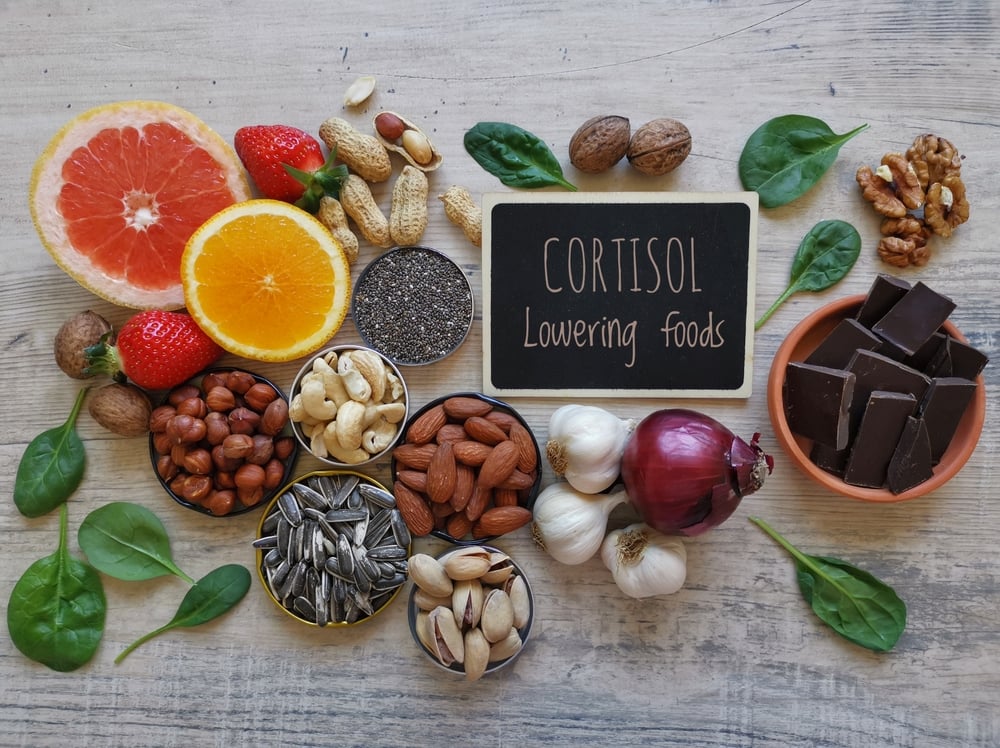
Natural remedies work through various biological pathways to reduce anxiety symptoms. Many herbal supplements target the same neurotransmitter systems as prescription medications, particularly GABA receptors that promote relaxation. Mind-body techniques help regulate the hypothalamic-pituitary-adrenal axis, reducing stress hormones like cortisol.
The advantages of natural approaches include fewer severe side effects compared to conventional medications, lower risk of dependency, and the development of long-term coping strategies. However, it’s crucial to consult with a mental health professional before making significant changes to your treatment plan, especially if you’re currently taking prescription medications.
Safety considerations are paramount when using natural remedies. Some herbal supplements can cause dangerous interactions with other medications, and quality varies significantly among dietary supplements due to limited regulation by the food and drug administration. Always inform your healthcare professional about any natural treatments you’re considering.
Lifestyle-Based Natural Anxiety Treatments
Exercise and Physical Activity
Regular physical activity stands as one of the most powerful natural ways to treat anxiety. Research consistently shows that people who maintain physically active lifestyles have a 60% lower risk of developing anxiety disorders compared to sedentary individuals.
Exercise combats anxiety through multiple mechanisms. Physical activity triggers the release of endorphins, natural mood elevators that promote feelings of well-being. It also increases production of brain-derived neurotrophic factor (BDNF), which supports healthy brain function and helps regulate neurotransmitters like serotonin and dopamine.
For maximum anxiety relief, aim for a combination of different exercise types:
High-intensity options:
- Running or jogging for 20-30 minutes, 3-4 times per week
- High-intensity interval training (HIIT) sessions
- Cycling or swimming at moderate to vigorous intensity
Low-impact alternatives:
- Yoga, which combines physical movement with deep breathing and mindfulness
- Pilates for core strengthening and body awareness
- Walking in nature, which provides additional mental health benefits
Start gradually if you’re new to exercise. Even 10-15 minutes of daily movement can begin to reduce anxiety levels within a few weeks. The key is consistency rather than intensity – regular moderate exercise often proves more beneficial than sporadic vigorous workouts.
Sleep Optimization
Poor sleep quality and anxiety create a vicious cycle. Sleep deprivation disrupts neurotransmitters that regulate mood, while anxiety can make it difficult to fall asleep or stay asleep. Addressing sleep issues often leads to significant improvements in anxiety symptoms.
Essential sleep hygiene practices:
- Maintain a consistent sleep schedule, going to bed and waking up at the same time daily
- Create a relaxing bedtime routine 1-2 hours before sleep
- Keep your bedroom cool, dark, and quiet
- Avoid screens for at least an hour before bedtime
- Limit caffeine intake after 2 PM
For more tips on optimizing sleep, explore our comprehensive guide.
Specific strategies for anxiety-related sleep problems:
- Practice progressive muscle relaxation or deep breathing exercises in bed
- Keep a worry journal to externalize anxious thoughts before sleep
- Use white noise or calming nature sounds to mask disruptive noises
- Consider weighted blankets, which can reduce anxiety and improve sleep quality
Most people need 7-9 hours of sleep nightly. If you consistently struggle with sleep despite good hygiene practices, consult a healthcare professional to rule out underlying sleep disorders that might be contributing to your anxiety.
Dietary Changes
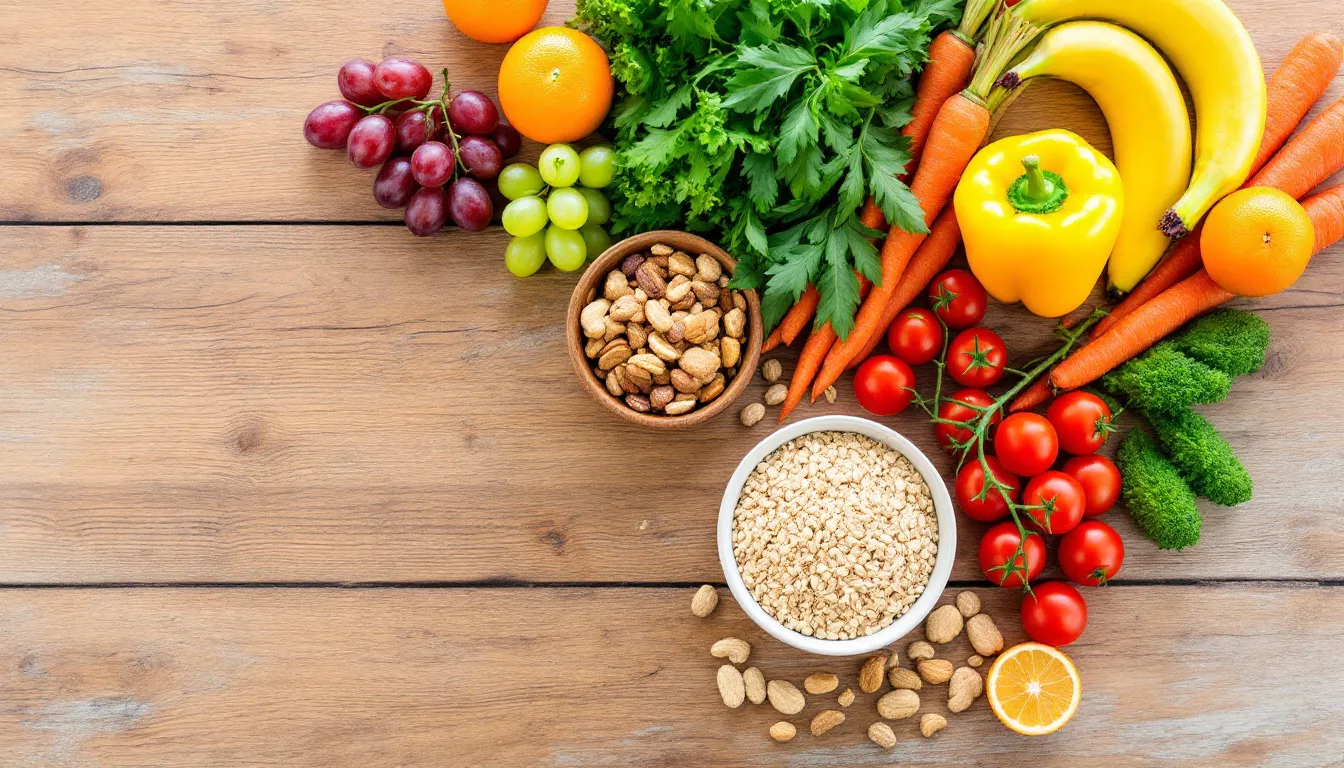
What you eat significantly impacts your anxiety levels. Blood sugar fluctuations, dehydration, and certain foods can trigger or worsen anxiety symptoms, while a balanced diet supports stable mood and energy levels.
Foods that help reduce anxiety:
- Complex carbohydrates (oats, quinoa, brown rice) provide steady energy and support serotonin production
- Lean proteins (fish, poultry, legumes) supply amino acids needed for neurotransmitter synthesis
- Omega-3 rich foods (salmon, walnuts, flaxseeds) support brain health and reduce inflammation
- Magnesium-rich foods (leafy greens, nuts, seeds) help regulate the nervous system
Foods and substances to limit:
- Caffeine, which can trigger panic attacks and worsen anxiety symptoms
- Alcohol, which disrupts sleep and can increase anxiety during withdrawal
- High-sugar foods that cause blood sugar spikes and crashes
- Processed foods with artificial additives that may affect mood
Stay adequately hydrated throughout the day, as even mild dehydration can increase cortisol levels and contribute to anxious feelings. Aim for 8-10 glasses of water daily, and consider herbal teas like chamomile or lemon balm as calming alternatives to caffeinated beverages.
Eat regular, balanced meals to maintain stable blood sugar levels. Skipping meals can trigger anxiety symptoms by causing blood sugar drops that the body interprets as stress.
Herbal Remedies and Natural Supplements
Top Evidence-Based Herbal Options
Chamomile ranks among the most well-researched herbal remedies for anxiety. A comprehensive study involving 2,619 participants found that chamomile extract significantly reduced anxiety symptoms compared to placebo. The herb contains apigenin, a compound that binds to GABA receptors in the brain, promoting relaxation. In addition, a 2016 randomized clinical trial showed that chamomile may lead to significant improvement in anxiety symptoms for people with generalized anxiety disorder.
For anxiety relief, take 400-1,600mg of standardized chamomile extract daily, or drink 2-3 cups of chamomile tea. Long term chamomile therapy appears safe for most people, though those with allergies to plants in the daisy family should exercise caution.
Passionflower (Passiflora incarnata) shows promise for treating generalized anxiety disorder with minimal side effects. Clinical trials demonstrate its effectiveness for reducing restlessness and nervous tension. The anxiolytic effects of passionflower have been documented in several studies, showing it may be as effective as benzodiazepines in treating anxiety. The standard dosage is 250-500mg of extract taken 2-3 times daily.
Kava (Piper methysticum) provides strong evidence for anxiety disorders, with kavalactones affecting GABA activity to promote relaxation. Kava has been used for centuries to relieve anxiety and restlessness. Several studies have shown that kava can lead to significant improvement in anxiety symptoms, although some studies reported no significant difference compared to placebo. The quality and dosing of kava can vary, and risk factors such as liver toxicity and product quality should be carefully considered. Only use high-quality kava products and avoid if you have liver conditions or take medications metabolized by the liver. Typical dosing ranges from 120-240mg of kavalactones daily.
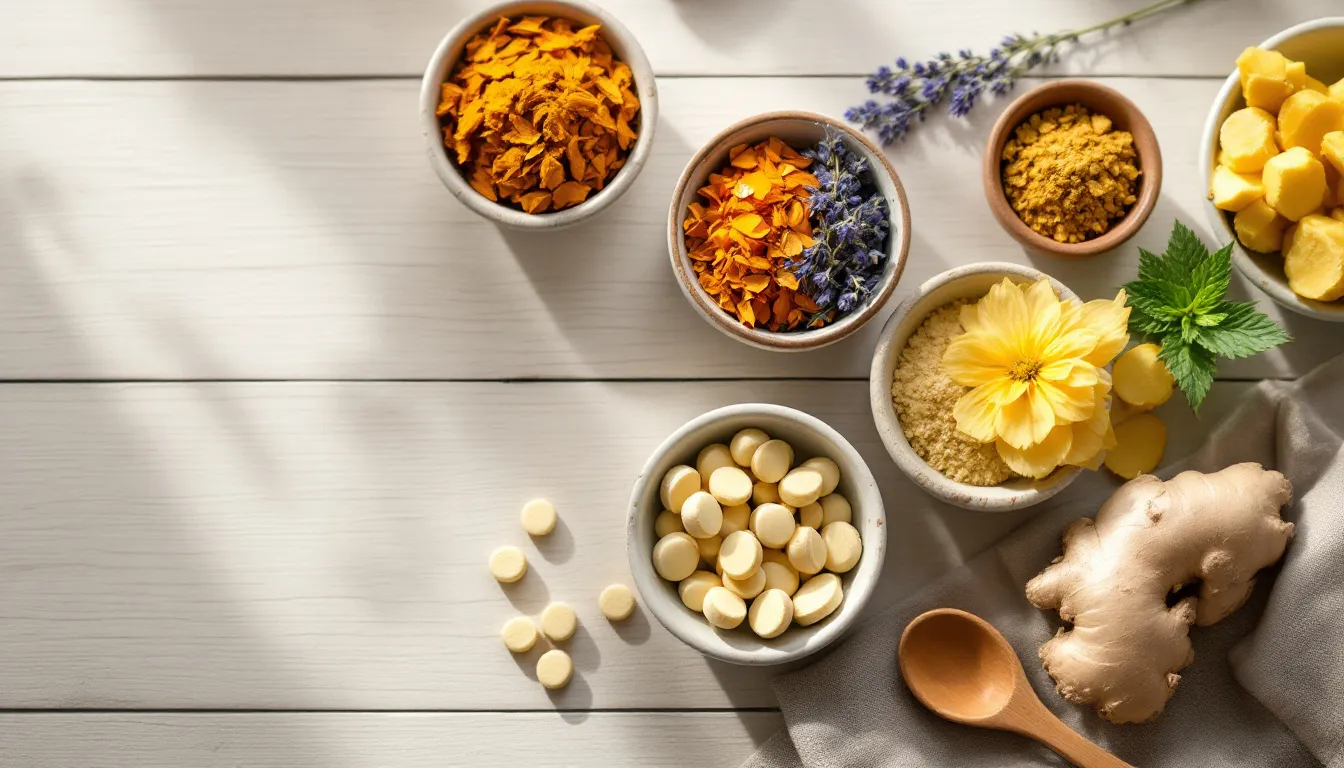
Ashwagandha (Withania somnifera) helps reduce stress hormones and supports the body’s response to stress. Studies show 300-600mg daily can significantly lower cortisol levels and anxiety symptoms within 4-8 weeks. Additionally, ashwagandha may boost energy levels and promote a greater sense of calm, making it a valuable natural remedy for managing anxiety and enhancing overall mental well-being.
Herbal Supplements and Nutrients
Magnesium deficiency is common and can contribute to anxiety symptoms. This essential mineral helps regulate the nervous system and neurotransmitter function. Research suggests 200-400mg of elemental magnesium daily can reduce anxiety, with magnesium glycinate and magnesium citrate being well-absorbed forms.
L-theanine, an amino acid found in green tea, promotes relaxation without sedation. Take 100-200mg daily, though it may take several weeks to experience full benefits. L-theanine can be safely combined with other natural remedies.
5-HTP (5-hydroxytryptophan) supports serotonin production and may help with both anxiety and depression symptoms. However, use caution as 5-HTP can interact with prescription antidepressants and potentially cause serotonin syndrome. Consult a healthcare professional before use.
B-complex vitamins support nervous system function and energy production. Vitamins B6, B12, and folate are particularly important for mental health. A high-quality B-complex supplement can help address deficiencies that contribute to anxiety and mood issues.
Mind-Body Techniques for Natural Anxiety Relief
Breathing and Meditation Practices
Deep breathing exercises offer immediate relief during panic attacks and can restore regular breathing patterns disrupted by anxiety. When we’re anxious, breathing becomes shallow and rapid, which can trigger physical symptoms of panic. Breathwork techniques like 4-7-8 breathing or box breathing can instantly lower heart rate and help you feel calmer.
4-7-8 Breathing Technique:
- Inhale through your nose for 4 counts
- Hold your breath for 7 counts
- Exhale through your mouth for 8 counts
- Repeat 4-6 cycles
Box Breathing:
- Inhale for 4 counts
- Hold for 4 counts
- Exhale for 4 counts
- Hold empty for 4 counts
Practice meditation regularly to develop present moment awareness and learn to observe anxious thoughts without becoming overwhelmed by them. Mindfulness meditation can reduce activity in the amygdala, the brain’s fear center, which helps you feel calmer. Mindfulness and meditation practice can also reduce excessive worry about the future or past. Start with 5-10 minutes daily using guided meditations or apps, gradually increasing duration as you become more comfortable.
Progressive muscle relaxation involves systematically tensing and releasing different muscle groups to reduce physical tension associated with anxiety. This technique helps you recognize the difference between tension and relaxation, making it easier to release anxiety-related muscle tightness.
Aromatherapy and Sensory Approaches
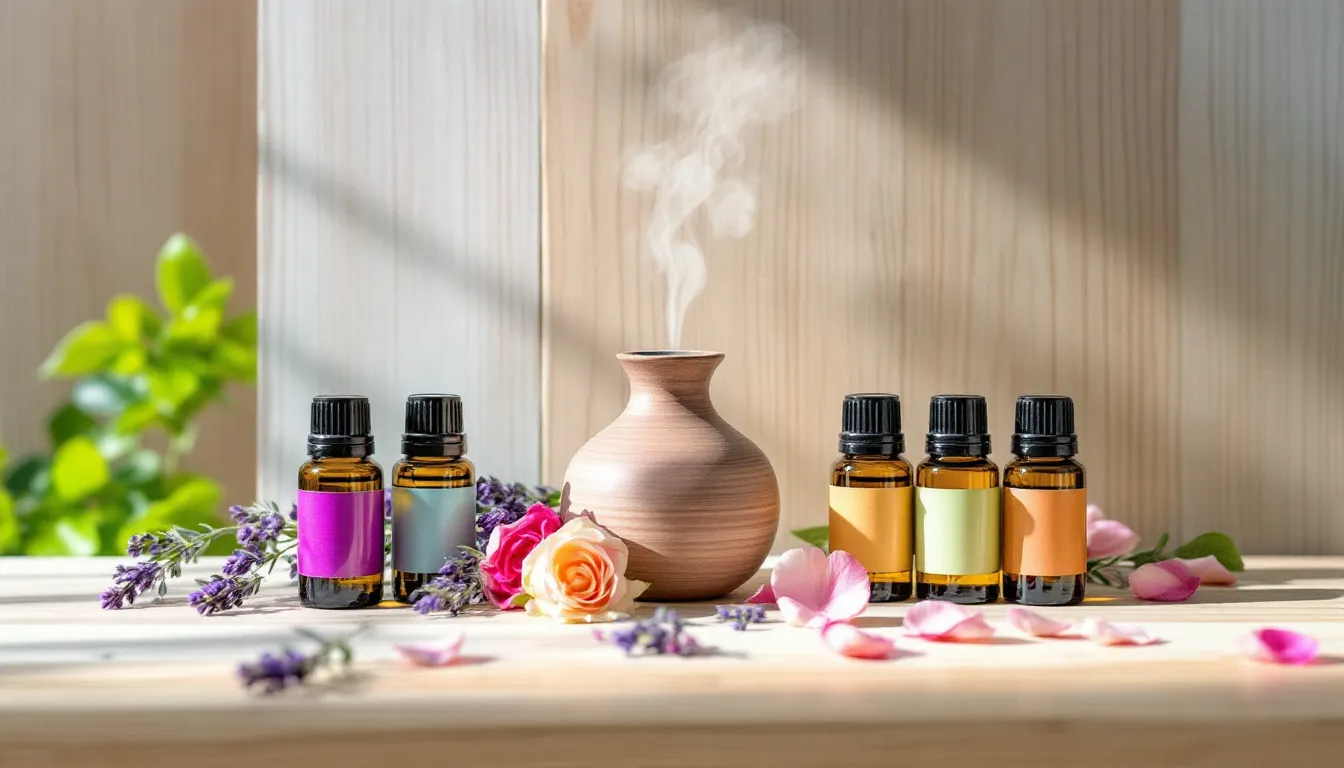
Essential oils can provide natural anxiety relief through the olfactory system’s direct connection to the brain’s emotional centers. Research supports several oils for anxiety management:
Lavender essential oil shows the strongest evidence, with studies demonstrating anxiolytic effects comparable to some prescription medications. Use 2-3 drops in a diffuser or add to a warm bath.
Rose and bergamot oils also show promise for reducing anxiety and promoting relaxation. Always dilute essential oils with a carrier oil (like coconut or jojoba oil) before topical application.
Safe application methods:
- Diffuse oils in well-ventilated spaces for 15-30 minutes
- Add 5-10 drops to a warm bath
- Apply diluted oils to pulse points (1-2 drops essential oil per teaspoon carrier oil)
Since the food and drug administration doesn’t regulate essential oils as medications, choose high-quality products from reputable sources. Perform patch testing before first use to check for allergic reactions.
Substance Avoidance for Anxiety Management
Certain substances can significantly worsen anxiety symptoms or interfere with recovery. Understanding these connections helps you make informed choices about consumption.
Alcohol initially appears to reduce anxiety due to its depressant effects, but high consumption disrupts mood-regulating neurotransmitters and impairs sleep quality. Alcohol withdrawal can also trigger rebound anxiety that’s worse than original symptoms. If you drink regularly, gradually reduce consumption rather than stopping abruptly.
Caffeine can trigger panic attacks and worsen anxiety symptoms, particularly in sensitive individuals. The diagnostic and statistical manual even recognizes caffeine-induced anxiety disorder as a legitimate condition. Gradually reduce caffeine intake over 1-2 weeks to avoid withdrawal symptoms like headaches and irritability.
Tobacco smoking shows strong connections to panic disorder and anxiety. While cigarette smoking may seem to provide temporary stress relief, nicotine actually increases anxiety levels over time. Choosing to quit smoking can contribute to anxiety reduction and overall mental health improvements. Quitting smoking often leads to significant improvements in anxiety symptoms within weeks to months.
Withdrawal management timeline:
- Caffeine: 1-2 weeks for physical symptoms, up to a month for psychological dependence
- Alcohol: Several days to weeks depending on usage patterns
- Nicotine: Physical symptoms peak at 3 days, psychological cravings may persist for months
Consider working with a healthcare professional if you need support managing withdrawal from any of these substances, especially if you use them to cope with severe anxiety.
Alternative Therapies Worth Considering
Alternative medicine and alternative treatments, such as acupuncture, herbal remedies, and dietary supplements, are increasingly explored for managing anxiety. These therapies, which include options like acupuncture and supplements, are often considered alongside or instead of conventional medication. However, it’s important to note that many alternative medicine products are not regulated by the FDA, so consulting a healthcare provider before use is essential.
Acupuncture shows growing research support for anxiety management. While more research is needed, current studies suggest acupuncture may help regulate neurotransmitters and activate the parasympathetic nervous system to promote relaxation.
CBD oil has shown potential in helping with anxiety symptoms, according to Harvard Health Publishing, though more research is needed to fully understand its effects and safety profile.
Omega-3 fatty acids support brain health and may reduce inflammation associated with anxiety and depression. Aim for 1-2 grams daily from fish oil supplements or include fatty fish like salmon, mackerel, or sardines in your diet 2-3 times weekly.
Weighted blankets work through deep pressure stimulation to reduce anxiety and improve sleep quality. Choose a blanket that’s approximately 10% of your body weight for optimal effectiveness.
Light therapy and nature exposure can improve mood and reduce anxiety, particularly for seasonal patterns. Spend 15-30 minutes outdoors daily, especially in the morning, to help regulate circadian rhythms and boost vitamin D levels.
These complementary and integrative health approaches work best when combined with other natural treatments rather than used in isolation.
The Connection Between Anxiety and Depression
Anxiety and depression are two of the most common mental health conditions, and they often go hand in hand. According to the Diagnostic and Statistical Manual of Mental Disorders (DSM-5), nearly 60% of people with anxiety disorders also experience depression symptoms at some point in their lives. This strong anxiety and depression association means that understanding the link between these conditions is crucial for effective treatment and long-term mental health.
Both anxiety and depression share similar biological pathways, including imbalances in neurotransmitters like serotonin and dopamine. These chemical messengers play a key role in regulating mood, energy, and stress responses. When these systems are disrupted, it can lead to overlapping symptoms of anxiety—such as restlessness, excessive worry, and panic attacks—and depression, including low mood, fatigue, and loss of interest in daily activities.
Generalized anxiety disorder (GAD) is particularly likely to co-occur with depression symptoms, making it important to address both sets of symptoms together. Stress management and healthy coping strategies are essential for reducing anxiety symptoms and lowering the risk of developing depression. Practicing relaxation techniques like deep breathing, progressive muscle relaxation, and meditation can help promote relaxation and ease both anxious and depressive feelings.
Natural remedies for anxiety, such as herbal supplements and essential oils, may also provide relief for depression symptoms. Herbal remedies like St. John’s Wort, passionflower, and valerian root have shown promise in clinical trials for reducing anxiety symptoms and supporting overall mental health. However, it’s important to consult a mental health professional before starting any herbal supplements, as they can interact with prescription medications or cause side effects in some individuals.
Dietary supplements, including omega-3 fatty acids and vitamin D, have also been linked to improvements in both anxiety and depression. A systematic review of clinical trials found that omega-3 fatty acids can significantly reduce symptoms of anxiety and depression in people with anxiety disorders, supporting their role as a natural remedy for mental health.
In addition to natural remedies, talk therapy—especially cognitive-behavioral therapy (CBT)—is highly effective for treating both anxiety and depression. CBT helps individuals identify and change negative thought patterns and behaviors that contribute to mental health conditions. Combining talk therapy with natural remedies and lifestyle changes creates a comprehensive approach to managing anxiety and depression symptoms.
It’s important to recognize that untreated anxiety and depression can lead to serious consequences, including worsening physical symptoms, panic attacks, and even suicidal thoughts. If you notice persistent or worsening symptoms of anxiety or depression, reach out to a mental health professional for support and guidance.
By understanding the close connection between anxiety and depression, you can take proactive steps to address both conditions. Integrating natural remedies, relaxation techniques, and professional support can help reduce anxiety symptoms, promote relaxation, and improve your overall mental health. Taking the first step to seek help and develop a personalized treatment plan is key to managing these common mental disorders and enhancing your quality of life.
When to Seek Professional Medical Help
While natural remedies can be highly effective, certain situations require professional intervention from mental health professionals. Recognize these warning signs that indicate you need additional support:
Immediate concerns:
- Thoughts of self-harm or suicide
- Panic attacks that feel uncontrollable
- Anxiety that completely prevents daily activities
- Substance abuse as a coping mechanism
Ongoing issues:
- Symptoms that worsen despite consistent natural treatment efforts
- Anxiety that significantly impacts work, relationships, or daily functioning
- Coexisting mental disorders like depression or eating disorders
- Physical health issues that may be anxiety-related
Natural treatments often work excellently alongside talk therapy, particularly cognitive-behavioral therapy (CBT). Many mental health professionals embrace integrative approaches that combine conventional and natural treatments.
Types of professionals to consider:
- Psychiatrists can prescribe medications and often understand herb-drug interactions
- Psychologists provide therapy and can help integrate natural approaches into treatment plans
- Primary care providers can rule out medical causes and coordinate care
When combining natural remedies with prescription medications, always inform all healthcare providers about everything you’re taking to avoid dangerous interactions.
Creating Your Personal Natural Anxiety Treatment Plan
Implementing multiple natural strategies requires a systematic approach to ensure safety and effectiveness. Start slowly and build gradually rather than trying everything at once.
Step 1: Foundation Building (Weeks 1-2) Begin with lifestyle basics: establish consistent sleep schedule, start gentle exercise routine, and eliminate or reduce anxiety-triggering substances.
Step 2: Mind-Body Integration (Weeks 3-4) Add breathing exercises and short meditation sessions. Begin with 5-10 minutes daily and gradually increase duration.
Step 3: Targeted Interventions (Weeks 5-8) Introduce one herbal supplement or natural remedy at a time, allowing 2-3 weeks to assess effectiveness before adding another.
Timeline expectations:
- Immediate relief: Breathing exercises, aromatherapy
- Short-term benefits (1-4 weeks): Exercise, sleep improvements, dietary changes
- Long-term changes (4-12 weeks): Herbal supplements, meditation practice, lifestyle modifications
Tracking your progress:
- Keep a daily anxiety journal rating symptoms 1-10
- Note which treatments you’re using and any side effects
- Track sleep quality, exercise frequency, and stress levels
- Take photos or notes about physical symptoms
When to adjust your approach:
- No improvement after 4-6 weeks of consistent use
- Side effects that interfere with daily life
- Worsening symptoms despite treatment
- Major life changes that affect your routine
Remember that managing anxiety is often a long-term process requiring patience and persistence. Natural treatments work best when combined thoughtfully and maintained consistently over time.
What is the 3 3 3 Rule for Anxiety?
The 3 3 3 rule is a simple grounding technique designed to help manage acute anxiety by focusing your attention on the present moment. When you feel overwhelmed by anxious thoughts, this method encourages you to identify:
- 3 things you can see around you
- 3 things you can hear
- 3 parts of your body you can feel
By engaging your senses in this way, the 3 3 3 rule helps redirect your mind away from anxious feelings and back to the here and now, promoting calmness and reducing panic symptoms.
How to Relieve Constant Anxiety?
Relieving constant anxiety involves a combination of lifestyle changes, natural remedies, and professional support:
- Establish a regular exercise routine: Physical activity releases endorphins that boost mood and reduce anxiety symptoms.
- Practice mindfulness and meditation: These techniques help you observe anxious thoughts without judgment, reducing their impact.
- Optimize sleep hygiene: Prioritize consistent, restful sleep to support mental health.
- Incorporate herbal supplements: Options like chamomile, passionflower, and ashwagandha have shown promise in easing anxiety symptoms.
- Limit caffeine, alcohol, and tobacco: These substances can exacerbate anxiety and disrupt sleep.
- Seek support: Engage with a mental health professional or support group to develop personalized coping strategies and, if needed, explore therapy or medication options.
Consistency and patience are key, as natural anxiety relief often takes time to build and maintain.
What Calms Anxiety Right Away?
When anxiety strikes suddenly, immediate calming strategies can help you regain control:
- Deep breathing exercises: Techniques like 4-7-8 breathing or box breathing slow your heart rate and promote relaxation.
- Grounding exercises: The 3 3 3 rule or focusing on your surroundings can shift attention away from anxious thoughts.
- Progressive muscle relaxation: Tensing and releasing muscle groups reduces physical tension associated with anxiety.
- Aromatherapy: Inhaling essential oils such as lavender or bergamot can provide quick soothing effects.
- Use of weighted blankets: Applying gentle pressure can activate the body’s relaxation response.
- Engage in a brief physical activity: A short walk or gentle stretching can help dissipate anxious energy.
These techniques can serve as effective first steps to ease anxiety symptoms while longer-term strategies take effect.
Anxiety Treatment at Bay Area CBT Center
At Bay Area CBT Center, we specialize in providing comprehensive anxiety treatment tailored to your unique needs. Our expert clinicians offer both online and in-person therapy options, making it convenient for individuals across California to access high-quality care. Whether you’re seeking anxiety treatment in San Francisco, Oakland, Los Angeles, San Diego, or anywhere in the San Francisco Bay Area, we are here to support you.
Our evidence-based approach centers on cognitive behavioral therapy (CBT), the gold-standard talk therapy for anxiety disorders. CBT helps you identify and change unhelpful thought patterns and behaviors that contribute to anxious feelings, empowering you with practical skills to manage anxiety symptoms effectively.
We understand the importance of accessibility and flexibility, which is why our online sessions provide the same personalized care as in-person visits. This allows you to engage in treatment from the comfort of your home or workplace, fitting therapy seamlessly into your busy lifestyle.
At Bay Area CBT Center, our compassionate team is committed to helping you reduce anxiety, improve your mental health, and regain control over your life. Contact us today to learn more about our anxiety treatment programs and how we can assist you on your journey to wellness.
Key Takeaways
Natural ways to treat anxiety offer effective, evidence-based alternatives and complements to conventional treatments. The most successful approaches combine lifestyle modifications like regular exercise and improved sleep with targeted interventions such as herbal remedies and mind-body techniques.
Research demonstrates that natural treatments can significantly reduce anxiety symptoms when used appropriately. However, success requires commitment to consistent practice and realistic expectations about timelines for improvement.
Safety remains paramount when using natural remedies. Always consult with a mental health professional, especially when combining natural treatments with prescription medications or dealing with severe anxiety symptoms.
Start with foundational lifestyle changes, then gradually incorporate additional natural remedies while monitoring your response. Remember that what works best varies among individuals, so be patient as you discover the combination of treatments that provides optimal relief for your specific situation.
The path to managing anxiety naturally is entirely achievable with the right knowledge, support, and commitment to evidence-based approaches that address both symptoms and underlying causes.