Grief Depression and Bereavement: When Loss Turns Into Depression and How Therapy Helps

If you have lost someone close to you and the pain has not softened the way people told you it would, you are not imagining it and you are not broken. Grief is a natural response to loss, while depression is a mental health condition that sometimes grows quietly inside bereavement. This article explains what grief depression looks like, how to recognize when grief has turned into something more, and what evidence-based therapy can do to help you carry the loss without it running your life.
Key Takeaways
Grief is a natural response to losing a loved one, while depression is a mental health condition that can develop during bereavement and may need treatment. The two overlap in symptoms like sadness and sleep disruption, which makes them hard to tell apart.
Warning signs that grief may be turning into depression or prolonged grief disorder include intense symptoms beyond six to twelve months, inability to function at work or home, persistent feelings of worthlessness, and loss of meaning in life.
The Diagnostic and Statistical Manual of Mental Disorders (DSM-5-TR, American Psychiatric Association, 2022) now defines both prolonged grief disorder and major depressive disorder as distinct but frequently co-occurring conditions.
Bay Area CBT Center uses evidence-based therapies including CBT, interpersonal therapy, exposure work, DBT, existential therapy, mindfulness, somatic therapy, and schema therapy to treat grief depression, tailoring the approach to what is driving each person's struggle.
Help is available across California, both in person and online, and the first step is a free consultation to match you with the right therapist.
Understanding Grief, Bereavement, and Depression
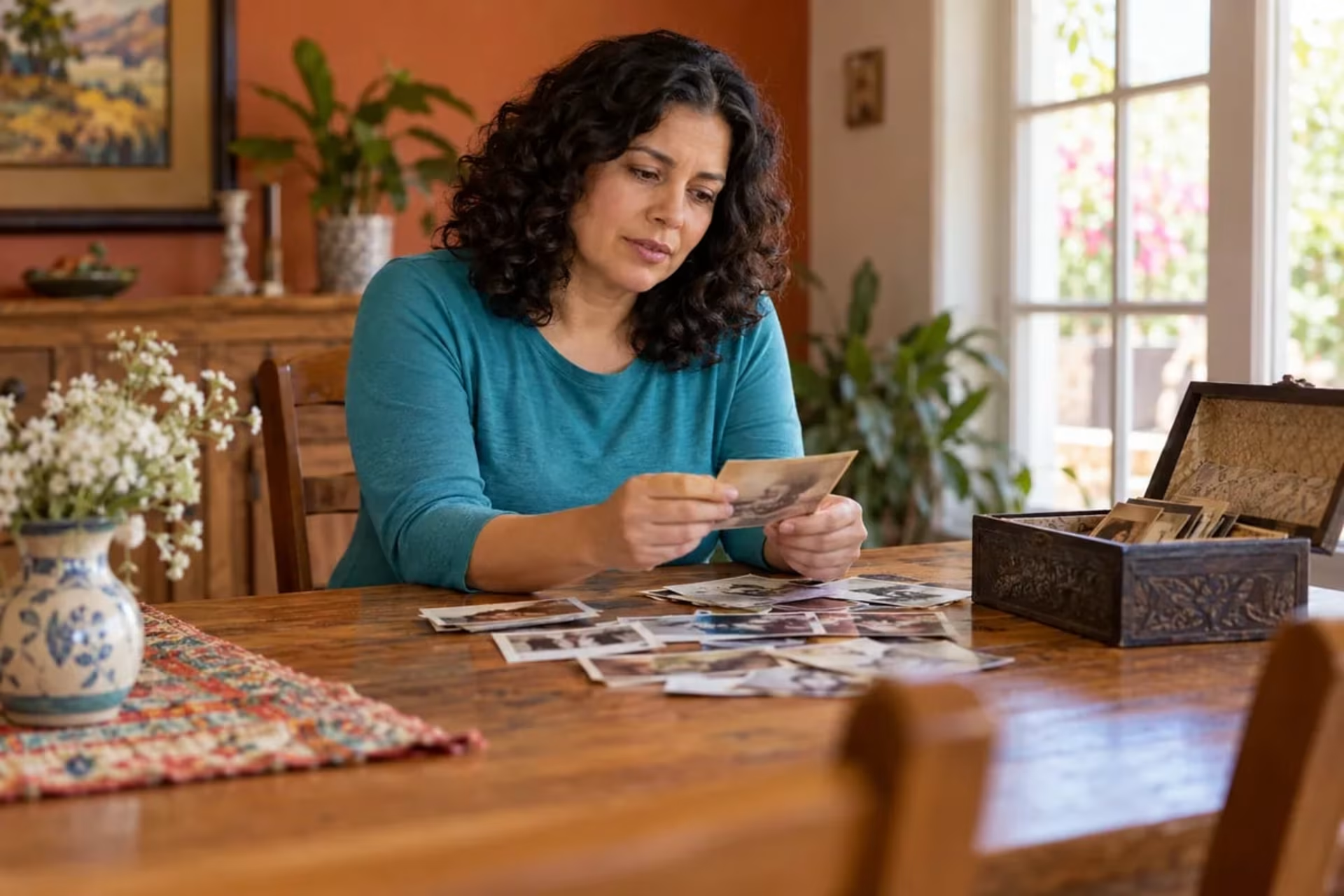
Maybe your mother died after a long battle with cancer and people have started telling you it is time to "move forward." Maybe your spouse died suddenly and you cannot get through a single day without the world feeling wrong. Maybe you lost a child and the word "healing" sounds like a language you do not speak. Whatever brought you here, your pain is real and it deserves to be understood.
Bereavement is the period after a death or another serious loss. To bereave someone is to deprive them of a person they love, and a bereaved person is living inside that loss. In clinical work, the bereavement definition is the state of having lost someone. Mourning is the outward expression of grief, the rituals and behaviors that vary by faith, family, and community. Grief itself is the internal experience. Common bereavement symptoms are sadness, yearning, trouble sleeping, and days that feel impossibly long.
Bereavement is not a linear process. There is no week where the pain is supposed to stop. But sometimes grief and major depressive symptoms begin to overlap in ways that make it hard to function, and that overlap is what clinicians and literature often call grief depression or bereavement-related depression.
Here are some related words and phrases you may have encountered:
Complicated grief - an older, equivalent term for what is now called prolonged grief disorder
Prolonged grief - grief that remains intense and disabling well beyond the expected period
Bereavement depression - a major depressive episode triggered by the death of a loved one
Reactive depression - depression that develops in response to a specific life event, including loss
These terms represent overlapping but distinct ideas. Understanding them is a first step toward understanding your own experience.
Grief vs. Depression: How to Tell the Difference

In the first weeks or months after a death, grief and depression can feel almost identical. Both involve sadness, trouble with sleep, difficulty concentrating, and withdrawal from friends and activities you once valued. That overlap is why so many bereaved people wonder whether what they are going through is normal or something that needs treatment.
Here is how to begin telling them apart:
Typical acute grief:
Grief often comes in waves and is tied to thoughts of the lost person, sometimes triggered by a song, a smell, or an empty chair at dinner
Yearning and longing for the deceased are dominant feelings
You can still experience moments of warmth, laughter, or interest, even briefly
Self-esteem is usually preserved - you might say "I miss them so much" rather than "I am worthless"
Grief can emerge on anniversaries, birthdays, or special occasions, even years later, without meaning you have a mental disorder
Signs that grief may be shifting toward depression:
Depression features a constant sense of emptiness and loss of pleasure in nearly everything, not only things connected to the loss
Pervasive hopelessness and a global negative view of yourself - thoughts like "I don't deserve to be here" or "nothing will ever matter again"
Significant changes in sleep, appetite, energy, or concentration that persist for weeks
Cognitive distortions can occur during grief and contribute to depression - for example, believing "it was all my fault" or "I should have done more"
Social withdrawal can exacerbate symptoms of both grief and depression, creating a cycle that is hard to break on your own
Clinicians use the DSM-5-TR criteria for major depressive disorder to help distinguish a normal grief reaction from a depressive episode. But you do not need to self-diagnose. If something feels off, that is reason enough to explore the symptoms of grief anxiety or talk to a professional.
Prolonged Grief Disorder and Bereavement-Related Depression in the Diagnostic and Statistical Manual
For most people, the sharpest edges of grief gradually soften over months. But for some, intense yearning, emotional pain, or numbness stays almost as strong a year or more after the loss. Work, relationships, health, and basic daily functioning all suffer. Complicated grief can impair daily functioning in ways that look different from depression but are equally debilitating.
The American Psychiatric Association's DSM-5-TR now recognizes prolonged grief disorder as a formal diagnosis. Its core features include:
The death of someone close occurred at least 12 months ago (6 months for children and adolescents)
Persistent daily longing or preoccupation with the deceased
At least three of eight additional symptoms: identity disruption, disbelief about the death, avoidance of reminders, intense emotional pain, difficulty re-engaging with life, emotional numbness, feeling life is meaningless, and intense loneliness
Clinically significant impairment in social, occupational, or other key areas
Symptoms exceed expected cultural, social, or religious norms
Bereavement-related depression - major depression triggered by the death of a loved one - can develop even in the first months after loss.
Key risk factors identified in research include:
Sudden or violent death - accidents, homicide, suicide, or unexpected medical emergencies
Multiple losses in a short period, such as those experienced during the 2020–2021 pandemic
Previous mental disorders, especially a history of depression or anxiety
Limited social support - isolation during grief increases depression risk significantly
A highly dependent or emotionally close relationship with the loved one
Lower income or educational level
Prolonged grief can lead to clinical depression. Chronic stress from grief can lower resilience to clinical depression over time. Grief can alter a person's sense of identity and purpose, leaving people unable to recognize themselves or their lives. But both prolonged grief disorder and depression are treatable, and seeking help is about easing suffering and reconnecting with life, not about "getting over" the person who died. Clinicians also consider cultural context, spiritual beliefs, and physical health when making a diagnosis - understanding the grief stages and how they unfold can be a helpful starting point.
When to Seek Help: Red Flags and Crisis Signs

You do not have to wait a full year or hit "rock bottom" to reach out for support. Professional support can prevent grief from turning into depression, and therapy can help at any stage of bereavement.
Red flags that grief may have shifted into depression or prolonged grief:
Intense daily grief lasting beyond 6–12 months with no softening - seek help if grief lasts over one year
Inability to return to work, school, or basic routines - professional therapy may be necessary when grief intensely disrupts daily life
Persistent feeling that life has no purpose without the loved one
Ongoing social withdrawal from friends, family, and community
Seeking professional help is important if feelings of worthlessness persist
Isolation can reinforce feelings of hopelessness during grief and depression
Contact a doctor or mental health professional urgently if you notice:
Frequent thoughts about death or dying - consider therapy if you have suicidal thoughts
Feeling like a burden to others
Significant unexplained weight change
Misuse of alcohol or substances to numb the pain
Self-harm behaviors
Crisis resources:
Call 911 or go to the nearest emergency room if someone is in immediate danger
In the U.S., contact the 988 Suicide & Crisis Lifeline (24/7, free, confidential) by phone, text, or chat
If you are supporting a grieving friend or family member, trust your instincts if something feels off. You can gently suggest professional help or accompany them to an appointment. Reviewing the 15 signs you need grief counseling together can make that conversation easier. Professional help is crucial for prolonged grief symptoms.

How Bay Area CBT Center Treats Grief Depression and Bereavement

At Bay Area CBT Center, we take a transdiagnostic, holistic, and personalized approach to grief, bereavement, and depression. Some of our therapists lean more somatic, some more cognitive, some more behavioral, but all of us look at you as a whole person - your body, your history, your relationships, your schemas, and the world you live in. Grief is not something to fix or rush. But when grief becomes stuck, turns into depression, or is complicated by trauma, guilt, or major life changes, therapy helps. Therapy does not replace medical care for depression.
The most important step is figuring out what is driving the depression underneath the grief, because that decides what we work on:
Withdrawal from activities and routines that once gave you a sense of accomplishment or pleasure - we use behavioral activation to help you gradually re-engage with life in a way that honors the loss
Isolation or changed relationships - when a loss has shifted your role (for example, becoming a single parent after a wife or husband dies), we work on rebuilding connection, because connection with others is a protective buffer against depression and support from family and friends aids grieving individuals
Collapse of meaning or purpose - we use existential work and values clarification to help you find what matters now, not to replace what was lost but to build alongside it
Trauma, avoidance, or a sudden violent death - we use exposure-based work to help you face what you have been avoiding so you can remember the person without being overwhelmed
Overwhelming waves of emotion - we bring in DBT skills for distress tolerance and emotion regulation
We also work with core beliefs and schemas that loss can activate - thoughts like "I will always be abandoned," "I should have prevented their death," or "I can't survive without them." Using schema therapy and compassion-focused therapy, we soften self-blame and build self-kindness. Self-compassion can help individuals cope with grief and depression in ways that feel sustainable rather than forced.
For people who feel numb, disconnected from their bodies, or flooded with physical sensations like chest tightness or stomach knots, somatic therapy helps restore the connection between mind and body. You can learn more about how loss lives in the body by reading about coping with body grief.
Values guide the work. Grief shows what mattered to you. We help you honor the person you lost and the relationship you had, and still move toward what you want to stand for and the life you want to build.
Evidence-Based Therapies for Grief Depression
Bay Area CBT Center integrates multiple evidence-based treatments, tailoring them to each person's history, culture, and current needs rather than using a one-size-fits-all protocol. Here is what that looks like in practice:
CBT for grief and depression: Cognitive Behavioral Therapy can help manage grief-related depression by identifying self-blaming thoughts ("It's my fault they died," "I should be over this by now") and behavior patterns like staying in bed all weekend. You gradually experiment with new ways of thinking and acting that honor both your pain and your values. Using expressive outlets - like writing a letter to the person you lost - can help process emotions during grief.
Interpersonal therapy for grief: Grief is one of the main areas interpersonal therapy, a form of relational psychotherapy, was built for. When a loss changes your relationships, your role, and your support system, we help you process the relationship you lost, rebuild connection with people still in your life, and learn skills to ask for support. Community support helps those grieving resume normal functioning.
Exposure therapy for traumatic grief: When a loss was sudden or traumatic, people often avoid memories, places, or reminders, and that avoidance can keep grief frozen. Exposure therapy helps you gradually face what you have been avoiding so the memories become painful but bearable. This connects with our broader trauma therapy in San Francisco services. You can also learn more about understanding delayed grief and how avoidance plays a role.
DBT for grief: DBT teaches distress tolerance (getting through a hard night without self-harm), emotion regulation (understanding and naming waves of sadness, anger, or guilt), and mindfulness (staying present through an anniversary or memorial service).
Existential therapy for grief and acceptance and commitment therapy: Loss raises the biggest questions - meaning, mortality, identity, who you are now. These approaches help you face those questions, clarify your values, and build a life with purpose that carries the person forward with you. For a deeper look, see acceptance and commitment therapy for grief.

Mindfulness-based therapy: Mindfulness practices can aid emotional regulation during grief by reducing rumination about the past ("What if I had called the doctor earlier?") and helping you notice thoughts and sensations without being pulled under by them.
Grief support groups: Grief can make you feel like no one understands. Grief support groups provide shared experiences for healing, a place to be with others who are mourning, and a chance to practice skills from therapy while feeling understood. Online grief support groups are also available for those who cannot attend in person.

Mental health retreats: A retreat gives you concentrated time away from daily demands to grieve, reflect, and do deeper work than weekly sessions allow. Bereavement leave allows time for mourning and healing, and a retreat extends that space in a structured, therapeutic way.
Mental health exercises and customized mindfulness meditations: Between sessions, we provide exercises like journaling prompts, values-mapping worksheets, and self-compassion practices tailored to grief so the skills you learn in therapy are there for you on the hard days.
Bay Area CBT Center Services
Bay Area CBT Center takes a transdiagnostic and holistic approach to grief, bereavement, and depression. Transdiagnostic means we help you work with the difficult thoughts, feelings, body sensations, and urges that get in the way of values-based action - like guilt, numbness, and the urge to shut down. Holistic means we look at you as a whole person, including your body, your relationships, your history, your schemas, and the world you live in.
We offer therapy across California, so you can get help close to home or from wherever you are. If depression has made it hard to get out of bed, focus at work, or feel anything at all, you can start with depression therapy in San Francisco, depression therapy in Oakland, depression therapy in Los Angeles, depression therapy in San Diego, depression therapy in San Jose, or depression therapy in Roseville. If meeting from home is easier, online depression therapy in California gives you the same care without the commute.
Grief doesn't follow a schedule, and it doesn't always look like sadness. It can show up as numbness, anger, exhaustion, or a sense that the world kept moving while you stopped. Grief-specific services include grief counseling in Los Angeles and grief counseling in San Francisco, where you can talk about the person or the life you lost without being rushed. Individual therapy gives you space for personal grief work at your own pace. Couples therapy helps partners navigating a shared loss or different grieving styles, so the loss doesn't pull you apart.
Between sessions, you can access our mental health tests to better understand your symptoms, curated mental health resources, and ongoing mindfulness practices to reinforce what you are building in therapy.
The most important step is the first one. Book a free consultation and we will match you with a therapist who fits your needs, your history, and the kind of support you are looking for.
Frequently Asked Questions About Grief Depression
There is no strict expiration date on "normal" grief. Many people feel acute pain for several months, and waves of sadness can return for years, especially around anniversaries and holidays. Clinicians and professionals in psychiatry become more concerned when, after about six to twelve months, intense distress has not softened at all, functioning remains severely impaired, or symptoms meet criteria for major depressive disorder in the Diagnostic and Statistical Manual of Mental Disorders. That said, you do not need to wait a full year. If grief feels unable to manage at any point in the period following loss, it is reasonable to seek support, with examples including being unable to work or keep up with basic responsibilities at home.
Yes. Especially after sudden, violent, or medically traumatic deaths, some people develop post-traumatic stress symptoms - intrusive images, nightmares, avoidance - or heightened anxiety about health, safety, or future losses. Pre-existing conditions such as generalized anxiety disorder, panic disorder, or past trauma can flare up after a major loss and may need targeted treatment alongside grief work. Bay Area CBT Center can integrate trauma-focused interventions, exposure work, and anxiety treatments within a grief-focused therapy plan.
Anger is a common and understandable part of grief, even if it feels uncomfortable or "wrong." People may feel angry with the loved one for leaving, with themselves, with medical professionals, or with systems of medicine that failed them. These reactions are signals of underlying pain, unmet needs, or violated expectations. Working with a therapist can help process anger, address any real-world injustices from cases involving violence or negligence, and find constructive ways to express and channel those emotions. The opinions expressed in grief are not a report card on your character - they are part of the state of loss.
Offer consistent, concrete support - checking in on a set day each week, bringing meals, helping with errands, or attending appointments - rather than vague offers like "Let me know if you need anything." Listen without trying to "fix" the grief. Avoid minimizing statements like "At least they're in a better place." Trust your interest in their wellbeing and gently suggest professional help if your loved one seems stuck, withdrawn, or hopeless. Sharing information about therapy options, including Bay Area CBT Center's services, the 988 Suicide & Crisis Lifeline, or trusted web resources for grief, can be a practical way to help someone take the next step. Thousands of people move through grief depression every year, and no one should have to do it alone.
Effective grief therapy is not about erasing memories or forcing you to "get over" your loss. At Bay Area CBT Center, therapists help you develop an ongoing internal relationship with the person who died while re-engaging with life. The goal is to carry your loved one forward - in your choices, rituals, and values - so the bond becomes a source of meaning and strength rather than only pain. You set the pace, you set the goals, and honoring the person you lost is always central to the process.