Free therapy readiness quiz · 25 questions

Do I Need Therapy Quiz: Free Online Self-Screening

A free self-assessment to reflect on whether counseling could help — not a clinical diagnosis or formal psychological evaluation

  • 25 questions
  • 5–10 minutes
  • Self-paced
  • Free counseling quiz

Wondering if you need therapy?

↓ Take the 25-question Do I Need Therapy Quiz Now

Curious whether ongoing stress, low mood, relationship strain, or feeling stuck could mean it is time for professional support? This free Do I Need Therapy quiz is a self-report online screening you can take from home. It helps you reflect on distress, daily functioning, and how long concerns have been building — then points you toward helpful next steps.

Do I Need Therapy quiz and free counseling self-screening on a laptop

IMPORTANT NOTE:

This free Do I Need Therapy quiz is for informational purposes only and is not intended to function as a psychological or psychiatric assessment. These results are not designed to replace a clinical diagnosis or decide your care plan. Understanding mental health concerns requires evaluation by a trained professional. Online quizzes like this are meant for self-reflection and are not diagnostic tools.

This page is a therapy readiness quiz / counseling self-screening. It is a free self-assessment and self-report online screening — different from clinical testing and assessment (professional evaluation).

Online Therapy Readiness Screening

An online therapy readiness screening can help you notice whether persistent stress, mood changes, relationship conflict, or declining daily functioning may point toward benefit from counseling. This Do I Need Therapy quiz and self-report questionnaire are designed to help you identify patterns that often show up when people delay getting support — giving you clearer language for what you are experiencing and guiding you toward appropriate next steps.

Many people function outwardly while privately struggling. Accessible screening is a useful first step when coping alone has started to feel exhausting, or when you are unsure whether your concerns are “serious enough” for therapy.

What is this Do I Need Therapy Quiz?

This Do I Need Therapy quiz is a self-guided screening tool that asks about common signs people notice before starting counseling — including stress load, mood, sleep, relationships, work or school functioning, and how long concerns have been present. Rather than diagnosing you, it helps you reflect on how often these patterns show up and how much they cost you.

Clinically, deciding whether therapy may help involves looking at distress intensity, duration, impairment, safety, and personal goals. People seek evidence-based care for anxiety, depression, trauma, relationship patterns, burnout, grief, and life transitions — with or without a formal diagnosis. CBT, ACT, schema therapy, and related approaches can support insight and change across many concerns.

It is essential to understand that no single online quiz can diagnose a mental health condition or replace therapy. A thorough evaluation by a licensed clinician typically includes a clinical interview, history, and attention to how patterns affect relationships, work, and daily life.

This self-assessment still serves several useful purposes. It can help you notice symptom clusters, prepare questions for a provider, and consider whether individual therapy, couples work, groups, or a free consult would be a good next step.

Therapy readiness self-assessment for an online Do I Need Therapy quiz

Types of Therapy Screenings Available

Understanding the range of tools available can help you choose a useful starting point. This free Do I Need Therapy quiz focuses on accessible online self-screening. Alongside it, clinicians may use symptom inventories, structured interviews, and deeper evaluations that take longer.

Online Therapy Readiness Self-Screening

Online counseling quizzes and self-report screenings are designed for convenience and early awareness. Many take only a few minutes and ask how stress, mood, sleep, relationships, and daily tasks have been lately. Themes often include overwhelm, withdrawal, conflict, difficulty concentrating, and feeling stuck despite trying to cope.

Completing a therapy readiness self-assessment privately can make it easier to describe your experience later in a consult. A higher score does not equal a diagnosis, and a lower score does not mean your concerns are unimportant if life still feels hard to manage.

Professional Evaluation

Professional evaluation is the definitive route when patterns feel intense, safety-related, or stuck. Psychologists, therapists, and other licensed clinicians can assess mood, anxiety, trauma, relationship dynamics, and functioning — then recommend therapy, coaching, or other support that fits your goals.

A clinical conversation usually covers what is hardest right now, how long it has lasted, what you have already tried, and what change would look like. Matching to the right approach matters as much as deciding to start.

Who Can Take a Do I Need Therapy Quiz?

Adults noticing persistent stress, low mood, relationship strain, or declining energy may benefit from a structured check-in. Screening is also useful if you already understand your challenges — but still feel unsure whether counseling is the right next step.

You may want to take this quiz if sleep or concentration has slipped, if work or school feels harder to sustain, if conflict keeps repeating, if you feel numb or overwhelmed more days than not, or if people close to you have gently suggested support. Partners and family members supporting someone who is struggling may also benefit from clearer language about when therapy helps.

Teens and young adults can experience similar strain, but younger clients often need age-appropriate clinical support rather than adult self-report tools alone.

How Therapy Readiness Screening Works

This Do I Need Therapy quiz is designed to highlight whether your recent experiences resemble common reasons people seek counseling. It is one form of self-screening within a broader ecosystem of questionnaires and professional assessments.

Distress, Duration, and Functioning

Clinicians often weigh how intense symptoms feel, how long they have lasted, and how much they interfere with relationships, work, sleep, and self-care. Screening questions mirror those domains so you can notice whether a short rough patch looks different from a longer pattern that deserves support.

Those protective moves — pushing through, minimizing, or waiting for a crisis — can delay care. Screening helps you spot the loop before problems grow.

Common Screening Themes

Questions may ask about mood, worry, irritability, motivation, sleep, appetite, concentration, loneliness, conflict, and whether coping strategies still work. Other items explore how often you feel stuck and whether support from friends or family feels like enough.

Answer based on your typical recent experience — not one hard day. Context, grief, trauma, and medical factors can all influence how you respond.

Importance of Professional Support

While this self-screening can clarify concerns and motivate action, only a licensed professional can diagnose related conditions and build a treatment plan. Seeking support is especially important if distress is intensifying, safety feels uncertain, or daily life is becoming harder to manage.

Uncover if Therapy Could Help You Right Now

Start 25-Question Quiz

Reflection domains

Areas This Quiz Asks About

This therapy readiness assessment looks at domains commonly linked to seeking counseling. Understanding these areas can help you interpret what the screening is asking — and why “needing therapy” rarely shows up as one simple feeling.

Stress and overwhelm illustrated for a Do I Need Therapy quiz

Stress and Emotional Load

Core experiences often include feeling overwhelmed, anxious, irritable, numb, or low more days than not. Ordinary pressures can start to feel unmanageable when coping tools no longer keep up.

Screening in this domain asks whether that load has been persistent and how much it is costing your wellbeing.

Daily functioning patterns for a Do I Need Therapy quiz and counseling self-assessment

Daily Functioning

Many people seeking therapy notice changes in sleep, focus, energy, motivation, or follow-through at work, school, or home. Tasks that used to feel doable can start to pile up.

A self-report screening typically asks how much these changes interfere with the life you want to live.

Relationships and support reflected in a Do I Need Therapy quiz

Relationships and Support

Some people reach for therapy when conflict, withdrawal, or loneliness keeps repeating — or when friends and family care, but cannot provide the structured help you need.

This quiz asks about those patterns because connection and support are often central to deciding whether counseling could help.

Sleep and rest patterns illustrated for a Do I Need Therapy quiz

Sleep and Rest

Trouble falling asleep, waking unrested, or nights spent ruminating often show up when stress and mood changes have gone on too long. Rest quality is a common reason people finally look at counseling.

Screening in this domain helps you notice whether sleep disruption is occasional — or a longer pattern that deserves support.

Next Steps After Therapy Readiness Screening

After you complete this Do I Need Therapy quiz, you will have a clearer sense of whether distress, functioning changes, or relationship strain deserve closer attention. That insight is a starting point — not an endpoint.

If your results raise concern, connecting with experienced clinicians can help you move from awareness to action. Support may include individual therapy, couples or family work, groups, or a free consult to explore fit and goals.

You do not have to wait until things feel unbearable. Reach out to explore therapy and next steps with compassionate, evidence-based care.

We offer various quizzes, including:

FAQ

Frequently Asked Questions

There is no single threshold. Therapy can help when distress is persistent, coping tools are not enough, relationships or work are suffering, or you feel stuck repeating the same painful patterns. You do not have to be in crisis — many people start counseling to understand themselves better, build skills, or prevent problems from growing.

Want support figuring out next steps?

If your results point to stress, mood changes, relationship strain, or feeling stuck in ways you want to understand more deeply, reach out to our team to explore therapy, coaching, or consultation options.

INNOVATIVE THERAPY

Fast, Easy, and Personalized Counseling

Explore our innovative matching experience, designed to identify the best type of therapy for you through a unique quiz. Once you’ve completed the quiz, we’ll connect you with the therapist or coach who perfectly suits your individual needs—all at no cost.

Ready to take the first step?

Check Out Our Books

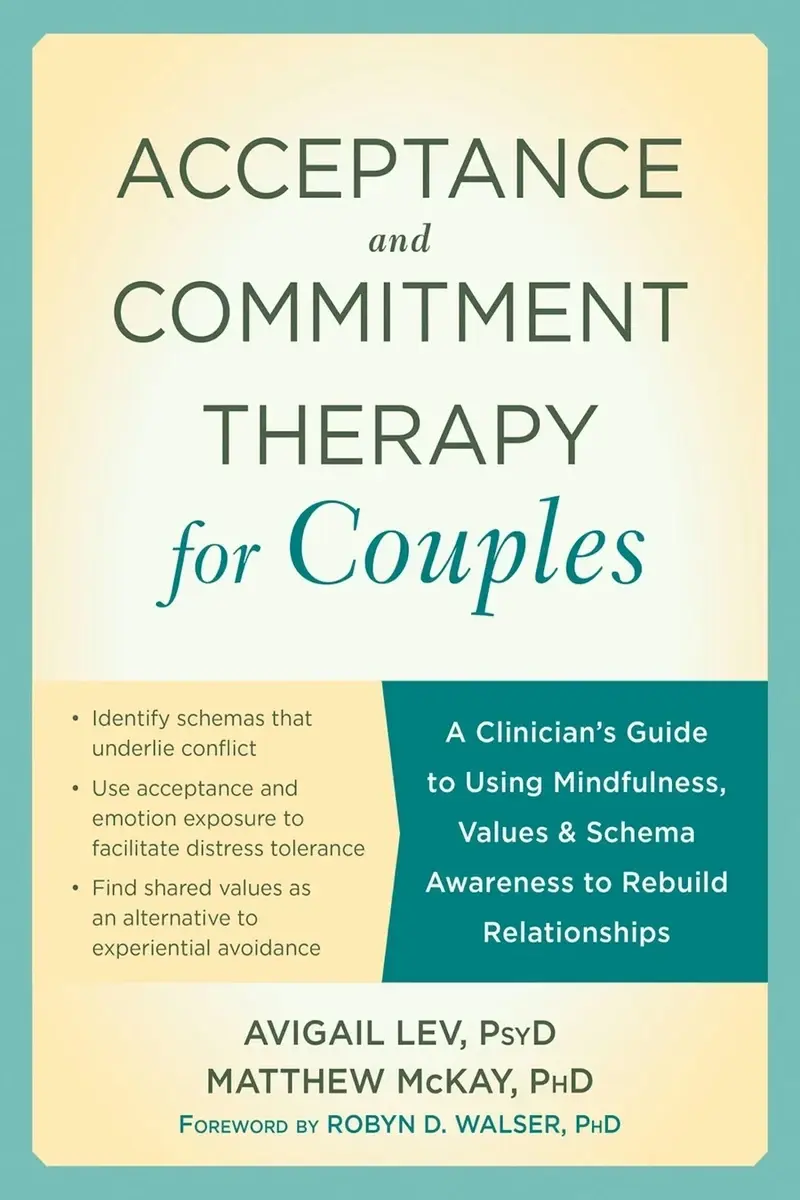
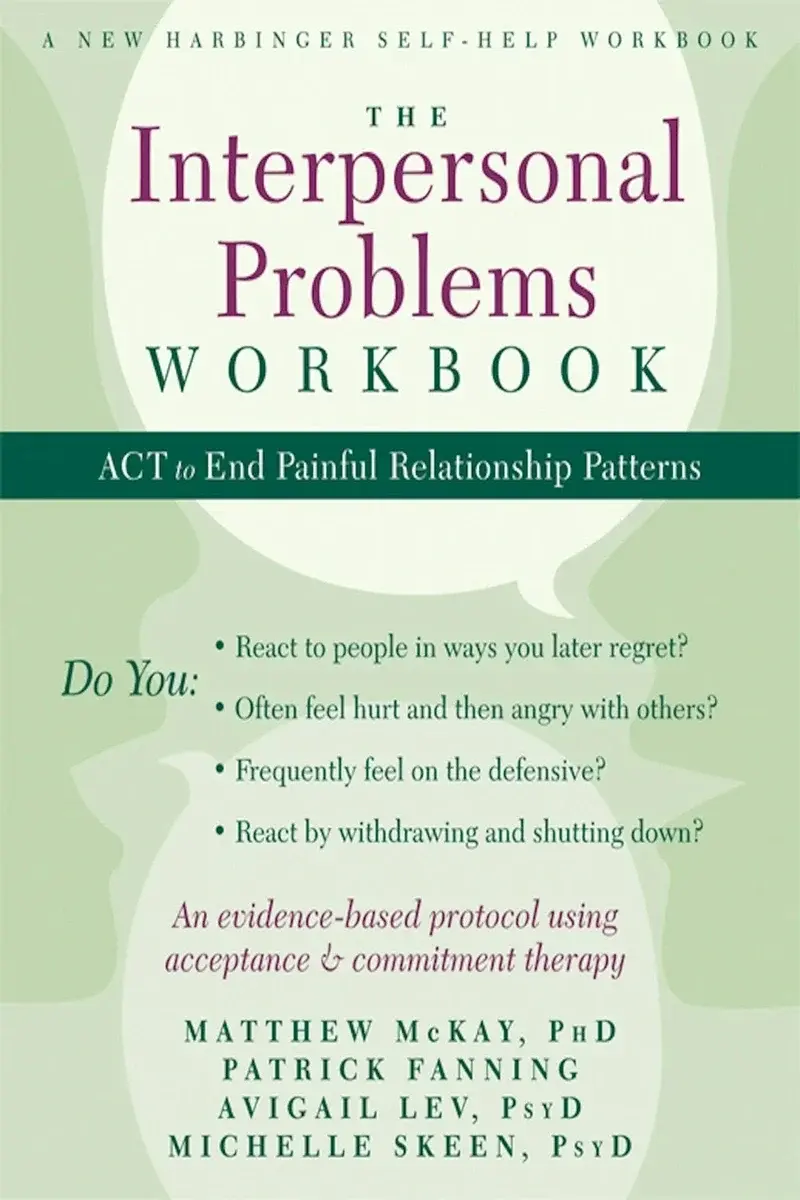
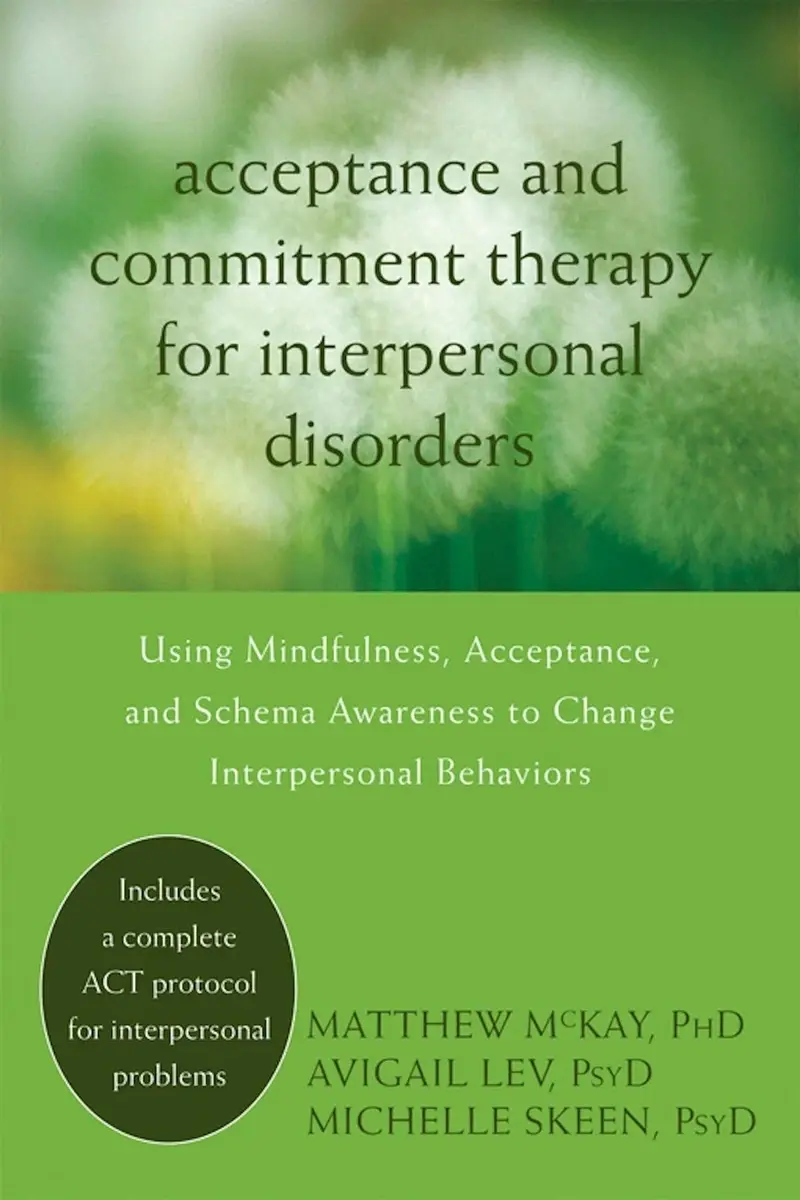
Acceptance and Commitment Therapy. You could say we wrote the books on it.