Experience a Customized Anxiety Retreat at Bay Area CBT Center
When you’ve tried everything and you’re still anxious
You’ve done the therapy, the apps, the breathing exercises, and the books. Anxiety is still running your life. Our anxiety retreat is a focused mental health retreat led by licensed therapists, with several therapy sessions each day, practical exposure to anxiety triggers, and time for rest and reflection in a supportive setting, so you can finally get unstuck.




As Featured In












Who Our Anxiety Retreats Are For
For adults whose anxiety disorder is interfering with daily life and who have not found enough relief from weekly therapy alone, this offers a more intensive, personalized, evidence-based path forward. Our anxiety retreats are fully customized and available across the U.S. and worldwide. With anxiety affecting more than 40 million Americans each year, many people need more than one session a week to break long-standing patterns and restore emotional balance.
Below, we explain what Bay Area CBT Center's anxiety retreats involve, which anxiety issues we treat, and how we personalize care around your schemas using evidence-based therapies like CBT, ACT, DBT, somatic work, and mindfulness. We also cover how we differ from a wellness retreat, what our retreats may cost, whether insurance may help, and how to get started.
Does This Sound Like You?
If you nodded along, you’re not doing anything wrong. Some anxiety is too stuck to shift in fifty minutes a week. About 19.1% of U.S. adults have an anxiety disorder in a given year, according to the National Institute of Mental Health. Anxiety disorders affect more than 40 million American adults every year. Most of them are doing their best with tools that aren’t enough.
You’ve Tried Weekly Therapy. Try an Anxiety Retreat.
An anxiety retreat gives you days of focused work instead of one hour a week. You do several sessions a day, practice in the situations that actually scare you, and build real momentum. What can take months in weekly therapy starts to move in days.
We are a mental health center that runs retreats, not a retreat center or a spa. Every retreat is led by our own licensed mental health professionals. You also get time to rest, breathe, and let your nervous system settle in a calm environment, away from the pressure of daily life. Unlike wellness retreats, this is real anxiety treatment.




We Offer Anxiety Retreats for Every Kind of Anxiety
Our retreats for anxiety cover every kind of anxiety. Whatever yours looks like, we build the retreat around it.
Every one of these is a real mental health issue, and every one responds to the right anxiety treatment. We also work with people who have other mental health challenges alongside anxiety, like depression, chronic stress, or stable bipolar disorder, and other mental health conditions. Our anxiety retreat is part of the Bay Area CBT Center mental health retreat program. We also offer couples therapy retreats and wellness retreats.
The Power of Collective Healing
Anxiety often thrives in isolation. When you spend years managing worry alone—canceling plans, rehearsing conversations, scanning for rejection—your nervous system learns that people are risky and solitude is safer. Collective healing interrupts that story. In a small, clinician-led group, you practice being seen, heard, and supported in real time, so connection itself becomes part of the treatment—not just something you talk about afterward.
This kind of interpersonal healing is especially powerful for social anxiety and attachment-based anxiety. Social anxiety tells you that you’ll be judged, awkward, or too much. Attachment-based anxiety tells you that closeness won’t last—that a slow text, a quiet moment, or a conflict means abandonment. Both patterns soften when you have emotionally restorative experiences with other people: being witnessed without performing, receiving feedback that is kind and honest, and staying present when the urge to withdraw shows up.
Why it matters: skills learned alone often fade the moment you’re back in a meeting, a relationship, or a room full of strangers. At a retreat, group work lets you try new responses while the anxiety is active—speaking up, setting a boundary, asking for what you need, or simply staying when you want to leave—with licensed therapists guiding the process. Those moments rewire more than insight alone can. They give your body proof that connection can feel safe.
You can keep that continuity going. We also offer the option to do a support group with your retreat participants before and/or after the retreat, so the relationships and practices from the intensive don’t end at checkout. Learn more about our ongoing groups.


Why Are You Anxious? We Find Out.
Two people can both be anxious for completely different reasons. So we don’t just treat “anxiety.” We use schemas to find out what your anxiety is really about.
Schemas are deep beliefs that formed when you were young. Think of them like sunglasses: they color everything you see, and you forget you’re wearing them. When one gets triggered, you get the same automatic thoughts, feelings, body sensations, and urges every time. Those urges drive what you do next.
There are about a dozen schemas. Here are just three examples of how they can show up as anxiety:
“Something bad is going to happen.”
You worry the food you’re eating will make you sick, or that a headache means something serious. So you check, Google, avoid, and ask for reassurance.
“They’re going to leave me.”
You feel anxious in relationships. A slow text back feels like the beginning of the end. So you text again, ask if everything’s okay, or pull away first.
“It’s not good enough.”
You feel anxious about never being good enough. So you overprepare, overwork, and reread the email ten times, and rest never feels earned.
Here’s the catch: what you do to feel safe keeps the anxiety alive. Asking for reassurance pushes people away. Overworking proves nothing is ever enough. Checking keeps the danger feeling real. Schemas work for every kind of anxiety, whether it shows up as panic, OCD, social anxiety, or perfectionism.
Once we know your schema, we know exactly what to work on. Then we help you do something different, based on what matters to you, not on what your anxiety is telling you to do. That’s when things start to change.
Want to see all the schemas and how they work? Read our guide to schemas and schema therapy, or take the Schema Questionnaire to find out which ones drive your anxiety.
Cognitive Behavioral Therapy and Other Therapies That Work
We only use evidence based therapies, the ones research shows actually work for anxiety. We pick the ones that fit you:
- Cognitive behavioral therapy and exposure, so you can face what you’ve been avoiding
- Acceptance and Commitment Therapy (ACT), so anxiety stops making your decisions
- Dialectical behavior therapy skills for emotional regulation when feelings get big
- Schema Therapy and self-compassion work for the patterns underneath
- Somatic work for your nervous system, because anxiety lives in your body
- Mindfulness practices that help you stay with anxiety instead of running from it
We add holistic therapies like yoga, movement, and time in nature when they help. That’s our holistic approach: real therapy first, with your body and surroundings supporting it. (What is holistic therapy?)








We Build Your Retreat Around You
No packages. No set schedules. You tell us what you need, and we build it with you:
- How long: one day, several days, or spread over a few weeks
- How intense: full days of work, or a slower pace with more rest
- Who comes: just you, you and your partner or family (with family therapy sessions), or a small group
- Where: anywhere in the United States or around the world
- What you work on: the anxiety that’s getting in your way most
You go home with coping skills you’ve actually practiced and a plan for everyday life. That’s how anxiety relief lasts.
How to Join an Anxiety Retreat
Apply
Tell us what’s going on, what you want to change, and when you’re free.
We Reach Out
When we have a retreat that fits you, we get in touch.
We Meet First
You meet with us before the retreat to plan your goals and schedule.
Your Retreat
You do the work, with licensed therapists by your side.
Want support before or after? We also offer the option to do a support group with your retreat participants before and/or after the retreat. You can join group therapy with us too — see our ongoing groups.
Is an Anxiety Retreat Right for You?
It probably is if anxiety is getting in the way of your work, relationships, sleep, or health, weekly therapy hasn’t been enough, and you’re ready to try something different with support.
A retreat is more than weekly therapy and less than residential treatment. If you’re in crisis or need medical care around the clock, residential treatment is the right place to start, and we’ll help you find it.




What Does an Anxiety Retreat Cost?
Most of our retreats are around $3,500. That includes lodging, meals, and all your therapy sessions. Flights are separate. The price depends on how long, where, and who comes.
Can You Use Health Insurance for an Anxiety Retreat?
Sometimes. If your health insurance has out-of-network benefits, like many PPO plans, it may pay back part of the therapy sessions. Lodging and meals usually aren’t covered. Insurance coverage differs across most major insurance plans, so check yours with our Health Insurance Checker. We can give you a superbill.
Therapy doesn’t replace medical treatment. If you take medication, medication management stays with your prescriber, and we help you explore any treatment you might need alongside the retreat.
Retreats Backed by Groundbreaking Clinical Work
As outlined in our therapy books
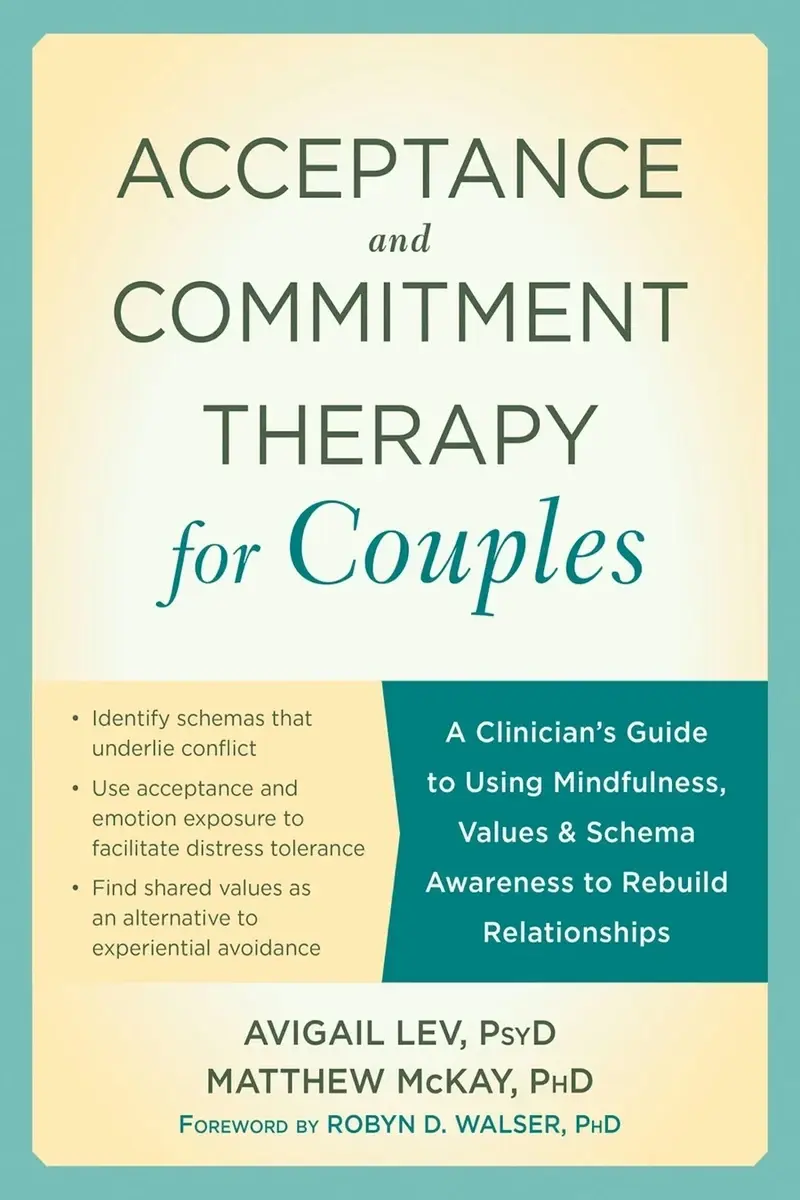
ACT for Couples
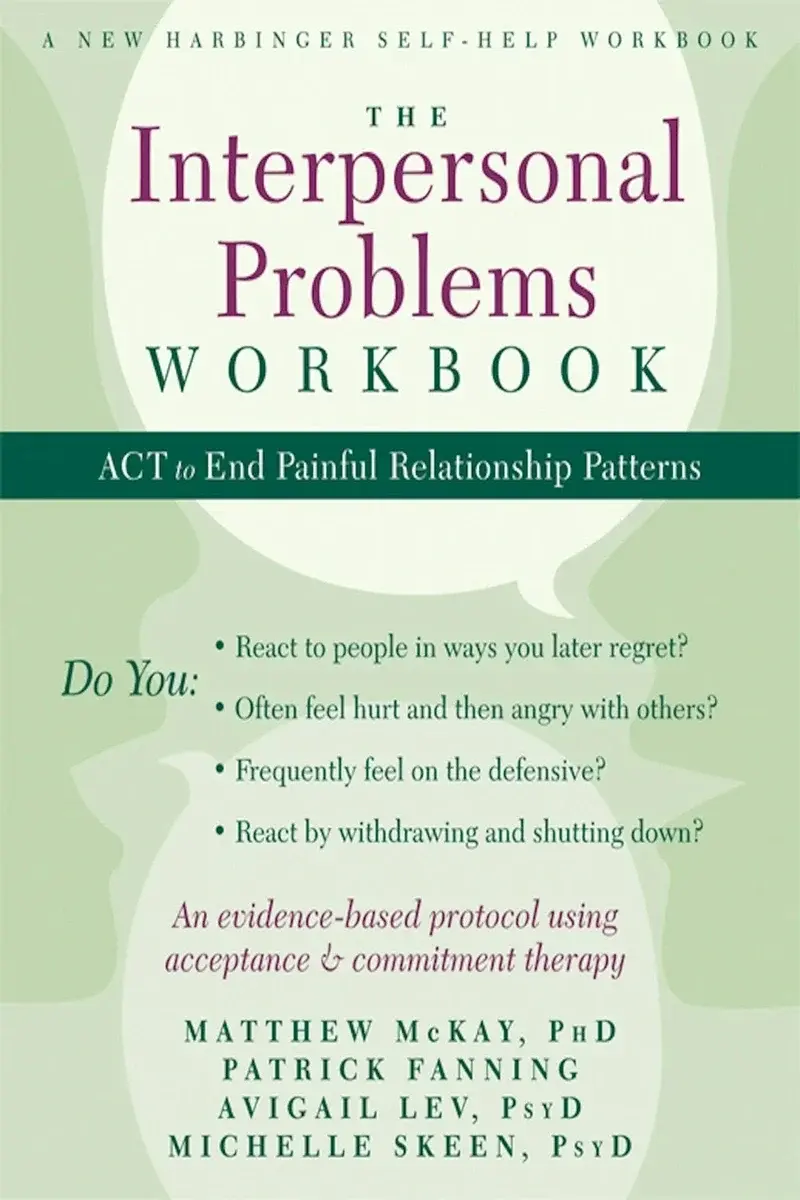
Interpersonal Problems Workbook
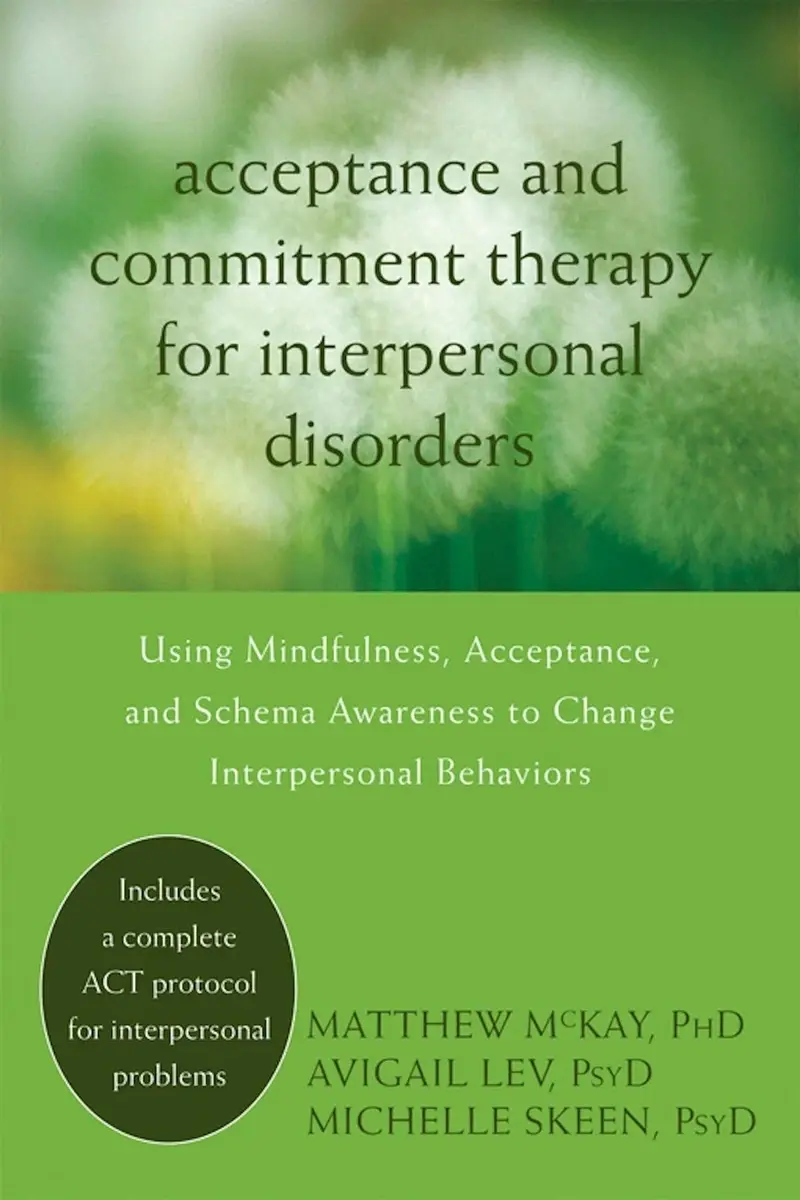
ACT for Interpersonal Problems
Ready for Real Anxiety Relief?
Apply today. There’s no commitment. Just tell us what’s going on, and we’ll take it from there.
The Full Guide
Learn More About Our Anxiety Retreat
Everything you want to know: how it works, who it helps, and what happens before, during, and after.
The Short Version
- An anxiety retreat is focused therapy for anxiety over a short stretch of time. It’s not a vacation.
- We figure out why you’re anxious, then use therapies that work to help you change what you do about it.
- We build every retreat around you: how long, how intense, where, and who comes.
- After the retreat, you can keep going with individual therapy or a group.
Read the full guideClose the guide
What Are Retreats for Anxiety, and How Are They Different From Wellness Retreats?
Retreats for anxiety give you a few days away from normal life to focus on one thing: getting your anxiety under control. An anxiety retreat is a type of mental health retreat. You work with licensed therapists every day, practice new skills, and have time to rest.
Retreats for anxiety are not all the same. Some are wellness retreats with yoga and massages. Some are run by a retreat center that hires whoever is available. Ours are run by a mental health center, led by our own therapists, and built around evidence based therapies. That difference matters when you’re trying to change something that’s been stuck for years.
People look into retreats for anxiety for different reasons. Some have tried weekly therapy and hit a wall. Some can’t fit therapy into their schedule and want to do focused work all at once. Some are going through a hard stretch, like a breakup, a new job, or a loss, and their anxiety has spiked. A mental health retreat gives all of them the same thing: time, focus, and real support.
What Anxiety Does to Your Nervous System and Your Life
Anxiety isn’t only in your head. It’s your nervous system sounding an alarm: racing heart, tight chest, shallow breathing, restlessness, and a mind that won’t stop looking for what could go wrong. Once in a while, that alarm protects you. When it goes off all day, it turns into chronic stress, and it takes over daily life.
Common anxiety symptoms include:
- Constant worry you can’t turn off
- Panic attacks: sudden waves of fear with a pounding heart, dizziness, or trouble breathing
- Avoiding people, places, calls, or tasks
- Checking, asking for reassurance, and other compulsive behaviors
- Trouble focusing and losing your mental clarity
- Tension, headaches, and stomach problems
The hardest part of anxiety usually isn’t the feeling. It’s what you do to get away from it. Avoiding things feels better for a minute, and then your brain learns the thing really was dangerous. Little by little, your life gets smaller. Good anxiety management is about changing your response, not getting rid of the feeling. That’s why anxiety management that only tries to make the feeling go away often backfires. Our anxiety treatment helps you stop letting the feeling make your choices.
Anxiety and Your Nervous System
Your nervous system has one main job: keep you safe. When it senses danger, it speeds up your heart and breathing so you can fight or run. With anxiety, your nervous system sounds the alarm when there’s no real danger, like before a meeting, during a text conversation, or when you notice a new ache.
You can’t think your way out of a nervous system response. That’s why just telling yourself to calm down doesn’t work. What does work is teaching your nervous system, through experience, that the thing you fear is survivable. That’s what exposure does. Each time you stay with the fear instead of escaping, your nervous system learns something new.
A retreat is a good place for this because you can repeat that learning many times in a few days, with support. Between sessions, rest, movement, and time outside help your nervous system settle, so you’re ready for the next round. Over time, your nervous system stops reacting to everyday things as emergencies.
Your surroundings matter too. Noise, screens, and constant notifications keep your nervous system on edge. Quiet time away from daily stressors helps lower stress hormones, so your body can reset while you do the harder work.
Is This Stress, or Is It Anxiety?
Stress management and anxiety treatment overlap, but they’re not the same. Managing stress means lightening the load: more sleep, exercise, boundaries, time off. Those things help, and we include them in your plan.
With an anxiety disorder, the alarm keeps going off even when life is manageable. A vacation can lower your stress for a week, but it won’t change how you react. That’s why we work on the patterns that keep the alarm going, so the change lasts after you get home.
Anxiety Is a Mental Health Issue, Not a Personal Failing
A lot of people with anxiety blame themselves. They think they should be able to push through it or just relax. But anxiety is one of the most common mental health challenges there is, and it responds well to the right mental health treatment.
Anxiety disorders are some of the most common mental health conditions in the world. Anxiety also rarely travels alone. It often shows up with depression, trouble sleeping, burnout, or other mental health challenges. Many anxiety symptoms, like a racing heart, stomach problems, and exhaustion, are physical, which is why people sometimes spend years seeing doctors before anyone mentions mental health.
Taking care of your mental health is like taking care of your body. You wouldn’t wait years to treat a broken arm. Getting mental health treatment for anxiety early can keep it from spreading into more areas of your life.
Why Weekly Therapy Isn’t Always Enough
Weekly therapy works for a lot of people. But by the time you catch your therapist up on your week, there’s little time left to practice anything new, and a lot can fade before the next session.
A retreat changes that. When sessions happen back to back, each one builds on the last. Exposure, skills practice, and real-life experiments stack up instead of starting over. Research on intensive treatment, like the Bergen 4-Day Treatment, shows that focused, short-term exposure work can lead to big and lasting improvement in anxiety disorders.
Some people come to a retreat to get past a plateau in regular therapy. Others use it as a strong start before weekly sessions. Both work.
Anxiety Retreats vs. Wellness Retreats and Holistic Healing Programs
A lot of people start by searching for wellness retreats, so here’s how they compare to an anxiety retreat.
- Who leads it: Wellness retreats are usually led by yoga teachers, coaches, or healers. Our retreats are led by licensed therapists.
- What you do: Wellness retreats focus on relaxing, like spa time, classes, and healthy meals. Our retreats focus on changing the patterns that keep your anxiety going.
- What you take home: Wellness retreats can leave you feeling rested for a week or two. Our retreats send you home with coping skills you’ve practiced and a plan for daily life.
- Who it’s for: Wellness retreats are great if you’re stressed and need a break. If you have an anxiety disorder, you need treatment, not just a break.
There’s nothing wrong with wellness retreats. Rest is good for you. But if you’ve already taken the vacation and the anxiety came home with you, a wellness retreat probably isn’t what you need. Many people come to us after trying wellness retreats that felt nice but didn’t change anything.
How Is This Different From Behavioral Health Centers or a Retreat Center?
“Retreat” can mean a lot of things, so here’s the difference.
Wellness retreats are about relaxing: spa treatments, yoga classes, healthy food, and time off. Many holistic healing programs are similar. They can feel great, but they aren’t built to treat an anxiety disorder, and they’re often run by coaches or healers with no clinical training.
Many mental health retreat centers are really venues. The program changes depending on who’s leading it that month. We do the opposite: we’re a mental health center, and we bring our own licensed therapists to the retreat setting. The place changes. The therapists, the methods, and the quality of care don’t.
When you compare a mental health retreat center to us, ask one question: who will actually be in the room with you? At many retreat center programs, it’s a different person every month. At ours, it’s our own therapists, every time.
Behavioral health centers and residential treatment programs offer 24-hour care for people who aren’t safe at home or need medical supervision. Those mental health treatment programs, and other intensive mental health treatment programs, are the right choice when you need that level of care. Behavioral health centers often have waitlists, fixed schedules, and group-heavy programs. They’re built for people who need a higher level of care, not for someone who’s functioning but stuck.
Our anxiety retreats sit in between. They’re more focused than weekly therapy, less restrictive than residential care, and led entirely by licensed mental health professionals who write treatment plans just for you. Every mental health retreat we run works this way. See all our retreats.
Who Leads Our Mental Health Retreats
Every mental health retreat we run is led by licensed therapists from our own mental health center. They use the same methods we use in weekly sessions, so the care you get at a retreat is the same quality you’d get in our office.
That’s different from many mental health retreat centers, where the staff changes from program to program. At some mental health retreat centers, the person leading your sessions is a coach, not a therapist. Our retreats are mental health treatment first. The location is just where it happens.
How to Choose Among Retreats for Anxiety
If you’re comparing retreats for anxiety, here’s what to look for:
- Licensed therapists: Every mental health retreat should be led by licensed therapists, not coaches.
- Evidence based therapies: Ask which treatments they use. Look for CBT, exposure, ACT, and DBT skills.
- Personal treatment plans: Your plan should be built for you, not copied from the last group.
- A real intake assessment: A good mental health retreat talks with you before you arrive to make sure it’s the right fit.
- Small groups: Smaller groups mean more personal attention.
- A flexible schedule: Your days should balance therapy with rest, and change if you need them to.
- A plan for after: Ask what happens when you get home. Good retreats for anxiety include follow-up support.
- Clear pricing: Costs vary by length and amenities, so you should know what’s included before you commit.
Our retreats check every box. If a retreat center can’t answer these questions clearly, keep looking.
Why Different People Get Anxious About Different Things
Most programs start with a diagnosis. We start with your schema, because it tells us what your anxiety is trying to protect you from.
When a schema gets triggered, the same chain happens every time: thoughts (“They’re going to leave,” “I’ll get sick,” “It’s not good enough”), feelings (fear, shame, dread), body sensations (tight chest, nausea, heat), and urges (check, ask, fix, avoid). The urge turns into an action, and that action ends up proving the schema right. That loop is what keeps anxiety going.
Here are a few examples of common schemas and how they can drive anxiety:
- Vulnerability to Harm: You’re anxious about getting sick, contamination, or something terrible happening. This often sits under health anxiety, contamination OCD, and fear of panic. Checking and Googling calm you for a minute and keep the fear alive.
- Abandonment: You’re anxious about being left. It shows up as relationship anxiety and jealousy. Clinging or asking for reassurance can push people away, which proves the fear right.
- Unrelenting Standards: You’re anxious about falling short. It drives perfectionism and burnout. Every win just raises the bar.
- Defectiveness and Shame: You're anxious that something is wrong with you, and that if people saw the real you, they wouldn't love or accept you. Hiding protects you from being exposed and keeps anyone from getting close enough to prove the fear wrong.
- Social Isolation and Alienation: You feel different from others, like you don't fit in or belong. This is often at the root of social anxiety. Pulling away feels safer, and the distance makes you feel even more alone.
- Failure: You’re anxious that you don’t measure up. Putting things off protects you in the moment and creates the proof you were afraid of.
- Mistrust: You’re anxious about being hurt or used. Staying on guard keeps people at a distance, which proves no one is safe.
That’s why schemas work for every kind of anxiety. Panic, OCD, generalized anxiety, and social anxiety can all come from the same schema, and the same diagnosis can come from different schemas. Knowing yours builds self awareness. Once you can see the sunglasses, you get to choose what to do next.
From there, we use ACT to help you step back from the schema’s thoughts, make room for the feelings, understand what you needed and didn’t get, and act on what matters to you. Self-compassion is a big part of it. The goal isn’t to argue with the schema. It’s to stop letting it decide for you.
The Kinds of Anxiety We Work On
Worry That Won’t Stop
Generalized anxiety keeps you stuck in “what if” loops that feel useful but never solve anything. We work on facing uncertainty and making decisions based on your values. Goals might be making a decision without a hundred lists, or sending an email without editing it again.
Panic Attacks
Panic disorder makes people avoid more and more to prevent the next attack. We bring on the body sensations you fear, on purpose and with support, until your body learns they’re safe. That can mean driving, crowded places, elevators, or travel with your therapist.
Social Anxiety Disorder
Social anxiety disorder is a great fit for a retreat because you can practice many times in one day. We do role-plays and real-world practice. Goals might be speaking up in a meeting, giving a short talk, or starting a conversation with someone new.
OCD
For obsessive compulsive disorder, we use exposure and response prevention: facing the trigger without doing the compulsion. That might mean sending an email without rereading it, touching something “dirty” without washing, or leaving the house without going back to check.
Health Anxiety
This kind of anxiety keeps you focused on every sensation in your body. Googling symptoms helps for a minute and then makes it worse. We work on checking less, living with uncertainty, and following a reasonable plan with your doctor without constant reassurance.
Perfectionism and Burnout
Perfectionism isn’t just high standards. It’s a pattern driven by fear of failing or not being enough. We practice “good enough,” set limits on work, and make room for rest you don’t have to earn.
Relationship Anxiety
Overthinking texts, fear of being left, and needing reassurance are common. When your partner or family joins, family therapy sessions or couples sessions let us work on the pattern together.
Anxiety After Trauma
Anxiety tied to unresolved trauma, post traumatic stress, or combat stress often shows up as being on guard, startling easily, and avoiding reminders. Post traumatic stress keeps the body on alert long after the danger has passed. We use prolonged exposure, which works directly with the memories and reminders you’ve been avoiding instead of putting that work off. Before any retreat, we make sure it’s safe; if someone is actively suicidal or experiencing psychosis, a higher level of care comes first.
The Therapies You’ll Do at an Anxiety Retreat
Cognitive Behavioral Therapy (CBT)
Cognitive behavioral therapy is the most studied treatment for anxiety and the most common therapy used at anxiety retreats. At a retreat, you don’t just talk about it. You practice: facing fears step by step, testing what your anxiety predicts, and trying new ways to respond.
Acceptance and Commitment Therapy (ACT)
ACT helps you feel anxious and still do what matters to you. Instead of fighting anxious thoughts or waiting for them to go away, you learn to let them be there and keep moving toward your values.
Dialectical Behavior Therapy (DBT) Skills
If your feelings get big fast, dialectical behavior therapy skills help with emotional regulation, getting through hard moments, and handling tough conversations.
Schema Therapy and Self-Compassion
Schema Therapy works on the deep patterns described above. Compassion-focused work takes on the harsh inner critic that often comes with anxiety, so you can treat yourself with understanding instead of pressure.
Somatic Work
Anxiety lives in your body. Somatic work uses breathing, grounding, and paying attention to your body to help you stay with uncomfortable sensations. Relaxation techniques have their place, but if you use them to escape anxiety, they can keep it going.
Mindfulness
Our mindfulness practices (more on mindfulness-based therapy) teach you to notice where anxiety sits in your body and stay with it until it passes. Being kind to yourself works better than reassurance: “This is hard, and I can handle it” helps in a way “Everything’s fine” never does.
Emotional Healing: What the Process Looks Like
The healing process isn’t a straight line. Most people feel worse for a moment before they feel better, because you’re finally facing what you’ve been avoiding. That’s normal, and it’s a sign the healing process is working.
At a retreat, we map out the healing process ahead of time in your treatment plans. Your treatment plans list your goals, the fears you’ll face, and the skills you’ll practice, so you always know why you’re doing what you’re doing. As you go, you build self awareness: you start to catch your patterns as they happen, instead of after.
The retreat setting helps. When you’re away from your usual triggers and to-do lists, it’s easier to focus. The healing process keeps going after you leave, and your plan helps you keep it moving in everyday life.
What a Retreat Day Can Look Like
There’s no set schedule. On an intensive day, you might have a morning session, practice facing a fear out in the world, take a break outside, do an afternoon session on your schemas and values, and end with quiet time for personal reflection. A slower retreat has fewer sessions and more rest. It all depends on you. Either way, every day balances therapy with rest, in a safe environment for working on your anxiety symptoms.
Do We Offer Yoga, Meditation, and Nutritional Counseling?
Yes, when it helps. Holistic activities like yoga, movement, nature walks, and shared meals can support the work. Some retreats include nutritional counseling. These holistic practices help restore balance, support emotional balance, and give your nervous system a chance to settle between sessions.
You may have seen holistic healing programs that promise to heal anxiety through diet, cleanses, or energy work alone. Many holistic healing programs mean well, but on their own they aren’t anxiety treatment. We use holistic therapies as a support, alongside therapy that’s proven to work. Holistic activities like cooking together or walking in nature also give you a break between harder sessions.
Nutritional counseling can help too. A healthy diet supports brain health and mood, and what and when you eat, how much caffeine you drink, and how you sleep all affect anxiety symptoms. When it fits your goals, nutritional counseling is part of your plan.
But they aren’t the treatment. The clinical treatment is. We add holistic pieces when they help you reach your goals, never in place of real therapy.
How an Anxiety Retreat Helps You Restore Balance
When anxiety takes over, everything gets out of balance. You sleep less, work more, see people less, and spend hours in your head. A retreat helps you restore balance in a few ways.
First, you get distance. Stepping out of your routine lets you see your patterns clearly. Second, you get practice. You try new ways of responding while a therapist helps you. Third, you get rest. Sleep, meals, and time outside help your body restore balance after months or years of running on stress.
Stress management is part of this too. We look at your sleep, work hours, and habits, and we build simple stress management steps into your plan. Good stress management won’t cure an anxiety disorder on its own, but it makes the rest of the work easier.
The goal is to restore balance in a way that lasts, not just for the week you’re away. That’s why the plan you leave with covers your real life: your job, your relationships, and your routines. When anxiety shows up again, and it will, you’ll know how to restore balance without starting over.
After the Retreat: Keeping Optimal Mental Health
Going home is part of the plan. We help you make the move back into daily life, not just the retreat itself. What you keep practicing is what sticks. Before you leave, we go over what changed and write a plan for everyday life: what to keep doing, what fears to keep facing, and what to do when anxiety spikes.
You can keep going with individual therapy, join our online group therapy (see our groups) for a supportive community, or come back for follow-up sessions. We also offer the option to do a support group with your retreat participants before and/or after the retreat. We’ll also point you to mental health resources that help. The healing process keeps going after the retreat, and a lot of the change happens in the weeks after, as you use what you learned. Many people say the retreat was the start of a bigger personal journey toward emotional resilience, personal growth, and optimal mental health.
Protecting Your Mental Health After a Mental Health Retreat
A mental health retreat is a strong start, but your mental health needs care every week, not just once. Coming home can feel like a lot, especially if your job or relationships were part of what made you anxious. That’s why we plan for the return before you leave.
Some people keep up their mental health with weekly therapy. Others check in once a month or join a group. Some come back for another mental health retreat a year later to go deeper. There’s no right answer, just what fits your life and keeps your mental health on track.
Whatever you choose, you won’t be on your own. Our mental health center offers individual therapy, groups, and follow-up sessions, so the work you started keeps going. Protecting your mental health is part of personal growth, and it gets easier the more you practice it.
What About Medication Management?
Therapy doesn’t replace medical treatment. Medication management stays with your prescriber, and we don’t prescribe. When we plan your retreat, we ask about your medications, sleep, and health, and we help you explore any treatment you might need alongside therapy, like medication.
The Bottom Line
If you’re anxious and you’ve tried everything, an anxiety retreat is worth trying. We find out why you’re anxious, use therapies that work, and give you enough time to actually change. You leave with tools you’ve practiced, a plan, and support if you want it. It’s emotional healing that comes from doing, not a quick escape, and it supports your emotional well-being long after you go home. Our holistic approach means we care for your mind, body, and emotional well-being together.
Frequently Asked Questions
What is an anxiety retreat?
It's focused therapy for anxiety over a short stretch of time. You do several sessions a day with licensed therapists, practice in real situations, and have time for rest and personal reflection in a calm environment. We build every one around you.
Is an anxiety retreat a mental health retreat?
Yes. It's a mental health retreat focused on anxiety, so the work targets what keeps anxiety going, like avoiding, checking, asking for reassurance, and worrying.
How long is an anxiety retreat?
As long as you need. Some people do one full day, some do several days in a row, and some spread sessions over a few weeks. We decide together.
Where are anxiety retreats held?
Anywhere in the United States or around the world. We choose the place around you, and it's always a safe and supportive space to do real work.
Who is a mental health retreat for?
A mental health retreat is for adults who want focused help with their mental health, like anxiety, stress, or burnout, and who don't need 24-hour care. If your mental health is getting in the way of work or relationships, a retreat can help you get unstuck.
Can I do a retreat if I already have a therapist?
Yes. Lots of people keep seeing their therapist before and after. The retreat is a focused boost on top of your regular care.
How much does it cost?
Our retreats range from $2,500 to $7,500, and most are around $3,500. That includes lodging, meals, and all therapy sessions. Flights are separate.
Does insurance cover it?
Sometimes. PPO plans with out-of-network benefits may pay back part of the therapy sessions. Lodging and meals usually aren't covered. Check with our Health Insurance Checker, and we can give you a superbill.
What's the difference between a mental health retreat and wellness retreats?
A mental health retreat is led by licensed therapists and focuses on treatment. Wellness retreats focus on relaxation and are usually led by coaches or instructors. Both can help you feel better, but only one is built to treat anxiety.
Are retreats for anxiety worth it?
For a lot of people, yes. If weekly therapy hasn't been enough, a retreat gives you enough time to make real progress. You leave with skills you've practiced, not just ideas.
Should I choose a mental health retreat or wellness retreats for anxiety?
If you mainly need rest, wellness retreats can help. If anxiety is getting in the way of your life, choose a mental health retreat led by therapists, where you get real mental health treatment and a safe and supportive space to practice.
What makes your anxiety retreat a supportive space?
You work with the same therapists throughout, at your own pace, with no pressure to share more than you want. It's a supportive space for hard work, and a place to focus on your emotional healing without the demands of home.
Is an anxiety retreat the same as a retreat center?
No. A retreat center is usually a venue that hosts different programs. We're a mental health center. We bring our own therapists to the retreat setting, so your care is consistent.
Is a mental health retreat covered by health insurance?
Sometimes, partly. Health insurance with out-of-network benefits may reimburse the therapy sessions. Lodging and meals usually aren't covered. Check your insurance coverage before you apply.
How are retreats for anxiety different from behavioral health centers?
Behavioral health centers offer structured, often residential programs for people who need a higher level of care. Our retreats for anxiety are for people who are functioning but stuck, and want focused treatment without checking into a program. We're happy to point you to behavioral health centers if that's what you need.
How fast will I feel anxiety relief?
Many people notice anxiety relief during the retreat, as fears they've avoided start to shrink. Lasting anxiety relief comes from practicing what you learned once you're home. We help you plan for that.
Do you offer retreats for anxiety in groups?
Yes. You can do an anxiety retreat on your own, with a partner or family member, or in a small group. Group therapy at a retreat lets you practice with people who understand what you're going through, and that sense of community helps you feel less alone. We keep groups small.
Can a retreat help with panic attacks?
Yes. Panic attacks respond well to focused exposure work, and a retreat gives you time to practice it many times with support.
Can an anxiety retreat help with social anxiety disorder?
Yes. Social anxiety disorder improves with practice, and a retreat lets you practice many times in a few days, with a therapist helping you plan each step.
What does an anxiety retreat do for your nervous system?
It gives your nervous system repeated proof that the things you fear are survivable, plus rest between sessions so it can settle. Over time, the alarm goes off less often.
Is emotional healing possible in a short retreat?
Yes, when the time is focused. Back-to-back sessions let you go deeper than weekly therapy, and the plan you leave with keeps the emotional healing going at home.
How do I know if it's right for me?
If anxiety is getting in your way and you're ready to try something different, apply. If another kind of care would help you more, we'll tell you and help you find it.