Experience a Customized Depression Retreat at Bay Area CBT Center
Evidence-Based, Personalized Healing Without Leaving Your Life Behind
You’ve done the therapy. You’ve tried the medication, the apps, the self-help books. You push through work, family, and relationships, and you still wake up heavy, numb, or empty. It’s time to try a depression retreat: focused time with licensed therapists, built around you, so you can finally start to feel like yourself again.



As Featured In










Who Our Depression Retreats Are For
Our depression retreats are for adults whose depression is getting in the way of daily life and who haven’t found enough relief from once-a-week sessions alone. A depression retreat is a mental health retreat for depression that gives you a more intensive, personalized, evidence-based path forward. Our depression retreats for adults are therapy retreats for depression, not a depression camp or a spa. Every retreat is fully customized and can take place anywhere in the United States or around the world.
Below, we explain what our retreats for depression involve, how we use schemas, why depression heals better with other people, and what a retreat costs.
Our depression retreat is part of our mental health retreat program. We also offer anxiety retreats, couples therapy retreats, yoga retreats, meditation retreats, women’s retreats, rage retreats, and wellness retreats, all customized the same way.
Does This Sound Like You?
If you nodded along, you’re not failing at getting better. Depression is one of the most common mental health conditions there is. More than 21 million U.S. adults had at least one major depressive episode in a single year, according to the National Institute of Mental Health.
You’ve Tried Weekly Therapy. Try a Depression Retreat.
A depression retreat gives you days of focused work instead of one hour a week. You do several sessions a day, practice new skills while you actually feel low, and build momentum you can’t get from weekly therapy. What can take months in outpatient therapy starts to move in days.
We are a mental health center that runs customized retreats curated around you. Every retreat is led by our own licensed mental health professionals. You also get time to rest, reflect, and step out of the routines that keep depression going, in a supportive environment away from the pressure of daily life. Unlike a wellness retreat, this is real depression treatment.



We Offer Retreats for Depression in All Its Forms
Our retreats address all forms of depression, tailoring each experience to your unique needs. Whether you're seeking recovery after a challenging year or managing depression alongside anxiety, we customize the retreat to fit your situation.
We support individuals dealing with:
Additionally, we work with clients who have other mental health conditions alongside depression, such as generalized anxiety disorder, social anxiety disorder, panic disorder, obsessive-compulsive disorder, post-traumatic stress disorder, or stable bipolar disorder. For more details, see our depression therapy services.
Why Are You Depressed? We Find Out.
Two people can both be depressed for completely different reasons. So we don’t just treat “depression.” We use schemas to find the underlying causes of your depression.
Schemas are deep beliefs that formed when important needs went unmet early in life. Think of them like sunglasses: they color everything you see, and you forget you’re wearing them. When one gets triggered, you get the same automatic thoughts, feelings, body sensations, and urges every time. Those urges drive what you do next.
There are about a dozen schemas. Here are just three examples of how they can show up as depression:
“Something is wrong with me.”
You feel flawed and unlovable. So you hide, pull away, and keep people at a distance, which means no one gets close enough to prove you wrong.
“I’ll never measure up.”
You feel like everyone else is ahead of you. So you stop trying, put things off, or give up early, and the lack of progress feels like proof.
“No one is really there for me.”
You feel alone even around people. So you stop asking for what you need, hold it all in, and end up feeling more alone than before.
Here’s the catch: what depression tells you to do keeps the depression alive. Withdrawing proves you’re alone. Giving up proves you can’t do it. Staying in bed proves nothing will change. Schemas work for every kind of depression, whether it shows up as major depression, dysthymia, or depression and anxiety together.
Once we know your schema, we know exactly what to work on. Then we help you do something different, based on what matters to you, not on what your depression is telling you to do. That’s when things start to change.
Want to see all the schemas and how they work? Read our guide to schemas and schema therapy, or take the Schema Questionnaire to find out which ones drive your depression.
Depression Heals Better Together
Depression pulls you away from people, and research shows connection helps you heal. Depression is closely tied to our relationships: loneliness, conflict, loss, and feeling disconnected all make it worse, and support makes recovery more likely. Therapy that focuses directly on relationships (interpersonal therapy, or IPT) is one of the most well-studied treatments for depression. And group therapy for depression has been shown to work well, often better than individual therapy.
In group therapy sessions, you’re seen by people who understand what you’re going through. Being witnessed breaks through the shame and isolation depression feeds on, and each person’s work helps the others heal. You can also choose to meet with the other participants in a support group before and after the retreat, so you’re not starting or finishing alone.


Cognitive Behavioral Therapy and Other Evidence Based Therapies
We only use evidence based therapies, the ones research shows actually work for depression. We pick the ones that fit you:
- Cognitive behavioral therapy and behavioral activation, to change negative thought patterns and get you moving again
- Acceptance and Commitment Therapy (ACT), so you can act on what matters even when motivation is low
- Interpersonal approaches, to work on the relationships that affect your mood
- Dialectical behavior therapy skills for handling painful emotions
- Schema Therapy and self-compassion work for the patterns underneath
- Mindfulness and somatic work for numbness, shutdown, and low energy
We add integrative holistic therapies like yoga, hiking, and time in nature when they help. They support the clinical work; they don’t replace it.
We Build Your Depression Retreat Around You
No packages. No set schedules. Everything is personalized. You tell us what you need, and we build it with you:
- How long: one day, several days, or spread over a few weeks
- How intense: intensive treatment with full days of work, a slower pace with more rest, or anything in between
- Who comes: just you, you and your partner or family, or a group of any size
- Where: anywhere in the United States or around the world
- What you work on: the depression symptoms getting in your way most
You go home with coping skills and coping strategies you’ve actually practiced, and a plan for daily life. That’s how depression recovery lasts.


How to Join a Depression Retreat
Apply
Fill out our customized retreat application. Tell us what’s going on, what you want to change, and when you’re free.
We Reach Out and Match You
We review your application and get in touch when we have a retreat that fits you.
We Meet First
You meet with us before the retreat for an assessment and to plan your goals and schedule.
Your Retreat
You do the work, with licensed therapists by your side.
Want support before or after? You can choose to join a support group with the other participants before and/or after your retreat (see our ongoing groups).
Is a Depression Retreat Right for You?
It probably is if you’re an adult whose depression is getting in the way of your work, relationships, sleep, or health, regular therapy hasn’t been enough, and you’re ready to try something different with support.
A retreat is more than weekly therapy and less than residential treatment. If you’re in crisis, have active suicidal intent, or need medical care around the clock, residential treatment or a hospital program is the right place to start, and we’ll help you find it.



What Does a Depression Retreat Cost?
Most of our retreats are around $3,500. That includes lodging, meals, and all your therapy sessions. Flights are separate. The price depends on how long, where, and who comes. If you’re looking for affordable retreats for depression, a shorter retreat or a group retreat costs less, and we’ll work with your budget.
Can You Use Health Insurance for a Depression Retreat?
Sometimes. If your health insurance has out-of-network benefits, like many PPO plans, it may pay back part of the therapy sessions. Lodging and meals usually aren’t covered, and insurance coverage varies by plan, so check yours with our Health Insurance Checker. We can give you a superbill.
Therapy doesn’t replace medical treatment. If you take medication, medication management stays with your prescriber, and we help you explore any treatment you might need alongside the retreat.
Retreats Backed by Groundbreaking Clinical Work
As outlined in our therapy books
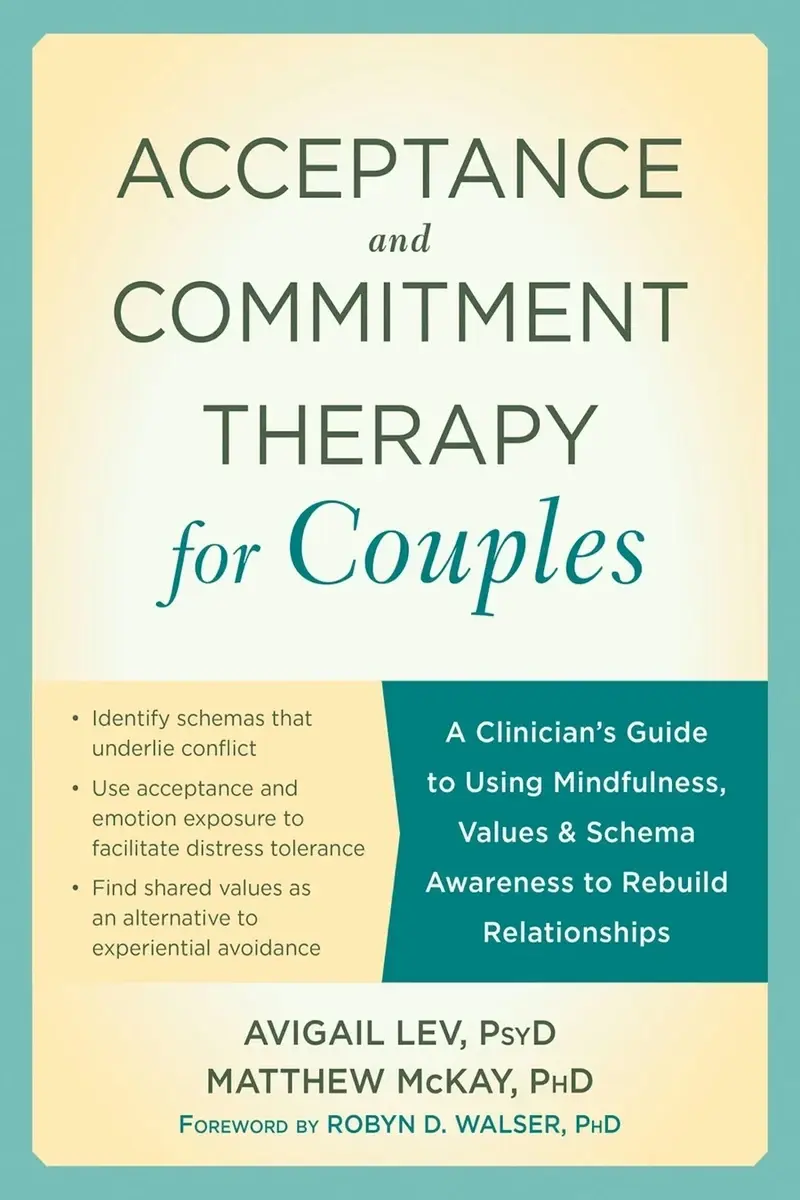
ACT for Couples
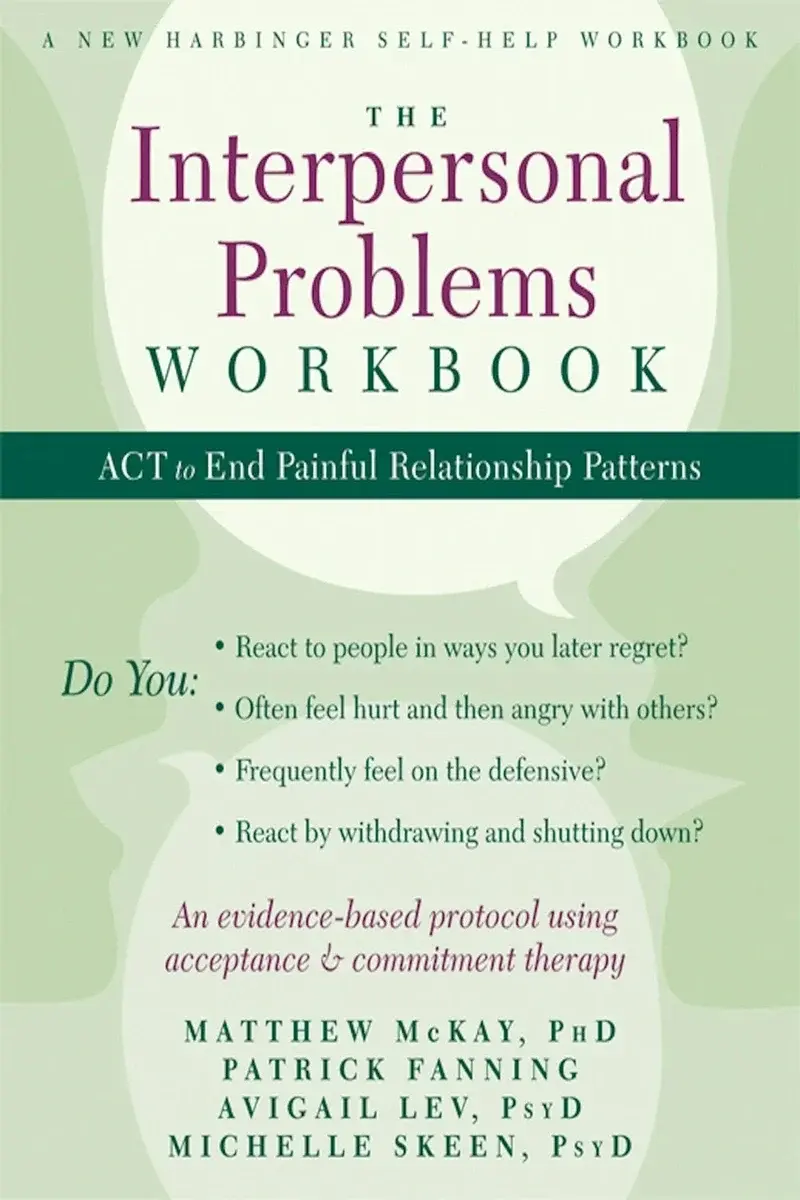
Interpersonal Problems Workbook
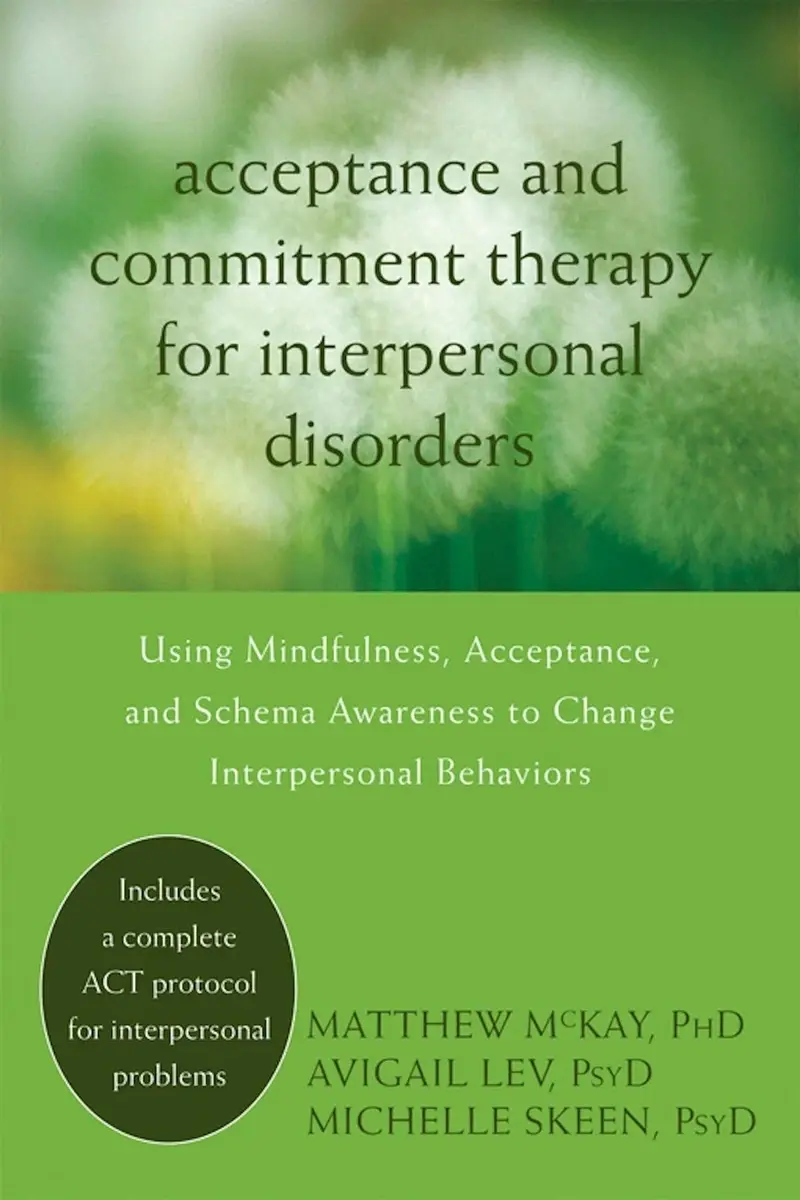
ACT for Interpersonal Problems
Ready to Start Your Depression Recovery?
Apply today. There’s no commitment. Just tell us what’s going on, and we’ll take it from there.
The Full Guide
Learn More About Our Depression Retreat
Everything you want to know: how it works, who it helps, and what happens before, during, and after.
The Short Version
- This is focused treatment for depression over a short stretch of time, as intensive or as gentle as you need. It’s not a vacation.
- We figure out what’s underneath your depression, then use therapies that work to help you change it.
- Depression heals better with other people, so connection is a big part of the work.
- We build every retreat around you: how long, how intense, where, and who comes.
- After the retreat, you can keep going with individual therapy or a group.
Read the full guideClose the guide
What Are Retreats for Depression?
Retreats for depression give you time away from normal life to focus on one thing: getting unstuck from depression. They offer immersive, focused care that goes beyond standard outpatient therapy. A depression retreat is a type of mental health retreat. You work with licensed therapists every day, practice new skills, and have time to rest.
Retreats for depression can last anywhere from a single day to a few weeks, and they vary in intensity, from holistic wellness programs to fully clinical treatment. Some mental health retreats are wellness retreats with yoga and massages. Some are run by a retreat center that hires whoever is available. Ours are run by a mental health center, led by our own therapists, and built around evidence based therapies.
People look into retreats for depression for different reasons. Some have been in therapy for years and hit a wall. Some are going through a hard stretch, like a breakup, a loss, or a big life change. Some want focused time to finally deal with something they’ve carried for years. A retreat gives all of them the same thing: time, focus, and real support.
You may see these called a depression treatment retreat, a depression recovery retreat, or a retreat for depression and anxiety. Our retreats to treat depression cover all of these, and we build each one around you.
What to Expect From Mental Health Retreats for Depression
Mental health retreats for depression are not all the same, so it helps to know what to look for. The best mental health retreats combine real mental health treatment with rest, time outdoors, and a supportive environment where you can focus without everyday demands pulling you away.
At most mental health retreats, you can expect a clinical assessment at the start, daily therapy, time for reflection, and some holistic practices like yoga or meditation. What sets our mental health retreats apart is who leads them and how personal they are. Our retreats for depression are led by our own therapists and built around your history, your schemas, and your goals.
Mental health retreats also work best when they connect to the rest of your life. That’s why we plan for what happens after, and why you can keep meeting with your group once the retreat ends. Good mental health support doesn’t stop at checkout, and the best mental health retreats plan for that from day one.
What Depression Does to Your Brain, Body, and Daily Life
Depression isn’t just sadness. It changes how you think, sleep, eat, move, and connect with people. It affects brain health, energy, and focus, and it can make simple tasks feel impossible.
Common depression symptoms include:
- Persistent feelings of sadness, emptiness, or numbness
- Losing interest in things you used to enjoy
- Low energy, oversleeping, or trouble sleeping
- Changes in appetite or weight
- Trouble focusing or making decisions
- Harsh self-criticism, guilt, or feeling worthless
- Pulling away from friends and family
Depressive symptoms can come and go, or they can settle in for months or years. Many people get so used to them that they stop noticing how much of life they’ve lost.
You may have heard that depression is caused by a chemical imbalance. The real picture is more complicated. Depression usually comes from a mix of biology, life events, relationships, and long-standing patterns of thinking and coping. That’s why treating depression works best when it looks at the whole person, not just one piece.
Types of Depression We Treat
Major Depressive Disorder
Major depressive disorder, often called major depression or clinical depression, involves episodes of low mood and loss of interest that last at least two weeks and get in the way of daily life. It can range from mild depression to severe depression.
Persistent Depressive Disorder
Persistent depressive disorder, also known as dysthymia, is a lower-grade depression that lasts for years. Many people with it don’t even realize they’re depressed. They just think this is how life feels.
Treatment Resistant Depression
Treatment resistant depression is depression that hasn’t improved enough after trying standard treatments. If you’ve been through several medications or years of therapy without real change, an intensive approach can help you get past the places you’ve been stuck.
Postpartum Depression
Postpartum depression occurs after childbirth. It’s more than the “baby blues,” and it can make it hard to care for yourself or bond with your baby.
Seasonal Affective Disorder
Seasonal affective disorder is depression triggered by seasonal changes, usually in fall and winter when there’s less daylight.
Premenstrual Dysphoric Disorder
Premenstrual dysphoric disorder causes severe mood symptoms in the week or two before a period, strong enough to affect work and relationships.
Depression and Anxiety
Depression and anxiety often show up together. Many people with depression also have an anxiety disorder, like generalized anxiety disorder or social anxiety disorder. We treat depression and anxiety together, not as separate problems.
Depression After Trauma
Depression can follow a traumatic event or grow out of unresolved trauma. When post traumatic stress disorder is part of the picture, we address both.
Bipolar Depression
Bipolar disorder includes mood swings between highs and lows. When the depressive episodes are the problem and the condition is stable, a retreat can help alongside your psychiatric care.
Depression and Anxiety: Treating Them Together
Depression and anxiety are two of the most common mental health issues, and they often feed each other. Anxiety makes you avoid things, avoidance shrinks your life, and a smaller life makes depression worse. Depression drains your energy, which makes everything feel more overwhelming and raises anxiety.
That’s why we look at depression and anxiety as one picture. If you have an anxiety disorder along with depression, your retreat works on both at once, using the same schemas and the same skills. Many people are surprised how much their depression lifts once the anxiety disorder underneath it is addressed.
Other mental health disorders can be part of the picture too, including obsessive compulsive disorder, panic disorder, and trauma. These mental health disorders and mental health issues rarely come one at a time, and we don’t treat them in separate boxes. Whatever mix of depression and anxiety you have, we build the retreat around all of it.
Retreats for Depression and Anxiety
If you have both, you don’t need two separate programs. Our retreats for depression and anxiety treat them together. A depression and anxiety retreat works on the shared patterns underneath, like avoidance, worry, and self-criticism, so both start to lift.
People search for this in a lot of ways: anxiety and depression retreats, an anxiety depression retreat, a depression anxiety retreat, retreats for anxiety and depression. They all mean the same thing here. Our mental health retreats for depression and anxiety are built around your mix of symptoms, led by licensed therapists. If anxiety is your main struggle, see our anxiety retreat page.
Depression Retreats for Women, Men, and Couples
Depression can look different depending on who you are and what you’re carrying. We can build a depression retreat for women that focuses on the pressures many women face, like caregiving, burnout, postpartum changes, or hormonal shifts. If you’re looking for a women’s depression retreat or retreats for women with depression, we also run women’s retreats.
We also build a men’s retreat for depression for men who find it hard to talk about how they feel, or who show depression as anger, overwork, or shutting down. And when depression is affecting a relationship, we can include your partner. If you’re looking for couples therapy retreats, see that page.
Therapists get depressed too, and many come to us for their own work. (If you’re looking for retreats for therapists who want training in our methods, see our consultation and training.)
Why Weekly Therapy Isn’t Always Enough
Once-a-week sessions work for a lot of people. But depression makes it hard to use what you learn between sessions. By the time you catch your therapist up on your week, there’s little time left to practice anything new.
A retreat changes that. Whether you choose intensive treatment or a gentler pace, when sessions happen back to back, each one builds on the last. You practice skills while you actually feel low, which is exactly when you need them. This is what intensive depression treatment offers that traditional depression treatment often can’t: enough time, in a row, to change a pattern.
Some people come to a retreat to get past a plateau in outpatient therapy. Others use it as a strong start before regular sessions. Both work. A retreat isn’t a replacement for ongoing care, but it can give you a powerful reset.
Why Depression Is Better Treated With Other People
Depression is deeply interpersonal. It often starts or gets worse around relationships: a loss, a conflict, a move, a breakup, or years of feeling unseen. And once it starts, depression makes you pull away from people, which makes it worse.
That’s why interpersonal approaches work so well. IPT, which focuses on relationships and life changes, has strong research support as a depression treatment. Group therapy for depression has also been shown to be effective, and many people find that being understood by others who’ve been there helps in a way individual therapy can’t.
A group also gives you something depression takes away: a supportive environment where you feel you belong. In our groups, people share what they’re going through, try new behaviors, and see each other change. That supportive environment makes it easier to take risks you wouldn’t take alone.
At our retreats, group therapy sessions are a key part of the work when the format includes a group. You practice being seen, asking for support, and giving support to others. You can also meet with the other participants in a support group before and after the retreat. That connection doesn’t end when the retreat does.
How Schemas Drive Depression
Most programs start with a diagnosis. We start with your schema, because it tells us what your depression is really about.
When a schema gets triggered, the same chain happens every time: thoughts (“I’m not good enough,” “No one cares,” “Why bother”), feelings (shame, hopelessness, emptiness), body sensations (heaviness, fatigue, numbness), and urges (hide, quit, stay in bed). The urge turns into an action, and that action ends up proving the schema right. That loop is what keeps depression going.
Here are a few examples of common schemas and how they can drive depression:
- Defectiveness and Shame: You believe something is wrong with you. Hiding keeps anyone from getting close enough to prove the belief wrong.
- Failure: You believe you don’t measure up. Giving up early protects you in the moment and creates the proof you were afraid of.
- Emotional Deprivation: You believe no one will really be there for you. Not asking for what you need keeps your needs unmet.
- Social Isolation: You feel different and like you don’t belong. Pulling away feels safer, and the distance makes you feel more alone.
- Subjugation and Self-Sacrifice: You put everyone else first until there’s nothing left for you, and resentment and exhaustion turn into depression.
- Unrelenting Standards: Nothing is ever good enough, so you burn out and then blame yourself for burning out.
Knowing your schema builds self-awareness. Once you can see the sunglasses, you get to choose what to do next. From there, we use ACT and self-compassion to help you step back from the schema’s thoughts, make room for painful feelings, and act on what matters to you.
The Therapies You’ll Do at a Depression Retreat
Cognitive Behavioral Therapy (CBT)
Cognitive behavioral therapy is one of the most studied treatments for depression and one of the most common therapies used at depression retreats. You learn to spot negative thought patterns and test them against what actually happens. At a retreat, cognitive behavioral therapy is hands-on: you practice new coping strategies in real time, not just talk about them.
Behavioral Activation
Depression tells you to wait until you feel better to do things. Behavioral activation flips that: small, specific actions come first, and mood follows. Texting a friend, going outside for five minutes, sending one email.
Acceptance and Commitment Therapy (ACT)
ACT helps you make room for painful feelings and still move toward what matters. You stop waiting for motivation and start acting on your values.
Interpersonal Therapy
This focuses on the relationships and life changes connected to your depression, like grief, conflict, and role changes, and helps you build the connection depression takes away.
Dialectical Behavior Therapy (DBT) Skills
Dialectical behavior therapy skills help you get through painful moments without making them worse, and handle intense emotions and hard conversations.
Schema Therapy and Self-Compassion
Schema Therapy works on the deep patterns described above. Compassion-focused work takes on the harsh inner critic that often comes with depression.
Mindfulness-Based Cognitive Therapy
Mindfulness-based cognitive therapy (MBCT) teaches you to notice depressive thoughts without getting pulled into them. It is especially useful for preventing relapse.
Weekly Therapy vs. Residential Healing Retreat vs. Our Depression Retreat
“Retreat” can mean a lot of things, so here’s the difference.
- Wellness retreats for depression: Built around relaxing, like spa time, yoga classes, and healthy meals. It can feel restorative, but it isn’t built to treat depression, and it’s often led by coaches or healers with no clinical training.
- Holistic depression treatment center: Some focus mainly on alternative therapies and holistic treatments, with less clinical work.
- Self help retreats for depression: Workshops and talks that can be inspiring, but you practice little and there’s no plan for after.
- Residential treatment: 24-hour care for people who aren’t safe at home or need medical supervision.
- Our depression retreat: More focused than regular outpatient sessions, less restrictive than residential care, and led entirely by licensed therapists who write a treatment plan just for you.
Many mental health retreats are really venues. The program changes depending on who’s leading it that month. We do the opposite: we’re a mental health center, and we bring our own licensed therapists to the retreat setting. The place changes. The therapists, the methods, and the quality of care don’t. Every mental health retreat we run works this way. See all our retreats.
How to Choose Among Depression Treatment Retreats
If you’re comparing depression treatment retreats near you or anywhere else, here’s what to look for:
- Licensed therapists: Every depression retreat should be led by licensed mental health professionals, not coaches.
- Evidence based therapies: Ask which treatment methods they use. Look for cognitive behavioral therapy, behavioral activation, ACT, and IPT.
- A real assessment first: A good depression treatment program talks with you before you arrive to make sure it’s the right fit.
- Personal treatment plans: Your plan should be built for you, not copied from the last group.
- A plan for after: Ask what happens when you get home. Aftercare planning matters.
- Clear pricing: You should know what’s included before you commit.
Our retreats for depression check every box. If a program can’t answer these questions clearly, keep looking.
What a Retreat Day Can Look Like
There’s no set schedule. On an intensive day, you might start with a short meditation and reflection time, then have a morning session on your schemas, practice a small action you’ve been avoiding, take a hike or a walk outside, do an afternoon group session, and end with quiet time to write and reflect. Some retreats include a digital detox to give you space to think. A slower retreat has fewer sessions and more rest. It all depends on you.
Integrative Holistic Therapies: Where They Fit
Yes, we use holistic therapies when they help. Yoga, hiking, time in nature, movement, expressive arts like music and art, and nutrition education can all support the work. Nature and movement help reduce stress and support brain health, and simple routines like sleep and meals can reduce stress further. Psychoeducation on mood and stress management helps you understand what’s happening in your body and mind.
But they aren’t the treatment. The clinical treatment is. We add holistic pieces and alternative therapies when they support your goals, never in place of real therapy.
Emotional Healing and the Recovery Process
The recovery process isn’t a straight line. Deep emotional work can bring up hard feelings, and you may feel worse for a moment before you feel better. That’s normal. It’s part of emotional healing, not a sign that it isn’t working.
At a retreat, we map out your goals ahead of time, track how you’re doing, and adjust as we go. You build self-awareness, learn coping strategies and coping skills that work for you, and start to promote personal growth instead of just getting through the day.
After the Retreat: Keeping Your Depression Recovery Going
Aftercare planning is vital for continued depression recovery. Before you leave, we write a plan for everyday life: daily routines, people you can reach out to, warning signs to watch for, and what to do on hard days.
You can keep going with individual therapy, join our online group therapy, keep meeting with your retreat support group, or come back for follow-up sessions. We’ll also point you to mental health support in between. Many people say the retreat was the start of real personal growth, and the first time they felt they could overcome depression instead of just surviving it.
Medication Management and Other Depression Treatment Options
Therapy doesn’t replace medical treatment. Medication management stays with your prescriber, and we don’t prescribe. When we plan your retreat, we ask about your medications, sleep, and health, and we help you explore other depression treatment options you might need alongside therapy, like medication. A retreat can also be a good next step if you’re working through substance abuse recovery and depression is part of the picture, as long as you don’t need medical detox.
The Bottom Line
If you’re depressed and you’ve tried everything, a retreat is worth trying. We find out what’s underneath your depression, use therapies that work, and give you enough time and connection to actually change. You leave with tools you’ve practiced, a plan, and people who understand. It’s focused healing that helps you reduce symptoms and support mental health long after you go home. For many people, it’s the depression therapy that finally helps them reduce symptoms that weekly sessions couldn’t touch.
Frequently Asked Questions
What is a depression retreat?
It’s focused treatment for depression over a short stretch of time, as intensive or as gentle as you need. You do several sessions a day with licensed therapists, practice new skills, and have time to rest and reflect. We build every one around you.
Is a depression retreat a mental health retreat?
Yes. It’s a mental health retreat focused on depression, so the work targets what keeps depression going, like withdrawal, self-criticism, and negative thought patterns.
How long is a depression retreat?
As long as you need. Some people do one full day, some do several days in a row, and some spread sessions over a few weeks. We decide together.
Where are depression retreats held?
Anywhere in the United States or around the world. We choose the place around you, and it’s always a supportive environment for real work.
Who are your retreats for depression for?
Adults whose depression is getting in the way of daily life and who don’t need 24-hour care. If you’re in crisis, we’ll help you find a higher level of care.
Why do you include group therapy?
Because depression heals better with other people. Group therapy lets you be seen, get support, and practice connection, which directly counters the isolation depression feeds on.
Can I meet the other participants before or after?
Yes. You can choose to join a support group with the other participants before and/or after your retreat.
Can I do a retreat if I already have a therapist?
Yes. Lots of people keep seeing their therapist before and after. The retreat is a focused boost on top of your regular care.
How much does a depression retreat cost?
Our retreats range from $2,500 to $7,500, and most are around $3,500. That includes lodging, meals, and all therapy sessions. Flights are separate.
Does health insurance cover a depression retreat?
Sometimes, partly. Health insurance with out-of-network benefits may reimburse the therapy sessions. Lodging and meals usually aren’t covered, and insurance coverage varies by plan. We can give you a superbill.
What’s the difference between a depression retreat and a wellness retreat?
A depression retreat is led by licensed therapists and focuses on treatment. A wellness retreat focuses on relaxation. Both can help you feel better, but only one is built to treat depression.
Can a retreat help with treatment resistant depression?
It can. When medications and weekly therapy haven’t been enough, focused, intensive work on the patterns and relationships behind your depression can help you move forward.
Do you treat depression and anxiety together?
Yes. Depression and anxiety often go together, and we treat them as one picture, not two separate problems.
Can I keep taking my medication?
Yes. Medication management stays with your prescriber. Therapy works alongside medication, not instead of it, and the coping strategies you learn at the retreat add to what medication can do.
Are retreats for depression worth it?
For a lot of people, yes. Retreats for depression give you enough focused time to make real progress on the underlying causes of your depression, not just the symptoms.
Which retreats for depression are best?
Look for retreats for depression led by licensed therapists, with a real assessment first, a personal treatment program, and a plan for after. Avoid programs that promise a cure.
Are there retreats for depression and anxiety together?
Yes. Ours are retreats for depression and anxiety at the same time, because the two so often go together.
What do mental health retreats for depression include?
Ours include a clinical assessment, daily therapy, group work when the format includes a group, time for rest and reflection, and holistic practices like yoga or hiking when they help. Every treatment program is built around you.
Is a retreat a form of mental health treatment?
Yes. Our retreats are clinical mental health treatment led by licensed therapists. They’re a supportive environment, but the focus is real change, not just rest. They sit between weekly sessions and residential care.
How is this different from other mental health treatment?
It’s more intensive than weekly mental health treatment and less restrictive than residential care. You get focused, daily work on your depression and the coping strategies to keep going at home.
Can a retreat help if I also have an anxiety disorder?
Yes. When an anxiety disorder comes with depression, we treat both together, with the same schemas and skills.
What mental health conditions do you treat at a retreat?
Depression in all its forms, along with the mental health conditions that often come with it, like anxiety, OCD, panic, and trauma.
Is a wellness retreat for depression enough?
A wellness retreat for depression can help you rest, but it isn’t built to treat depression. Our therapeutic retreats for depression are led by licensed therapists and focus on real change.
Do you offer a depression retreat for women?
Yes. We can build a women’s depression retreat around the pressures you’re facing, and we also offer women’s retreats more broadly.
Do you offer a men’s retreat for depression?
Yes. We build a men’s retreat for depression around how depression shows up for you, including anger, overwork, or shutting down.
Are there depression treatment retreats near me?
We hold retreats anywhere in the United States and around the world, so we can find a location that works for you.
How do I know if it’s right for me?
If depression is getting in your way and you’re ready to try something different, apply. If another kind of care would help you more, we’ll tell you and help you find it.