Nearly Half of Americans Support Legalization of Psychedelics for Mental Health

Key Takeaways
In April 2025, 46% of U.S. voters said they strongly support legalizing psychedelic therapy for mental health treatment, up from 36% in 2023, according to the UC Berkeley Center for the Science of Psychedelics. This rapid 10-point jump signals a major shift in American attitudes toward psychedelic medicine.
Support centers on supervised clinical use for conditions like major depression, post traumatic stress disorder, substance use disorders, and anxiety related to life threatening cancer. Public opinion on psychedelics is best characterized as cautious acceptance rather than broad enthusiasm for recreational legalization.
Ketamine is already legally available in clinical settings, while MDMA and psilocybin remain Schedule I drug classifications under federal law and are still moving through clinical trials. The distinction matters for anyone considering treatment today.
Bay Area CBT Center currently offers ketamine-assisted psychotherapy and psychedelic integration services. We do not yet provide psilocybin therapy or MDMA assisted therapy, and we are preparing carefully for when those options may become legally available.
Safety, thorough screening, evidence-based integration with therapies like CBT, EMDR, and DBT, and strong regulatory frameworks remain the responsible path forward in psychedelic assisted psychotherapy.
Introduction: A Rapid Shift in American Attitudes
By April 2025, nearly one in two American adults supported legalizing psychedelic therapy for mental health. The UC Berkeley Center for the Science of Psychedelics reported that 46% of U.S. voters strongly supported making therapeutic psychedelic use legal, a striking 10-point increase from just 36% two years earlier. Americans increasingly support using psychedelics for medical reasons, and the pace of this change has caught researchers, clinicians, and policymakers off guard.
This article unpacks what is driving this shift, what "legalization" actually means in a clinical context, and how Bay Area CBT Center is engaging with psychedelic assisted therapy in a careful, ethical way. The tone here is evidence-based and non-sensational. We are focused on mental health treatment outcomes, not hype, not wellness trends, and not shortcuts.
What Americans Are Actually Supporting When They Back Psychedelic Legalization
When polls ask about psychedelic legalization, the questions focus primarily on supervised clinical use and assisted psychotherapy, not unsupervised recreational access. Support for psychedelic therapy is typically higher when framed as medical use rather than recreational access. Framing psychedelic use within a medical context increases public comfort with the idea considerably.
Here is what the 2025 UC Berkeley survey found when voters were asked about specific policy approaches:
72% supported making therapeutic access to psychedelic treatments legal under regulation
81% supported making it easier for scientists to conduct psychedelic research
66% supported obtaining FDA approval so psychedelic substances could become prescription medicines
51% supported removing criminal penalties for personal use and possession
Over 60% of American voters support legalizing regulated therapeutic access to psychedelics
Respondents tend to support use for serious mental health conditions, including major depression, post traumatic stress disorder, substance use disorders, and end-of-life anxiety, when delivered in controlled medical settings with trained mental health professionals present.
Public support for scientific research on psychedelics ranges from 63% to 81%, depending on how the question is framed. Meanwhile, many respondents have not recently encountered media content on psychedelics, contributing to their neutral views rather than opposition. A significant portion of Americans view mental health therapies involving psychedelics as potentially effective tools for treatment resistant conditions.
The takeaway: "support for legalization" in this context typically means supporting clinical research, regulated access, and physician or therapist oversight. It does not mean most people want psychedelic drugs available over the counter.
Why Public Support Is Rising So Quickly
The jump from 36% to 46% strong support in just two years did not happen in a vacuum. Several forces converged to accelerate this change.
Growing clinical evidence. Increased media coverage of promising psychedelic clinical trials, particularly involving MDMA assisted therapy for PTSD and psilocybin assisted therapy for treatment resistant depression, has put psychedelic research in front of millions of Americans. The FDA granted breakthrough therapy designation to both MDMA and psilocybin, a signal that these compounds may offer substantial improvements over existing treatments. Public backing for making psychedelics easier to study has increased significantly in recent years.
The mental health crisis. Rising rates of major depressive disorder, generalized anxiety disorder, trauma related disorders, and suicidal ideation across the U.S. have created urgency. Many people have watched family members or friends cycle through multiple medications and therapies with limited relief, and they are looking for alternatives that work. Support for therapeutic psychedelics has risen among younger generations and across demographics.
Personal exposure. In 2025, 57% of voters reported that either they have used psychedelics or know someone who has, up from 53% in 2023. Notable increases occurred among Black voters, older adults, and conservatives, groups that historically had less exposure.
Cultural normalization. The broader acceptance of cannabis, state-level drug policy reforms, and mainstream conversations about mental health have collectively made people more open to rethinking the role of psychedelic compounds in medicine.
What Is Psychedelic-Assisted Psychotherapy?
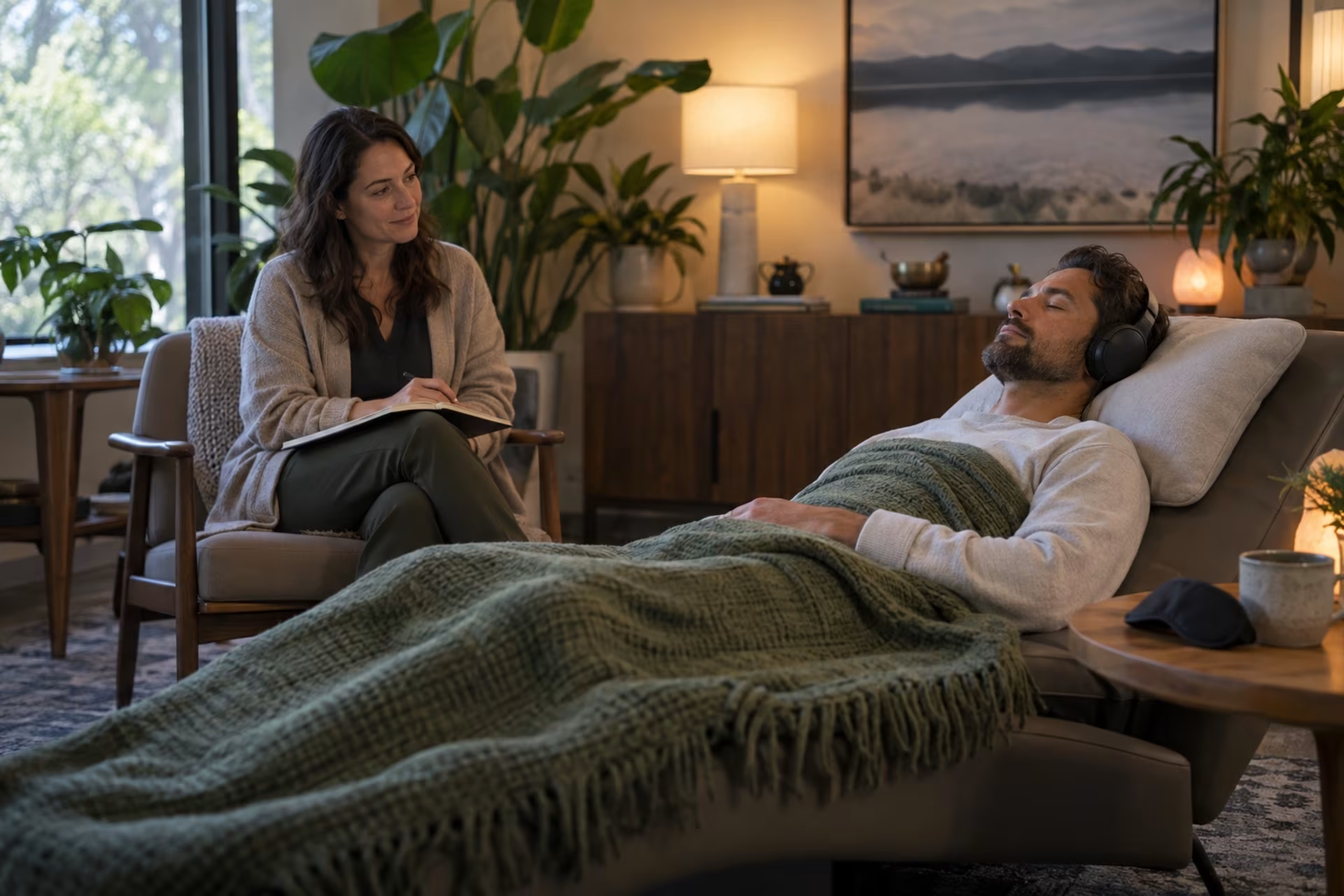
Psychedelic assisted psychotherapy is the structured combination of a psychedelic medicine with multiple psychotherapy sessions, delivered in a clinical setting. It is not simply "taking a drug." The medicine serves as a catalyst within a broader therapeutic process. Psychedelic therapy originated in the 1950s for substance abuse treatment before research was halted in the early 1970s due to regulations under the Controlled Substances Act.
A typical clinical trial protocol includes three phases:
Preparation (3–8 weeks): eligibility screening, therapeutic alliance building, psychoeducation about the substance's effects, and intention setting with one or two licensed therapists.
Dosing sessions (1–3 sessions): administration of the psychedelic substance in a controlled, supportive environment with ambient music, eye shades, and two trained psychedelic therapists present. Psychedelic therapy sessions typically last 6 to 8 hours per dosing day.
Integration (2–6+ sessions afterward): follow-up therapy aimed at helping the individual process, make meaning of, and apply insights from the psychedelic experience into daily life.
What makes psychedelic assisted psychotherapy different from simply taking a hallucinogenic drug is the embedding of the experience within evidence-based modalities. Many protocols incorporate CBT, EMDR, mindfulness, or somatic approaches before and after the dosing session itself.
Most established clinical trial protocols are highly structured, manualized, and include at least two licensed mental health professionals during dosing days.
How Psychedelics Appear To Work in the Brain
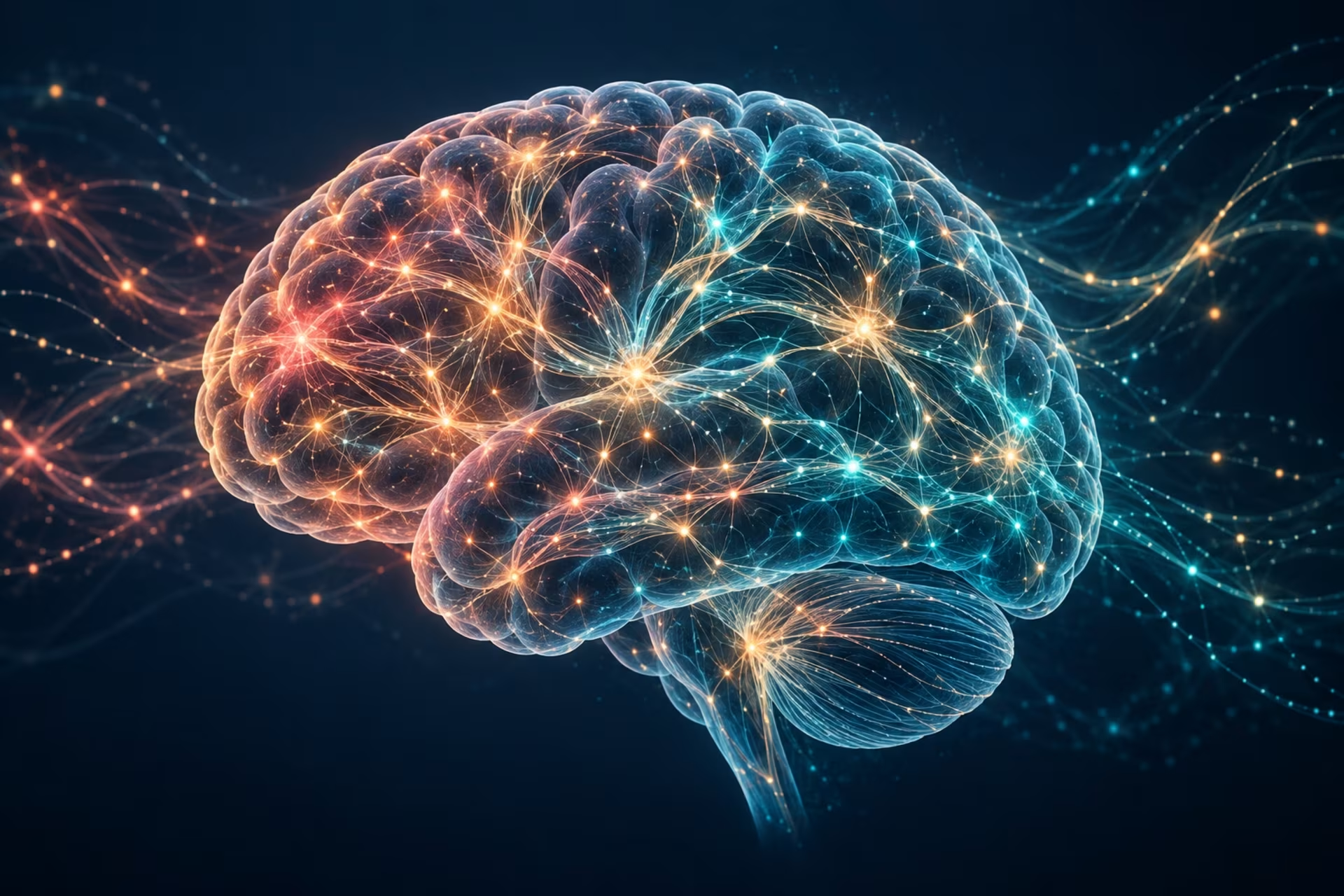
Understanding how psychedelic substances interact with the brain helps explain why research suggests they might address mental health disorders that resist conventional treatment.
Classic psychedelics like psilocybin, lysergic acid diethylamide (LSD), and DMT act primarily on 5-HT2A serotonin receptors. MDMA works differently: it boosts serotonin, dopamine, and oxytocin release, influencing fear circuitry that is central to posttraumatic stress disorder. MDMA enhances emotional empathy, which may explain why it helps people revisit traumatic memories without being overwhelmed.
These substances appear to disrupt the default mode network (DMN), the brain system involved in self-referential rumination and rigid thinking patterns. By temporarily loosening these patterns, psychedelic compounds may allow more flexible cognition and new perspectives, a concept researchers describe as increased neuroplasticity.
Emerging evidence shows these substances can promote new synaptic connections and increase brain-derived neurotrophic factor (BDNF), making the brain more capable of learning and change, especially when coupled with psychotherapy. Ketamine, though mechanistically distinct (acting on NMDA receptors), similarly produces rapid effects via glutamate signaling and synaptogenesis.
It is important to stress that this research is still evolving. Mechanisms are not fully understood, which is one reason careful clinical research remains essential. The science of constructing drug effects, set and setting, and individual psychological factors that modulate outcomes is still in its early chapters.
Mental Health Conditions Being Studied With Psychedelics

The potential applications of psychedelics include treating depression, PTSD, and anxiety disorders, along with several other mental health conditions. Psychedelic therapy uses substances like psilocybin and MDMA across a range of studies targeting various mental health conditions.
Here is a concise overview of what is currently under study:
Condition |
Primary Substance(s) |
Trial Phase |
|---|---|---|
Treatment resistant depression |
Psilocybin (COMP360) |
Phase 3 |
PTSD / severe PTSD |
MDMA |
Phase 3 (additional trial requested) |
End-of-life distress (cancer) |
Psilocybin |
Phase 2 / ongoing |
Alcohol use disorder |
Psilocybin |
Phase 2 |
Tobacco addiction |
Psilocybin |
Phase 2 |
OCD |
Psilocybin |
Phase 1–2 |
Anorexia nervosa |
Psilocybin |
Early stage |
Many participants in psychedelic studies have not responded well to standard treatments, including SSRIs, conventional CBT alone, or exposure therapy alone, which is why they qualify for trials. Results so far are promising but based on relatively small samples in many cases. Large phase 3 data are just emerging for psilocybin treatment and MDMA.
Major Depression and Treatment-Resistant Depression
Major depressive disorder affects an estimated 21 million American adults. Treatment resistant depression, defined as inadequate response to two or more antidepressant trials, represents one of the most challenging psychiatric disorders in clinical practice. These patients face higher rates of suicidality, medical comorbidity, and functional impairment.
Psilocybin assisted therapy trials conducted between 2016 and 2024 have shown rapid reductions in depressive symptoms, sometimes after one or two high-dose sessions. Psilocybin shows significant antidepressant effects after one dose in several studies. Across trials, 57% of participants responded positively to psilocybin therapy for depression, and psilocybin therapy can lead to remission in 45% of patients. A meta-analysis showed a large effect size of -0.78 for psilocybin, which researchers consider clinically meaningful. Psilocybin produces substantial therapeutic effects, and psilocybin assisted therapy can produce lasting effects for months after treatment.
In the Compass Pathways COMP006 trial (n=581), two fixed doses of 25 mg psilocybin three weeks apart showed statistically significant reductions in depression scores at six weeks compared to 1 mg control doses.
By contrast, ketamine's rapid antidepressant effects tend to be shorter-lived without robust integration and consistent follow-up. Sustained symptom reduction with ketamine often depends on pairing medication with behavioral therapy and lifestyle change.
As of late 2026, psilocybin for major depression is not yet FDA approved, though phase 3 trial data suggest potential approval as early as 2026–2027.
PTSD, Trauma, and MDMA-Assisted Therapy
Post traumatic stress disorder involves intrusive memories, avoidance, hyperarousal, and negative mood, a cluster of PTSD symptoms that can be profoundly disabling. Trauma related disorders can be difficult to treat using standard approaches alone, which is why MDMA assisted psychotherapy has drawn intense interest from the multidisciplinary association of researchers studying novel treatments for treating PTSD.
MDMA was first synthesized in 1912 but studied later for therapeutic applications. MDMA assisted therapy has shown 54.2% effectiveness for PTSD across major clinical trials. In a 2022 randomized clinical trial, 67% of participants in the MDMA group no longer met diagnostic criteria for PTSD at follow-up, compared to significantly fewer in the placebo group. These are remarkable numbers for a condition that often resists years of conventional therapy.
MDMA therapy involves multiple sessions over several weeks, with each MDMA therapy session typically lasting 6 to 8 hours. During these sessions, MDMA appears to reduce fear responses, increase trust and connection, and support memory reconsolidation, making it easier for people to process traumatic experiences safely in therapy. MDMA assisted therapy significantly reduces PTSD symptoms in trials, with significant improvements in functioning and quality of life. If you are reading this because of your own history, a c-ptsd test is a lower-stakes first step than any of these treatments.
However, in August 2024, the FDA declined to approve the MDMA New Drug Application submitted by Lykos Therapeutics, citing safety and methodological concerns and requesting another phase 3 clinical trial. This slowed but did not end the pathway toward clinical approval for people with severe PTSD.
End-of-Life Distress and Life-Threatening Cancer
Existential anxiety, depression, and demoralization are common among people living with life threatening cancer or other terminal diagnoses. These experiences often resist standard pharmacological treatment and can profoundly diminish quality of life during a person's final months.
Seminal psilocybin studies from 2016, including double-blind randomized controlled trials at Johns Hopkins and NYU, demonstrated substantial and sustained decreases in depression and anxiety in people with advanced cancer. In some cases, a single high-dose psilocybin session produced therapeutic benefits that lasted six months or longer. These findings place human hallucinogen research at the intersection of palliative care and psychiatry.
Participants frequently reported experiences of "oneness," spiritual connection, or renewed sense of meaning, which appeared to mediate improvements in quality of life. This is an area where ethical questions about vulnerability, consent, and hope are especially important. Palliative care teams and mental health professionals must work closely together to ensure that seriously ill patients are not exploited or given false hope.
Substance Use Disorders and Addiction
Clinical research suggests psilocybin assisted therapy can support recovery from alcohol use disorder and tobacco addiction. Early results from trials combining psilocybin with cognitive behavioral therapy show higher abstinence rates than therapy alone. In a randomized controlled pilot study of psilocybin for alcohol use disorder, participants showed meaningful reductions in heavy drinking days compared to controls.
Exploratory work on opioids and other substances is underway, but this research is early-stage and must be interpreted cautiously due to small sample sizes.
How might psychedelic drug therapy help with addiction? The psychedelic experience may help people step outside entrenched patterns, confront underlying trauma or shame, and commit to new values-based behavior. But psychedelic assisted therapy is not a "cure" for addiction. It must be embedded within a comprehensive, ongoing recovery plan including therapy, social support, and sometimes medications for addiction treatment.
Consciousness Research and the "Mystical" Dimension
Modern psychedelic and consciousness research has used classic psychedelics to study altered states of awareness, mystical-type experiences, and shifts in perceived meaning. Psychedelic therapy is experiencing a renaissance since the 1990s, building on work that was interrupted decades earlier.
Several landmark psychedelic studies, including Johns Hopkins research beginning in 2006, found that many participants rated the psilocybin experience among the most meaningful of their lives. Measurable changes in personality traits like openness were documented months afterward. Classic hallucinogens appear to open a window for psychological transformation that, when guided by skilled therapists, can produce lasting change.
Not everyone has a "mystical" experience during a psychedelic session. But intensity of these experiences often predicts better mental health outcomes, according to multiple clinical analyses. At Bay Area CBT Center, spiritual or existential content is handled with openness and respect, but within an evidence-based psychotherapy framework centered on the client's own beliefs and values.
Current Legal Status of Psychedelics in the United States

Understanding the legal status of psychedelic substances is essential for anyone considering treatment or following this field.
Federal law: Psilocybin, LSD, MDMA, and DMT remain Schedule I substances under the Controlled Substances Act. MDMA and psilocybin are currently Schedule I substances, meaning no accepted medical use federally as of 2026. They are accessible only through tightly regulated clinical research. The FDA has granted breakthrough therapy designation to MDMA and psilocybin, which accelerates review but does not change scheduling.
Ketamine: Ketamine is Schedule III and can be prescribed legally for clinical use, which is why ketamine-assisted psychotherapy is currently available in many clinics.
State and local developments:
Oregon was the first state to legalize psilocybin therapy under Measure 109, authorizing supervised psilocybin services
Colorado has regulated natural medicine frameworks underway
California, New Jersey, and Connecticut are considering psilocybin legalization bills
Various city-level decriminalization measures (Denver, Oakland, others) exist for personal possession
International context: As of February 2024, psilocybin is legal in Australia for medicinal use, making it the first country to formally regulate psilocybin and MDMA for clinical use.
None of these state or local measures override federal law for most medical applications. Anyone considering psychedelic work should understand the difference between decriminalization, licensed service models, and fully approved medical treatments.
Bay Area CBT Center's Role: Ketamine-Assisted Psychotherapy
Bay Area CBT Center currently offers evidence-based ketamine-assisted psychotherapy across California, under medical supervision, for adults who meet clinical criteria.
Our model integrates ketamine with structured cognitive behavioral therapy, schema therapy, mindfulness, and trauma-informed approaches for conditions like treatment resistant depression, PTSD, and severe anxiety. This is not a "ketamine infusion and go home" model. It is psychedelic medicine embedded within robust psychotherapy.
Our approach includes:
Comprehensive medical and psychological screening before treatment begins
Collaborative evaluation to determine whether ketamine-assisted psychotherapy is appropriate
Structured preparation sessions to establish therapeutic goals and build rapport
Monitored dosing sessions with clinical oversight
Multiple integration sessions designed to translate short-term neuroplasticity into long-term behavioral change
Ketamine's legal status and established safety data allow us to responsibly offer this as a clinical option now, while we continue monitoring evolving evidence for MDMA and psilocybin.
What We Do Not Offer Yet: Psilocybin and MDMA Therapy
Bay Area CBT Center does not currently provide psilocybin (magic mushrooms) or MDMA assisted therapy because these treatments are not yet FDA-approved or legally available in standard clinical practice in California.
We are actively tracking clinical research and regulatory changes. We are preparing training and protocols so that, if and when these therapies become legally accessible, we can offer them in a safe, ethical, and evidence-based way. We do not supply illegal substances, nor do we advise clients on how to obtain them. Our work focuses on legal treatments and integration support.
Our priority is client safety and adherence to professional ethical standards, even as we remain open to innovative psychedelic treatments.
Psychedelic Integration: Making Sense of Experiences

Psychedelic integration is therapy that helps people process, understand, and apply insights from psychedelic experiences, whether from clinical trials, legal ketamine-assisted psychotherapy, or nonclinical use.
We offer several pathways for integration:
Individual integration sessions: Through our integration therapy services, we use CBT, mindfulness, and somatic tools to help clients translate powerful experiences into practical change in mood, behavior, and relationships.
Group integration support: Our specialized integration support groups provide a space where clients can safely share, normalize, and learn from each other with guidance from a licensed therapist. Psilocybin assisted group therapy models in research settings have demonstrated the value of shared processing.
Integration retreats: We host immersive integration retreats focused on deep therapeutic work, values clarification, and skill-building. These retreats are about integration and growth, not substance administration.
Integration is arguably the most important phase of any psychedelic-related work. Without it, even profound experiences can fade without producing lasting change.
Safety, Screening, and Who Should Avoid Psychedelic Therapy
Concerns about negative psychological experiences limit public enthusiasm for psychedelics, and for good reason. Not everyone is a candidate for psychedelic drug therapy or even ketamine-assisted psychotherapy.
Standard exclusion criteria in clinical research include:
Personal or family history of primary psychotic disorders (schizophrenia, schizoaffective disorder)
Bipolar I drug disorder history
Uncontrolled cardiovascular disease
Certain medication interactions (MAOIs, some SSRIs with MDMA)
Pregnancy
Unstable psychiatric conditions
Thorough screening is essential. Some individuals will be safer with non-psychedelic mental health treatment, including CBT, DBT, EMDR, or medication alone.
Potential adverse effects include:
Challenging or distressing experiences during sessions
Temporary increases in anxiety, blood pressure, and heart rate
Risk of psychological destabilization without proper support
Dangers of contaminated or misidentified substances in unregulated markets
At Bay Area CBT Center, we only work with legal medications, collaborate with medical providers, and prioritize safety and informed consent in all psychedelic-adjacent services.
How Traditional Therapies Complement Psychedelic Work
Evidence-based modalities like CBT, EMDR, DBT, schema therapy, mindfulness-based interventions, somatic therapy, and existential therapy can enhance and stabilize gains from psychedelic or ketamine-assisted sessions.
Here are specific examples of how these modalities complement psychedelic work:
CBT can challenge entrenched beliefs revealed during a psilocybin experience and build new cognitive patterns
EMDR can continue trauma processing after MDMA assisted therapy, leveraging the emotional openness created during dosing
DBT skills help regulate intense emotions that surface post-experience
Somatic therapy supports embodied processing of material that may emerge during psychedelic sessions
Bay Area CBT Center offers a full range of traditional mental health services, from individual therapy to couples therapy, group therapy, and executive coaching, that can stand alone or be combined with ketamine-assisted psychotherapy and integration work. The therapeutic effects of psychedelic medicine are maximized when paired with ongoing skilled therapy.
For many clients, robust psychotherapy and lifestyle changes may be sufficient and preferred without any psychedelic component. That is a valid and often effective path.
Ethical and Equity Questions Behind Growing Public Support
Without careful planning, psychedelic assisted psychotherapy could become accessible only to those who can pay out of pocket. Current costs for ketamine-assisted psychotherapy and anticipated costs for psilocybin treatment are significant, and insurance coverage remains limited.
There are additional ethical concerns the field must address:
Therapist misconduct: Past MDMA clinical trials have raised concerns about boundary violations. Strong professional boundaries, diverse training cohorts, and transparent oversight are critical.
Equity and access: Communities disproportionately harmed by the war on drugs often have less access to emerging treatments. Clinical trials have historically overrepresented white, well-educated, higher-income participants, raising questions about generalizability.
Expectations management: Describing psychedelic treatments as "miracle cures" creates unrealistic expectations. Responsible communication from mental health professionals is essential.
Bay Area CBT Center is committed to culturally responsive care, trauma-informed practice, and thoughtful inclusion as this field develops. We recognize that revolutionize mental health treatment cannot mean leaving behind the communities most in need.
How To Decide if Psychedelic or Ketamine Therapy Is Right for You
If you are considering ketamine-assisted psychotherapy or future psychedelic assisted therapy, here is high-level guidance on when it might make sense:
You have tried multiple conventional treatments (medications, psychotherapy) with limited relief
You are open to intensive, structured therapeutic work, not looking for a one-time shortcut
You have a solid support network and realistic expectations about the process
You are medically and psychiatrically appropriate after thorough screening
Reflective questions to consider:
What am I hoping will change, and is that goal realistic?
Am I seeking a shortcut or am I ready for ongoing therapeutic work?
What risks am I willing to take, and what risks are not acceptable to me?
Do I understand the difference between different mental health conditions and how they respond to various treatments?
We encourage you to start by consulting with a licensed mental health professional who understands both traditional treatments and the emerging psychedelic literature, rather than making decisions based on social media or anecdote alone. California residents are welcome to schedule a consultation with Bay Area CBT Center to explore whether our ketamine-assisted psychotherapy, integration sessions, or other therapy options align with your needs.
The Future: From Poll Numbers to Practice Change
Rising public support, with nearly half of Americans backing psychedelic therapy in 2025, is likely to influence legislators, regulators, insurers, and health systems to invest more seriously in psychedelic clinical trials and clinical infrastructure.
Likely next steps include:
Additional phase 3 trials and potential FDA review of psilocybin for treatment resistant depression around 2026–2027
Possible resubmission of MDMA data following the additional randomized controlled trial requested by the FDA
Continued rollout of state-level regulated service models in Oregon, Colorado, and potentially California
Ongoing refinement of clinical trial protocol standards, therapist training requirements, and integration frameworks
Bay Area CBT Center intends to remain at the intersection of rigorous psychotherapy and thoughtful psychedelic innovation. We will expand services only as evidence and legal status support safe, effective clinical use across a range of psychiatric disorders.
Psychedelic drugs and the classic psychedelics are not a magic cure. But they may become powerful tools, when used carefully, ethically, and in combination with skilled therapy, to treat mental health disorders that have resisted other approaches. The therapeutic potential is real, but so is the need for patience, rigor, and respect for the people these treatments are meant to serve.
If you want support around psychedelic assisted therapy, start with ketamine-assisted psychotherapy, read exploring psychedelic assisted psychotherapy, or learn more in our KAP guide. You can also take the depression test and the trauma response quiz, then explore trauma therapy, EMDR, somatic therapy, integration support groups, integration retreats, how to stay safe from spiritual narcissists in psychedelic spaces, and book a free consultation.
Bay Area CBT Center services include therapy and mental health quizzes if you want a starting point.
Frequently Asked Questions (FAQs) About Psychedelic Therapy Legalization
As of 2026, ketamine is the only psychedelic-like substance legally available in standard clinical practice for mental health treatment in California. That is why Bay Area CBT Center offers ketamine-assisted psychotherapy as our primary psychedelic medicine offering. Psilocybin, MDMA, and LSD remain federally illegal and are available only in approved clinical trials or narrow research settings. California is considering psilocybin legalization bills, but no broad clinical legalization has passed. We encourage readers interested in psilocybin or MDMA to follow official updates from the FDA and reputable academic centers rather than seeking underground providers.
Poll numbers reflect attitudes, not personalized medical advice. Decisions about mental health treatment should be made collaboratively with qualified clinicians who understand your history, current symptoms, and full range of options. Many people achieve significant improvements with established treatments such as CBT, EMDR, DBT, medication management, and intensive mental health retreats without ever using a psychedelic substance. If you live in California and want to explore all available options, including non-psychedelic therapies and ketamine-assisted psychotherapy, Bay Area CBT Center can help you find the right path.
Yes. We regularly work with clients who have had psychedelic experiences in retreats, clinical trials, or underground contexts and want help making sense of them. Our individual integration sessions, integration support groups, and integration retreats can help transform raw experiences into sustainable changes in mood, behavior, and relationships. We do not provide or facilitate access to illegal psychedelic substances. Our focus is on psychological integration and ongoing mental health treatment using evidence-based approaches.
Some infusion clinics focus primarily on medication administration with minimal psychotherapy. Ketamine-assisted psychotherapy at Bay Area CBT Center integrates the medication into a full treatment plan: comprehensive assessment, clear treatment goals, structured psychotherapy sessions before and after ketamine dosing, and attention to long-term skill-building using CBT and related modalities. Research increasingly suggests that pairing ketamine with robust assisted psychotherapy improves the odds of lasting benefit compared with medication alone, turning a supportive environment into a catalyst for genuine change.
When evaluating any provider offering psychedelic medicine or integration services, look for: Current licensure and training in mental health, not just certification in a single modality Clear explanation of the legal status of any substances involved and transparent discussion of risks Evidence-based therapeutic approaches (CBT, EMDR, DBT, somatic therapy) as part of the treatment Transparent fees and realistic expectations about outcomes A focus on integration and ongoing care rather than one-off "peak experiences" Be cautious of providers who make absolute promises, encourage illegal activity, or lack formal clinical credentials. Anyone in California can contact Bay Area CBT Center to discuss our approach and determine whether our ketamine-assisted psychotherapy or integration services are a good fit for their needs.