Gratitude: How Practicing Appreciation Transforms Mental Health and Daily Life

Gratitude is more than a polite "thank you." It is a learnable skill backed by neuroscience, clinical research, and decades of psychological study that can reshape your brain, your body, and your relationships. Whether you are managing anxiety, recovering from burnout, or simply looking for a way to feel more grounded in daily life, practicing gratitude offers an accessible starting point that costs nothing and takes minutes.
If you want structured help rather than another list of prompts, start with our mindfulness practices or book a free consultation. Gratitude sits alongside CBT and other skills. It is not a replacement for treatment.
Key Takeaways
Practicing gratitude is a learnable skill that changes brain pathways related to stress, anxiety, and mood regulation. Gratitude enhances overall mental well-being and resilience over time.
Simple habits like a 5-minute nightly gratitude journal can improve mental health, sleep, and overall well being within weeks.
Gratitude practices support both mental health (less anxiety, depression) and physical and psychological health (better sleep, blood pressure, immune functioning).
Research shows that grateful people experience stronger relationships, less stress, and greater life satisfaction.
At Bay Area CBT Center, therapists often integrate evidence-based gratitude exercises into CBT, DBT, and trauma-focused treatment plans to support lasting change.
What Is Gratitude? A Psychological Definition
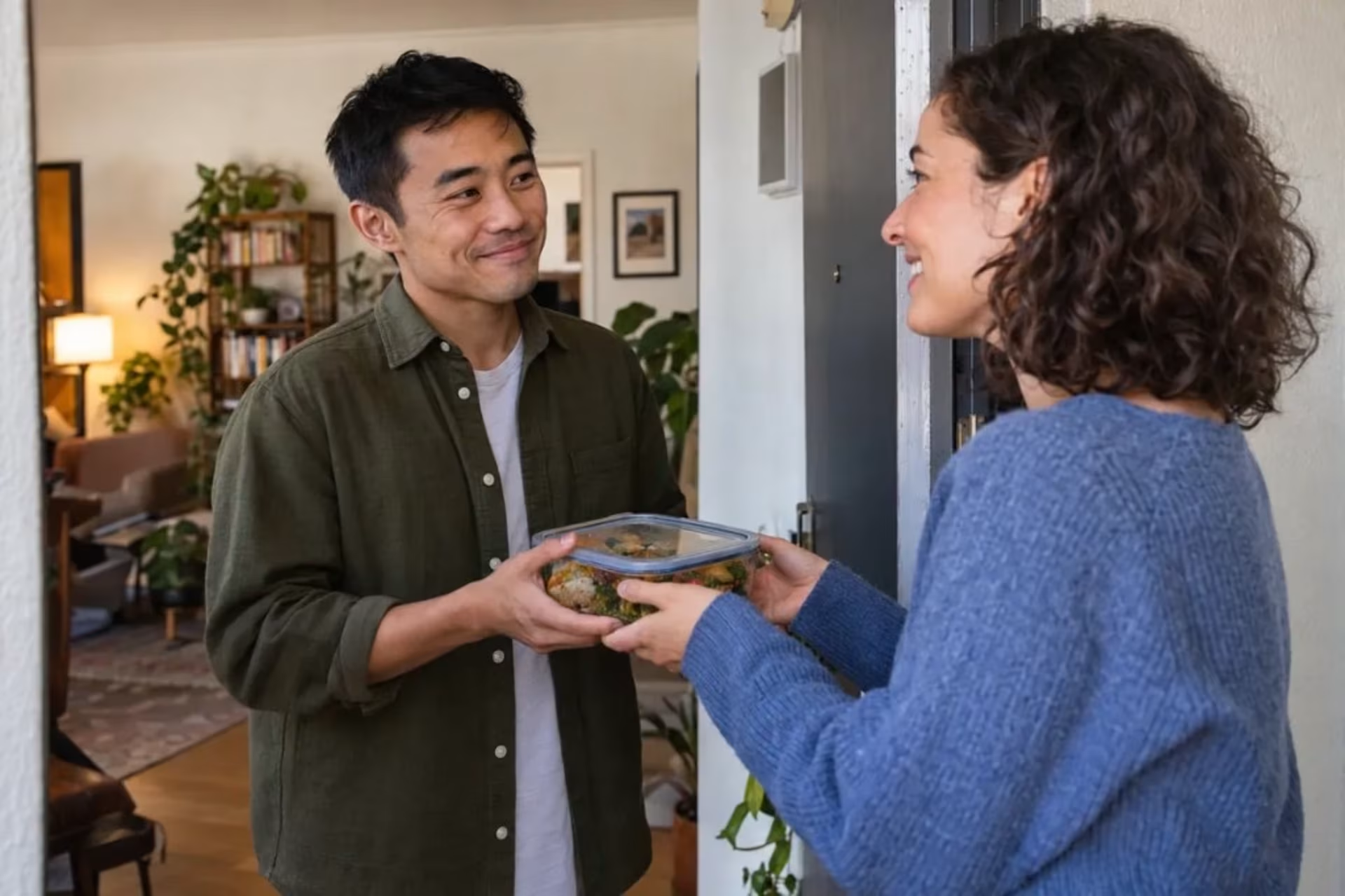
At its core, gratitude is the practice of recognizing and appreciating positive things in life—both as a spontaneous emotion and as an intentional daily practice. Modern psychology views gratitude as operating on three levels: as a state (a momentary feeling), a mood (a longer period of appreciation), and a trait (a stable disposition toward noticing blessings).
Research led by Robert Emmons and Michael McCullough at UC Davis in the early 2000s established that gratitude involves two key steps. First, you notice something beneficial—a gesture from a close friend, an unexpected moment of peace, a good fortune you might otherwise overlook. Second, you acknowledge that at least part of the source of this goodness lies outside yourself.
Gratitude also involves intentionally noticing sources of support and value in your life. This external attribution is what separates gratitude from general contentment or optimism. Importantly, gratitude is not toxic positivity. It does not require you to deny pain, grief, or hardship. Instead, it allows appreciation to coexist with difficult negative emotions. If someone has told you to "just think positive," see our article on positive thinking. In cognitive behavioral therapy, gratitude serves as one tool to counter the brain's negativity bias and broaden your attention beyond problems—without bypassing the real work of processing what's hard.
How Gratitude Works in the Brain and Body
Understanding how gratitude works begins with neuroscience, not just mindset. Practicing gratitude shifts neural activity and stress biology in measurable ways.
Functional MRI studies show that experiencing gratitude activates the medial prefrontal cortex and reward circuitry—brain regions linked to dopamine release, moral cognition, and emotional regulation. Gratitude helps calm the brain's fear center, the amygdala, reducing activity in areas tied to rumination and threat detection. Recent resting-state connectivity research confirms that trait gratitude correlates with stronger connections between subcortical reward regions and prefrontal areas responsible for self-regulation.
The body responds too. An 8-week gratitude journaling study in heart failure patients found reduced inflammatory biomarkers (CRP, IL-6, TNF-α) and improved parasympathetic heart rate variability during gratitude tasks. One study showed that high state gratitude was associated with lower blood pressure reactivity during a mental stress test. These brain and body changes help explain why cultivating gratitude supports long-term mental and physical health—not just momentary good feelings.
Mental Health Benefits of Practicing Gratitude

Gratitude practices can be associated with significant improvements in psychological well-being—making them highly relevant for anyone navigating anxiety, depression, stress, or trauma.
A large systematic review of 64 RCTs found that gratitude interventions reduce symptoms of depression and anxiety, with effect sizes of roughly 0.42 for depression and 0.38 for generalized anxiety. Focusing on gratitude reduces stress and anxiety levels, while practicing gratitude can boost your mood and mental health even in a few weeks of consistent effort.
Gratitude practices encourage individuals to interpret challenges positively, countering common patterns like catastrophizing and black-and-white thinking. Gratitude can facilitate emotional regulation and resilience, helping individuals cope better with stress and emotional pain. Benefits include improved mood, more optimism, reduced perceived stress levels, less loneliness, and greater resilience after setbacks.
Consider a composite example: a Bay Area professional experiencing burnout and panic attacks begins adding three good things to their nightly routine alongside CBT exercises. Over eight weeks, they notice less rumination before bed, slightly better sleep, and a growing ability to recognize moments of satisfaction amid a demanding schedule. Gratitude didn't replace their anxiety therapy or depression treatment—it amplified it.
Physical Health and Well Being: Why Gratitude Is Good for Your Body
Mental and physical health are deeply intertwined. The sense of appreciation you cultivate through gratitude spills over into how your body functions and how you care for it.
Grateful people report fewer physical health complaints. Research consistently shows that practicing gratitude can improve sleep quality and enhance sleep quality while reducing disturbances. Gratitude can enhance your immune system, and regular journaling has been linked to lower blood pressure and healthier heart-rate variability over several months.
Gratitude can lead to healthier lifestyle choices through behavioral pathways. People who experience more gratitude are more likely to exercise, choose balanced meals, keep medical appointments, and avoid substance misuse. These patterns help explain the link between a grateful heart and good health over time.
Think of gratitude as one small, low-cost tool that complements medical care, movement, and nutrition. It doesn't replace your evidence-based anxiety remedies or your doctor's advice—it makes you more likely to follow through on all the things that keep your body running well.
Social and Relationship Benefits of Gratitude

Gratitude acts as social glue. When you express gratitude to a partner, a friend, or a colleague, you create fertile ground for trust and emotional safety. Expressing gratitude strengthens relationships and social connections in ways that few other habits can match.
Gratitude strengthens relationships by fostering deeper connections. Expressing gratitude improves communication in relationships, and people with high gratitude levels experience better relationship quality. Research shows that when someone hears genuine appreciation—"Thank you for listening to me last night" or "I noticed you stayed late to help the team"—they feel more committed and more likely to be supportive in the future. Gratitude can reinforce feelings of connection and belonging, and it can lead to increased relationship satisfaction over time.
Gratitude can also motivate individuals to invest in their relationships. In the workplace, showing gratitude to colleagues has been linked to increased trust, job satisfaction, and reduced burnout. In couples therapy, structured gratitude exercises—like daily appreciation statements—help interrupt blame cycles and rebuild the sense that your partner sees you and values your effort. Weekly couples therapy is the format we use when that work needs a clinician in the room.
Common Obstacles to Feeling or Practicing Gratitude

Many clients at our practice tell us they know gratitude is helpful—but they cannot seem to feel grateful. This is completely normal, especially when you are stressed, depressed, or burned out.
Common internal barriers include:
Chronic stress and rumination that narrow your focus to what's wrong
Trauma history that makes positive emotions feel unsafe
Perfectionism and a habit of always wanting more
Negativity bias—the brain's default tendency to scan for threats
Interpersonal and cultural obstacles matter too. Constant comparison on social media, materialistic messaging, and family patterns that minimized your needs can all block the ability to feel gratitude. For trauma survivors or people in unsafe situations, gratitude practices must be used carefully so they do not invalidate real pain or become a form of pressure.
If gratitude feels forced, flat, or guilt-inducing, that is data about your nervous system state. It is not a personal failure. It may be a sign to slow down, try smaller practices, or work with a therapist who can help you find a pace that feels safe.
How to Start Practicing Gratitude (Even If You Feel Stuck)
You do not need a major life event to begin. Practicing gratitude can start with tiny, concrete steps that take under five minutes.
Try these micro-practices:
Silently note one thing that doesn't hurt in your body right now
Think of one person who would notice if you were struggling
Name one thing you can see or hear that gives slight comfort
Anchor gratitude to existing routines—after brushing your teeth, when you sit down with coffee, or just before closing your laptop at work. This habit stacking, which connects well with DBT stress management skills, makes the practice automatic over time.
Experiment with modalities. Some people prefer to write, others speak, draw, or mentally note. Practicing gratitude can help people notice meaningful experiences more easily, but only if the method fits your life. Start with 1–3 items a day or a few times a week. Specificity matters more than volume: "I'm thankful my coworker covered my meeting so I could rest" works better than a vague "friends."
Mindful Gratitude: Using the Senses to Ground and Appreciate
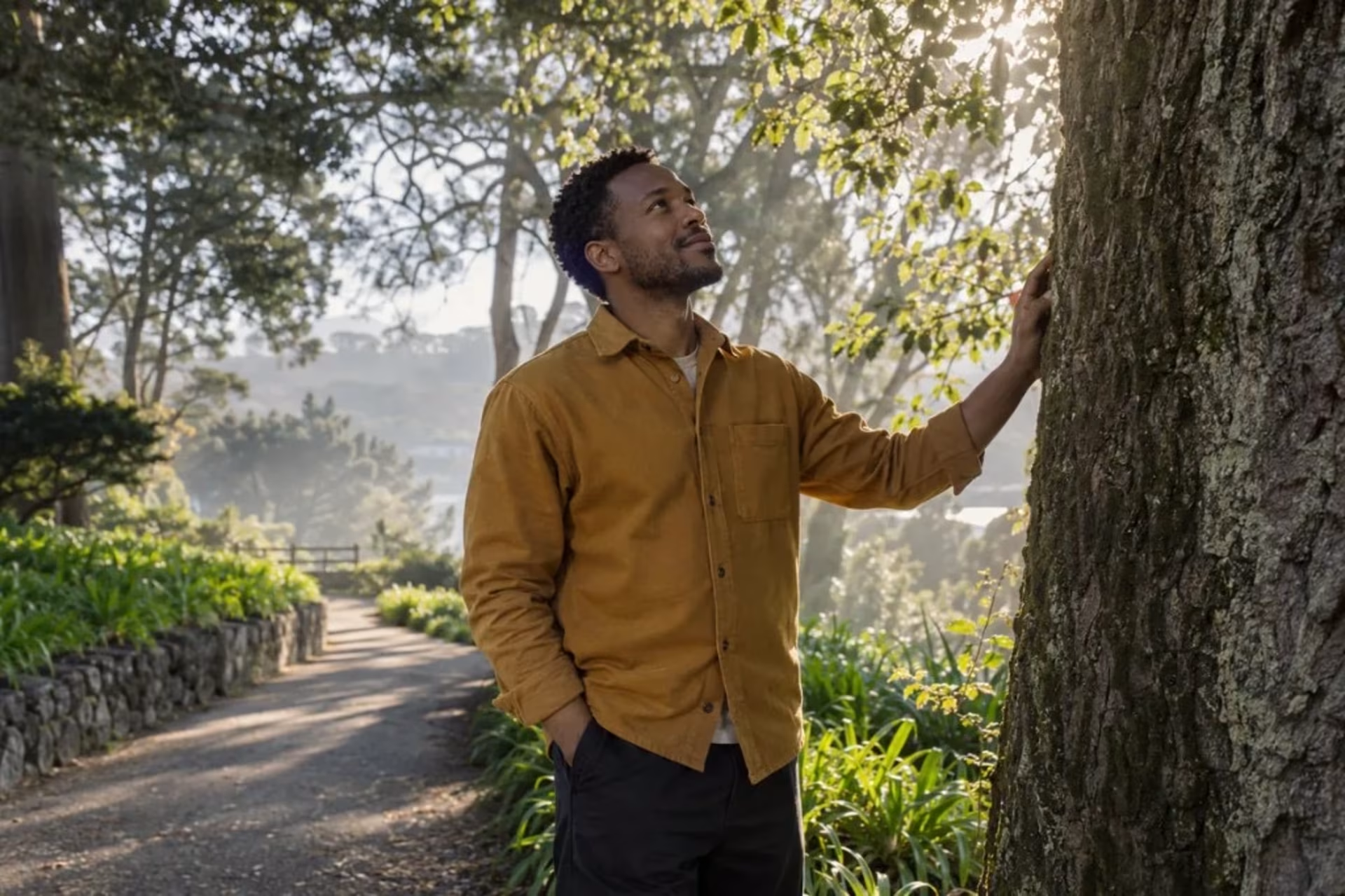
Mindfulness and gratitude reinforce each other. Paying attention to the present moment makes it easier to notice what you appreciate, and noticing what you appreciate keeps you grounded. Our mindfulness practices and guided meditations pair well with the short sensory drill below.
Try this simple 2–3 minute sensory practice:
Name one thing you can see that you appreciate
Name one thing you can hear that brings even slight comfort
Name one thing you can feel (texture, temperature, support)
Name one scent or taste that connects you to a positive memory or the current moment
Use this during stressful commutes, work breaks, or before difficult conversations to calm your nervous system. For people with anxiety or PTSD, mindful gratitude should be gentle and optional—never used to push away intrusive memories, but to offer small islands of safety.
Combine mindful walks with gratitude: noticing trees in a local park, morning light coming through fog in San Francisco or Oakland, and intentionally naming the little moments of beauty you encounter turns a routine walk into a grounding practice.
How to Keep a Gratitude Journal That Actually Helps

A gratitude journal is simply a dedicated space—paper or digital—where you regularly note what you appreciate and why. Writing in a gratitude journal boosts mental health because the act of writing engages your brain differently than just thinking grateful thoughts. Gratitude can be cultivated through daily practices like journaling, and the evidence supports this approach across ages and populations.
Setup tips:
Choose a simple notebook or notes app
Set a recurring reminder (evening works well for most people)
Aim for 3–5 minutes on most days rather than long entries
Be specific. Instead of "friends," write "my friend Alex texting to check on me before my presentation on Tuesday." Specificity helps the brain recall and weigh the benefit more deeply.
Useful prompts:
What felt slightly less hard today?
Who showed me kindness this week?
What am I grateful my past self did for me?
What is one thing in this world I'd miss if it disappeared?
In therapy at Bay Area CBT Center, clinicians may ask clients to bring selected journal entries to sessions to reinforce cognitive restructuring techniques and track changes in mood over time.
Evidence-Based Gratitude Exercises You Can Try
Think of these as a menu—pick what resonates rather than trying everything at once.
Three Good Things. Each night, write three good things that went well today and why. Emmons and McCullough's original research found this practice increases happiness and reduces depressive symptoms, with effects lasting several weeks.
Gratitude Letters. Write a detailed letter to someone you haven't properly thanked, then decide whether to share it. Writing gratitude letters can improve mental health significantly, with benefits found in both college and adult samples. Even the act of writing letters you never send produces measurable mood improvement.
Gratitude Visits or Calls. Schedule a 10–20 minute conversation focused on expressing specific appreciation to someone who has helped you—a loved one, mentor, or colleague. This makes people feel good on both sides and deepens the relationship.
If–Then Plans. Use implementation intentions: "If I close my laptop at work, then I will note one thing I'm grateful I learned today." These brief prompts have been linked to reductions in depression and anxiety in behavioral activation research.
When Gratitude Backfires: Pitfalls and Misconceptions
Gratitude is helpful, but it is not a cure-all. Misapplied, it can harm mental health.
Gratitude as debt. If feeling thankful becomes feeling indebted—like you "owe" someone and can't set boundaries—it creates pressure and shame instead of genuine appreciation.
Toxic positivity. The idea that you must "always be grateful" can silence anger, grief, or valid dissatisfaction. In abusive or unjust situations, telling someone to "just be grateful" is a form of gaslighting, not generosity. That pattern is the same one we unpack in positive thinking.
Minimizing real pain. Gratitude should never be used to dismiss trauma, discrimination, or burnout. Telling yourself "I should be grateful I have a job" does not erase harassment or unsafe working conditions. If you recognize this pattern, it may be worth exploring with a therapist who specializes in trauma and PTSD treatment.
Forced or inauthentic practice. When someone is emotionally numb or deeply depressed, pushing for deep gratitude can produce frustration or shame. Clinicians should tailor gratitude practices to each person's history, identity, and current stressors—and give permission to stop when a practice feels invalidating.
Integrating Gratitude Into Therapy and Everyday Life
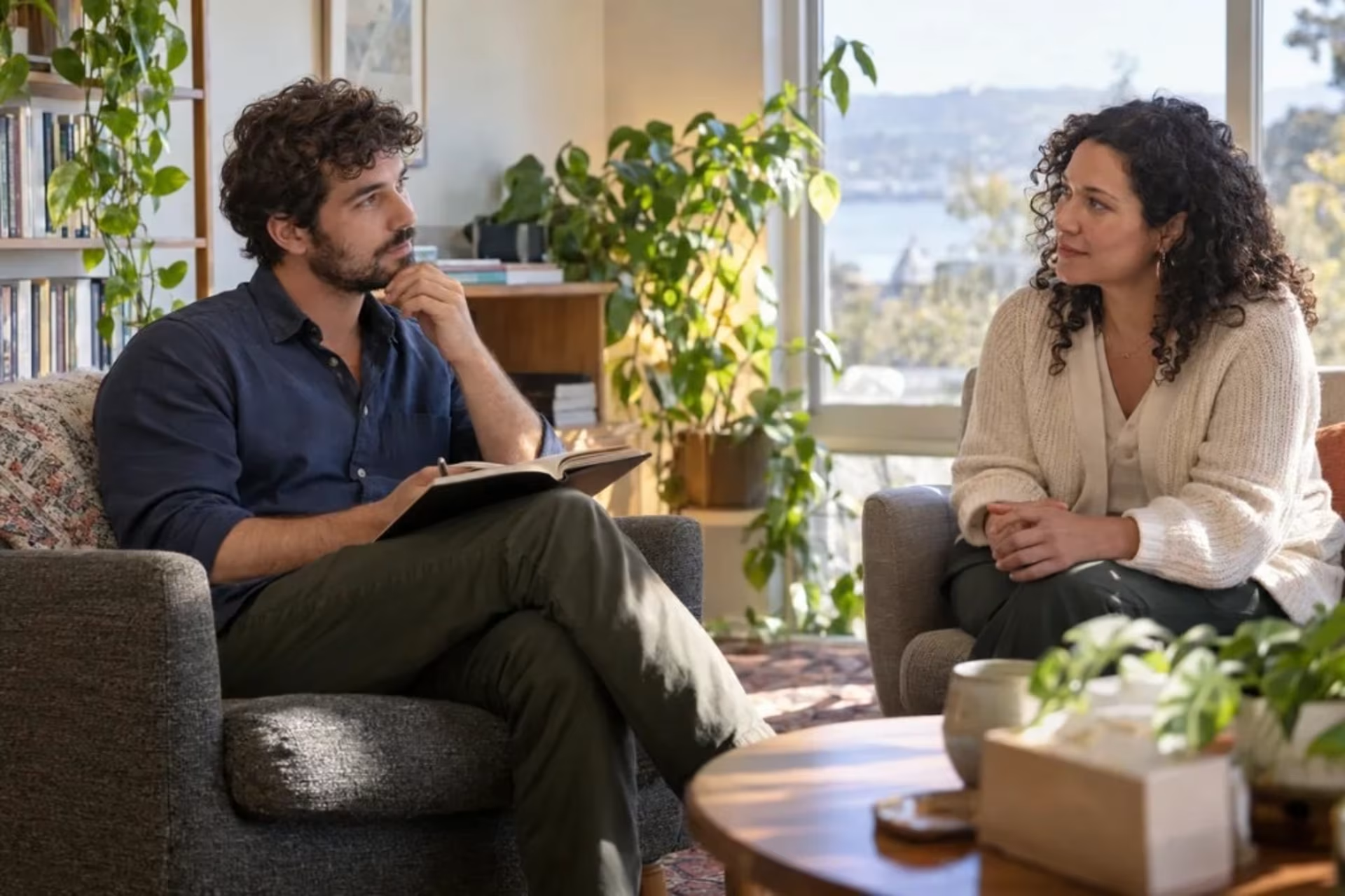
At Bay Area CBT Center, we work with individuals, couples, and groups across California to weave gratitude into broader evidence-based treatment. Gratitude may serve as one component of a comprehensive plan—never the entire plan.
In therapy:
CBT therapists use gratitude to balance thought records and behavioral activation plans without bypassing genuine pain
Couples therapists introduce daily appreciation rituals to improve communication and reduce blame
Trauma-focused work may use gratitude to identify safe people and resources, always within a foundation of safety and consent
Executive coaching sessions can include "wins" check-ins where leaders acknowledge team effort and generosity
In everyday life:
Family gratitude rituals at dinner: each person names one thing from their day
End-of-week reflection prompts in a planner or journal
Sending a brief message to a loved one expressing what you noticed and valued this week
If you find yourself stuck—unable to feel grateful, or noticing that appreciation brings up guilt, sadness, or numbness—that is not a failure. It is an invitation to explore what's underneath, ideally with professional support. Our therapists at Bay Area CBT Center can help you build a personalized, compassionate gratitude practice that honors your full experience.
The journey toward more gratitude is not about erasing what's difficult. It is about expanding your capacity to realize what is also true: that joy, connection, and even ordinary blessings exist alongside struggle. Start small. Be honest. And let the practice grow at your own pace. If you are still deciding whether you want therapy at all, take the do I need therapy quiz or the therapy matching quiz.
Bay Area CBT Center Services and Quizzes
Bay Area CBT Center is a California therapy and coaching practice led by Dr. Avigail Lev. Gratitude is a skill we use inside treatment. It is not a standalone program.
Start with the service that matches what you actually need:
Individual therapy for weekly, skills-based work
CBT, DBT, ACT, and mindfulness
Couples therapy when appreciation and blame have become the whole conversation
Groups and workshops, life coaching, and online therapy across California
Useful quizzes and screens (not diagnoses):
The full tests and quizzes hub
If you are ready to talk to a person, book a free consultation.
Frequently Asked Questions About Gratitude
Many studies observe changes in mood and well being after about 2–4 weeks of consistent practice, even with brief exercises like "three good things." Deeper shifts in anxiety, depression, and self-esteem often emerge over several months, especially when gratitude is combined with therapy. View gratitude as a long-term daily practice rather than a quick fix, while watching for small early changes like slightly better sleep or less rumination.
Emotional numbness is common in depression, burnout, and trauma. Feeling "fake" at first does not mean you are doing it wrong. Start with neutral or very small observations—"I'm grateful the bus came on time"—instead of forcing deep emotional gratefulness. If numbness is persistent, seek support from a therapist so gratitude can be introduced safely and gradually.
No. While gratitude practices support psychological health, they should not replace prescribed medication or evidence-based therapy for conditions like major depression, PTSD, or bipolar disorder. Gratitude is one helpful tool in a broader treatment plan that may include CBT, DBT, EMDR, medication, and lifestyle changes. Talk with your mental health provider about how to integrate gratitude safely into your existing care.
A gratitude journal specifically focuses on noticing gifts, moments, and events you appreciate—and reflecting on why they matter. General journaling often centers on processing problems or recording daily events. The intentional focus on appreciation helps shift attention toward positive experiences and resources, counterbalancing negativity bias. If you already journal, simply add a short "three things I'm grateful for today" section at the end.
Absolutely. It is not only okay but healthy to experience and express the full range of emotions, including anger, grief, and frustration. Gratitude should sit alongside honest emotional expression, not replace it. Both can be present in the same day or even the same moment. Try a "both–and" mindset: "I am furious about what happened at work, and I am thankful I have a friend I can vent to tonight."