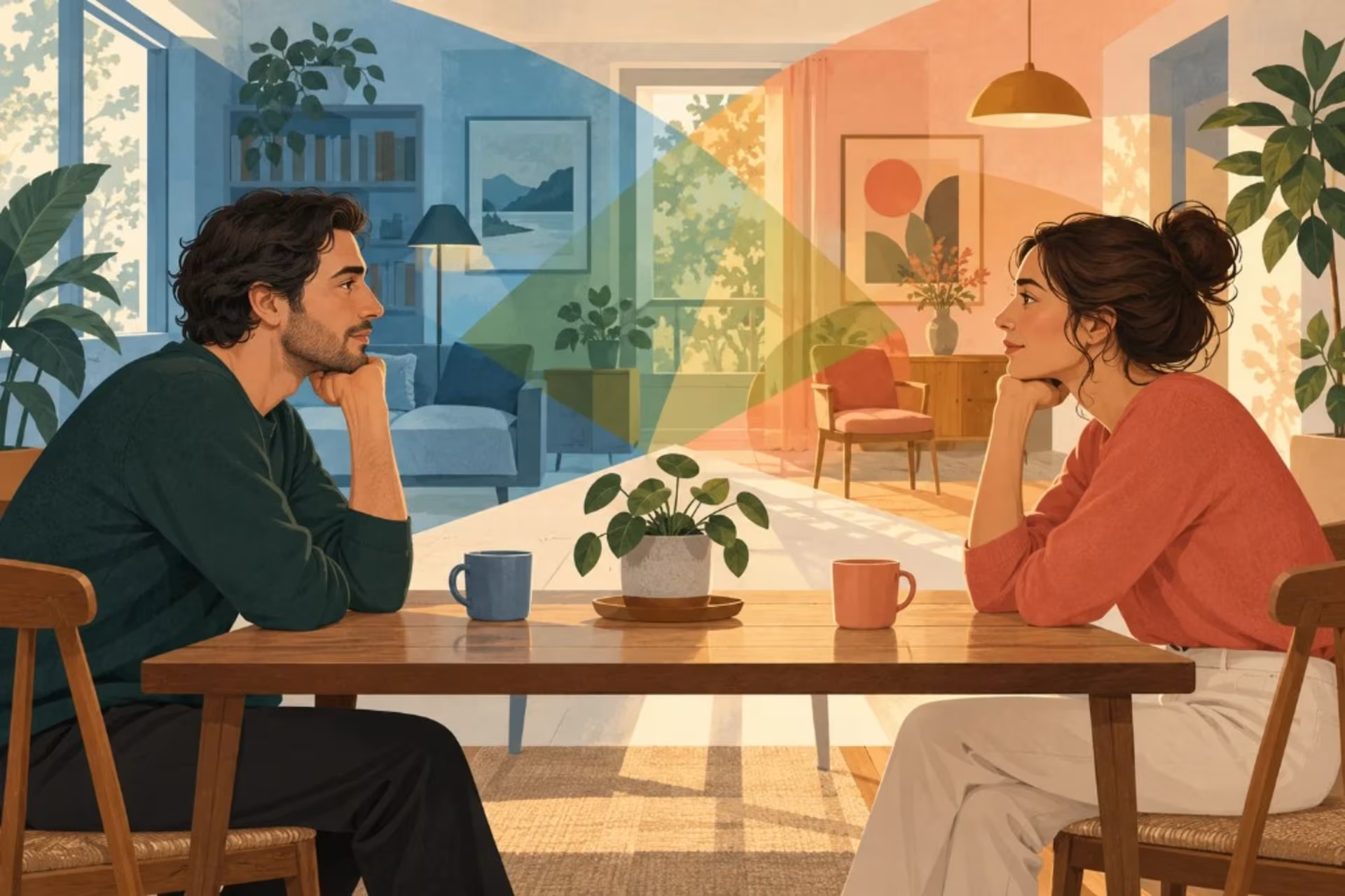
Easy Self-Care Tips: Daily Practices for Improved Mental Health

It is not easy to practice self care when the day is already full, and most advice makes it sound like a second job. The self care that lasts is almost boring. A glass of water. Four slow breaths before you answer a text. A walk around the block. A meal you sit down for. A phone left in another room for half an hour.
Self care is not a luxury reserved for people with spare time. The World Health Organization describes it as what people do for their own health, whether or not a clinician is involved. That includes physical health, mental health, and the ordinary habits that protect both. A long bath can be pleasant. It is not required for self care.
This is a menu, not a program you have to finish. Pick one or two items and repeat them on a tired day. At Bay Area CBT Center we use the same standard in therapy: a skill you will still do on a Wednesday beats a plan you abandon.
Key Takeaways
The easy self care ideas that last are short, specific, and tied to something you already do. A perfect morning is not required.
Breathing, a short walk, regular meals, a real conversation, and a stable bedtime are enough to change how stress sits in the body.
Self care practices support mental and physical health. They do not treat depression, trauma, or a panic disorder on their own.
If low mood, dread, or numbness lasts most of the day for two weeks, get an evaluation. Therapy can sit next to the habits. It does not have to wait until they fail.
Easy Self Care Tips Daily: Start Smaller Than You Think
If a routine needs a free morning, it will die on a Monday. Start with one action you can finish quickly and attach it to something you already do. Water before email. Three breaths before the first meeting. A lap around the block after you eat. That is the whole method.
People drop self care because the version they were sold needs an hour and a quiet house. You will not feel motivated on the days you most need a pause. Build it so motivation is irrelevant. Doing the same small thing five days in a row matters more than doing something impressive once.
What Self Care Really Means for Better Mental Health
Self care is any deliberate act that supports mental and physical health. Drinking water, stepping outside, texting a friend, or turning a phone face-down at dinner all qualify. So does saying no to a plan you do not have the energy for. The aim is well-being you can feel on a Wednesday, not a performance of rest.
Repeated on ordinary days, the physical health benefits are modest and real: steadier energy, a calmer pulse, and sleep that comes a little easier. The health benefits show up because the habit is small enough to repeat, not because the habit is impressive.
Self care practices work when they are specific. "Be kinder to myself" is not a practice. "Fill a glass of water before I open email" is.
Self care is not a verdict on your self esteem. If the only version you recognize is a spa day, a normal Tuesday will look like failure. Maintenance is allowed to look dull, and it still supports mental health.
Chronic stress is hard on physical health, including a higher risk of heart disease, and it wears down mood and sleep. A short practice will not erase chronic stress. Stress is a load, not a character flaw. The goal is not a life without stress. It is a day when stress is not making every decision. Used this way, self care can reduce stress, enhance mood, and support mental wellness without taking over the calendar.
Guilt about taking the time is common, and it is not evidence you are doing something wrong. You can practice self care and still be a reliable family member.
You Do Not Need Bubble Baths
Bubble baths, essential oils, and a color-coded journal are optional. If you like them, use them. If you do not have the hour, skip them without turning that into a verdict about your self care. The practices below were chosen because they still work when you are busy, flat, or irritable.
Easy Self Care Ideas You Can Start Today
Use this as a list of self care ideas, then keep two. The best self care tips are the ones you can do while the kettle boils. Everything else can wait until those two are automatic.
Short self care activities beat an elaborate plan you will not open again. If you want guided versions, the self-care activities on our site include exercises and short practices you can do without an account.
Start Your Morning with One Simple Grounding Habit

Before you check your phone, do one grounding habit. Stand at a window or step outside. Drink a full glass of water. Feel your feet on the floor. Name three things you can see. That is enough to meet the day ahead with a little more room in your head.
Morning phone use tracks with higher anxiety, so those first quiet minutes carry weight. You do not need a journal, a sunrise hike, or a special morning coffee ritual. One of those is plenty if you enjoy it. Fresh air and a glass of water are enough on a day you are already late.
A simple morning self care routine can be: water, one window of daylight, then the phone. Keep it that short and you will still do it when you overslept. If you want a fuller version of the feet-on-the-floor piece, our guide to grounding and earthing goes further than this two-minute start.
Self care practices in the morning fail when they compete with the clock. Attach the habit to the kettle, the bathroom, or the moment you lock the door. Do not attach it to "when I have time."
Use Deep Breathing Exercises to Calm Your Nervous System
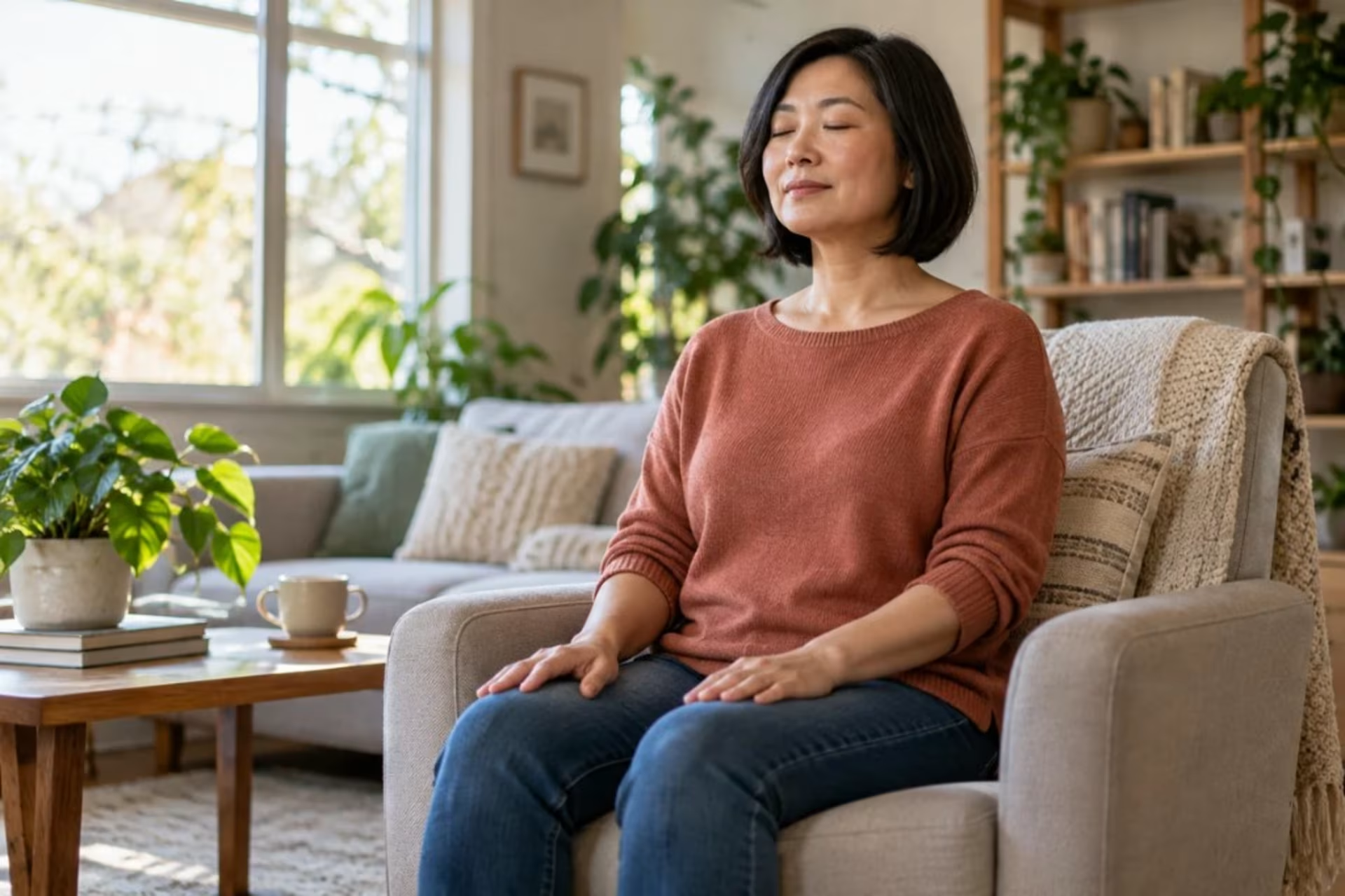
Breathing exercises are one of the fastest ways to turn the volume down. Box breathing is a simple pattern: inhale for four counts, hold for four, exhale for four, hold for four. Slow breathing can lower the stress hormone cortisol within about five minutes. Practiced regularly, it can also ease blood pressure. The full pattern, and the reasons it works, are in our box breathing guide.
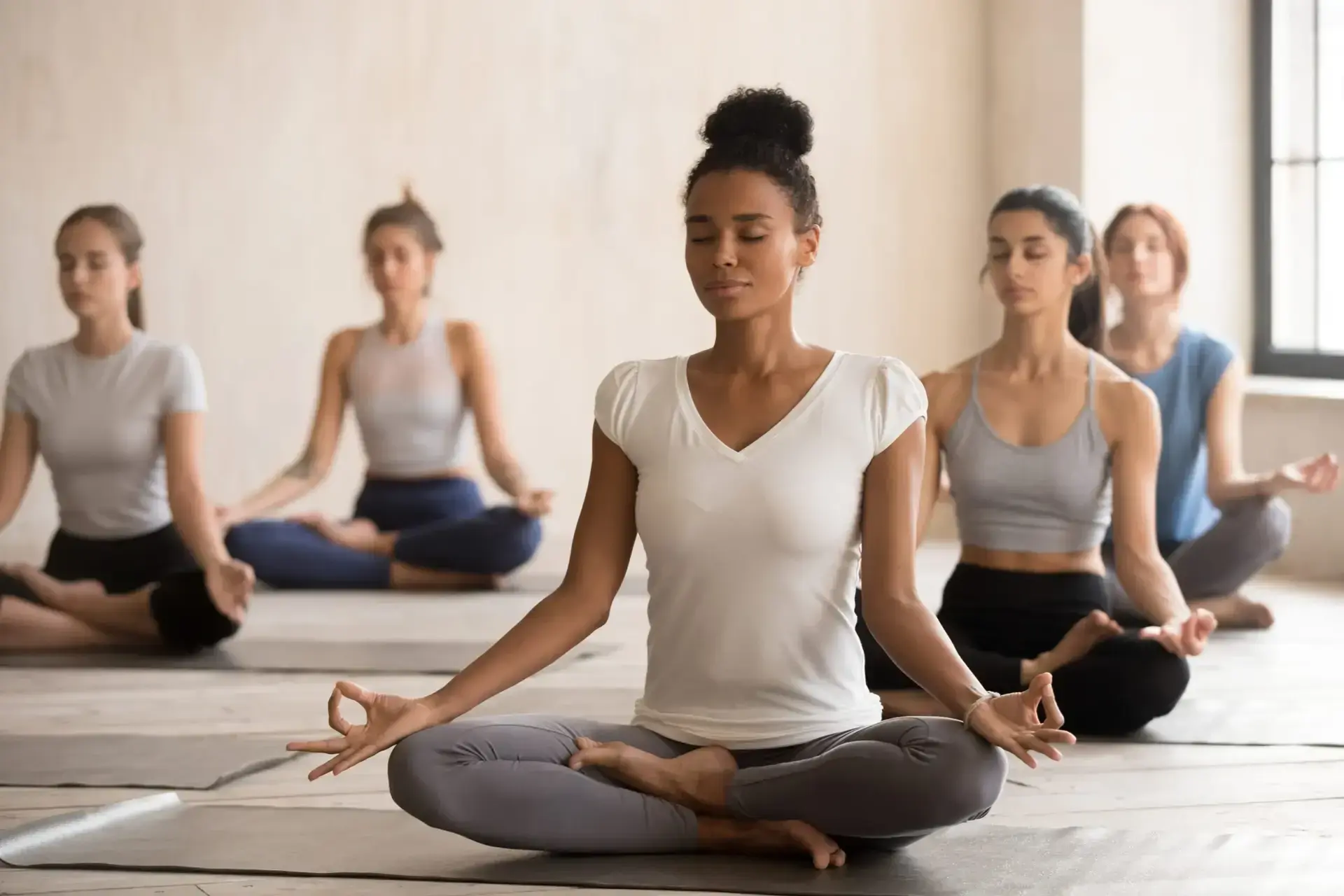
You can do this at a desk, in the car before you walk inside, or in a chair with your hands on your knees. Deep breaths are the whole tool. No app is required. Mindful breathing is the same skill aimed at one moment: the inbox, the school pickup line, the pause before you answer sharply.
These are relaxation techniques, not a personality change. They give your nervous system a signal that this minute is not an emergency. Use them when stress levels spike, not only when you have already snapped. A second round of mindful breathing later in the day is useful if the morning one wore off. If you want more than one pattern, the guide to meditation and mindfulness techniques covers several that take a few minutes.
Deep breathing will not fix a life that is actually unsustainable. It will give you enough space to notice that it is. That space is the point.
Move Your Body Gently Every Day

You do not need a gym plan. Ten to twenty minutes of walking, a few stretches, or one song you move to counts as regular exercise for this purpose. The physical health benefits of a short walk show up even when the walk does not feel like a workout. Regular walking also supports blood pressure, and a short walk can reduce stress more reliably than a long plan you skip.
Regular exercise supports cognitive function. A loop around the block is enough to improve mood on a flat day. Movement supports physical health in a way that thinking about a workout does not. These habits promote physical ease as well as a clearer head. If you can get fresh air while you do it, take it. The day you walk slowly because you are tired still counts.
Nourish Yourself Without a Complicated Plan

Skip the complicated diet. Eat at regular times, drink water through the day, and put some color on the plate. Dehydration and skipped meals make stress feel louder, and they make focus worse by late afternoon. Regular meals and water have physical health benefits you can feel when concentration usually thins.
Balanced meals support a healthy weight and the immune system over time. They also keep you from borrowing more energy from caffeine and then crashing. More energy in the afternoon often comes from lunch.
You do not need to track every bite. You do need to stop treating food as the thing you will get to after the work is done. Grocery shopping once, with a short list, removes a dozen evening decisions. That is self care. So is eating the food sitting down.
Protect Your Mental Health from Digital Overload
Social media is built to hold your attention past the point where you meant to stop. A study in JAMA Network Open found that young adults who took a one-week break from social media reported lower anxiety and depression symptoms afterward. You do not have to quit. A social media limit works better as a time of day than as a willpower contest: no phone for the first 30 minutes, or no scrolling in bed.
Put the phone in another room during meals. Turn off notifications that are not from actual people. If you lose sight of how often you pick it up, look at screen time once, then change one setting. Checking social media in bed is the habit most likely to wreck the next morning. Social media can wait until that first half hour is over. If the phone is the hard part, this piece on phone overuse goes further than a screen-time tip.
Social isolation is tied to worse physical health over time, including a higher risk of heart disease. More scrolling is not the remedy for that. A real conversation is. If the feed is where you go when you feel lonely, notice the swap: the feeling that brought you there is still there when you leave.
Work notifications count too. If the drain is the job and not the apps, burnout and work-related stress are the more precise names, and they need more than a screen limit.
Connect with Friends and Family for Emotional Health

A short call, a walk with a friend, or coffee with someone you like can provide emotional support that a solo routine cannot. Friends and family do not need a perfect plan. They need a time you actually keep. Connection is part of physical and emotional health, and it is one of the more reliable routes to emotional well-being.
Emotional health, and mental health more broadly, gets worse in isolation even when the isolation looks productive. A real conversation can reduce stress in a way that scrolling does not. Ask for what you need in one sentence. "Can you listen for ten minutes without fixing it?" is a fair request.
One family member who knows you are having a hard week is more useful than a group chat you perform for. If reaching out feels impossible, that is information. Loneliness that does not lift with a text is a reason to look at therapy, not a reason to try harder at texting.
How Loved Ones Fit a Small Routine
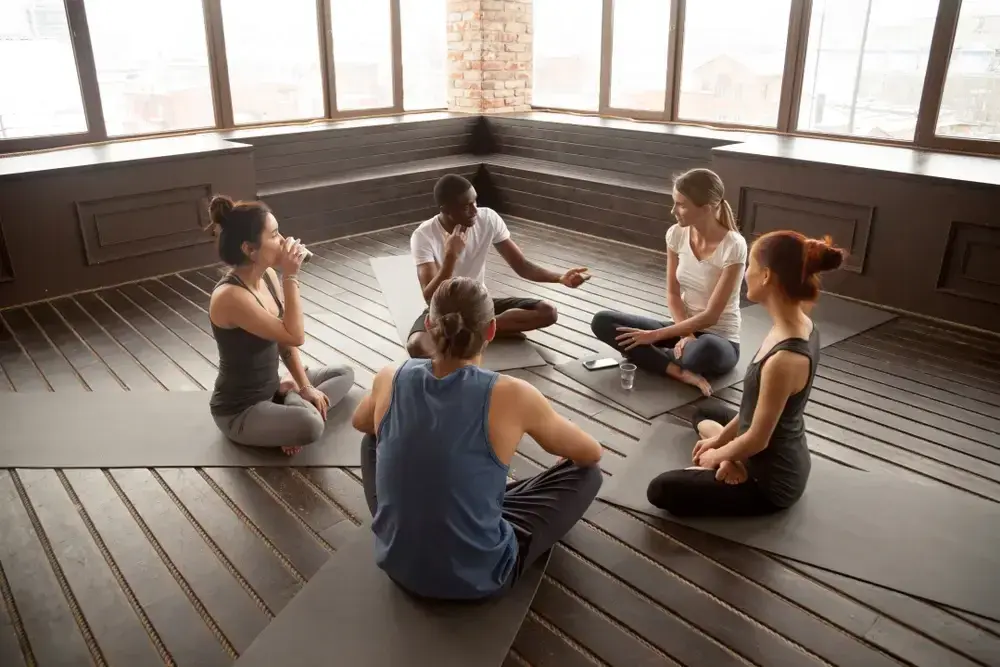
Loved ones can be a weekly dinner, a standing call, or the person you sit with without performing. Self care that includes other people still counts. You do not have to earn company by being in a good mood first. If you want a structured version of the same need, support groups are a place to practice it with other people in the same boat.
Practice Mindfulness in Tiny Moments
You do not need a thirty-minute sit. Three breaths before you open a laptop. One page in a gratitude journal. Mindfulness practice improves the ability to reframe a thought instead of obeying it. About forty-five minutes of making art has been shown to lower cortisol, which is a reminder that attention is the active ingredient. Pair those relaxation techniques with a walk if sitting still makes you more restless.
A few weeks of a short daily practice is enough to notice a shift in stress levels. Present moment attention is a rep, not a mood. Practice gratitude in one sentence if a full gratitude journal feels like homework. Positive thoughts you force are less useful than one accurate note about what was fine today. This is self care for mental health on a day when you cannot do anything longer.
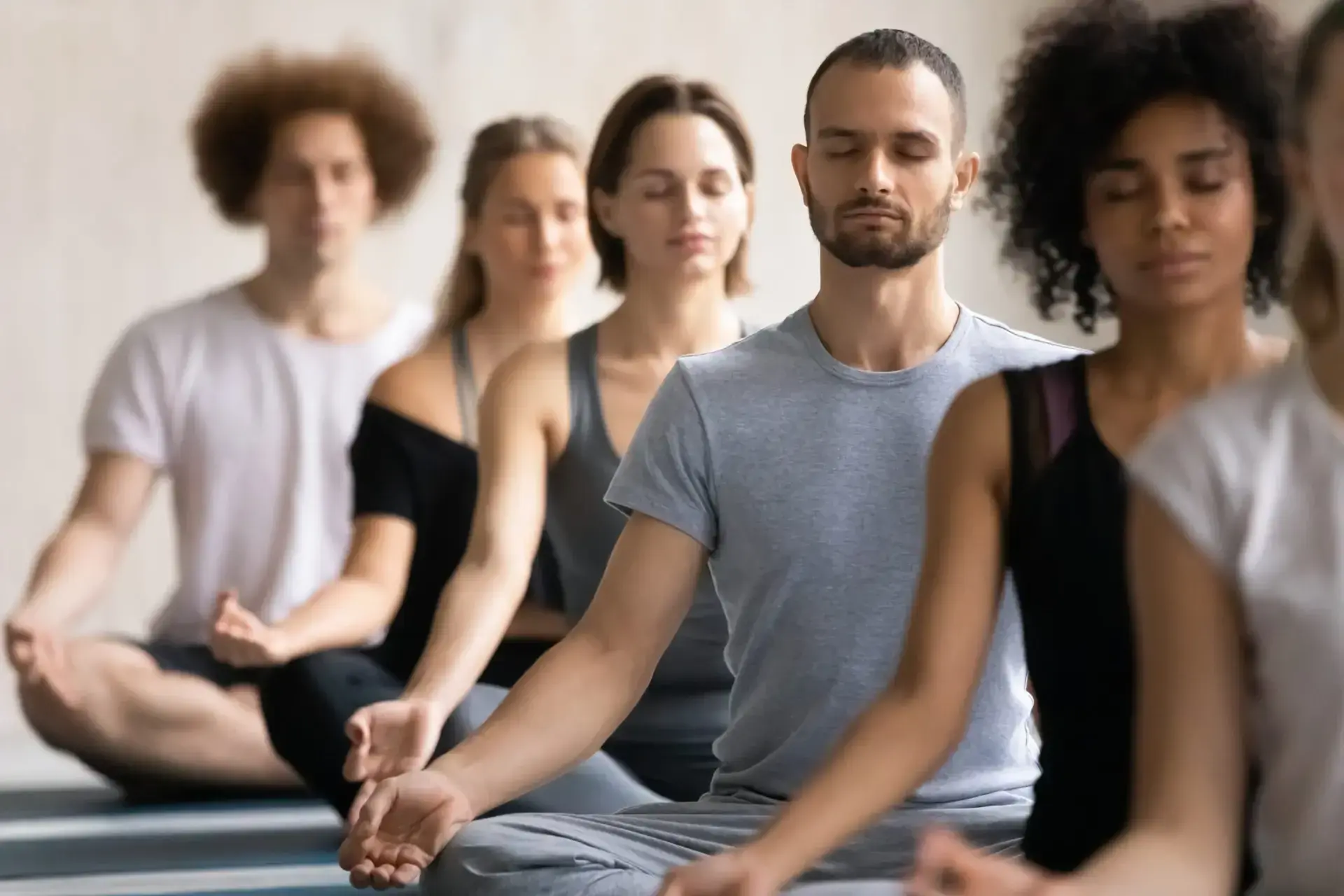
The longer versions live on our mindfulness practices page and in mindfulness-based therapy. A class format, if you want other people in the room, is mindfulness-based stress reduction. Self awareness grows from those reps. It does not arrive as a personality.
These practices can reduce stress. They are not a substitute for changing a situation that is actually harming you. Use them to see clearly, including to see when you need help.
Reset Your Space to Reset Your Mind
Two minutes. Make the bed, clear one surface, or open a window. A calmer room makes it easier to think, and mental fatigue often eases a little when your eyes have somewhere to rest that is not a pile of mail. This is not a cleaning project. Stop when the two minutes are up.
If you want calming music while you do it, use it. The room does not have to become a project. It has to stop shouting at you.
Build a Calming Bedtime Routine and Get Enough Sleep
Most adults need about seven to nine hours. In 2024, 30.5% of U.S. adults slept less than 7 hours in a typical day. Short sleep and depression travel together. Sleeping about five hours or less is tied to higher rates of depression than sleeping closer to a full night. Protecting your sleep has physical health benefits that no morning routine can replace. Sleep is the hinge between physical and mental health, and it is one of the first things a crowded week steals.
Enough sleep also supports cognitive function the next day. Thinking harder rarely fixes a problem that is partly a sleep problem. Leaving the phone outside the bedroom can reduce stress at night, because the feed stops being the last thing you see.
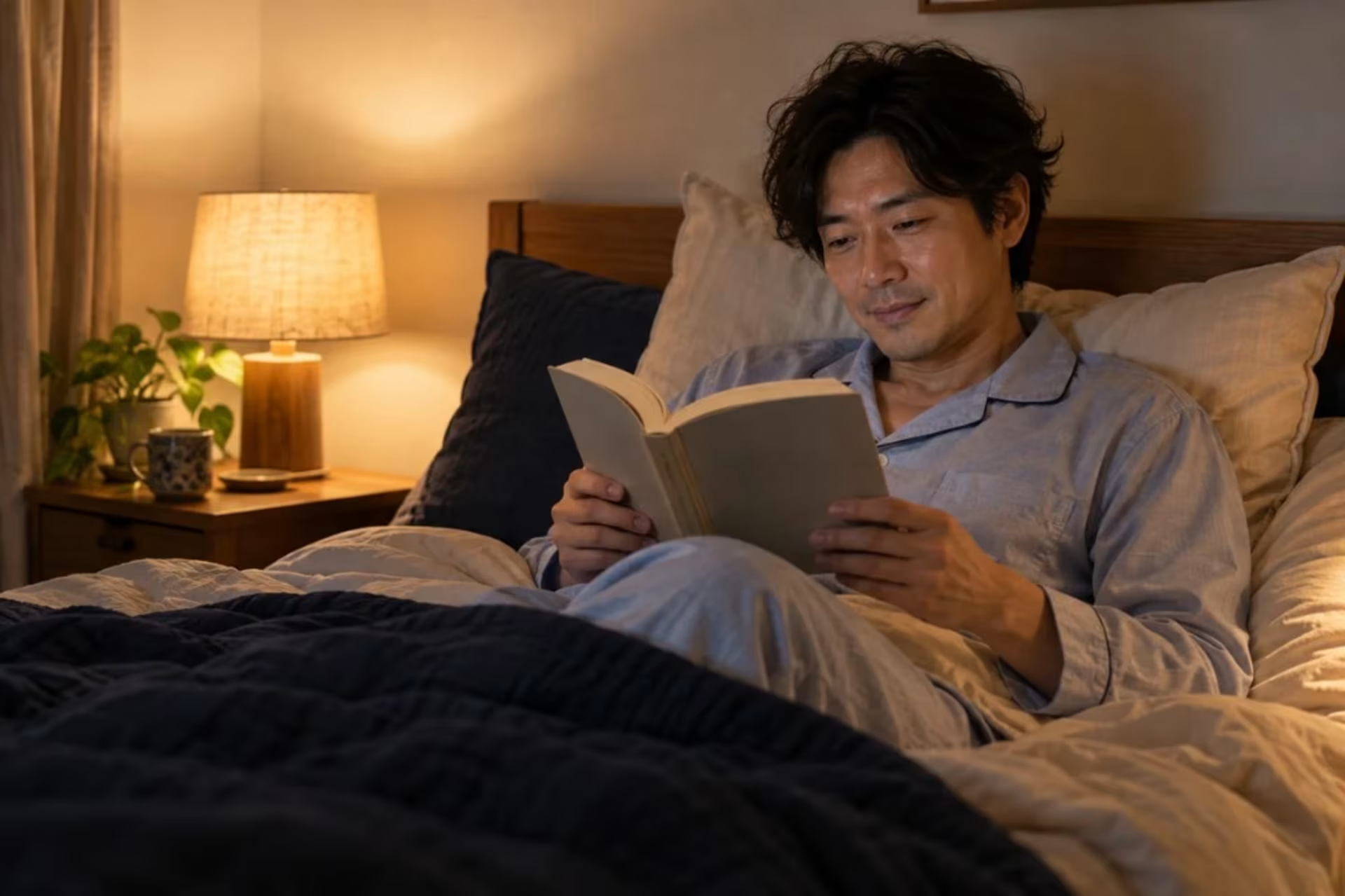
Build a bedtime routine you can do half-asleep. Dim the lights. Read a few pages. Keep the room cool. Calming music is optional. The routine should be boring. Boring is what your brain learns to associate with stopping.
If your mind will not shut off, cognitive shuffling is a simple technique for the racing-thought version of insomnia. If sleep has been broken for weeks, CBT-I is the treatment with the best evidence, and it is more useful than another list of sleep tips. A bedtime routine can improve sleep quality. So can a consistent wake time, including on weekends. People often chase sleep quality with supplements and skip the wake time, which is the stronger lever.
If you are awake and frustrated, get up, keep the lights low, and come back when you are sleepy. Enough sleep is a mental health intervention, not a reward you earn after the to-do list is done. A stable self care routine at night is often what makes the morning possible. That routine is one of the self care practices worth protecting when the week gets loud.
Turn Everyday Tasks into Easy Self Care Ideas
Folding laundry can include calming music. A commute can be the walk. Grocery shopping can be the time the phone stays in your pocket. A lunch break can be ten minutes outside instead of a desk scroll. These easy self care ideas are already inside the day you have. You do not need a new life to start them.
Self love, in this sense, is keeping one small promise to yourself. It is not a mirror mantra. Self love is also letting that promise be small. A to-do list that begins with one non-negotiable pause will get done more often than a list that starts with twelve improvements.
Daily life is where the practice has to live. If it only happens on vacation, it is not a practice yet. The second test is whether it still happens in daily life on a week when work is loud. If it does not, shrink it again.
A Daily Routine and Self Care Plan to Improve Mental Health
Pick three items. One for the body, one for the mind, one for another person. Write them where you will see them. A self care plan you will not do is not a plan. This daily routine is a floor, not a score.
| Area | A version you can actually do | Time |
|---|---|---|
| Body | Water when you wake up, a ten-minute walk, a real lunch | 15–20 minutes, split up |
| Mind | Box breathing once, phone out of reach for the first half hour, one sentence about the day | About 10 minutes |
| Connection | One text or call you do not postpone, or a meal with someone | 5–30 minutes |
| Sleep | Same wind-down, phone outside the bedroom, a consistent wake time | 20 minutes at night |
Review it once a week for five minutes. Keep what you did. Drop what you skipped. Overall wellness is the result of those kept items. The three rows cover mental and physical health on purpose, including mental health on the days you would rather skip them.
Self care ideas belong in the plan only if you can name the time of day. "Move more" is not an item. "Walk after lunch" is. A short daily practice is a realistic way to improve mental health when you do not have a free afternoon. You can practice self care inside a daily routine this short. These self care activities are the ones worth repeating.
When Easy Self Care Tips Aren't Enough
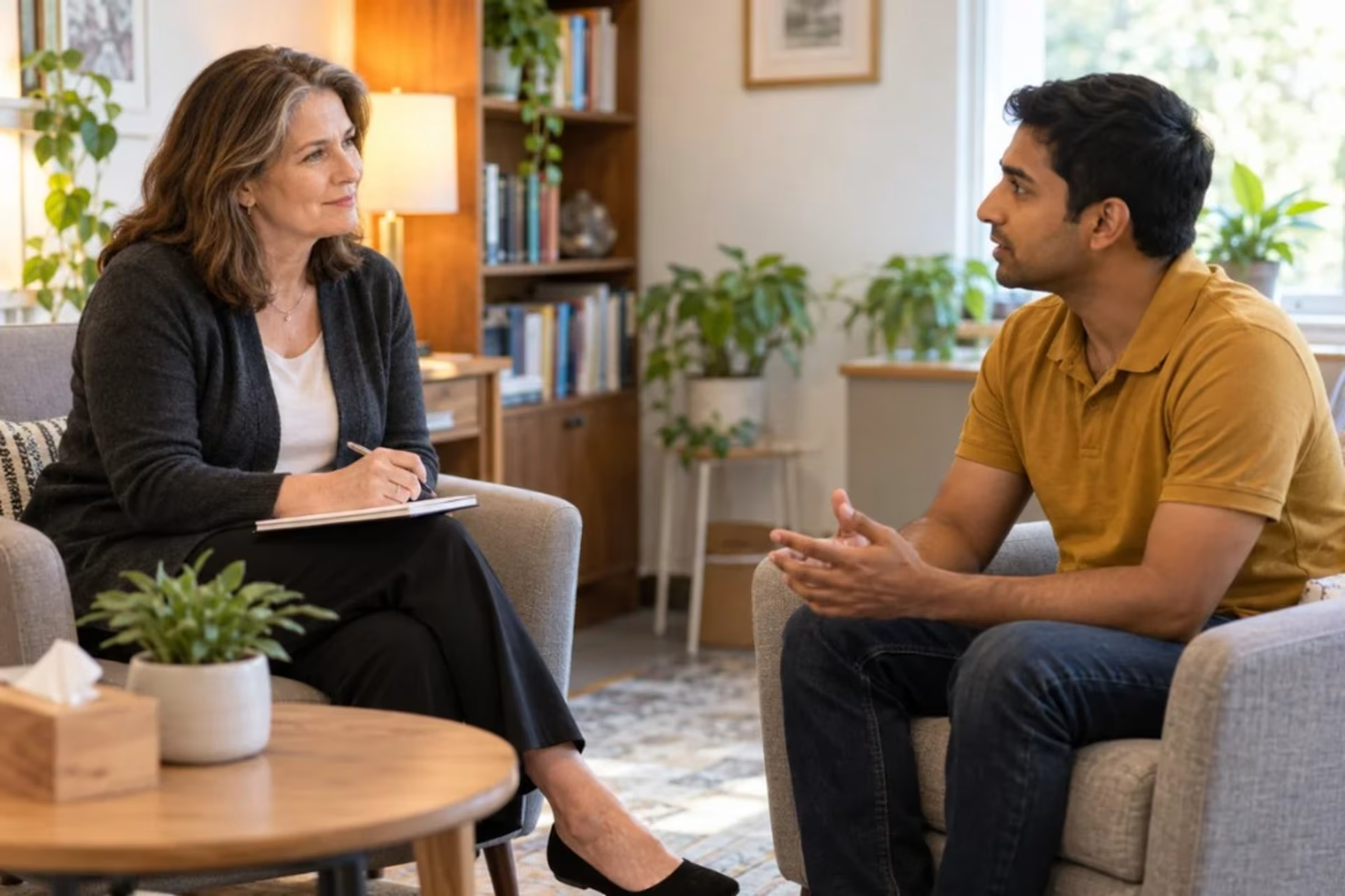
These self care tips are a starting point, not a treatment plan. If low mood, dread, irritability, or numbness lasts most of the day, nearly every day, for two weeks or more, that is past the reach of a breathing exercise. The National Institute of Mental Health uses that two-week pattern as a reason to get an evaluation. Do not wait for a crisis to take it seriously.
A walk can improve mood. It cannot process trauma, and it cannot lift a depressive episode by itself. The therapeutic benefits of a real course of therapy are different from the relief of a break. Both matter. They are not the same thing. Another round of tips will not provide emotional support if what you need is someone who can see the pattern with you.
Cognitive behavioral therapy looks at the thoughts that keep you stuck and the behaviors that follow them. Our article on how CBT helps with anxiety and depression walks through that cycle, and how to deal with depression is the longer guide if low mood is the main problem. DBT is a better fit when emotions spike faster than a walk can touch. EMDR is for trauma that daily habits cannot process. The article EMDR as a path through PTSD explains what that work looks like.
Anxiety therapy and depression treatment are the service pages when those are the problem you came in with. Individual therapy is the usual starting point. You can book a free consultation and we will match you with a therapist.
We see people in person in San Francisco, Oakland, Los Angeles, San Diego, and Roseville, and by online therapy anywhere in California. If you want a few concentrated days rather than a weekly hour, a mental health retreat is an option alongside ongoing care.
You do not have to finish a self care streak before you ask for help. The therapeutic benefits of a few sessions are usually about being less alone with the problem, and about a plan that matches what is actually wrong. Stress levels that stay high no matter how consistent you are belong in that conversation.
Frequently Asked Questions About Easy Self-Care Tips
A few minutes is enough to start. Ten to twenty minutes is a solid daily dose if you have it. The habit matters more than the length. A glass of water and three slow breaths count. A long routine you skip does not. Attach self care to something you already do so it still happens on a crowded day.
Some shifts show up the same day. A short walk or a brief round of breathing can lower arousal within minutes. Sleep and mood usually need a couple of weeks of the same small practice. If nothing changes, or mental health symptoms are getting worse, talk with a therapist instead of adding more self care.
The guilt is common, and it is not proof that you are doing something wrong. A short pause is easier on the people around you than a week of snapping. Tell a family member what you are doing in one sentence so the pause does not look like withdrawal. Self care is maintenance for mental health, not a treat you have to justify.
No. Daily habits can support mood, mental health, and physical health. They cannot treat a depressive episode, trauma, or a panic disorder. If symptoms last most of the day for two weeks or more, get an evaluation. Therapy and medication can run alongside a self care plan. They are not the prize you earn by finishing the habits first.
We help you build self care you will actually do, and we treat what the habits cannot. That includes cognitive behavioral therapy, DBT, and mindfulness-based therapy. The therapeutic benefits of that work are specific to what is wrong, not a longer list of tips. You can book a free consultation and start with individual therapy.
Bay Area CBT Center offers in-person therapy in San Francisco, Oakland, Los Angeles, San Diego, and Roseville, plus online therapy anywhere in California. Individual therapy is the usual start. A mental health retreat is an option when you want a few concentrated days.