Spa Retreats: How to Choose a Resort Spa That Truly Supports Your Mental Health

A spa retreat in 2026 is no longer just about pampering. Today's best resorts blend soothing spa treatments, nature immersion, and clinically informed wellness into experiences that address stress, anxiety, and burnout at a deeper level.
Key Takeaways
Modern spa retreats range from luxury resort spa stays focused on relaxation to clinically supervised mental health retreats offering evidence-based therapy like CBT, EMDR, and mindfulness.
Attending a spa retreat provides deep stress reduction and physical restoration, but sustained gains require matching the right retreat type to your specific needs and following up with ongoing care.
Bay Area CBT Center offers mental health retreats across the United States and worldwide that integrate therapy with restorative environments, including options for individuals, couples, and groups.
Different types of spa retreats cater to specific wellness goals-choosing a retreat starts with identifying your core wellness goals and symptom severity.
This article walks you through retreat types, selection criteria, what to expect day by day, and how to maintain gains once you return home. A brief FAQ at the end addresses timing, insurance, and emotional preparation.
What Is a Spa Retreat in 2026? (Beyond a Simple Spa Day)
A spa day typically means a few hours of massages, facials, and hot tub access. An immersive spa retreat-usually three to seven days-combines body treatments, fitness classes, structured rest, and often psychotherapy-informed practices into a tranquil retreat designed for genuine rejuvenation. A resort spa sits within a larger hotel property and offers amenities alongside dining and golf, while a destination wellness retreat makes wellness the entire point of your visit.
Consider the Omni Grove Park Inn in Asheville, which features a full-service spa with 43,000 square feet of spa space and 20 water features-a setting where guests move between massage therapies, yoga, forest bathing, and reflective downtime. Golden Door in Escondido structures entire days around mindful hiking, nutrition, and meditation. Sedona's Mii Amo weaves nature walks and silent reflection into every stay. Many retreats create environments for quiet, nature, and meditation that actively lower physiological arousal, helping people dealing with burnout, grief, or life transitions find a serene escape.
The critical distinction: traditional spa resorts focus on comfort and relaxation, while clinically oriented retreats like those from Bay Area CBT Center include individual and group therapy with licensed clinicians using evidence-based modalities such as EMDR, CBT, and DBT. Some retreats offer evidence-based therapy and counseling services-these are not spa vacations but structured therapeutic experiences.
Types of Spa Retreats and Who They're Best For
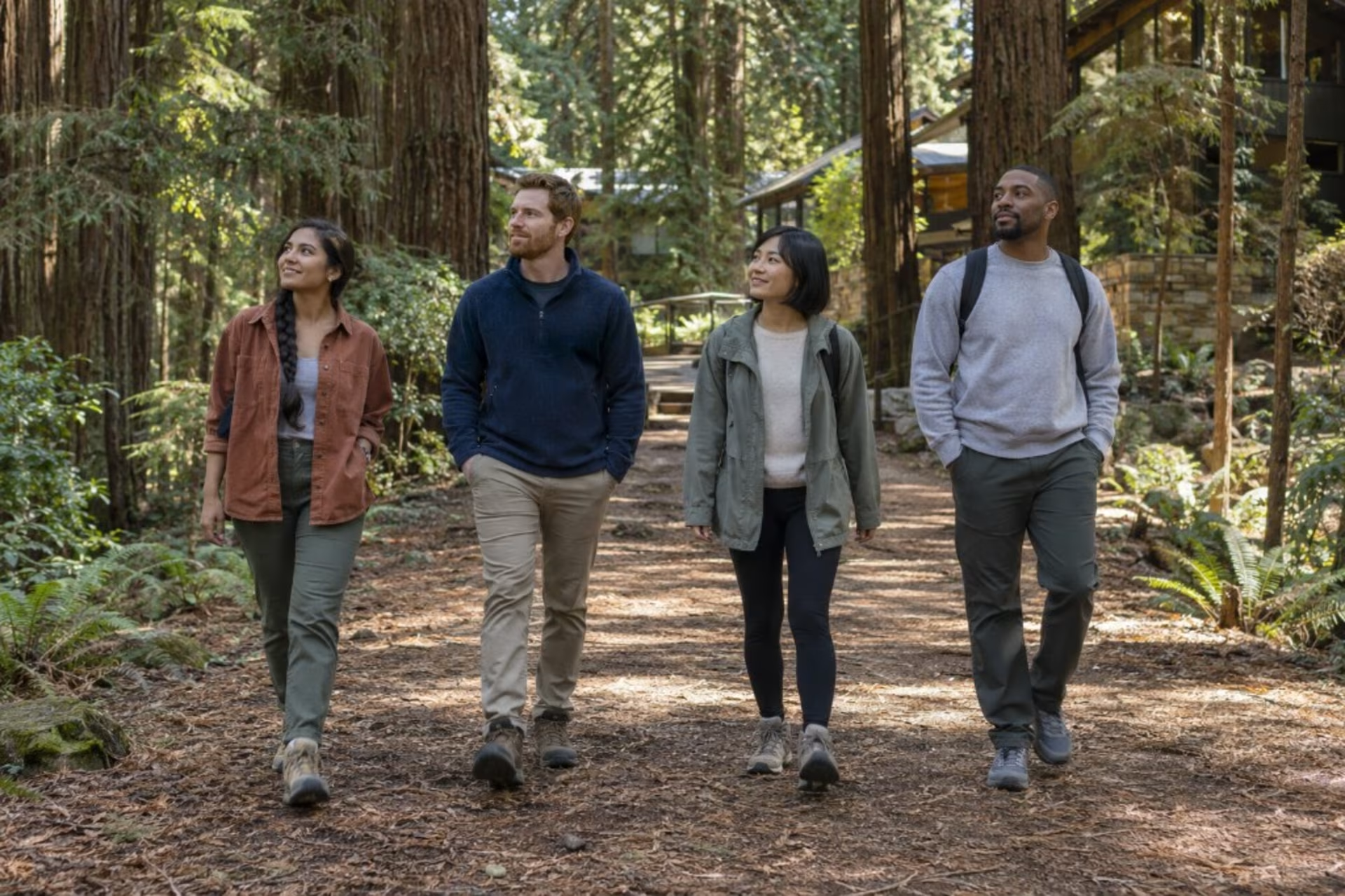
Not all spa retreats are alike. Different retreats specialize in experiences such as relaxation, mindfulness, or medical wellness programs. Here are the main models:
Classic luxury spa resorts: Properties like the Waldorf Astoria Spa, located in Chicago's Gold Coast area, or the Peninsula Spa-which features a Himalayan salt sauna, herbal steam room, tranquil indoor pool, and relaxation lounge-offer world class amenities for short-term stress relief and special occasions. Mokara Hotel & Spa is the only Forbes 4-Star spa in San Antonio, with Mokara Spa featuring 17 treatment rooms at Omni Barton Creek. Common offerings at spa retreats include a wide array of amenities, such as massages and body treatments, facials, salon services, and access to saunas and steam room facilities.
Destination wellness immersions: Cal-a-Vie in Vista offers structured fitness and nutrition. Omni Rancho Las Palmas offers over 50 spa treatments. Omni Mount Washington Resort features a 25,000-square-foot spa. Red Mountain Resort in Southern Utah combines fitness classes with red rock trail hiking. In orlando, Omni Orlando Resort at ChampionsGate is another upscale option travelers often consider.
Nature-based retreats: Mountain retreats offering forest bathing, outdoor yoga, and hot springs emphasize the healing power of nature. Elements Spa provides extensive beauty treatments and massage therapies in settings surrounded by natural beauty. Idlewild Spa offers a Nordic spa experience with thermotherapy and a salt relaxation room with Himalayan salt walls.
Relationship-focused getaways: Crystal Springs Resort has two award-winning spas for relaxation and is perfect for a couples massage weekend. Couples retreats can combine shared spa services with communication exercises.
Clinically informed mental health retreats: Bay Area CBT Center's anxiety, trauma, and couples intensives integrate mindfulness, gentle bodywork, and somatic practices into a clear therapy framework with defined goals. Eagle Ridge Resort offers Stonedrift Spa for luxurious treatments that complement therapeutic programming.
Matching retreat to need: Mild stress or a desire to unwind suits a luxury spa resort. Persistent anxiety, PTSD, depression, OCD, or bipolar disorder calls for a clinical retreat. Active crisis-self-harm, psychosis, mania-requires psychiatric stabilization, not a leisure escape.
How Spa Retreats Support Mental Health: Evidence-Based Benefits
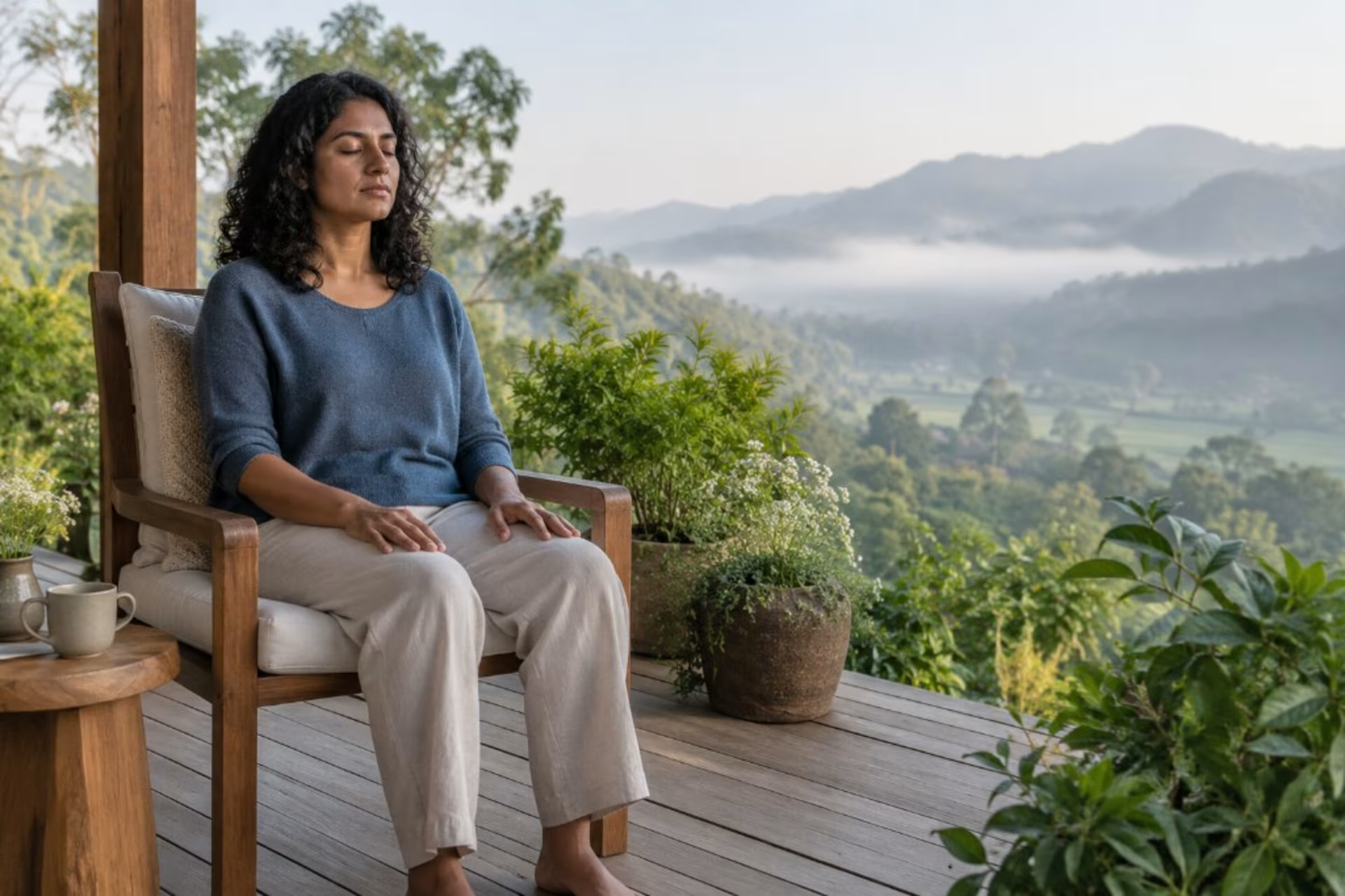
Stress reduction is a key benefit of spa retreats. Removing yourself from daily tasks lowers cortisol levels and promotes psychological calm by shifting your nervous system from sympathetic ("fight or flight") toward parasympathetic ("rest and digest") states essential for trauma and anxiety recovery.
Key therapeutic mechanisms include:
Sleep and thermal regulation: Thermal experiences help regulate your circadian rhythm for better sleep quality. Improved sleep, reduced stress, and feeling recharged are consistent benefits of wellness retreats.
Bodywork: Professional bodywork eases chronic muscle tension and improves joint mobility. Soothing massages help soothe tension or stress, reduce perceived stress, and release oxytocin.
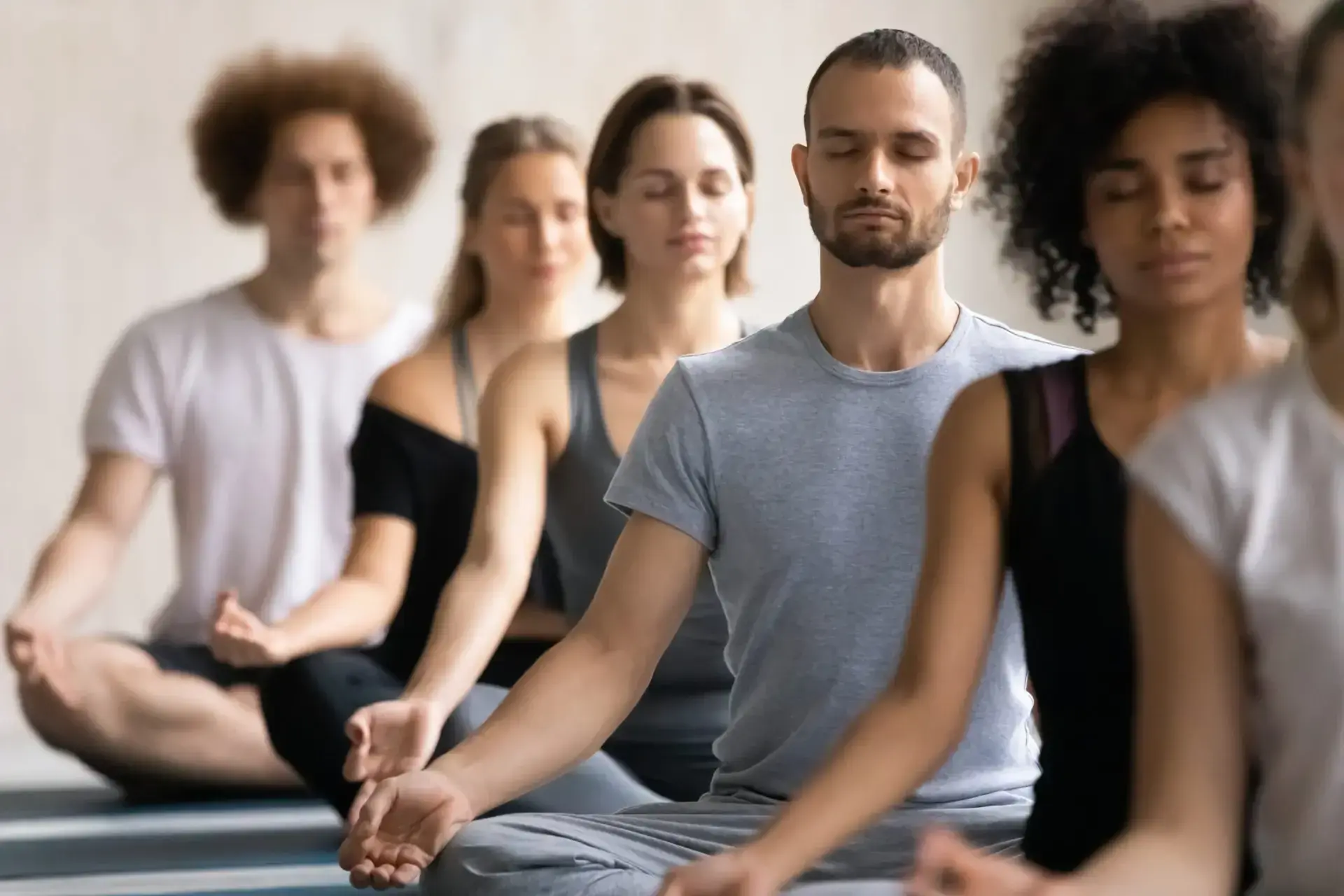
Mindfulness practices: Guided meditation, yoga, mindful walks, and forest bathing align with CBT, DBT, and somatic therapy principles. A 2025 study of 89 adults completing a six-day meditation retreat showed significant reductions in rumination, negative affect, and depressive symptoms.
Social connection: Small group classes, shared meals, and optional group circles reduce isolation and counter loneliness-especially for depression and grief.
Spa retreats can be a treat that helps enhance skin and immune health through personalized treatments, essential oils, and body wraps. A structured setting can help develop mindfulness and healthier eating habits. Wellness retreats often include holistic therapies and relaxation techniques, and many wellness retreats focus on mental health and stress relief.
A meta-analysis of forest therapy across 25 controlled studies found moderate evidence for stress reduction. However, retreats can "reset the baseline" and create a window for habit change, but sustained progress typically requires ongoing therapy after returning home.
Choosing the Right Spa Resort or Mental Health Retreat

The right choice depends on goals, budget, and symptom severity. Decide between various types of retreats based on your specific needs:
Location and setting: Contrast urban resorts with mountain, desert, oceanfront, or settings near beaches. Consider the atmosphere that matches your personality when choosing a retreat-individuals with trauma may feel safer in quieter environments.
Clinical vs. non-clinical focus: Look for clear staff biographies and professional backgrounds at retreats. Bay Area CBT Center retreats always include thorough assessment and evidence-based modalities.
Program structure: Compare unstructured spa access with fully programmed itineraries. Immersive programs offer dedicated guidance from wellness professionals.
Treatment offerings: Does the resort include CBT-informed workshops, EMDR, DBT skills groups, or innovative techniques like ketamine therapy? Or only massage therapies and body treatments?
Duration: Short spa weekends suit acute stress. Longer stays of five to seven nights benefit chronic burnout or complex trauma when paired with therapy.
Accessibility and inclusion: Check for sober-friendly programming, dietary accommodations, and offerings for LGBTQ+ guests.
Budget and value: Match your budget to cover retreat fees and any additional costs. Bay Area CBT Center retreats average approximately $3,500, ranging from $2,500 to $7,500. Check inclusions before booking a retreat to confirm accommodations and treatments.
Red flags: Avoid programs promising "cures" in days, lacking licensed staff, or discouraging continuing therapy afterward.
What a Typical Spa Retreat Day and Spa Treatments Can Look Like
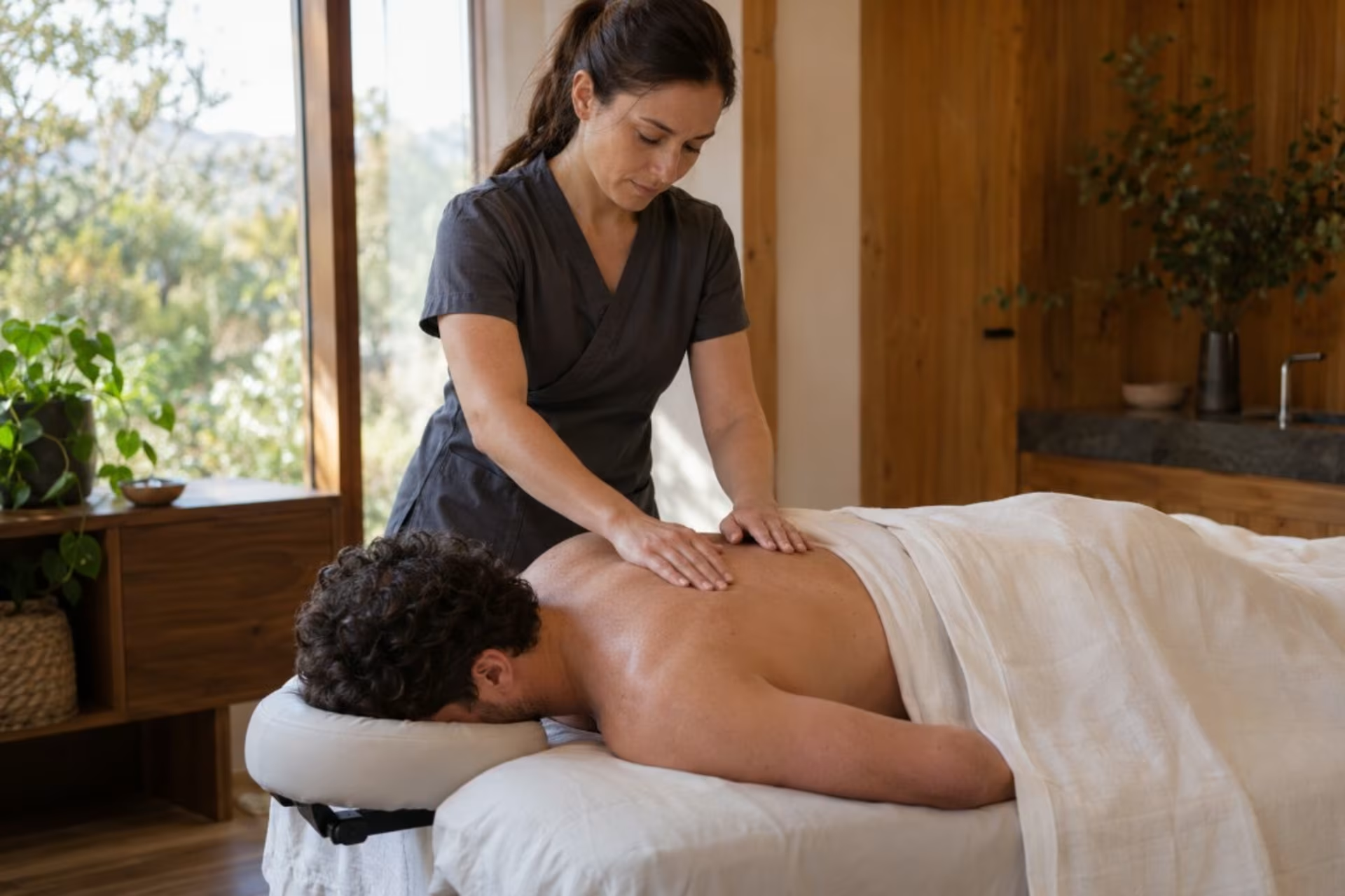
Retreats often feature luxurious spa treatments and wellness activities woven into a realistic daily rhythm. Dedicated time for personal reflection is available at retreats with meditation or coaching.
Morning: Wake without alarms. Gentle stretching or yoga, a nutritious breakfast, and a mid-morning forest bathing walk. Wellness retreats can provide a serene environment for relaxation from the very first hour.
Late morning: A 60-minute custom massage or Swedish massage, with personalized service tailored to your needs, followed by quiet time in a relaxation lounge-or perhaps Idlewild Spa's salt relaxation room. Indulge in deep relaxation before lunch.
Afternoon: A custom facial, body wrap, or hydrotherapy session. Optional workshops on stress management, CBT skills, or journaling. For therapy-centered retreats, a 60–90 minute individual CBT or EMDR session fits here.
Evening: Fine dining or a light dinner, digital-free time, a gentle group circle or gratitude practice, and a sleep-friendly wind-down with herbal tea and breathing exercises.
Integrating Retreat Experiences With Ongoing Therapy

A spa retreat is a catalyst, not a standalone cure. Before departing, meet with your therapist to clarify goals and triggers. During the retreat, journal when anxiety, grief, or relationship pain surfaces. Within one week of returning, schedule therapy to consolidate learning and troubleshoot re-entry.
Bay Area CBT Center therapists can continue working remotely with California residents after a retreat. At home, recreate mini-retreat moments: weekly micro spa days, nature walks as forest bathing, ten-minute nightly mindfulness, or couples check-in rituals.
Bay Area CBT Center Mental Health Retreats vs. Traditional Spa Resorts

Bay Area CBT Center offers therapy-driven retreats across the United States and worldwide featuring comprehensive intake, individualized treatment plans, small group sizes, and modalities including CBT, EMDR, DBT, schema therapy, somatic approaches, and ketamine-assisted therapy where clinically appropriate. Retreats may partner with coastal or wine-country spa resorts to integrate massage, yoga, forest bathing, and in some cases a wellness center as adjuncts to clinical work.
Retreat themes align with practice specialties: anxiety and panic disorder intensives, trauma and PTSD recovery, depression and burnout reset, couples therapy, and executive coaching. This contrasts with a stay at a luxury resort like Eagle Ridge Resort's Stonedrift Spa, which offers luxurious wellness therapies focused on relaxation and beauty rather than targeted psychological change.
Practical Planning Tips: Timing, Preparation, and Safety
Timing: Two to three nights for acute stress or relationship reconnection; five to seven nights for burnout or complex grief. Quieter midweek stays often offer better tranquility and exceptional service.
Preparation: Confirm policies, review sample schedules, share trauma history with your therapist, plan medication refills, and set expectations with family for limited contact.
Emotional safety: If you have PTSD, bipolar disorder, OCD, or active self-harm thoughts, consult a therapist or psychiatrist before booking. Psychiatric stabilization may be more appropriate.
Financial planning: Traditional resort spa stays are self-pay. Some therapy-based retreats provide superbills for clinical components that clients can submit to PPO plans.
Reach out to Bay Area CBT Center for a brief consultation to determine whether a mental health retreat, ongoing weekly therapy, or another level of care is your safest next step.
Frequently asked questions
A leisure-focused spa retreat suits people experiencing general stress, mild burnout, or the need to relax and rejuvenate. A mental health retreat is better for significant anxiety, trauma, depression, OCD, or relationship distress. Anyone experiencing panic attacks, intrusive thoughts, or severe mood swings should start with a clinical consultation to determine the right level of care.
No. Spa retreats and resort spa stays do not replace ongoing therapy or prescribed medication for conditions like PTSD, bipolar disorder, or major depression. Retreats complement treatment by reducing stress, improving sleep, and making it easier to practice skills learned in CBT, DBT, or EMDR.
Many people with trauma benefit from carefully chosen, quieter spa environments and nature-based practices like forest bathing. However, intense unstructured time or certain bodywork can sometimes trigger memories. Collaborate with a trauma-informed therapist beforehand and consider a trauma-focused retreat with licensed clinicians.
Most traditional spa days and resort packages are considered leisure expenses and are not covered. Some mental health retreats provide superbills for therapy portions delivered by licensed clinicians, which clients can submit to PPO plans. Always verify benefits directly with your insurer.
Book popular spa resorts several months ahead, especially for peak seasons. Contact therapy-based providers like Bay Area CBT Center four to eight weeks in advance to allow time for assessment, goal-setting, and coordination of aftercare. This is the perfect place to start if you want to explore whether a retreat is the right fit for your visit to lasting wellness.