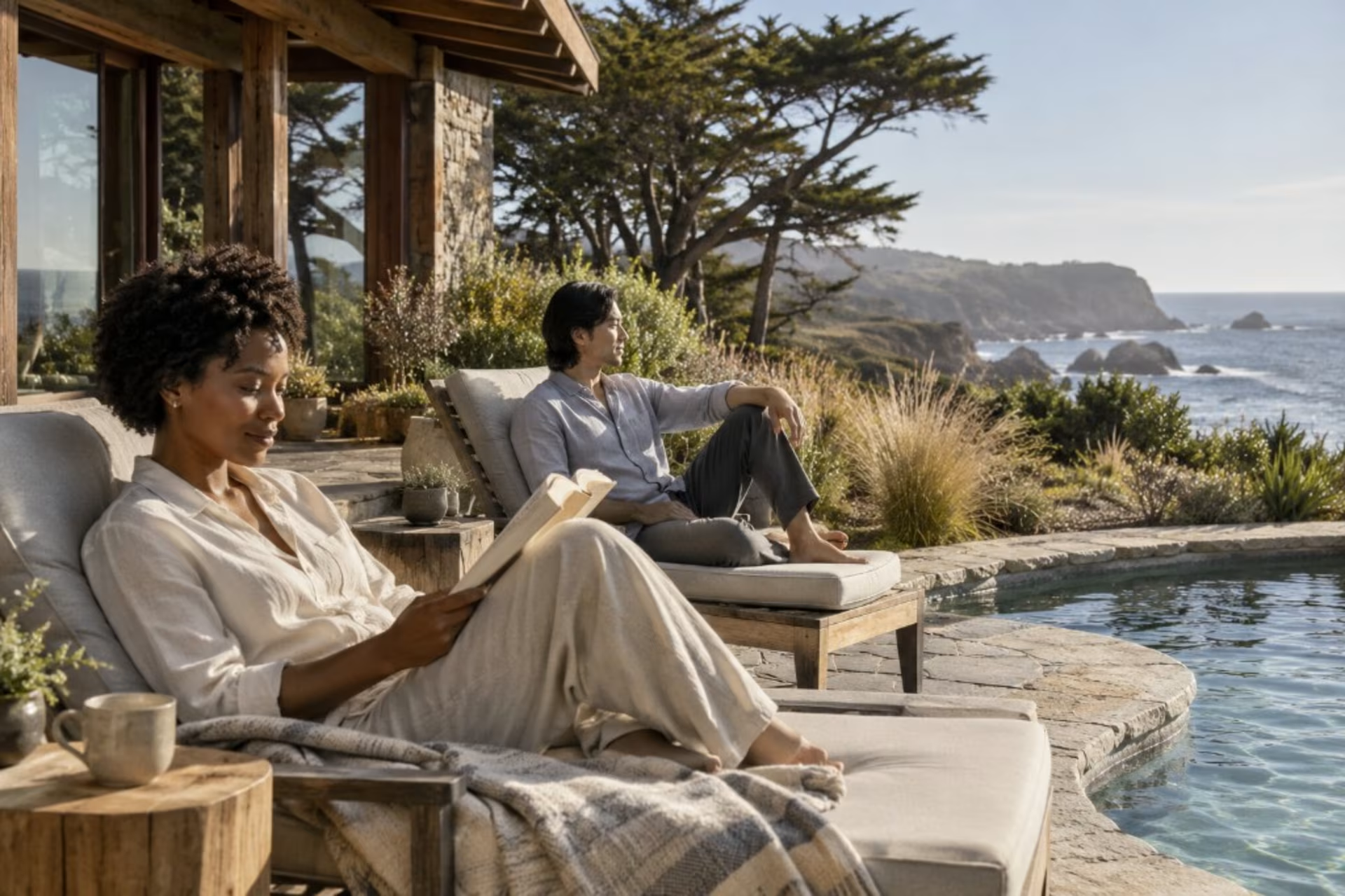
Luxury Wellness Retreats: Where Therapy, Science, and Sanctuary Meet

A week at a five-star resort can leave you tanned and rested. A luxury wellness retreat can change the way your nervous system responds to stress for months afterward. The difference isn't just about thread count or ocean views-it's about what happens between the spa sessions, the structured therapy, and the quiet moments of self discovery that most vacations never make space for.
This guide breaks down what luxury wellness retreats actually deliver, which destinations and program types match which goals, and how to make sure the gains you experience on retreat translate into daily life long after you unpack your bags.
Key Takeaways
Luxury wellness retreats combine spa-level physical relaxation with evidence-based mental health care like CBT, EMDR, and somatic therapy, offering a faster reset than weekly sessions alone.
Destinations from Lake Lucerne and Baden Baden to Koh Samui, Hua Hin, and Texas Hill Country pair stunning locations with expert guidance and structured clinical programs.
Nervous system regulation, trauma-informed therapy, and somatic practices at retreats create lasting change rather than a short-term escape-with research showing benefits persisting 3–6 months.
Bay Area CBT Center offers therapy and mental health retreats across the United States and worldwide, and online therapy, helping clients integrate what they learn at destination spas into everyday life.
You'll find practical next steps below: how to choose the right retreat, what to expect day-to-day, and how to maintain gains once you return home.
What Makes a Luxury Wellness Retreat Different From a Regular Vacation?
Picture a resort vacation: pool, cocktails, maybe a massage. Now picture a week where every activity is designed around calming your nervous system, identifying the thought patterns behind your burnout, and building practical tools you'll use for months afterward. That's the gap between a trip and a retreat.
Luxury wellness retreats combine high-end hospitality with evidence-based health practices. Rather than offering relaxation as the end goal, they use it as the starting point for deeper psychological and behavioral work.
Transformation vs. escape:
Retreats begin with personalized health diagnostics-often comprehensive assessments with physicians, psychologists, or wellness professionals-to tailor the program to your specific goals.
Clinical insight (CBT, mindfulness, somatic therapy) runs alongside high-end amenities like hydrotherapy circuits, thermal suites, and gourmet nutrition.
Personalized itineraries are common in wellness retreats, built around concrete objectives: burnout recovery, trauma support, sleep restoration, or relationship repair.
Well-known models include Canyon Ranch in Tucson and Lenox, Miraval in Arizona and Austin Hill Country, and medical spas near Lake Lucerne and Baden Baden.
Most wellness retreats last between 3 to 7 days, though medical and longevity programs can extend to 21 days depending on scope.
Core Benefits: Beyond Physical Relaxation to Lasting Change
Physical relaxation is the entry point, not the destination. When guided by mental health professionals, immersive experiences at wellness resorts produce shifts that a spa day simply can't replicate.
Nervous system and physiological benefits:
Structured yoga, breathwork, bodywork, and rest downregulate the sympathetic nervous system, moving the body out of chronic fight-or-flight. A study published in Frontiers in Human Neuroscience found that retreat participants showed increased BDNF (a protein linked to neural plasticity), improved cortisol rhythms, and reduced inflammatory markers.
Attending a luxury wellness retreat can lower cortisol levels and reduce daily stress. Retreats also emphasize better sleep through optimized environments and relaxation therapies.
In the "Do Wellness Tourists Get Well?" study, a single week produced an average systolic blood pressure drop of ~16 mmHg and weight reduction of ~1.6 kg-measurable physical health changes in a short window.
Emotional and psychological benefits:
70% of retreat attendees report improved psychological well-being. Participants often experience deep emotional releases during retreats, alongside improved mood, decreased rumination, and greater self-awareness.
Luxury retreats often integrate practices aimed at emotional reflection and personal growth, fostering better emotional resilience through holistic experiences.
Wellness retreats can enhance mental clarity and cognitive function, supporting clearer thinking and better decision-making.
How long do benefits last? A systematic review of residential retreats found improvements in anxiety, depression, and quality of life persisting at 3–6 months-and sometimes longer when participants continue with follow-up therapy. At Bay Area CBT Center, clinicians help clients prepare for retreats and integrate new routines afterward, turning a one-week reset into sustainable change.
Read How Retreats Help With Emotional Healing for how immersive programs support trauma, grief, and burnout beyond a spa reset.
Signature Features of Luxury Wellness Retreats
Expert-led programs enhance the retreat experience significantly. The best wellness resorts are built on four pillars: expert guidance, individualized programs, therapeutic environments, and integrative care.
Clinical and therapeutic components:
Medical and psychological assessments upon arrival, including holistic health assessments with wellness professionals
CBT-informed coaching, EMDR or trauma therapy sessions, DBT skills training, and mindfulness practices
Somatic approaches that teach guests to sense and release held tension
Personalized wellness experiences that combine ancient wisdom and modern science
Spa and bodywork offerings:
Deep-tissue massage, acupuncture, contrast therapy, cold plunge, whirlpools, and thermal baths
High-end accommodations and luxury spa facilities enhance the healing process-environment is treated as part of the intervention
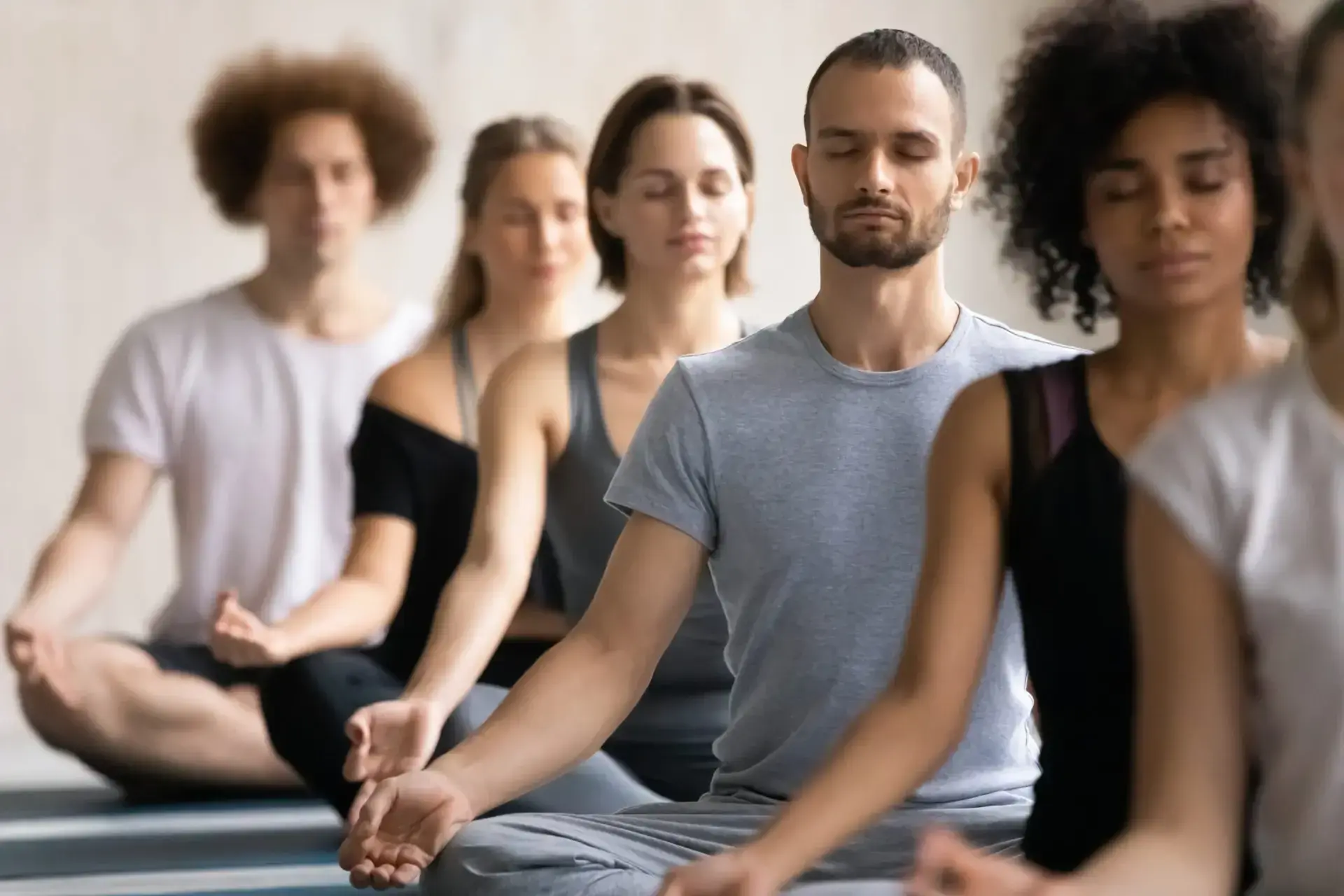
Wellness retreats often include yoga, meditation, and spa treatments as core programming
Nutrition and food planning:
Chef-designed menus featuring plant-forward cuisine and nutritious meals calibrated to support metabolic reset
Sessions with nutritionists to create take-home meal strategies around nourishing meals and clean eating
Expert guidance from professionals such as nutritionists and therapists is a key element of luxury retreats
Tech and diagnostics:
Sleep tracking, HRV monitoring, advanced lab work, and biomarker panels in medical spas and longevity clinics
Personalized health diagnostics often begin with comprehensive assessments to tailor the program, including vascular age, body composition, and epigenetic profiling at facilities like Chenot Palace Weggis
Stunning Locations That Support Healing
Environment isn't decoration-it's medicine. Natural light, water, altitude, and green space measurably reduce stress, improve cognition, and support attention restoration. Many luxury retreats feature guided outdoor excursions to enhance nervous system regulation.
European icons:
Lake Lucerne, Switzerland: Bürgenstock Resort opened in 1873 and was refurbished in 2017, offering alpine views and world-class spa heritage. Chenot Palace Weggis provides physician-led programs with epigenetic profiling, cryotherapy, and altitude training surrounded by mountain and lake scenery.
Baden Baden, Germany: Historic thermal springs and a centuries-old spa culture, with wellness resorts like Villa Stéphanie blending hydrotherapy and medical wellness.
Douro Valley, Portugal: Emerging as a destination for wine-country retreats combining nature, rest, and holistic rejuvenation along terraced riverbanks.
Asian sanctuaries:
Hua Hin, Thailand: Chiva-Som has been welcoming guests since 1995, offering integrative wellness in an oceanfront setting that functions as a true sanctuary for holistic wellbeing.
Koh Samui, Thailand: Tropical jungle and ocean-facing retreats emphasizing yoga, mindfulness, and spiritual renewal-ideal for stress relief and reconnection with nature.
U.S. standouts:
Canyon Ranch, Tucson: Canyon Ranch offers over 100 daily activities across fitness, nutrition, stress reduction, and outdoor activities in the Sonoran desert landscape.
Miraval Austin, Hill Country: Equine therapy, hiking, and mindful outdoor experiences in the rolling Texas Hill Country, offering a perfect destination for nature-immersive healing.
Types of Luxury Wellness Retreats (And Who They're For)
Choosing the right format depends on your specific goals: recovery, performance, spiritual growth, or deep psychological work. Personalized wellness retreats cater to individual health goals, and the range is wider than most people realize. Wellness retreats vary from 3 to 21 days long depending on the type.
| Type | Focus | Best For | Example |
|---|---|---|---|
| Medical / Longevity | Diagnostics, detox, metabolic health, age management | Precise health metrics, disease prevention | Clinique La Prairie (programs range from 5 to 14 days), Lake Lucerne clinics |
| Integrative Health | Fitness, nutrition, stress reduction, coaching | High-functioning professionals, lifestyle redesign | SHA Wellness Clinic (operating for 25 years in Spain), Canyon Ranch |
| Trauma-Informed | Group therapy, EMDR intensives, somatic experiencing | Anxiety, PTSD, relationship trauma, grief | Bay Area CBT Center retreats |
| Mindfulness / Yoga | Meditation training, spiritual connection, yoga class practice | Mild anxiety, mindful living, inner peace | Koh Samui centers, California coastal retreats |
| Detox | Cleansing and rejuvenation | Metabolic reset, energy renewal | Medical spas with structured detox protocols |
| Fitness | Physical activity and health improvement | Movement-focused recovery, physical conditioning | Resort-based fitness immersions |
Spiritual retreats often include meditation and mindfulness practices. Yoga retreats focus on physical postures and mental clarity. Personalized programs at retreats may focus on issues like stress management and nutrition. Choose retreats based on your specific health goals-the right match matters more than the price tag.
See Wellness and Health Retreats: How to Choose a Truly Therapeutic Retreat for a practical selection framework.

Inside a Typical Day: Sample Luxury Retreat Schedule
Days blend movement, therapeutic work, rest, and integration time rather than back-to-back activity. Daily practices may involve yoga, meditation, and nature immersion designed for relaxation and reconnection.
Sample schedule (5–7 day retreat):
6:30 AM - Morning breathwork or daily yoga session outdoors
8:00 AM - Breakfast: chef-prepared nutritious meals, plant-forward food designed for energy and balance
9:30 AM - Individual therapy, coaching, or guided meditation session
11:00 AM - Movement class (fitness, hiking, aquatic work) or outdoor activities
12:30 PM - Lunch: full board nourishing meals with mindful eating guidance
2:00 PM - Spa treatment: massage, contrast therapy, or bodywork
3:30 PM - Free time for journaling, nature walks, or 1:1 check-ins with clinicians
5:00 PM - Group session: mindfulness training, reflection, or wellness journeys workshop
7:00 PM - Dinner followed by evening relaxation, sound healing, or rest
9:00 PM - Quiet hours; guided sleep protocol
Digital detox protocols are often encouraged to help guests reconnect with their surroundings-most retreats enforce phone-free zones and limited screen time. Activities are typically a mix of required and optional, with space deliberately built in for rejuvenation and self discovery.
How Retreats Support the Nervous System and Mental Health
Modern burnout keeps the nervous system stuck on high alert. Chronic stress, unprocessed trauma, and relentless digital stimulation leave the body in fight-flight-freeze mode-sometimes for years. A retreat creates the conditions for that cycle to break.
How it works:
Structured rest, breathwork, trauma-sensitive yoga, and safe connection with others downshift the nervous system into parasympathetic states where healing becomes possible
Retreats integrate practices like meditation to reduce stress, and daily repetition of these practices rewires the body's default response over 5–7 days
Participants often experience deep emotional releases as the body begins to process what daily life never gave it space to address
Evidence-based modalities used at retreats:
CBT and DBT skills training: Target anxiety, depression, and emotional dysregulation with structured cognitive tools
EMDR: Process traumatic memories in a contained, supported environment-often more efficiently during intensive formats than in weekly sessions
Somatic approaches: Teach guests to sense and release tension patterns in the body, laying groundwork for ongoing regulation at home
Mindfulness and meditation: Build the capacity for present-moment awareness that supports mental clarity and peace in daily life
Many of these are the same evidence-based strategies therapists teach in ongoing sessions and intensive mental health retreats. The retreat format simply compresses and deepens the work. That includes therapy.
All-Inclusive vs. A La Carte: Understanding What You're Paying For
Two dominant models exist in the wellness retreat world, and understanding the difference prevents sticker shock.
All-inclusive programs (e.g., Miraval, Chiva-Som):
3 daily meals, snacks, 35+ activities, scheduled bodywork, and group classes included
Full board pricing simplifies budgeting
Often include personalized itineraries based on wellness consultations
A la carte / base-rate models (e.g., Lake Lucerne spa hotels, Baden Baden resorts):
Room and basic amenities at a base rate; treatments, diagnostics, and specialty sessions are separate line items
Allows more customization but costs can climb quickly with add-ons
Chenot Palace Weggis offers 7-night programs priced from CHF 5,300, inclusive of treatments, meals, diagnostics, and lodging
Budgeting guidance:
Some retreat costs may align with HSA or employer wellness benefits-check before booking
Retreats can complement existing therapy rather than replacing it, potentially reducing overall spend on crisis-driven care
Always clarify whether mental health services are delivered by licensed clinicians, coaches, or wellness practitioners
Ask how crisis support is handled on-site, especially if you're attending for trauma or emotional processing
Can a Mental Health Retreat Be Covered by Insurance? covers what typically qualifies and what does not.
Who Benefits Most-and When a Luxury Wellness Retreat Isn't Enough
Ideal candidates:
High-functioning professionals experiencing burnout who need more than stress relief
People in major life transitions (divorce, career change, grief) seeking structured space for reflection
Couples needing a deeper connection and guided communication work
Individuals ready for intensive focus on anxiety, trauma, or habit change
When a retreat isn't sufficient:
Acute suicidality, unmanaged bipolar disorder, psychosis, or recent severe substance withdrawal typically require higher levels of clinical support than a retreat environment provides
A wellness retreat is a complement to care, not a substitute for ongoing therapy or psychiatric treatment
Coordinate with your team:
Work with an existing therapist or psychiatrist to assess timing, readiness, and aftercare needs before booking
If a spa-focused environment won't provide enough structure, consider local intensive outpatient programs, partial hospitalization, or specialized trauma programs
If you're still weighing timing, How to Know If You’re Ready for a Mental Health Retreat walks through readiness signs.
This isn't about gatekeeping wellness journeys. It's about making sure the level of care matches the level of need.
Integrating the Experience: Turning a Retreat Into Lasting Change
The most important work happens in the months after you leave. A retreat is a catalyst-what you do with the energy, clarity, and tools determines whether the gains stick.
Your post-retreat checklist:
Leave with concrete practical tools: written action plans, CBT worksheets, breathwork protocols, and sleep or nutrition routines
Retreats emphasize sustainable habit formation through structured routines around clean eating and mindfulness-carry these forward
Schedule follow-up therapy within 1–2 weeks of return to process insights and troubleshoot obstacles
Establish ongoing practices: weekly mindfulness or meditation, movement routines, periodic digital detox days
Connect with accountability partners or support groups to maintain momentum
Revisit your retreat journal at 30, 60, and 90 days to measure what's holding and what needs adjustment
The goal isn't to recreate the retreat at home. It's to restore balance in your actual life using the skills you practiced in a supported environment.
How Bay Area CBT Center Can Support Your Luxury Retreat Journey
Bay Area CBT Center is an evidence-based therapy practice in California specializing in CBT, DBT, EMDR, schema therapy, trauma treatment, anxiety, depression, couples therapy, and customized mental health retreats. free trauma test can help you see whether old injuries are still in the mix.
How clinicians support your wellness journey:
Pre-retreat preparation: Goal-setting sessions, coping skills development, and safety planning to maximize the value of any luxury program-whether you're heading to Miraval Austin in Hill Country, Canyon Ranch Tucson, Hua Hin, Koh Samui, or Lake Lucerne clinics
Post-retreat integration: Building on insights to shift schemas, address relationship dynamics, and sustain new habits through ongoing therapy or coaching
Personalized retreat matching: Clinicians help determine whether your needs call for a destination spa, a clinical intensive, or structured weekly therapy
Expert-led programs are common in personalized wellness retreats, and Bay Area CBT Center's model ensures that the clinical depth matches the luxury of the setting-whether the retreat happens across the world or across the state.
Conclusion and Next Steps
Luxury wellness retreats can be a powerful accelerator for holistic healing and growth when paired with evidence-based mental health care. They aren't a replacement for therapy-they're a force multiplier. That includes luxury wellness retreat.
Your action sequence:
Define your primary objective: stress reset, trauma work, relationship repair, or performance
Consult with a therapist to assess readiness and choose a program aligned with your goals
Select a retreat and format that matches your soul-level needs, not just your Instagram feed
Plan aftercare before you leave
Commit to 30–90 days of follow-through on the tools and routines you'll bring home
If you're in California, reach out to Bay Area CBT Center for individualized guidance on whether a luxury retreat, a clinical intensive, or structured weekly therapy is the right next step for your journey.
Frequently Asked Questions
Most wellness retreats last between 3 to 7 days. Three to four nights are usually enough for a nervous system reset and basic skills practice, while 7–10 nights allow deeper therapeutic work and habit change. Medical or longevity programs near Lake Lucerne, Baden Baden, or similar clinics often recommend 6–14 days to complete testing and treatment cycles. Coordinate length with a therapist who can help determine how much time you realistically need away without creating additional stress.
No. Most luxury retreats are designed for all levels, offering beginner-friendly yoga, mindfulness, and breathwork sessions with personalized insights from experienced instructors. Disclose injuries, chronic pain, or trauma histories in advance so teachers can adapt practices safely. Participation is usually flexible-you can opt for gentler sessions or substitute therapies like massage, aquatic work, or talk therapy.
Many retreats offer couples-focused programs with relationship coaching, communication workshops, and shared spa experiences in private settings. Family or teen-inclusive options are less common at high-end medical spas but more available at wellness resorts with separate adults-only and family zones. Bay Area CBT Center provides couples therapy and can help partners clarify whether a joint retreat or parallel individual work makes more sense.
Book 3–6 months ahead for peak seasons-European summer at Lake Lucerne, winter sun in Koh Samui or Hua Hin, fall in New England and Hill Country. Shoulder seasons and midweek dates often offer more availability and lower rates at destination spas like Canyon Ranch or Miraval. Leave time for pre-retreat therapy sessions to prepare emotionally and logistically before you travel.
Yes. At-home or local mini-retreats can be structured with intensive online therapy days, scheduled bodywork, digital detox, and dedicated reflection time. Bay Area CBT Center offers online therapy and mental health retreats across the United States and worldwide, replicating many benefits of destination programs without international travel. Start with what's accessible-online groups, weekend intensives, or local spa days-while planning for a larger retreat when timing and budget allow.