All-Inclusive Wellness Retreat: A Therapy-Focused Alternative to Traditional Wellness Resorts

Most all-inclusive wellness retreats sell you a week of spa treatments, fitness classes, and healthy meals. You leave feeling rested, maybe lighter. Then you get home, and the same anxiety, the same arguments, the same burnout are waiting at the door. An all-inclusive wellness retreat designed around therapy works differently. It keeps the good parts-nature, rest, movement, nourishing food-and builds the core around the thing most retreats skip: working on the patterns that follow you home.
Key Takeaways
This all-inclusive wellness retreat is part of the Bay Area CBT Center mental health retreat program, led by licensed psychologists-not wellness coaches or yoga teachers with weekend certifications.
"All-inclusive" means one fee (averaging about $3,500, typically ranging $2,500–$7,500) covers lodging, meals, and all therapy sessions. Flights are not included.
Unlike spa-focused wellness retreats such as Canyon Ranch or Miraval, this wellness retreat centers on evidence-based therapy for anxiety, depression, burnout, trauma, and relationship issues.
Every retreat is customized: destination, length (weekend, 3, 5, 7, or 10 days), schedule, yoga and meditation level, and whether you come solo, as a couple, or with a small group. No preset packages. Adults only.
Start by taking the customized retreat quiz and completing an application. You can also explore our luxury retreat options for more about what's available.
What Is an All-Inclusive Wellness Retreat?
Wellness retreats have changed. What started as spa getaways with massages and juice cleanses has expanded into a broader category that now touches mental health, nervous system regulation, and structured emotional healing. The wellness industry is described as largely unregulated, which means the label "wellness retreat" can mean almost anything-from a resort weekend with infrared sauna access to a clinically guided intensive with licensed therapists. Transparency about what is included varies widely among wellness retreats, and that gap matters when your well being is the actual goal.
Conventional all-inclusive retreats-places like Canyon Ranch, Kripalu Center, and Miraval-focus on fitness classes, spa treatments, healthy meals, yoga classes, and relaxation. Common inclusions in wellness retreats are lodging, meals, and wellness activities. These destinations do real good for rest and stress relief, but they are not designed to treat diagnosable conditions or change long-standing behavioral patterns. Wellness retreats offer intentional space for mental health focus, but that space alone isn't therapy.
At Bay Area CBT Center, an all-inclusive wellness retreat means a therapy-intensive stay. Licensed psychologists use CBT, DBT, EMDR, and mindfulness practices to address anxiety, depression, trauma, and relationship patterns. "All-inclusive" covers lodging, meals, daily yoga and meditation options, psychoeducational workshops, and individual or couples therapy sessions-so guests don't manage separate bookings or worry about hidden fees. This model is particularly helpful for solo travelers or couples who want more than a temporary escape and are ready to work on deeper issues in a safe space.

Why You Might Need a Wellness Retreat Instead of Another Vacation
You might recognize these signs: waking up exhausted no matter how much sleep you get, chronic anxiety that spikes on Sunday evenings, snapping at loved ones over small things, or feeling emotionally numb even after a week off. These aren't signs you need another vacation. They're signs something deeper needs attention.
About 40% of people report feeling stressed at work in the U.S., and 16% of women over 18 are in poor health due to stress. High job demands, caregiving responsibilities, and constant digital connection wear down mental health and the nervous system, often leading to burnout or panic symptoms.
Many people try typical vacations, spa days, or weekend yoga getaways, only to return home to the same patterns of overworking, poor boundaries, and relationship conflict. An all-inclusive wellness retreat is designed to reset your mind and body, but only if it goes beyond surface relaxation.
A structured wellness retreat with daily therapy gives focused time to address long-standing beliefs and habits-people-pleasing, perfectionism, conflict avoidance-that keep stress and anxiety locked in place. Research shows wellness retreats improve overall quality of life by 25%, and retreats that include clinical therapy tend to produce more durable gains.
For some, an intensive retreat can accelerate progress compared with weekly therapy, especially when daily life feels too crowded or chaotic to truly pause. Wellness retreats promote deep mental disconnection from daily stressors, which creates room for real change.
Wellness Retreat vs. Mental Health Retreat: What's the Difference?
These two terms get used interchangeably, but they describe different things. Knowing the distinction helps you choose what actually fits.
A typical wellness retreat emphasizes yoga and meditation classes, massages, hydrotherapy or thermal waters, fitness activities, and nutritious meals aimed at rest and deep relaxation. Wellness retreats vary in focus including stress reduction, yoga, and nutrition education. Spiritual retreats focus on inner growth and meditation. Women's wellness retreats include yoga, meditation, and personal growth workshops. These are legitimate and valuable, but they generally don't involve clinical treatment for mental health conditions.
A mental health retreat is led by licensed therapists and uses evidence-based treatments with clear goals-panic reduction, trauma processing, improving emotional regulation, couples communication. Emotional healing retreats incorporate licensed therapists and group therapy. Mental health retreats often include workshops on stress management. These retreats support emotional balance and resilience, and retreats can vary in depth and support for emotional recovery.
Bay Area CBT Center bridges both. Guests get the restorative elements of a wellness retreat-nature, mindfulness, movement, quiet space-and the depth and structure of a focused mental health retreat. It's the same continuum of services, not two separate things.
Core Elements of an All-Inclusive Wellness Retreat (Therapy-Led)
Every retreat blends four pillars: evidence-based therapy, nervous system regulation, mindful movement, and supportive community. Here's what that looks like in practice.
Therapy structure: Daily individual or couples sessions with a licensed psychologist, plus optional group workshops on CBT skills, emotion regulation, and communication. Daily activities at retreats typically include movement, meditation, and nutrition education-but here, therapy is the anchor, not an add-on.
Nervous system support: Guided breathwork, somatic exercises, and grounding practices to calm chronic fight-or-flight states, informed by trauma and polyvagal research. Daily meditation sessions are common at wellness retreats, but these are clinically guided, not generic.
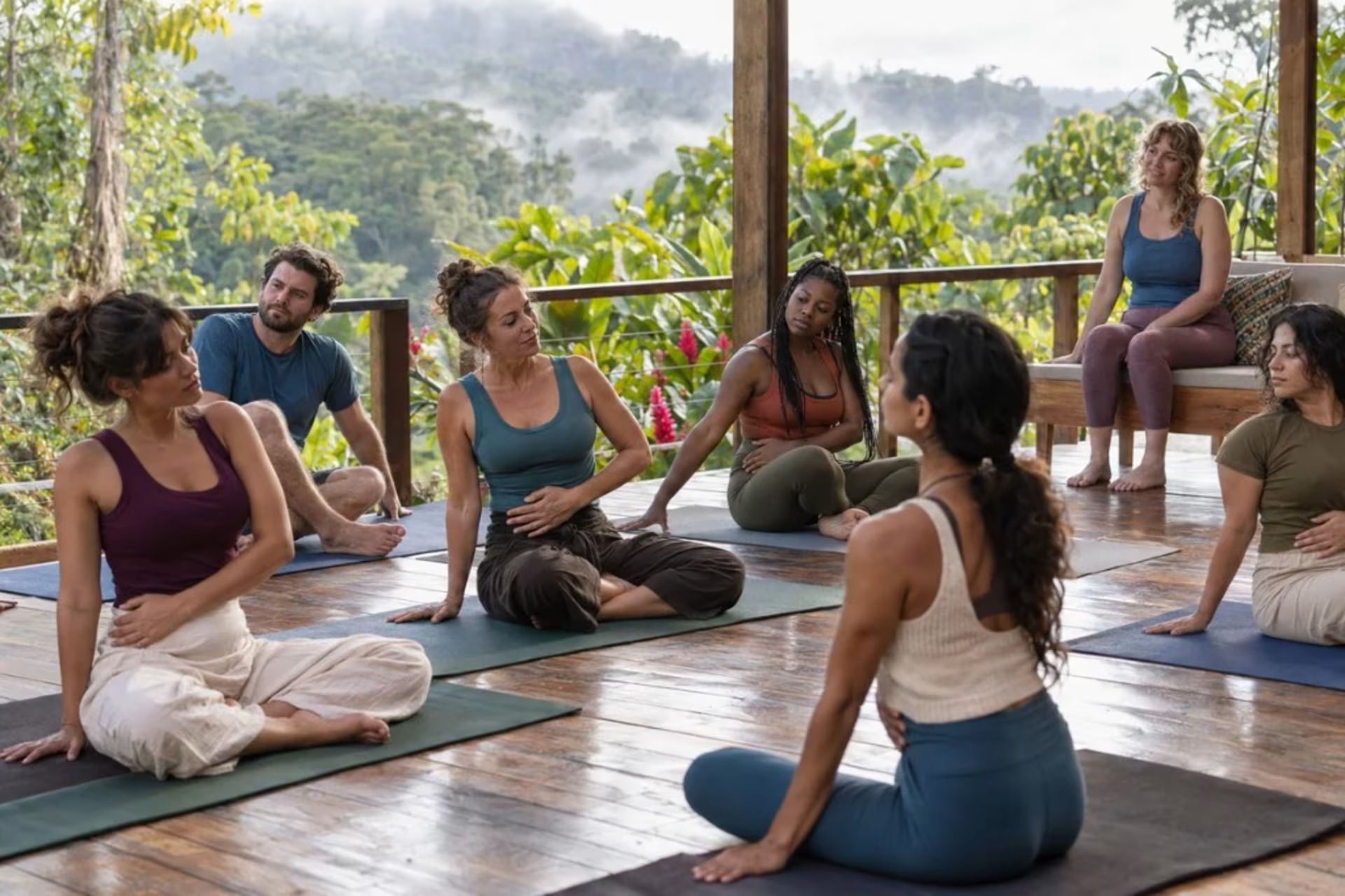
Movement and rest: Daily yoga and meditation sessions (gentle, trauma-sensitive), nature walks or hiking, and built-in rest time. Wellness programs often feature diverse physical activities for all levels. Flexibility is built in for guests with chronic pain or mobility issues-pilates classes, restorative yoga, or simple walking are all options.
Environment and routine: Quiet, nature-based settings with predictable schedules, device boundaries, and sleep-supportive routines that reset circadian rhythms. Many retreats encourage a peaceful dining environment for mindful eating. Meals are curated to reduce inflammation and fatigue, typically plant-forward and organic, using locally sourced, organic ingredients. A structured routine in retreats helps individuals experiment with new habits, which is one reason a retreat environment can produce faster change than weekly therapy alone.
Who Our All-Inclusive Wellness Retreat Is For (and Not For)
Not every wellness retreat is right for every person. Here's who benefits most from this therapy-centered model-and who should look elsewhere.
Best fit: Professionals facing burnout, people with anxiety or depression who feel "stuck" in weekly therapy, couples in high conflict, and solo travelers looking for structured emotional healing rather than unstructured relaxation. Participants can report improved well-being and stress reduction from retreats, and participants often learn coping strategies for stress management that they carry forward.
Trauma and PTSD: Individuals working through trauma who are stable enough for outpatient-level care but want a focused container away from daily triggers. These retreats support emotional balance and resilience in a private sanctuary setting.
Not suited for: People needing 24/7 medical supervision, those with active psychosis, severe eating disorders requiring inpatient care, or detox for substance use. If that's your situation, a higher level of care is the right starting point-not a retreat.
Adults only can attend. Pre-retreat screening ensures safety and appropriate fit for the level of support offered.
How Our All-Inclusive Wellness Retreat Compares to Popular Resorts
You may be comparing therapy retreats with well-known brands. Here's some context. Canyon Ranch was established in 1978 in Tucson, Arizona. Kripalu Center opened in 1983 in Massachusetts. Miraval Arizona opened in 1995 in Tucson, Arizona. Sensei Lanai opened in 2019 in Hawaii. The Ranch Malibu has operated since 2010 in California. The Art of Living Retreat Center spans 380 acres in North Carolina. These are respected destinations, and each retreat offers something real.
Those resorts emphasize spa services, fitness, and workshops-sometimes with optional counseling or coaching-but they are not designed primarily as clinical mental health programs. Retreats may include access to wellness professionals for holistic healing, but "wellness professional" and "licensed psychologist" are not the same credential. The distinction matters when the goal is emotional health or personal transformation, not just relaxation.
Bay Area CBT Center's wellness retreat is built around structured therapy plans developed and delivered by licensed psychologists, with spa or bodywork as optional add-ons rather than the core. There are no preset, one-size-fits-all packages or themed weeks. Each guest's schedule is thoughtfully curated based on their goals-anxiety management, couples repair, grief processing, emotional regulation, or inner balance. Transparency around pricing mirrors the "no hidden fees" approach guests value at places like Canyon Ranch, while staying firmly grounded in mental health care rather than wellness tourism.
All-Inclusive Pricing: What's Included and What It Really Costs
Clear pricing matters. Many guests have experienced surprise fees for classes, services, or "mandatory" gratuities at other wellness retreats. Prices for wellness retreats vary based on amenities and duration, and wellness retreat costs can range from $400 to $4,000 per night depending on the destination. Budget retreats cost around $1,000 to $2,000 weekly. Mid-range retreats typically range from $3,000 to $6,000. Luxury wellness retreats can exceed $7,000.
Here's what our pricing looks like:
| What's Included | What's Not Included |
|---|---|
| Lodging (private room) | Flights and travel |
| All meals (whole, nourishing food) | Spa treatments beyond basics |
| Daily therapy sessions (individual or couples) | Premium room upgrades |
| Group workshops | |
| Yoga, meditation, and movement offerings |
Typical fee range: $2,500–$7,500 per retreat, with most guests paying around $3,500 for a 3–5 day stay, depending on location, length, and room type. All-inclusive wellness resorts often save money compared to a la carte options because you're not adding on therapy sessions at $200+ each.
HSA/FSA and out-of-network insurance reimbursement may help cover the therapy portion for some guests. Coverage varies and should be confirmed individually before booking.
Budget-friendly retreats can cost between $1,000 to $2,000 weekly at non-clinical destinations. Our model sits in the mid-range because it includes licensed clinical care alongside everything else.

Customizing Your Retreat: Length, Location, and Focus
There are no preset "bronze/silver/gold" packages. Customization is central to outcomes and to feeling safe and seen. Consider your goals before choosing a wellness retreat-that's where every plan starts.
Length options: Weekend retreats can be as restorative as longer stays for a reset and skills tune-up. A 3–5 day stay allows focused work on specific issues. A 7–10 day intensive supports deeper pattern change or couples repair. All-inclusive retreats balance structured activities with free time so you're not scheduled into exhaustion.
Destination styles: Nature-based restorative settings-coastal, forest, or high-desert environments. Choose a location that brings you peace and happiness. Retreat environments are often located in serene natural settings because that environment itself supports healing.
Focus areas: Anxiety and panic, depression and low motivation, trauma and PTSD, relationship distress (including specialized couples retreat tracks), life transitions, or burnout and work-related stress. Look for retreats that match your preferred activities-whether that's daily yoga, hiking, or quieter mindfulness practices.
Format: Come solo, as a couple, or with a small group. Our yoga retreat options integrate movement into the therapy schedule. Each type can be configured within the customized program based on what you actually need.

Retreat Structure: A Typical Day on an All-Inclusive Therapy Retreat
No two days are identical because schedules are customized. But here's a realistic example of what a day might look like. The goal is to give your body and mind a rhythm that supports focus, rest, and real recovery-not to pack every hour with activities.
Morning (7:30–9:00 a.m.): Gentle yoga and meditation or mindful movement to regulate the nervous system. This isn't performance yoga; it's about arriving in your body. Breakfast follows with whole, nourishing food-most meals at retreats are plant-forward and organic. Many retreats are alcohol-free or caffeine-free to support sleep and emotional clarity. A large number of wellness retreats follow this practice because it makes a measurable difference in how people feel by day three.
Late morning (9:30–11:30 a.m.): 60–90 minute individual or couples therapy session. This is where the real work happens-CBT tools, schema work, or EMDR for trauma processing. Time for journaling or integration walks follows.
Afternoon (1:00–4:00 p.m.): Psychoeducational workshops or small process groups on topics like boundaries, shame, self-compassion, or communication. Community spaces during retreats support social connections and shared meals. Optional rest, nature time, or spa access is built in. Relaxation retreats help reset the body and mind in tranquil settings, and this window is where that happens.
Evening (5:30–8:30 p.m.): Closing circles, guided relaxation or breathwork, digital wind-down guidelines, and sleep-supportive routines. These practices consolidate learning and promote well being. Most guests report sleeping better by the second night.
Evidence-Based Approaches We Use (Beyond Spa and Yoga)
Many wellness retreats mention "healing" without specifying methods. Here's what we actually do, and why it works. Participants often learn practical tools for continued wellness after retreats-tools grounded in decades of clinical research, not ancient wisdom repackaged as marketing.
Cognitive Behavioral Therapy (CBT): Identifies and challenges unhelpful thought patterns, panic cycles, and avoidance behaviors that keep anxiety and depression locked in place. A meta-analysis of retreat-based interventions found effect sizes of g ≈ 0.45–0.50 for anxiety and depression-meaningful, measurable change.
Dialectical Behavior Therapy (DBT): Emotion regulation skills for people who feel overwhelmed, reactive, or shut down in relationships. Includes distress tolerance and interpersonal effectiveness tools that translate directly to daily life.
EMDR and somatic-informed work: Processes trauma and supports nervous system repair. This is not "energy healing." It's a structured, researched protocol. One study found physiological markers improve after residential retreats, including reductions in systolic blood pressure of approximately 16 mmHg.
Mindfulness, yoga, and compassion-based interventions: Support mental health-not just flexibility or relaxation. Many mental health retreats offer meditation and coping strategies. Practices are adapted for trauma sensitivity and diverse bodies, so no one is pushed into a posture or a meditation style that feels unsafe. Mindful living is the aim, not performance.
Retreat Options for Solo Travelers, Couples, and Small Groups
Different people need different relational containers. Some heal best solo. Others need their partner present to do the work that matters most. Personalized experiences mean something here because the relational structure of your retreat changes what's possible.
Solo travelers: Focus on personal mental health goals, identity shifts, grief, or major life decisions. Structured alone time is balanced with optional group connection. Shared experiences at retreats foster community and connection, even for people who arrive alone. Weekend yoga retreats offer restorative experiences in a short time for those testing the waters.
Couples: A customized couples retreat track combines joint sessions, individual time, and skills-based workshops to rebuild trust, communication, and intimacy. This functions like a couples retreat but with deeper clinical support than what most resorts offer.
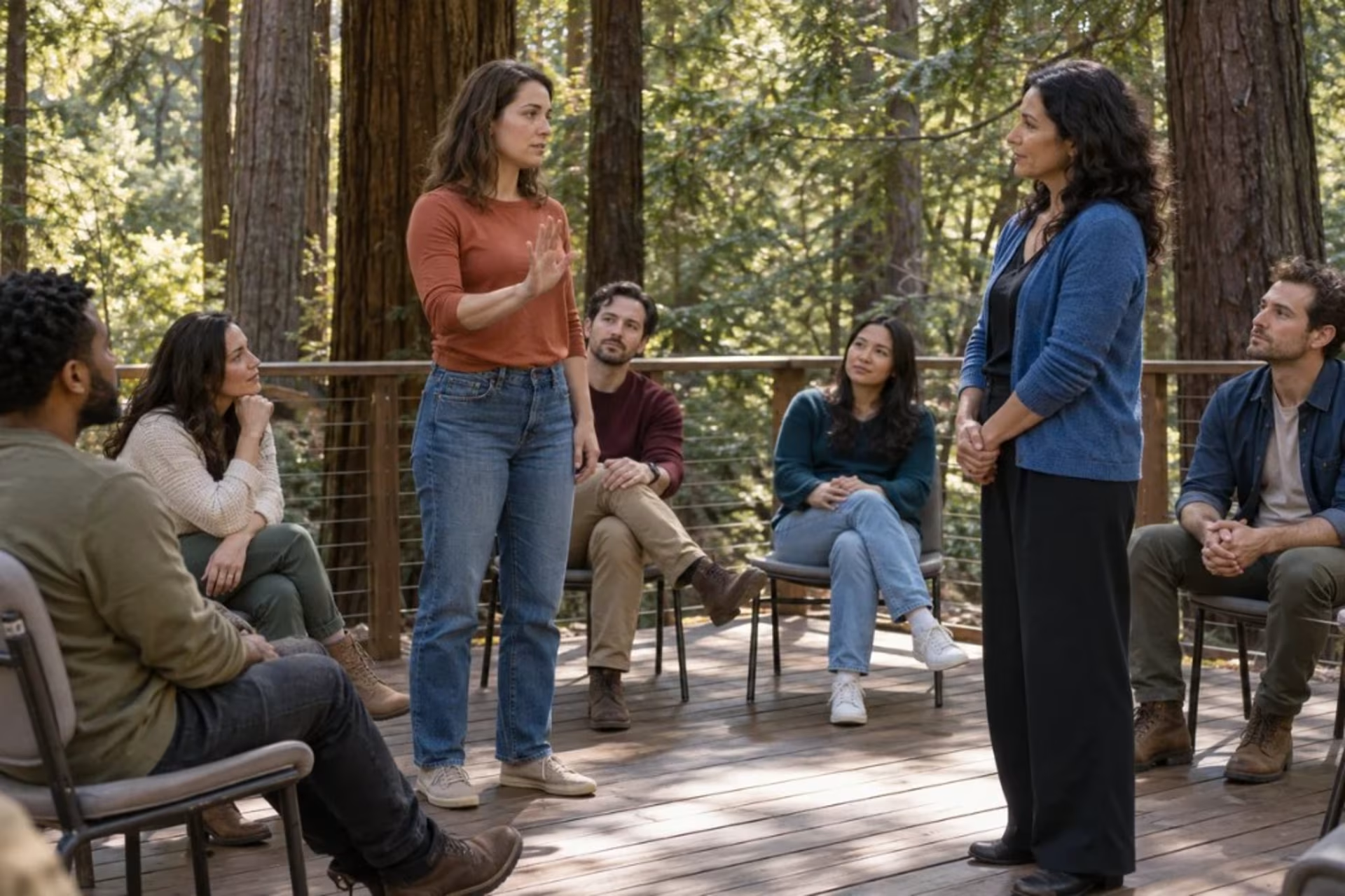
Small groups or friends: Option to attend together with shared workshops and separate therapy sessions. Useful for co-founders, siblings, or chosen-family groups navigating conflict or transitions.
Group size is intentionally small to preserve privacy and depth. You won't be in a ballroom with 80 other guests. This is a private sanctuary, not a conference.
What Makes an Experience Feel "Magical" (Without the Hype)
People often describe powerful retreats as a magical experience. That word gets overused in wellness marketing, so let's ground it. A holistic approach doesn't require mysticism-it requires good design.
Removing everyday life stressors-commuting, childcare logistics, work emails-frees up cognitive and emotional capacity for insight and behavior change. Digital detoxes are encouraged at wellness retreats to reduce stress, and that reduction in stimulation is part of what creates mental clarity.
Intensive dosing of skills practice-repeating new tools multiple times a day for several days-strengthens neural pathways more effectively than scattered, occasional practice at home. This is basic neuroscience, not magic. Detox retreats offer juice cleanses and holistic health practices; therapy retreats offer something more lasting.
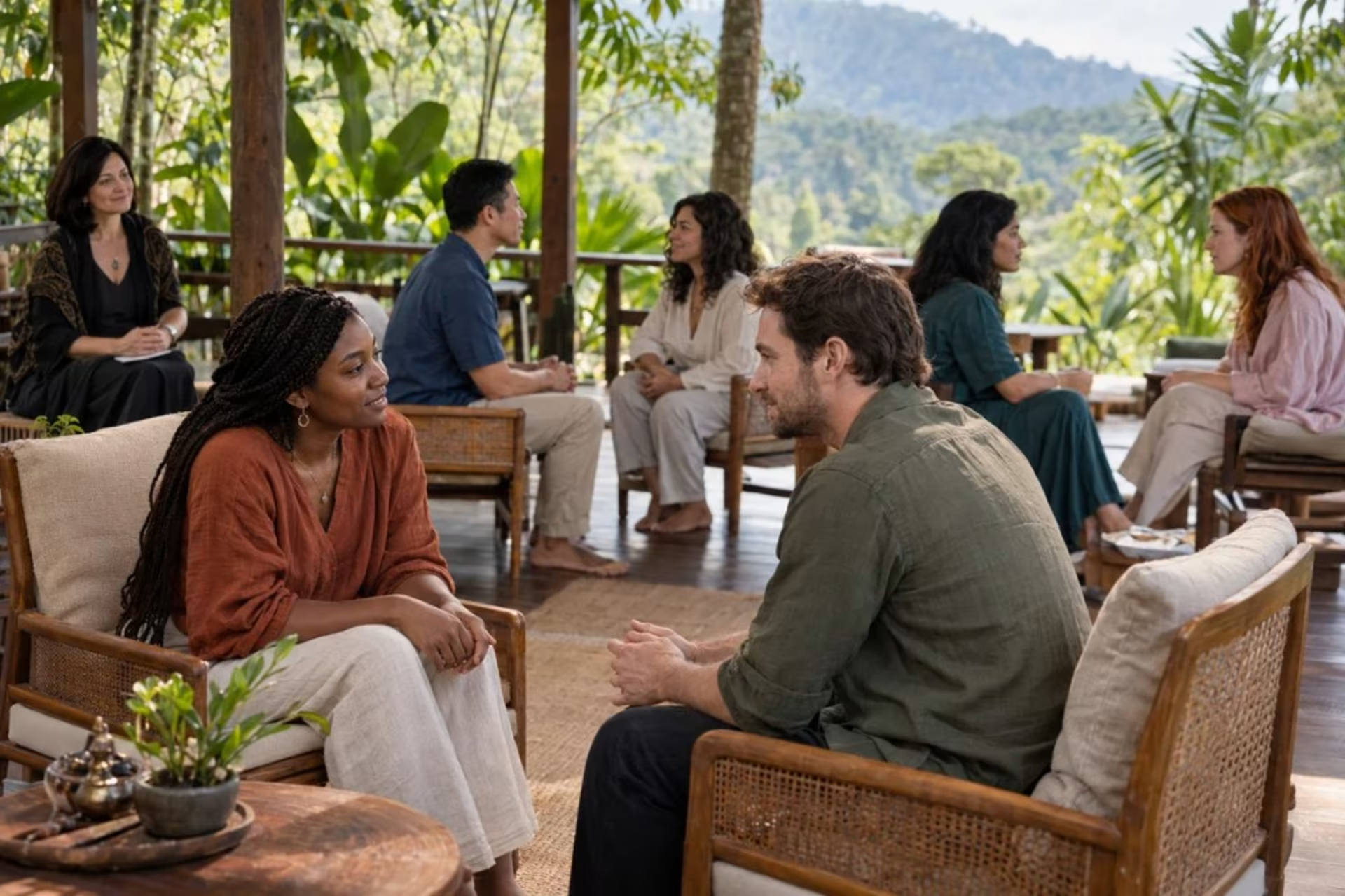
Being in nature, engaging in mindful movement, and feeling understood by a therapist and small group can shift shame and isolation into connection and self-acceptance. Luxurious experiences aren't about thread count-they're about feeling genuinely safe and held.
The "magic" is carefully designed structure, evidence-based methods, and a safe relational environment. Not quick fixes. Not spiritual bypassing. Just focused, honest work in a place that supports it.
How to Choose the Right All-Inclusive Wellness Retreat for You
There is no single "best" retreat. The right choice depends on your goals, budget, mental health needs, and how much structure you want. Consider your goals before choosing a wellness retreat-this can't be overstated.
Clarify your primary objective: stress management and stress reduction, trauma work, relationship repair, shifting career burnout, or learning practical coping skills. Integrative health means fitting the retreat to you, not the other way around.
Check whether retreats are led by licensed mental health professionals versus general wellness coaches or yoga teachers when emotional health is a central concern. Credentials matter. A yoga teacher can teach yoga. A licensed psychologist can treat depression.
Assess inclusivity and accessibility: support for different body sizes, histories of trauma, neurodivergence, and cultural backgrounds. Minimal pressure to join every activity. A quiet space should always be available.
Look for clear aftercare planning-follow-up therapy, online groups, or coaching-so changes made during the retreat translate back into everyday life. Without a plan for reentry, even the best retreat fades fast.
How to Get Started with Our All-Inclusive Wellness Retreat
The first step is a brief online intake, not a financial commitment. You don't need to have everything figured out. You just need to know something isn't working.
Take the customized retreat quiz. It takes a few minutes and helps clarify your goals-whether you're focused on stress, anxiety, trauma, relationship work, or a life transition.
Submit a retreat application with preferred dates, location types (coastal, forest, desert), length (weekend, 3, 5, 7, or 10 days), and whether you're coming solo or as a couple. Budget-friendly retreats can cost between $1,000 to $2,000 weekly at some destinations, but therapy-inclusive options like ours average around $3,500.
Our clinical team reviews submissions and reaches out when a retreat option matches your needs and timing. You'll have a pre-retreat consultation to make sure the fit is right.
Optional pre- and post-retreat support groups let you connect with other participants, share intentions, and get accountability for integrating what you learn. Peace of mind comes from knowing you're not alone in this journey.
Integrating Retreat Gains into Everyday Life
The real test of any wellness retreat is what happens once you return to regular life, responsibilities, and relational dynamics. Participants often learn practical tools for continued wellness after retreats, but only if integration is part of the plan.
Therapists help each participant create a concrete re-entry plan: daily practices, boundary scripts, communication plans, and emergency coping strategies for high-stress days. Self care isn't abstract-it's a set of specific actions you practice until they become habits.
Optional follow-up online therapy or coaching with Bay Area CBT Center providers maintains momentum and adjusts strategies over time. Balance between retreat intensity and the pace of daily life is something you build gradually.
Guests can join ongoing skills groups or support groups (for anxiety, trauma, or relationships) to keep practicing tools with others who share similar goals. This is where the nutrition of new skills really takes hold-through repetition and community.
Think of the retreat not as a one-time fix but as a catalyst inside a broader mental health and well being journey. The food, the movement, the nature-those are wonderful. But the therapy is what makes the change stick. Indulge in rest. Then bring the skills home and use them.

Frequently asked questions
Many guests are new to therapy. The retreat is designed to be welcoming for first-timers, with clear explanations of every method and collaborative goal-setting from the start. Pre-retreat consultations help determine whether the intensity and format are appropriate for your situation. If a different level of care would be a better starting point, our team will recommend alternatives. You don't need to be "ready" in some perfect way-you just need to be willing to show up honestly.
Guests typically have private accommodations unless they request shared rooms with a partner or friend. All therapy sessions are confidential one-on-one or couples meetings. Group workshops are small, and participation is encouraged but never forced. You choose how much you share and can take breaks whenever you need them. Most retreats provide access to spa facilities and relaxation therapies during unstructured time, giving you space to relax on your own terms.
Retreats encourage limited device use to support nervous system rest and emotional presence, but do not usually require a full digital detox unless you request one. Wi fi is available, and there are designated times and spaces for checking in with home or work. Therapists can help you set boundaries around urgent versus non-urgent communication. Digital detox is encouraged at wellness retreats to reduce stress, but forced disconnection can create more anxiety for some people, so the approach is flexible.
Bring comfortable clothing for yoga and meditation, walking shoes for hiking, layers for changing weather, a journal, and any prescribed medications. Linens and basic toiletries are provided. Leave high-pressure work materials at home when possible. Consider bringing one or two meaningful items-a book, a photo, art supplies-that support reflection and well being. You don't need to pack for luxury; you need to pack for comfort and focus.
Yes. The retreat accommodates couples who are ambivalent about their relationship. Elements of discernment counseling can be incorporated alongside a couples retreat model. Therapists help clarify whether the main goal is repair, thoughtful separation, or understanding recurring patterns. Sessions are structured so both partners feel supported and heard, regardless of where they land. Inner peace about a relationship decision-whatever that decision turns out to be-is a legitimate and common goal.