150 Questions to Get to Know Someone (Without Awkward Small Talk)

Most conversations start the same way: "What do you do?" then the weather, then silence. The questions below replace that loop with prompts for a first date, a new coworker, a friend, or a partner you have known for years.
There are 150 questions here, grouped so you can start light and go deeper only when the other person is with you.
Key Takeaways
Good questions to get to know someone help build connection at work, on dates, and with friends or family.
How you ask matters as much as what you ask. Tone, timing, and listening keep a conversation from feeling like an interview.
The lists move from light icebreakers to hopes, friendships, dating, and work.
Bay Area CBT Center therapists use similar questions in therapy to explore identity, relationships, and communication.
If a question lands on something heavy, you can slow down. Therapy is there when a conversation keeps opening the same pain.
Why Asking the Right Questions Matters
Thoughtful questions invite a story, not a job title. In a 1997 study by Arthur Aron and colleagues, pairs of strangers who spent 45 minutes on 36 progressively deeper questions reported a level of closeness close to their real friendships. A meta-analysis by Collins and Miller (1994) found three linked effects: people who disclose more are liked more, people like those they disclose to, and people disclose more to those they already like.
A deeper connection usually means moving from polite small talk into shared values. At Bay Area CBT Center, questions are part of CBT, schema therapy, and couples counseling. They are not only for new people. They can refresh a long relationship and help partners find common ground after a fight.
How to Ask
The same question can feel warm or invasive depending on tone, timing, and curiosity. Start lighter and move deeper as comfort builds. Relationships tend to open in layers. Highly personal content shared too early often reduces comfort rather than creating it.
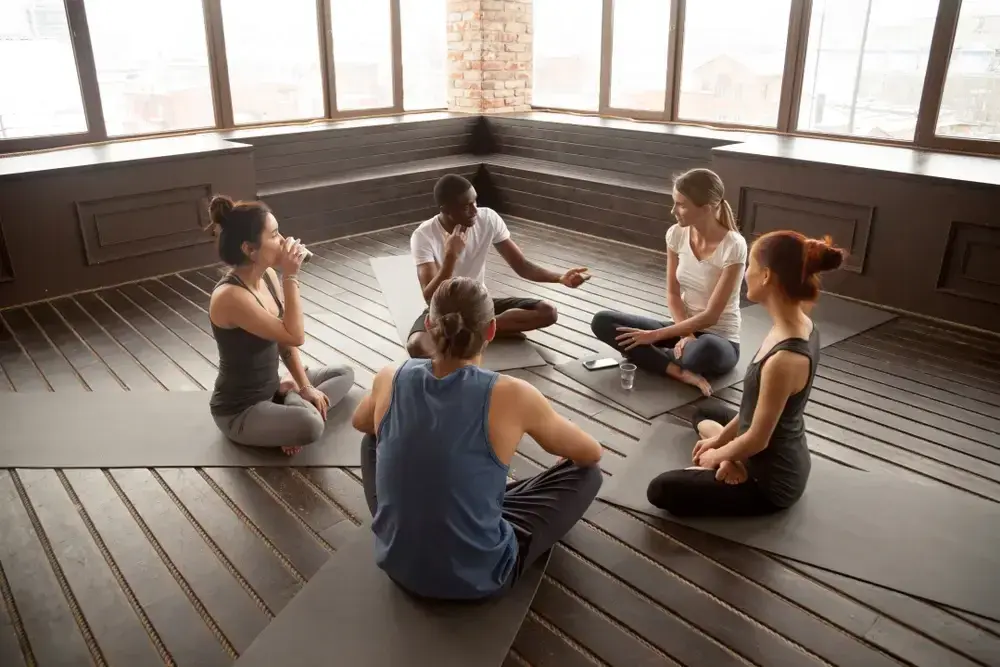
Mix open questions ("What was your first impression of this city?") with specific ones when someone seems shy. Avoid rapid-fire questioning. People often like talking about themselves, and that helps connection, but only when they feel heard. Treat it like a rally: ask, listen, respond, and share something back.
If a question touches grief, divorce, or loss, name the feeling and change course unless they want to stay with it. Nonviolent Communication is one way to do that without smoothing over what they actually said.
Practice Active Listening

Questions alone do not build closeness. Following up with real curiosity does more than asking ten questions in a row.
Put your phone away. Keep eye contact comfortable. A short "That makes sense" or "Tell me more" is enough. Reflect both the facts and the feeling: "It sounds like that move was overwhelming and also exciting." In a study of 3,917 therapy session recordings, reflective statements made up about 12.9% of therapist speech, while open questions were about 3.3%. Both mattered. Reflections carried more of the rapport.
Ask one or two follow-ups before you tell your own story. Clinicians at Bay Area CBT Center teach this kind of listening in couples therapy and in groups, because it lowers defensiveness.
Light and Fun Icebreaker Questions

These work for a first meeting, a coworker chat, or a new team. Keep them low-stakes. Save opinions that start arguments for later, if you use them at all.
What is your go-to comfort food after a rough day?
Are you more of a dog person, a cat person, or secretly both?
What is a comfort movie you can quote from start to finish?
If you were stranded on a deserted island and could bring one food, what would it be?
What fictional character do you relate to most?
What cartoon character would narrate your life?
What is the weirdest dream you have ever had?
What song instantly makes you feel like it is 2010 again?
If you could wake up tomorrow fluent in any language, which one?
Do you secretly love a TV show you would never admit to in public?
What is the most adventurous thing you have ever eaten?
Do you believe there is life on other planets?
What is the weirdest thing in your fridge right now?
What is your most prized possession, and why?
Would you survive a zombie apocalypse? What is your strategy?
What is the worst haircut you have ever had?
Do you wish you had more siblings, fewer, or is the number just right?
What is a prized possession from childhood?
What is your favorite season, and what makes it win?
If you had to pick one moment to relive, what would it be?
What is the last thing that made you laugh out loud?
If you could have dinner with any living person, who would you pick?
What is a smell that instantly takes you somewhere?
Are you a morning person or a night owl, and has that changed?
What board game or card game will you always say yes to?
What is a city you could walk around for a whole day?
What is your unpopular food opinion?
If your life had a theme song this month, what would it be?
What is a small luxury you refuse to give up?
What did you want to be when you were seven?
Questions That Spark a Longer Conversation
Once the first small talk is over, these invite a story without turning the conversation into an interview. If someone seems guarded, go back to something lighter.
What hobby have you picked up in the last year?
What activity instantly calms you down when you need to reset?
What small decision ended up changing your life in a big way?
What do people usually get wrong about you at first?
What topic could you talk about for an hour without getting bored?
What are you making time for right now that brings you joy?
What is the best career advice you have ever received?
What have you binge-watched recently that surprised you?
What was the last show that made you cry or laugh out loud?
What is a life experience that shaped how you see the world?
What are you learning right now that excites you?
If you met a new friend tomorrow, what would you want them to know about you first?
What are your biggest pet peeves in everyday life?
What is a skill you wish you had learned younger?
What is a place that feels like home even if you do not live there?
What are you better at than people expect?
What is a compliment you still remember?
What is a tradition you would like to start?
What is the best trip you have taken, and what made it the best?
What is something ordinary that you find beautiful?
Questions About Hopes, Dreams, and Fears

Save these for a second or third date, a close friend, or a conversation where basic trust already exists. Share something of your own so it does not feel like an interview.
When you imagine yourself five years from now, what do you most hope feels different?
What is a dream you had as a kid that you still hold onto?
What fear has quietly shaped some of your biggest decisions?
What is the scariest thing you have ever done on purpose?
If money and time were no issue, what project would you start tomorrow?
How have your dreams changed since you were 20?
When have you felt most proud of yourself in the last 12 months?
What does "enough" look like for you?
What do you want your ordinary Tuesdays to feel like?
What is a risk you are glad you took?
What would you try if you knew nobody would laugh?
What do you want to be known for by the people closest to you?
What is a fear that has gotten smaller over time?
What does a good life look like on a random Wednesday?
What is one thing you hope you never get used to?
In CBT, hopes and fears are a way to see the beliefs and values underneath a person's choices.
Questions to Strengthen Friendships

Even long friendships can stall at the same depth. These work better on a walk or over coffee than in a rushed text. In group therapy, similar prompts help people practice asking for support and offering it.
What is something big you are carrying right now that I might not see from the outside?
In what ways have you changed the most since we first met?
What kind of support actually feels helpful when you are stressed?
What is a favorite memory with me that always makes you smile?
Is there anything you wish we did more, or less, of together?
What is your favorite childhood memory?
What family tradition means the most to you?
What does time with people who really get you feel like, compared with being around acquaintances?
When did you know we were actually friends?
What is a way I can show up for you that I might be missing?
What do you wish people asked you more often?
What is a hard season I was part of, from your side of it?
How do you like to celebrate good news?
What kind of friend are you trying to be this year?
What is something you appreciate about our friendship that you have not said out loud?
Questions to Deepen a Romantic Connection

Couples often know each other's schedules and still skip the questions that build closeness. These fit a date night at home or a long drive. Couples therapy at Bay Area CBT Center uses structured questions for expectations, sex, and resentments that have not been said out loud. If your partner is not ready for a topic, leave it and come back later.
What was your first impression of me, and has it changed?
How do you picture our life changing over the next few years?
When do you feel most loved by me: words, touch, time together, or something else?
What is a controversial opinion you feel safe sharing with me?
What is one small ritual we could add to our week that would make you feel more connected?
What is the most romantic thing someone has ever done for you?
Do you believe in love at first sight?
Describe your perfect date from start to finish.
Has heartbreak changed how you approach relationships?
What do you wish we talked about more?
What is a way we have grown since we met?
What do you need from me when you are overwhelmed?
What is an ordinary future day with me that you look forward to?
Where do you feel closest to me: talking, doing something side by side, or being quiet together?
What is something you want us to keep, even as life gets busier?
Everyday Questions That Show Personality
Small details about daily life often show values and coping style without feeling heavy. Use them at lunch, with a roommate, or at a family table. Listen for the theme, not only the literal answer.
What does a perfect day look like for you, from morning to night?
What is one habit or routine that keeps you grounded?
What podcast or YouTube channel are you currently into?
Are you more energized by a busy social weekend or a quiet one at home?
What is a small purchase under $30 that genuinely improved your life?
What is one food you could eat every day and not get tired of?
What is your favorite season, and why does it win?
How do you usually spend a Sunday with no plans?
What is the first thing you do when you get home?
What meal do you make when you want to feel taken care of?
Do you recharge alone, with one person, or in a group?
What song have you had on repeat lately?
What is your ideal weather?
What is a chore you do not mind, and one you avoid?
What time of day do you feel most like yourself?
Questions About the Past and Identity
A respectful question about the past can show resilience, culture, and turning points. Offer a story of your own if the other person shares something vulnerable. In trauma therapy and EMDR, clinicians go slowly with past-focused questions and put safety first. You can do the same. Do not press someone about a recent loss, war, or abuse unless they bring it up.
What is a small moment from childhood that you think about more than people would expect?
Who shaped you growing up, inside or outside your family?
What is a decision your younger self made that you are grateful for now?
If you told your life story in three chapters, what would you title them?
What is something about your background that people often misunderstand?
What was your first job, and what did it teach you?
What meaning have you found in an experience you once thought was just bad luck?
Describe one moment that changed how you see yourself.
What teacher or coach do you still think about?
What place from your childhood can you still picture clearly?
What is a lesson you learned the hard way?
What is something your family did that you want to keep?
What is something your family did that you want to do differently?
Who believed in you before you believed in yourself?
What year changed your direction?
Deeper Questions for Self-Discovery

Getting to know someone includes noticing your own reactions. Answer these on your own first if you want to feel steadier when you share them. Individual therapy at Bay Area CBT Center uses similar prompts for identity, purpose, and self-esteem.
What belief about yourself have you outgrown in the last few years?
When do you feel most like your real self?
What pattern in your relationships are you trying to change?
What does success honestly look like for you at this stage of life?
What helps you feel emotionally safe with someone?
What is a big insecurity, and how do you handle it?
What are you protecting when you get defensive?
What do you need in order to tell the truth?
What is a value you will not bargain with?
What does rest actually look like for you?
What are you tired of pretending?
What would change if you trusted yourself a little more?
Questions to Get to Know Someone at Work

Professional and human can sit in the same conversation, especially on a remote or hybrid team. Use these in a one-on-one, while onboarding someone, or in a team check-in. They do not belong in a performance review. Bay Area CBT Center's corporate training uses structured questions to improve communication and conflict on teams.
What part of your job do you actually enjoy that people might not guess?
What kind of workday makes you feel most productive?
What is one project you are proud of from the last year?
How do you like to receive feedback: direct, written, or with time to process?
What hobby helps you decompress after a stressful week?
What career advice would you pass on?
What do you like to nerd out about at lunch?
What made you say yes to this kind of work?
What mistake at work taught you something you still use?
How do you like to celebrate a win with a team?
What helps you focus when the day gets noisy?
What skill do you want to get better at this year?
Who has shaped how you like to collaborate?
Leave salary, medical details, and private relationships alone unless the other person opens that door.
Topics to Approach Carefully
Some personal questions do not build connection. They can feel intrusive or reopening. Be careful with:
Trauma, diagnoses, or medication
Money, income, and debt
Religion, politics, and opinions people treat as identity
Recent breakups, fertility, or family conflict
Immigration status or experiences of discrimination
Instead of "Do you want kids?" try "How do you imagine your life looking 10 years from now?" Ask before you go somewhere sensitive: "Is it okay if I ask something a little more personal about that?"
When a Conversation Needs More Than Questions
A good question can bring up sadness, anger, or relief. Therapists at Bay Area CBT Center use structured questions in CBT, DBT, EMDR, and somatic therapy so clients can notice patterns without being flooded.
Consider therapy if:
Talk about anxiety, panic, depression, or burnout keeps looping and nothing changes.
Getting closer to someone keeps setting off a trauma response.
Relationship questions keep landing on the same fight about sex, trust, or communication.
You shut down or get sharp when someone asks you something real.
Therapy is also for people who want better conversations before anything is on fire. If you are in California, Bay Area CBT Center offers online therapy, in-person sessions, and mental health retreats. You can request an appointment when you want a place to practice this with support.
Three Ways a Conversation Can Unfold
A first date: You ask about a go-to comfort food. They mention pad thai and a trip. You follow with what an ideal weekend looks like when they are not traveling. Then you ask what they would put in a perfect year. Food becomes values without a script.
A new coworker: You ask what part of the job they actually enjoy. They mention writing internal docs. You ask how they like to get feedback. They want notes in writing and time to think. You share your own preference. You have a way of working together.
A long-term partner on a weeknight: You ask when they have felt most loved by you lately. They say it is when you ask about their day and stay with the answer. You reflect that it is attention, not gifts. Then you ask what small ritual to add this month.
Pick 5 to 10 questions you might actually use. A conversation is something you make together, not a list you finish.
Frequently Asked Questions About Questions to Get to Know Someone
Start with one or two concrete questions about a movie, a meal, or the weekend, and prepare them ahead of time. Put your attention on listening so the job is curiosity, not performance. CBT and group therapy can help you face social fear in steps and build confidence in conversation.
Try a more specific question, such as a favorite breakfast spot, instead of a broad one. Share a little about yourself first so you are not asking them to go first into the deep end. If their body language stays closed and the answers stay at one word, ease off.
Questions that invade privacy, judge identity, or push a sensitive topic usually do not help. Skip "How much do you make?", "Why aren't you married yet?", and "What is wrong with your family?" early on. Ask about values in a way that lets the other person choose the depth. If you are unsure, ask whether a more personal question is okay.
Do it gradually. Start with the setting you share, then add one slightly more personal prompt. A line like "This might be random, but I am curious" marks the shift. If they light up and keep going, stay there. If they pull back, return to something lighter. Consistency and care do more than one intense question.
Stay calm and do not rush to fix it. "Thank you for telling me that" or "That sounds really hard" is enough. If someone seems overwhelmed, or they mention anxiety, depression, trauma, or relationship distress that is not easing, suggest professional support. Bay Area CBT Center offers online and in-person care, including CBT, trauma therapy, couples therapy, and retreats, at a pace the person can handle.