How Retreats Help With Emotional Healing

Key Takeaways
Emotional healing retreats offer an immersive break from daily stressors, allowing deeper work on trauma, grief, anxiety, or burnout than weekly therapy sessions alone. Stepping out of everyday environments removes familiar triggers, lowers cortisol, and gives the nervous system genuine space to recalibrate. Research shows that participants experience reduced cortisol levels within days and that intensive retreats can lead to significant symptom reduction in five days.
Structured days that alternate between activation (therapy, group work, trauma processing) and regulation (meditation practices, nature walks, breathwork) help reset the nervous system, improve emotional regulation, and build emotional resilience. Retreats provide integrated practices that support emotional breakthroughs and long-term well-being, with participants maintaining improved mental health markers for months post-retreat.
Combining evidence-based therapy (CBT, EMDR, DBT, group therapy) with holistic therapies (yoga, breathwork, somatic work, art therapy) accelerates the healing journey. Holistic approaches improve health-related quality of life by 40%, and mindfulness practice can reduce inflammatory markers in just three days. Bay Area CBT Center offers trauma-informed emotional healing retreats across the United States and worldwide that integrate clinical psychology with a holistic approach and post-retreat follow-up.
Retreats are not a "quick fix." They can create breakthroughs that, with integration and continued care, lead to lasting emotional healing. Think of a retreat as a powerful catalyst within a longer healing journey, not a single event that resolves everything on its own.
Introduction: Why Retreats Are So Powerful for Emotional Healing Today
Picture a professional living in San Francisco in 2026. She's been in weekly therapy for eight months, working through anxiety symptoms and unresolved childhood trauma. She's made progress, but something feels stuck. Between sessions, the demands of modern life rush back in: work emails, caregiving, social obligations. By the time her next appointment arrives, she's spent most of the week just managing, with little bandwidth for the deeper emotional work she knows she needs. This is the exact moment when an emotional healing retreat becomes more than appealing; it becomes necessary.
Emotional healing retreats help by pulling you out of the daily stressors and familiar triggers that keep the nervous system activated, lowering stress load, and creating enough uninterrupted time for deeper work on trauma, grief, anxiety, depression, emotional dysregulation, relationship strain, or burnout than weekly therapy alone often allows. They are not vacations, spa getaways, or wellness retreats focused on relaxation alone. They are structured, time-limited immersive programs that combine evidence-based and holistic practices in a safe, trauma-informed setting to support emotional reset and build resilience.
Written from Bay Area CBT Center's perspective as a California-based therapy practice offering both mental health retreats and ongoing outpatient therapy, this guide is for adults—and older teens in California—who are looking for evidence-based emotional healing support, whether they're already in therapy or considering a retreat as a next step. We'll show how retreats work psychologically and physiologically, the types of retreats available, who tends to benefit most, how group dynamics, preparation, integration, and safety shape outcomes, and what Bay Area CBT Center's retreat options actually offer.
What Is an Emotional Healing Retreat?

An emotional healing retreat is a structured, time-limited program, typically lasting from 5 to 30 days, designed to address emotional pain, trauma, anxiety, depression, or burnout in a concentrated way. Unlike traditional therapy, which unfolds over months of weekly sessions, a healing retreat compresses the work into an immersive format where participants engage in multiple therapeutic activities each day, with no commute, no work emails, and no competing demands.
Retreats can be clinically focused (led by licensed therapists using evidence based treatments and personalized treatment plans) or oriented toward wellness and spirituality. Bay Area CBT Center retreats fall on the evidence-based, trauma-informed end, meaning every component is designed with clinical rigor and overseen by licensed professionals.
Defining features of an emotional healing retreat include:
Individual therapy sessions alongside group therapy and psychoeducation
Meditation sessions, movement practices, and time in natural environments
A consistent daily schedule that provides structured support and predictability
Unstructured reflection time for journaling, self reflection, and rest
A nurturing environment designed to support emotional safety and personal growth
Retreats provide a structured environment dedicated entirely to personal renewal
How Retreats Interrupt Harmful Emotional Patterns
We all live inside environmental feedback loops. Your apartment, your commute, your workplace, your phone notifications-these everyday environments constantly reinforce the same emotional habits. If you tend to people-please, numb out, or shut down under stress, your daily routines keep those circuits firing. Removing individuals from daily routines allows for new perspectives on personal challenges and habits.
Here's what changes when you step into a healing retreat:
Familiar emotional triggers are removed. Without the usual cues (a tense coworker, a cluttered inbox, a family dynamic), baseline stress drops. Emotional healing retreats reduce cortisol levels within days, giving the nervous system genuine room to breathe.
Disconnecting from digital devices lowers sensory overload and anxiety. Most retreats limit or eliminate screen time, which alone can shift how the brain processes emotional information.
Neuroplasticity activates. A 7-day holistic retreat study found that participants showed elevated brain-derived neurotrophic factor (BDNF), decreased connectivity in the Default Mode Network (the brain's "autopilot" mode tied to rumination), and shifts in inflammatory and immune markers-all within a single week.
New, healthier emotional patterns can be practiced repeatedly. The consistent structure of a retreat (meals, groups, practices) lets you rehearse different responses to stress and discomfort in real time, which is how lasting change actually takes root.
The Role of Safe, Contained Space in Emotional Healing
Many people cannot fully process grief, anger, or fear at home. Family demands, work pressure, lack of privacy, or simply the fear of being judged make it difficult to let painful emotions surface. A retreat center changes this equation fundamentally. Group retreats offer non-judgmental containers for emotional exploration and healing, and retreats provide a structured environment for emotional processing that daily life simply cannot match.
Retreats can support the processing of difficult life experiences in a safe environment because they are deliberately designed to create psychological safety. This is especially important for people dealing with emotional trauma, past trauma, or post traumatic stress disorder, where feeling unsafe can shut down the healing process entirely.
Key elements of psychological safety at a retreat include:
Clear ground rules around confidentiality, respectful communication, and boundaries on sharing
No forced participation; pacing is adjusted based on individual readiness
24/7 access to clinical staff or on-call support for moments of distress
Trauma-informed design that teaches grounding skills before deep emotional work begins
A supportive environment where the parasympathetic nervous system can engage, shifting the body from fight-or-flight into a state that supports emotional well being
When safety is established, emotional resilience builds naturally. The nervous system downshifts, and healing work becomes tolerable rather than overwhelming.
Core Elements of an Emotional Healing Retreat Schedule

A typical day at a 5–7 day emotional healing retreat might look like this:
7:30 AM - Gentle movement (yoga, walking meditation, or stretching) to settle the body before deeper work
9:00 AM - Group therapy session focused on a specific theme (attachment patterns, grief, emotional triggers)
11:00 AM - Psychoeducation workshop (understanding the nervous system, identifying cognitive distortions, recognizing emotional patterns)
12:30 PM - Shared meal and informal connection time
2:00 PM - Individual therapy session or holistic therapies (somatic work, breathwork, art therapy)
4:00 PM - Nature immersion: guided walk, journaling in a garden, or silent time outdoors
6:30 PM - Evening integration circle: group reflection on the day's experiences, setting intentions for the next day
The interplay between "activation" (trauma processing, deep emotional exploration) and "regulation" (yoga, breathwork, nature walks) is intentional. Participants engage in individual therapy and group counseling throughout each day. Structured retreats help participants gain mental clarity and emotional integration because the rhythm of the schedule itself teaches emotional regulation. Structured reflection during retreats aids in identifying emotions and developing self awareness, and participants often experience daily group reflection sessions that anchor the day's work.
Bay Area CBT Center adapts scheduling for neurodivergent clients, highly sensitive people, or individuals with chronic health conditions, ensuring that retreat participants can engage fully without being overwhelmed.
Evidence-Based Therapies Used in Emotional Healing Retreats

Emotional healing retreats often include evidence-based therapies like CBT, and the most effective programs draw on multiple modalities to address different layers of emotional pain. Trauma-informed approaches ensure effective healing progression by matching the right tool to the right moment.
Therapies commonly integrated into retreat programming:
Cognitive Behavioral Therapy (CBT) - Helps participants identify and reframe distorted beliefs about themselves, others, and the world. Particularly effective for anxiety symptoms, depression, and perfectionism.
EMDR (Eye Movement Desensitization and Reprocessing) - Processes traumatic memories through bilateral stimulation, reducing the emotional charge of past events. Adapted for retreat format with more frequent sessions and integration time between them.
Dialectical Behavior Therapy (DBT) - Teaches concrete skills for emotional regulation, distress tolerance, and interpersonal effectiveness. Skills classes in retreats allow real-time coaching during meals, group interactions, and rest periods.
Schema therapy - Identifies deep, early-life patterns (schemas) that drive current emotional and relational difficulties. Inner-child work and chair exercises are well-suited to retreat settings where there's time for exploration.
Parts work (IFS-informed) - Helps participants understand and compassionately relate to different "parts" of themselves, including protective parts and wounded parts carrying unresolved trauma.
Trauma-focused group therapy - Uses the group setting to process shared themes while building interpersonal trust and connection.
Intensive retreats can lead to symptom relief within five days when these modalities are combined and delivered by clinicians with advanced training. Bay Area CBT Center retreats are led by licensed psychologists and therapists trained in these evidence-based modalities, with deep experience in trauma and PTSD, anxiety, depression, and emotional dysregulation.
Holistic Therapies: Healing Mind and Body Together
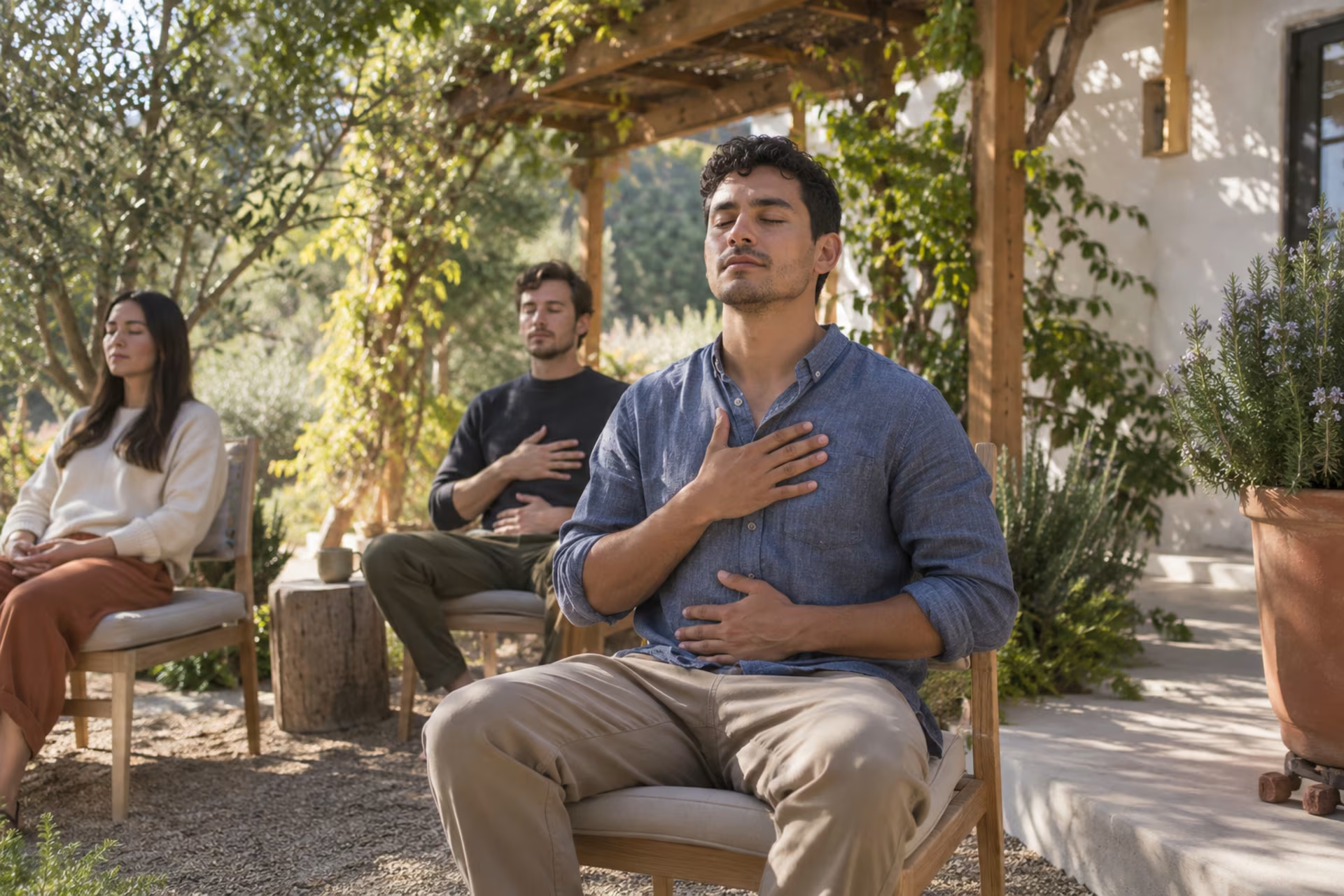
A holistic approach recognizes that emotional pain doesn't live only in the mind. It lives in the body-as chronic tension, disrupted sleep, headaches, or a constant sense of being on edge. Holistic therapies address mind, body, and spirit connections, making them a powerful complement to talk therapy sessions. Evidence on intensive retreat formats also includes meditation retreats, with documented benefits for stress reduction, mental well being, and overall health.
Concrete examples used at many healing retreats include:
Trauma-sensitive yoga and gentle movement
Breathwork and somatic experiencing exercises
Massage therapy for releasing stored physical tension
Sound healing and sound baths
Art therapy for expression beyond language
Nature immersion practices (forest bathing, outdoor meditation)
Energy healing modalities and nutritional counseling
Holistic activities may include nutritional counseling and massage therapy alongside daily schedules that often include yoga, meditation, and wellness workshops
The data supports this integration. Participants report a 40% greater improvement in health-related quality of life when holistic therapies are included alongside clinical work. Nature immersion lowers blood pressure and cortisol levels, and 98% of studies show positive mental health outcomes from nature-based interventions. Living near green spaces reduces psychiatric disorder risk by up to 55%, and regular engagement with nature lowers anxiety scores significantly. Nature connection enhances cognitive function and emotional regulation in ways that complement what happens in therapy sessions.
Retreat intensity can feel like catharsis, but the data favor sustained mind-body integration—nature, clinical work, and regulation—over one dramatic release.
Mindfulness practice reduces inflammatory markers in three days, mindfulness practices improve emotional regulation and reduce anxiety, and mindfulness-based retreats enhance present moment awareness through meditation. Research also suggests that mindfulness practices can lead to increased gray matter density in the brain, and participants report improved emotional stability after mindfulness training.
Body-based work is especially helpful for people who tend to intellectualize their feelings. When someone can feel the release of tension in their shoulders after breathwork, or notice how their chest opens during a guided meditation, the connection between emotion and body becomes undeniable. These holistic practices also support improved sleep quality, reduced muscle pain, and physical wellbeing during recovery from emotionally demanding clinical sessions.
Bay Area CBT Center vets any holistic partners carefully to align with evidence-informed and trauma-sensitive standards.
Working Through Childhood Trauma in a Retreat Setting
Unresolved childhood trauma-neglect, emotional abuse, parentification, bullying-often manifests in adulthood as anxiety, depression, perfectionism, people-pleasing, or relationship difficulties. A trauma test can help name what still shows up in adulthood. These patterns feel so familiar that they can be invisible in everyday life, making them difficult to address in weekly therapy alone.
An emotional healing retreat can be especially helpful for childhood trauma because it offers:
Extended time to connect the dots between past experiences and present moment reactions, rather than spending the first ten minutes of each weekly session just "catching up"
Permission to feel emotions that were unsafe to feel as a child-grief, rage, abandonment-within a trauma-informed container
Schema therapy exercises that identify and challenge early maladaptive beliefs ("I'm not enough," "I have to earn love")
Inner-child visualization and guided letter writing to caregivers (not necessarily sent), allowing participants to process past experiences in a way that creates distance and perspective
Role-plays and experiential exercises that bring unconscious dynamics into awareness
For complex PTSD, trauma-informed pacing is essential. Bay Area CBT Center screens participants to ensure the retreat is clinically appropriate and may recommend residential treatment programs or a higher level of care when severe symptoms warrant it.
Building Emotional Regulation and Emotional Resilience
Emotional regulation is the ability to notice, name, and modulate emotions without suppressing them or exploding. It's central to every emotional healing retreat because dysregulation-whether it shows up as panic attacks, emotional numbness, rage, or chronic overwhelm-is what keeps people stuck.
At a retreat, emotional regulation isn't just taught; it's practiced repeatedly under guided conditions. This is what makes the format so effective for building emotional resilience and developing healthier coping mechanisms.
Specific skills woven into retreat days include:
Grounding techniques (5-4-3-2-1 sensory exercise, feet-on-floor awareness) used before and after intense therapy sessions
Paced breathing and distress tolerance skills from DBT, practiced during group circles and in challenging interpersonal moments
Urge surfing for managing impulses to withdraw, numb, or shut down
Self-soothing practices (warm tea, weighted blanket, nature walk) taught as concrete alternatives to old coping habits
Mood tracking and the feeling wheel to build vocabulary for internal states
Many retreats introduce practices that encourage continued personal development after the experience, and the goal is to help participants develop healthier coping mechanisms they can carry into daily life. When you practice a skill ten times in five days rather than once a week for ten weeks, the neural pathway strengthens faster. This is the difference between knowing a skill intellectually and having it available when emotional triggers arise.
The Power of Group Therapy and Community

One of the most underestimated elements of an emotional healing retreat is the group. There's something that happens when you sit in a circle with eight other people and hear someone describe the exact shame you've been carrying for decades. The isolation breaks. The inner narrative of "something is wrong with me" starts to dissolve.
Community connection during retreats fosters a sense of belonging and reduces isolation. Wellness retreats foster meaningful social interactions among participants, and conversations during group activities feel more authentic than daily life because the usual social masks have been set aside.
Specific relational benefits of group therapy at retreats:
Normalization: hearing others' stories counters the belief that your pain is unique or shameful
Real-time practice of vulnerability, boundary-setting, and communication with feedback from therapists
Participants often form lasting supportive relationships during retreats that continue through alumni networks or support groups
Group activities at retreats enhance social healing and community building, creating a web of accountability and care
Social connections formed at retreats can reinforce mental health benefits well beyond the program itself
Effective retreats often include group reflections that help participants build sustainable routines for emotional care
Bay Area CBT Center keeps retreat groups small and intentionally curated (typically 6–12 participants) to preserve safety and depth of work. A smaller group means more individual attention, deeper trust, and a greater sense of being truly seen.
Types of Emotional Healing Retreats (and Who They Help)

Not all emotional healing retreats serve the same purpose. Here's a quick orientation:
Trauma-focused healing retreats - For individuals with unresolved trauma, complex PTSD, or childhood trauma affecting current functioning. Often include EMDR, somatic work, and trauma-focused group therapy.
Anxiety and stress retreats - For people dealing with chronic anxiety, panic disorder, or burnout from high-pressure careers. Focus on nervous system regulation, mindfulness, and manage stress techniques.
Grief retreats - For recent loss, anticipatory grief, or complicated grief that hasn't responded to traditional therapy alone.
Couples emotional healing retreats - For partners navigating relational trauma, infidelity repair, or communication breakdowns.
Professional burnout programs - For high-achieving professionals experiencing emotional fatigue, loss of meaning, or identity crisis tied to work. These often emphasize personal values clarification and life satisfaction.
Bay Area CBT Center focuses primarily on trauma, anxiety, depression, emotional dysregulation, and relationship patterns for adults and older teens in California. Many mental health retreats offer specialized tracks, and the right fit depends on your specific mental health challenges.
For individuals with active addiction, acute suicidality, or unmanaged psychosis, residential treatment programs or hospital-based care may be more appropriate than a standard wellness retreat or mental health retreat.
Choosing the Right Emotional Healing Retreat for You
Not every retreat is right for every person. Here's a practical framework for choosing:
Clarify your goals. Are you working through past trauma, processing grief, managing burnout, or seeking a deeper sense of inner peace? Your goals determine the type of retreat and the healing modalities you need.
Decide on intensity. A weekend meditation retreat is different from a 7-day trauma-focused intensive. Consider your current emotional wellbeing and how much time you can commit.
Evaluate clinical credentials. Who are the retreat facilitators? Are they licensed therapists with trauma-informed training? Do they use evidence-based methods?
Check group size and setting. Smaller groups (6–12) allow for deeper work. Consider whether you'd prefer natural environments (coastal, forest) or urban retreat settings.
Ask about aftercare. Does the retreat center offer post-retreat follow-up, integration support, or coordination with your existing therapist?
Questions to ask before enrolling:
"Will I receive individual therapy, or is this group-only?"
"Is this an emotional healing retreat or a general wellness retreat?"
"How are emotional crises handled during the program?"
"What screening is done before acceptance?"
Bay Area CBT Center offers free consultation calls to help people decide whether a mental health retreat, weekly therapy, or a different level of mental health treatment is most appropriate for their situation.
Preparing for Your Healing Journey: Before You Arrive

Preparation isn't about getting everything "right." It's about giving yourself the best possible conditions to do meaningful work.
Set 2–3 realistic intentions. Instead of "I want to be healed," try "I want to understand my emotional triggers better" or "I want to learn concrete emotional regulation tools I can use in everyday life." This frames the experience as personal growth, not a pass-fail test.
Handle logistics early. Arrange time off work, childcare, pet care. Limit other obligations so you can fully engage. The fewer loose ends, the more present moment awareness you'll have during the retreat.
Prepare emotionally. Journal about your current struggles. Reflect on childhood trauma, recent losses, or recurring patterns. Identify fears about attending-fear of vulnerability, fear of groups, fear of what might surface. Naming these fears reduces their power.
Complete pre-retreat assessments honestly. Mental health history, current medications, risk factors-this information helps clinicians keep the program safe and create personalized treatment plans. Transparency here is an act of self-care, not an obstacle.
Integrating Retreat Insights Into Daily Life
Research shows retreat benefits often peak immediately after the program and naturally taper over 6–10 weeks without deliberate integration. Retreats show sustained mental health improvements for six weeks post-program, and participants maintain improved mental health markers for months post-retreat when they actively carry practices forward. The long-term benefits of mental health retreats depend heavily on what you do after you leave.
Integration strategies that work:
Schedule follow-up therapy within the first week of returning. Don't let the momentum die.
Maintain daily meditation practices, even if shortened to 10 minutes. Consistency matters more than duration.
Join a support group or alumni community to stay connected with people who understand your experience.
Create a post-retreat self-care plan: sleep hygiene, movement, journaling, reduced screen time.
Identify "red flag" signs of slipping back into old patterns (numbing with work, withdrawing from relationships, abandoning new routines) and have a coping plan ready.
Bay Area CBT Center builds integration into its retreats through workbook exercises, digital resources, optional online group follow-ups, and coordination with existing therapists. The goal is a renewed sense of agency and mental wellness that extends far beyond the retreat itself.
How Bay Area CBT Center's Emotional Healing Retreats Work
Bay Area CBT Center is a California-based clinical practice specializing in CBT, DBT, EMDR, somatic therapy, and schema therapy, offering both online and in-person services alongside select emotional healing retreats.
What a typical Bay Area CBT Center healing retreat includes:
Small group size (6–12 retreat participants), led by licensed psychologists and therapists
A blend of individual and group therapy, skills classes, and holistic practices
Focus areas: trauma and PTSD (including childhood trauma), anxiety and panic, depression, emotional dysregulation, relationship patterns, and professional burnout
Retreats held in calming California locations-coastal or redwood settings chosen for their natural beauty and capacity to support emotional well being
Participants must be California residents for ongoing therapy follow-up, ensuring continuity of care
The retreat structure reflects what the research supports: concentrated activation paired with regulation, clinical depth combined with holistic practices, and community bonding within a trauma-informed framework. Everything is designed to support emotional healing that lasts, not just a temporary "retreat high."
If you're curious about whether a mental health retreat is the right next step, we invite you to schedule a consultation to explore your options-whether that's a retreat, individual therapy, or group therapy.
Potential Limitations and Risks of Healing Retreats
Honesty matters here. Emotional healing retreats are not a substitute for inpatient or residential treatment when there is active psychosis, severe suicidality, or uncontrolled substance use. These situations require a higher level of care with around-the-clock medical oversight.
Possible challenges to be aware of:
Emotional flooding: deep work can sometimes overwhelm coping capacity, especially without adequate clinical oversight. Responsible programs build in regulation and rest.
Post-retreat let-down: returning to daily routines and daily life after an intense experience can feel jarring. Some people experience a "retreat high" that fades without integration.
Mental health issues that require ongoing psychiatric management (medication adjustments, complex diagnoses) need coordination with a prescribing provider.
Not all retreats are created equal. Some lack licensed clinicians, trauma-informed design, or adequate screening. Always verify credentials and ask how crises are handled.
Bay Area CBT Center screens applicants, collaborates with existing providers, and may recommend a different level of care if a retreat is not clinically appropriate. This isn't gatekeeping-it's a fundamental part of trauma-informed care that keeps everyone, including other retreat participants, safe.
FAQ: Emotional Healing Retreats and Your Next Steps
Readiness includes basic emotional stability (no immediate safety crisis), willingness to look inward, and capacity to participate in group settings without harming yourself or others. You don't need to be "healed enough" to attend. Many people who feel "stuck" in weekly therapy, or who sense they need concentrated time away from the constantly demands of daily life, are often ideal candidates. Bay Area CBT Center offers pre-retreat screening calls to assess readiness and fit, ensuring the experience supports your inner world rather than overwhelming it.
Absolutely. Many participants are already in therapy and use a retreat to deepen or accelerate progress. We recommend coordinating with your home therapist before and after the retreat, with consent-based communication between providers. Bay Area CBT Center can provide a brief summary of themes and skills learned (with your permission) to support ongoing work and ensure continuity.
While some people experience genuine breakthroughs in a single emotional healing retreat, most see it as one powerful stage in a longer healing journey. A study of 184 veterans showed a 54% increase in posttraumatic growth and a 49% reduction in PTSD symptoms after a 7-day retreat, with gains sustained at 18-month follow-up-but these participants also engaged in ongoing support. Lasting change usually requires continued practice, integration, and sometimes additional therapy or group work. Think of retreats as catalysts, not cures, and plan for aftercare from the outset.
Many introverts benefit enormously from retreats, especially when groups are small and boundaries are respected. Participation levels can be negotiated with facilitators-no one is forced to share before they're ready. One-on-one time and quiet reflection periods are typically built into the schedule, and Bay Area CBT Center staff are trained to support varying comfort levels with disclosure and social interaction. The goal is greater self awareness, not performative vulnerability.
Many reputable retreats, especially small, clinically led programs, fill several months in advance. We suggest starting research and consultation 2–4 months before your desired dates to allow time for screening, travel planning, and emotional preparation. Bay Area CBT Center can help prospective participants map out a realistic timeline that includes pre-work and post-retreat follow-up, so you arrive with clarity about your goals and leave with a concrete plan for carrying your inner peace and emotional balance forward into mental wellness that lasts.