Quiz: Job Satisfaction Questionnaire
Take Our Free Job Satisfaction Questionnaire to Understand Your Work Life
Is your work shaping your well-being?
↓ Start the Job Satisfaction Questionnaire
Wondering whether your job feels fulfilling, stressful, misaligned, or difficult to sustain? Our job satisfaction questionnaire helps you reflect on work happiness, stress, burnout risk, career fit, and what kind of support may help.

IMPORTANT NOTE:
This free job satisfaction questionnaire is for informational purposes only. It is not a psychological evaluation, psychiatric assessment, employment assessment, or clinical diagnosis. Your results are meant to support self-reflection and should not replace care from a qualified therapist, career counselor, physician, or mental health professional.
What You’ll Get From Taking this Job Satisfaction Questionnaire
The job satisfaction questionnaire helps you reflect on how your current work experience may be affecting your daily life, stress level, motivation, energy, sense of meaning, and career choices. It is designed to help you notice whether your job feels fulfilling, manageable, values-aligned, and sustainable.
After taking the questionnaire, you can use your results to explore how workplace experiences may be shaping your mood, relationships, health habits, confidence, and sense of direction. The results are not labels. They are a starting point for understanding what may need support, change, or deeper reflection.
The questionnaire is designed to highlight patterns such as:
Feeling fulfilled, engaged, or disconnected from your work
Noticing whether work stress is affecting your daily life
Questioning whether your current role fits your values, strengths, or career goals
Feeling exhausted, irritable, unmotivated, or burned out after work
Struggling with workload, deadlines, control, recognition, or workplace relationships
Wondering whether your job supports or interferes with work-life balance
Identifying next steps for stress support, career reflection, or therapy
In total, the job satisfaction questionnaire offers three key insights:
How satisfied and fulfilled you feel in your current work life
Which workplace factors may be contributing to stress, burnout, or disengagement
What kinds of support or changes may help you feel more aligned and effective
Based on your responses, you may decide to explore individual therapy, executive coaching, CBT, ACT, stress management, boundary work, career counseling, workplace communication skills, or support for burnout and work-related stress.
Job Satisfaction Questionnaire: What Does It Explore?
Job satisfaction reflects more than whether you like your job. It can include meaning, autonomy, workload, growth, values alignment, relationships with coworkers or supervisors, compensation, recognition, stability, flexibility, and whether your work leaves you with enough energy for the rest of your life.
For example, you may like your field but feel overwhelmed by deadlines. You may value your coworkers but feel disconnected from the mission. You may perform well but feel chronically drained, underappreciated, or unsure whether your career still fits who you are becoming.
Why Take a Job Satisfaction Questionnaire?
Work stress can become so familiar that it starts to feel normal. A questionnaire gives you a structured way to ask whether your work life is supporting your well-being or quietly wearing you down.
You might find yourself asking:
- Am I fulfilled by my current work?
- Is my job stress affecting my mood, relationships, sleep, or health?
- Do I feel valued, supported, and recognized at work?
- Does my role fit my strengths, values, and career goals?
- Am I experiencing burnout, boredom, resentment, or loss of motivation?
These questions are common when work begins to affect your daily life. Naming the pattern can help you decide whether to change how you work, seek support, clarify boundaries, or consider new career options.
Understanding Job Satisfaction and Its Impact
Job satisfaction can influence energy, motivation, confidence, mental health, physical health, relationships, and sense of purpose. When work feels meaningful and manageable, it can support well-being. When work feels chronically draining, unfair, misaligned, or overwhelming, it can contribute to stress and burnout.
Dissatisfaction may show up as irritability with coworkers, dread before work, trouble relaxing after work, difficulty focusing, resentment about responsibilities, avoidance, overworking, or feeling stuck. It may also show up as a quiet sense that your work no longer fits your values or life stage.
Job dissatisfaction is not a personal failure. It is information. It can point to mismatches between your needs and your work environment, unclear boundaries, workload problems, career uncertainty, workplace conflict, or stress patterns that deserve attention.
Common Job Satisfaction Patterns
Low fulfillment: Feeling disconnected from meaning, purpose, or pride in your work.
Burnout risk: Feeling emotionally exhausted, depleted, cynical, or unable to recover after work.
Work-life imbalance: Feeling that work takes more energy than you can sustainably give.
Low recognition: Feeling unseen, underappreciated, or unsupported by supervisors or the workplace.
Career mismatch: Wondering whether your role still fits your values, strengths, interests, or goals.
Workplace stress: Feeling overwhelmed by deadlines, workload, uncertainty, or lack of control.
Relationship strain: Experiencing tension with coworkers, managers, clients, or teams.
Job Dissatisfaction Can Lead To:
- Decreased motivation, focus, or productivity
- Exhaustion, irritability, or dread about work
- Difficulty enjoying life outside work
- Increased conflict or withdrawal at work
- Stress-related sleep, health, or mood concerns
- Uncertainty about whether to stay, leave, or change roles
What Is Job Satisfaction?
Job satisfaction is the degree to which your work feels rewarding, meaningful, manageable, and aligned with your needs and values. It includes both external factors, such as workload and workplace culture, and internal factors, such as motivation, expectations, beliefs, and career goals.
When job satisfaction is low, it can narrow your sense of possibility. You may feel stuck between staying in a role that drains you and leaving without a clear plan. Reflection can help you separate what can be adjusted, what needs support, and what may no longer be workable.
Common Work Satisfaction Challenges Include:
- Clarifying what matters most in your work life
- Understanding whether stress is situational or chronic
- Setting boundaries around time, workload, and availability
- Communicating needs with supervisors or coworkers
- Deciding whether to pursue change, support, or a career transition
What Is a Job Satisfaction Questionnaire?
A job satisfaction questionnaire is a self-reflection tool that asks about common work experiences, including fulfillment, stress, motivation, balance, support, and career fit. It is not designed to diagnose burnout, depression, anxiety, or any mental health condition. It is designed to help you notice work-related patterns and identify possible next steps.
The questionnaire focuses on how work affects your daily life: whether you feel energized or depleted, supported or isolated, aligned or stuck, respected or undervalued, challenged or overwhelmed. It can help you clarify what is happening before the problem becomes harder to address.
Our Job Satisfaction Questionnaire: How It Works
The questionnaire asks you to respond to statements about your work life and the impact of job stress. Your answers can help identify which areas of job satisfaction may be most relevant for you right now.
- Fulfillment and meaning: Whether your work feels purposeful and aligned.
- Stress and burnout: Whether workload, pressure, or exhaustion are affecting you.
- Work relationships: Whether coworkers, supervisors, or workplace culture feel supportive.
- Career fit and balance: Whether your role supports your goals, values, and life outside work.
This Questionnaire Can Also Support Work-Related Stress Awareness
If you are dealing with burnout, irritability, lack of motivation, Sunday dread, difficulty disconnecting, workplace conflict, or uncertainty about career options, this questionnaire can give you a clearer way to understand what may be happening.
How to Take the Job Satisfaction Questionnaire:
- Step 1: Think about your current role and answer honestly.
- Step 2: Notice what feels familiar without judging yourself for it.
- Step 3: Use your results to consider next steps, such as therapy, coaching, boundary changes, workplace communication, or career exploration.
Understanding the Job Satisfaction Questionnaire
This questionnaire is a quick, reflective tool for exploring how your work life affects your well-being. It can help you see whether dissatisfaction is connected to workload, meaning, recognition, control, workplace culture, or career fit.
Because job satisfaction is contextual, your results should be understood alongside your role, industry, finances, identity, health, stress level, family responsibilities, workplace safety, and career stage. Awareness does not mean you need to make an immediate decision. It helps you identify what deserves attention.
Why Take a Job Satisfaction Questionnaire Now?
If you already sense that work feels harder, flatter, or more draining than it used to, this questionnaire can help you start with clarity. Instead of only asking whether you should quit, you can ask what is actually contributing to dissatisfaction and what kind of support may help.
Taking the Job Satisfaction Questionnaire Can Help You:
- Identify whether work stress is affecting your daily life
- Clarify what feels fulfilling, draining, or misaligned
- Recognize patterns connected to burnout or disengagement
- Consider boundaries, communication, support, or role changes
- Decide whether therapy, coaching, or career reflection may help you move forward
What Happens After the Job Satisfaction Questionnaire?
After you review your results, you can use them as a map for change. You might practice boundaries, clarify values, discuss workload, improve communication, challenge unhelpful beliefs, or explore whether your career direction still fits.
- Therapy: Explore stress, burnout, perfectionism, anxiety, values, and work-related schemas.
- CBT skills: Identify thoughts and behaviors that intensify workplace stress.
- ACT skills: Practice values-based action even when uncertainty or discomfort is present.
- Coaching or career support: Clarify goals, communication strategies, leadership challenges, or next steps.
What Job Satisfaction Questionnaires Reveal
Job satisfaction questionnaires can reveal the patterns underneath work stress. The issue may not be that you are unmotivated. It may be that your role lacks meaning, recognition, flexibility, or realistic workload expectations. The issue may not be that you chose the wrong career. It may be that your current environment no longer supports your values or strengths.
These distinctions matter because they point to different interventions. A workload problem requires different support than a values mismatch, and burnout requires different care than temporary stress before a deadline.
Why Choose Our Job Satisfaction Questionnaire?
Bay Area CBT Center integrates CBT, ACT, schema therapy, and evidence-based support for stress, burnout, and work-related concerns. This questionnaire reflects that approach by focusing on the link between thoughts, emotions, behavior, values, work demands, and well-being.
Key Features of Our Job Satisfaction Questionnaire:
- Questions about fulfillment, stress, motivation, balance, support, and career fit
- Reflection rather than diagnosis or employment advice
- Immediate insight into work patterns you can begin observing
- Free access as a first step toward support or work-life clarity
Types of Work and Career Questionnaires
Different questionnaires measure different parts of work life. Some focus on burnout, stress, engagement, workplace schemas, procrastination, leadership, or career interests. A job satisfaction questionnaire looks at how your current work experience affects fulfillment, balance, motivation, and well-being.
Used thoughtfully, this kind of questionnaire can complement other tools. For example, a workplace schemas quiz may help you understand core beliefs at work, while a job satisfaction questionnaire may show whether your current work environment feels sustainable.
Can You Self-Diagnose Job Burnout or Work Stress?
No. You can notice signs of stress, exhaustion, disengagement, and dissatisfaction, but a questionnaire cannot diagnose burnout, depression, anxiety, or any mental health condition. A licensed professional can help you understand symptoms in context and choose appropriate support.
Use your results as a conversation starter. If work stress is causing distress, health concerns, work strain, sleep problems, or impairment, professional support can help you interpret the pattern and develop a plan.
Common Patterns Identified by Job Satisfaction Questionnaires
Common patterns include low fulfillment, work-life imbalance, burnout risk, career uncertainty, lack of recognition, poor role fit, and stress from workload or workplace relationships.
- Low meaning: “My work does not feel connected to what matters to me.”
- Burnout risk: “I feel depleted and cannot recover after work.”
- Role mismatch: “This job does not fit my strengths or goals anymore.”
- Boundary strain: “Work keeps taking more than I can sustainably give.”
- Low support: “I do not feel seen, valued, or backed up at work.”
Who Should Take a Job Satisfaction Questionnaire?
This questionnaire may be useful for adults who notice work stress, low motivation, burnout, boredom, resentment, exhaustion, career uncertainty, or difficulty feeling fulfilled at work. It may be especially helpful if you are wondering whether your job is affecting your daily life or whether your career options deserve more attention.
It can also be useful if you appear successful on the outside but privately feel disconnected, depleted, or unsure how long you can keep working the same way.
Getting Professional Support
Professional support can help you translate awareness into action. In therapy or coaching, you can identify stress patterns, clarify values, challenge unhelpful beliefs, practice boundaries, improve communication, and explore career decisions with more support.
Support may include CBT, ACT, schema therapy, executive coaching, stress management, burnout support, career counseling, communication skills, and values-based planning.
Support Options After the Questionnaire
Helpful next steps may include individual therapy, executive coaching, CBT, ACT, schema therapy, stress-management skills, workplace communication support, or career counseling. The right fit depends on your results, goals, workplace context, and level of distress.
Importance of Early Awareness
The earlier you notice job dissatisfaction or work stress, the more choice you have. Instead of waiting until burnout becomes severe, you can begin making adjustments, seeking support, or clarifying career options while change is still possible.
Begin Understanding Your Work Life Today
Your current work experience does not have to define your well-being or your future. By taking the questionnaire, you can begin naming what feels fulfilling, draining, misaligned, or stressful and start choosing responses that support clarity, balance, and sustainable growth.
Take more of our quizzes
Explore more quizzes to deepen your understanding of yourself, your work life, and your emotional patterns.
We offer various quizzes, including:
- Workplace Schemas Quiz
- Procrastination Questionnaire
- Emotional Reactivity Questionnaire
- Job Satisfaction Questionnaire
- Relationship Schema Quiz
- Self-Compassion Questionnaire
- ADHD Test
- Rejection Sensitive Dysphoria Test
These quizzes can provide additional insights that help you understand your patterns, choices, and stress responses. They are designed to be informative, practical, and easy to revisit when you want a clearer picture of what may be shaping your behavior.
Frequently Asked Questions
The purpose of a job satisfaction questionnaire is to help you identify how your work life affects fulfillment, stress, motivation, balance, and well-being. It can support self-reflection, clarify next steps, and help you decide whether therapy, coaching, or career support would be useful.
No. This questionnaire is not a formal psychological, psychiatric, occupational, or employment assessment. It is a reflection tool that can help you notice patterns in work stress, fulfillment, motivation, and career fit, then decide whether personalized support would be useful.
Anyone who notices work stress, burnout, low motivation, resentment, exhaustion, career uncertainty, or difficulty feeling fulfilled at work may benefit from taking this questionnaire. It is designed for self-reflection and can help you understand how job satisfaction may be affecting daily life and choices.
Support options after taking the questionnaire may include individual therapy, executive coaching, CBT, ACT, schema therapy, stress-management skills, workplace communication support, and career counseling. The best option depends on your results, goals, work context, and current life situation.
Uncover Which Work Patterns May Be Shaping Your Job Satisfaction
Want support with your work stress?
If your questionnaire results point to job stress, burnout risk, or career uncertainty you want to understand more deeply, reach out to Bay Area CBT Center to explore therapy, coaching, or consultation options.

INNOVATIVE THERAPY
Fast, Easy, and Personalized Counseling
Explore our innovative matching experience, designed to identify the best type of therapy for you through a unique quiz. Once you’ve completed the quiz, we’ll connect you with the therapist or coach who perfectly suits your individual needs—all at no cost. Whether you’re seeking help for yourself or a loved one, you’ll receive a personalized recommendation to guide you on your journey to growth and well-being. Take the first step toward your best self today.
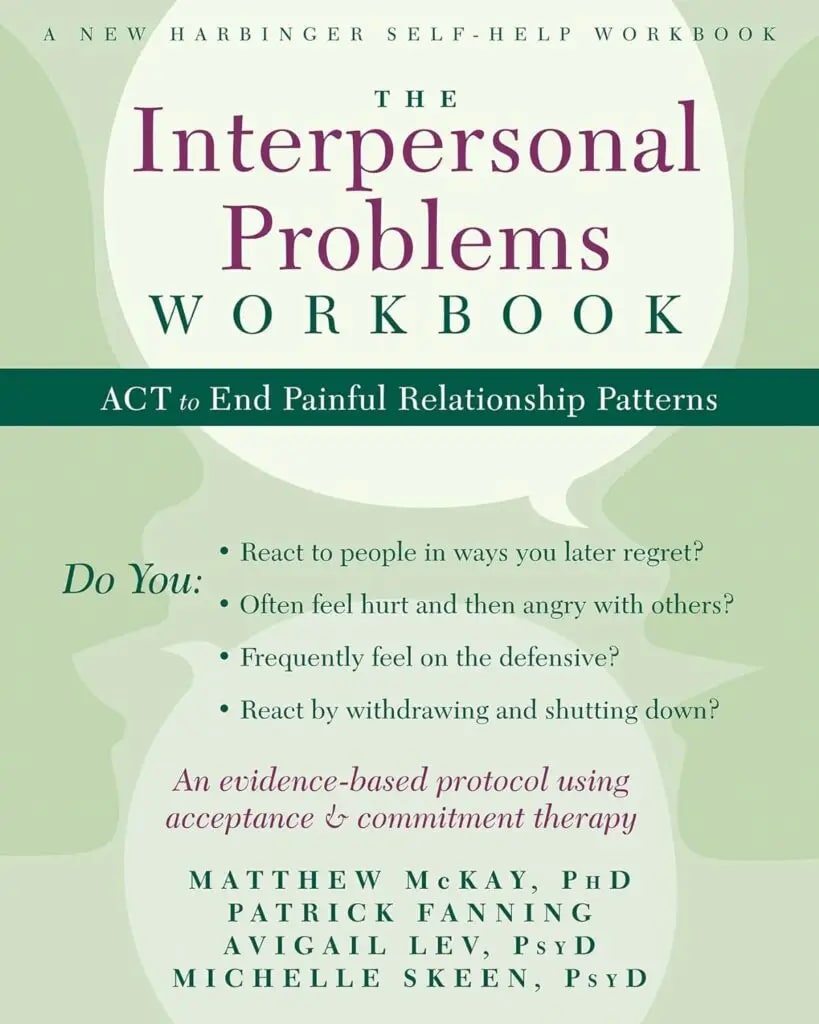
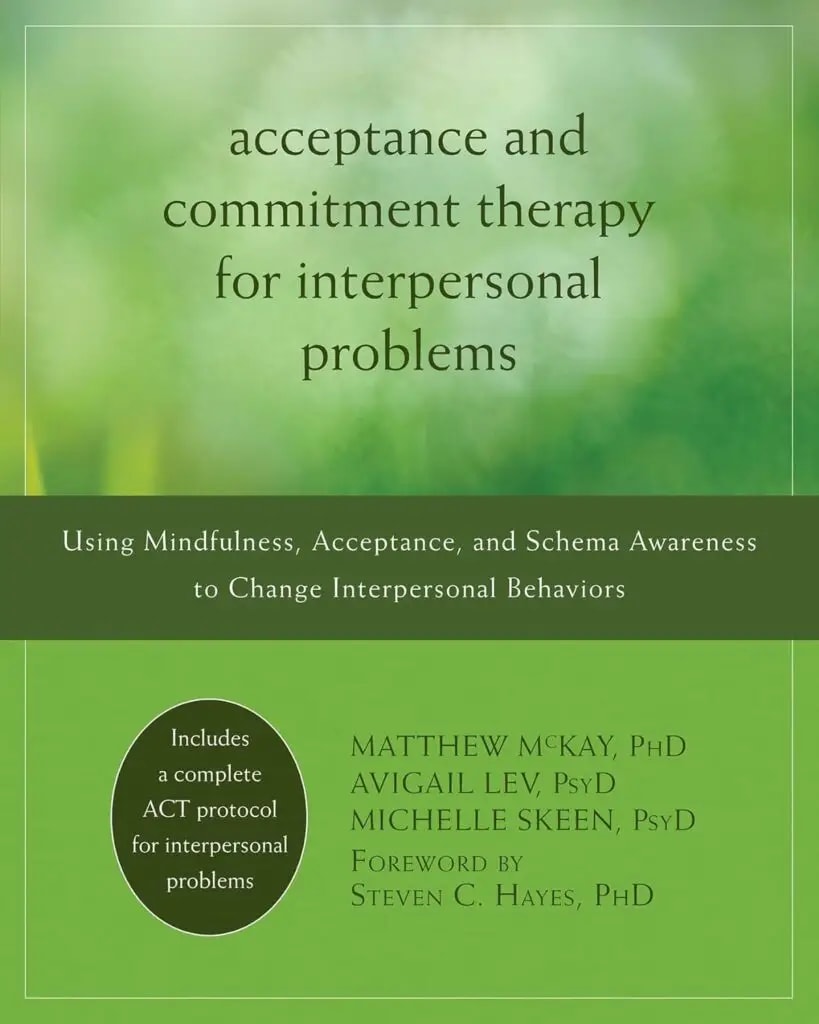
Check Out Our Books
Acceptance and Commitment Therapy in the Bay Area. You could say we wrote the books on it.