Solitude Preference
Choosing your own projects, rooms, and hours even when people are available. These questions check for a standing preference to be alone — not one tired weekend.
A free schizoid personality test and self-report distance screening
Curious about solitude and emotional distance?
↓ Take the Schizoid Personality Test Now
Wondering whether you prefer your own company, feel little pull toward close relationships, and keep a narrow emotional range? This free schizoid personality test and schizoid personality quiz is a self-report online screening you can take from home. People sometimes search “am I schizoid” or a short schizoid test when they want the same kind of private check-in. Those searches are not a label. This quiz looks at a long-standing style of detachment — not one quiet week — then points you toward helpful next steps.

This free schizoid personality quiz is for self-reflection and personal insight. It maps how often you notice solitude preference, limited closeness, restricted emotion, and indifference to praise or criticism — then shares a preview before your full report by email. It is not a clinical diagnosis of schizoid personality disorder, and it is not an autism, depression, or psychosis evaluation.
An online schizoid personality screening can help you notice whether preferring solitude, keeping people at arm's length, and a muted emotional range are showing up across years — not only after one overstimulating month. This schizoid questionnaire invites you to reflect on those themes, put clearer language to what you are seeing, and decide what you might want to do next.
Below, you will learn what this self-report schizoid personality quiz covers, how it works, who it is for, and gentle ideas for next steps after you finish. Whether you are checking in on your own patterns or supporting someone you care about, this free schizoid personality test is a simple place to start.
This schizoid personality test is a self-guided online quiz that asks about common detachment and limited-closeness patterns people sometimes connect with schizoid personality disorder. It helps you notice how often and how strongly these experiences show up — so you leave with a clearer picture of your typical months, not just one cancelled plan.
Many people use a schizoid personality questionnaire like this before talking with someone they trust, because it organizes themes that are easier to describe: choosing projects over people, feeling little hunger for intimacy, a face that does not move much, and compliments that barely register. Your results preview highlights the same dimensions the questions explore.
You can take this free schizoid personality quiz privately, at your own pace, and use what you learn as a conversation starter — with a friend, a loved one, or a therapist if you want extra support later.

There are many ways people check in on distance and solitude. This free schizoid personality quiz focuses on accessible online self-screening you can finish in a few minutes. Other tools may be shorter, longer, or geared toward a clinic — the goal here is a friendly first look.
Online screening tools — including a brief schizoid quiz and a longer schizoid personality disorder test — are built for convenience and early awareness. Many take only a few minutes and ask how often you choose to be alone, how little you want close friends, or how flat praise and criticism feel.
This schizoid personality test follows that same spirit: honest reflection from home. Completing an online screening privately can make it easier to describe your experience later if you choose to talk with someone.
The main advantage of a free online schizoid personality test is access. You can take a schizoid personality quiz at your own pace, revisit your results, and use them as a starting point for whatever feels useful next.
If your quiz results raise questions — or if isolation, muted emotion, or a life built almost entirely around solitary work already feels heavy — talking with a therapist or other trusted clinician can help you sort through what is going on and explore options that fit you. Many people bring their quiz notes to that conversation so they do not have to start from scratch.
Support might look like schema work around detachment and emotional inhibition, a check-in that rules out depression or autism-related needs, or simply a thoughtful conversation about whether more connection would actually feel useful. You get to decide how far you want to go.
This online schizoid personality quiz is designed for adults who want a private check-in on solitude, limited closeness, and muted emotion. Anyone noticing that they rarely miss people — and rarely want them — may find a structured self-report useful.
Adults often take this screening after a partner asked why they never reach out, after years of choosing work over friendship, or after family said they seem “fine but far away.” Some people arrive after searching “am I schizoid,” a schizoid test, or a schizoid personality disorder test and wanting a calmer, clinical framing.
Older teens may find adult-oriented questions relevant, though younger people often benefit from age-appropriate tools and family support. Children typically need specialized pediatric resources rather than this adult self-report quiz alone.
You may want to take this schizoid personality test if you prefer your own projects to almost any invitation, feel little urge for romance or close friends, keep a narrow emotional range, or barely notice praise and criticism. A check-in can also feel helpful after a move, a breakup, or a job that let you work almost entirely alone.
This schizoid personality quiz highlights whether your recent experiences resemble common schizoid-personality patterns. You answer short self-report questions, see a dimension preview, and receive a fuller report by email — all designed to make reflection feel clear and doable.
The items ask about themes many people recognize in a schizoid personality disorder test: choosing solitude, having little desire for close relationships, showing a restricted emotional range, and remaining unmoved by praise or criticism. Not everyone experiences every pattern, and that is okay — the quiz simply maps what shows up for you.
Answering carefully helps: the quiz works best when responses describe your typical recent months rather than one cancelled dinner or one unusually social weekend.
These questionnaires usually ask how often you choose to be alone even when people are available; whether close friendship or romance feels optional rather than needed; and whether your face and voice stay even when others expect feeling. Some items touch on hobbies that do not involve people, or compliments that barely register.
This schizoid personality quiz uses similar themes so you can reflect honestly on frequency and impact before you see your results preview.
Beyond this free online schizoid personality test, you may see other self-report tools — including an avoidant personality test, a depression test, or a psychosis test — in apps, primary care portals, or therapy intake packets. Formats differ. Those patterns can travel with detachment, but they are not interchangeable labels. Use whichever tool feels approachable — and treat your answers as useful information for you.
Your quiz results can clarify concerns and motivate gentle next steps. Many people share their scores with a therapist, coach, or trusted provider when they want help making sense of the patterns. Having language for your experience often makes that conversation easier.
Four pattern areas
This schizoid personality test looks at common dimensions you may see in your results preview — so you know what the questions are exploring before you start.
Choosing your own projects, rooms, and hours even when people are available. These questions check for a standing preference to be alone — not one tired weekend.

Little urge for close friends, romance, or family intimacy. This dimension explores whether closeness feels optional — not the same as wanting it and fearing rejection.
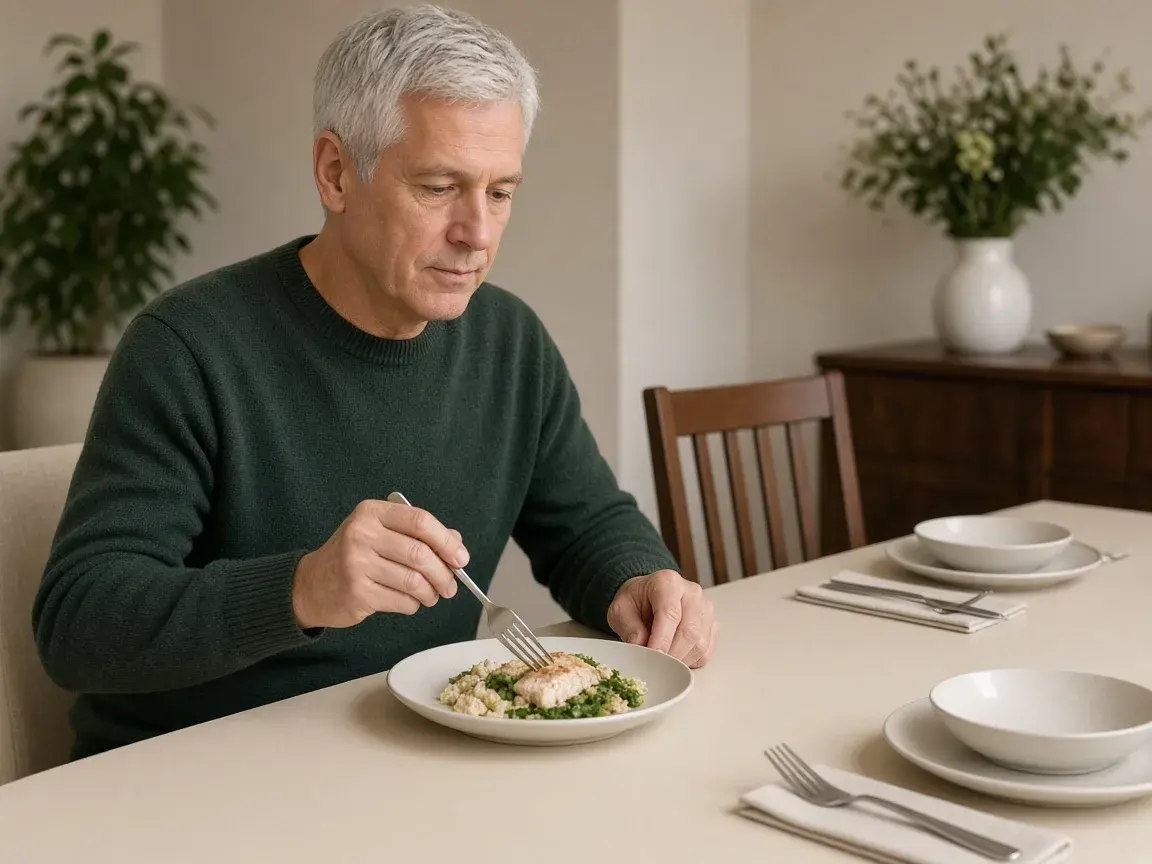
A face, voice, or inner life that stays even when others expect feeling. These items ask how narrow the emotional range is — not one low month of depression.

Compliments and criticism that barely move you. This block asks how often other people's opinions register as optional noise rather than fuel.
After you complete this schizoid personality test, you will have a clearer sense of whether solitude preference, limited closeness, restricted emotion, or indifference to praise deserve closer attention. That insight is a starting point — not an endpoint. Many people use their results to decide whether to talk with a trusted person, book a consult, or begin therapy.
If your results raise concern, connecting with experienced clinicians can help you move from awareness to action. Support can include therapy for detachment and emotional range, a check-in that rules out depression or other explanations, and extra attention if isolation has become the whole life.
You do not have to wait until someone else names the distance for you. Reach out to explore therapy and next steps with compassionate, evidence-based care.
We offer various quizzes, including:
These quizzes can provide additional insights that help you navigate the complexities of your emotions and interactions. Our quizzes are designed to be informative. You can print, share, or save your results for future reference.
FAQ
Open the quiz, rate how often each statement fits you (Never → Very Often), and move through the questions. At the end you get a preview of solitude preference, limited closeness, restricted emotion, and indifference to praise or criticism, then a fuller report by email.
It is a self-report screening about preferring to be alone, having little urge for close relationships, showing a flat or limited emotional range, and not being moved much by compliments or slights — so you can notice a long-standing style, not just a quiet week.
People sometimes search “am I schizoid” or a short schizoid test when they want this kind of check-in. Those are everyday questions, not a diagnosis and not an insult. This schizoid personality test and schizoid personality quiz is a self-report screening — not a clinician's evaluation for schizoid personality disorder.
No. Introversion is often a preference for quieter settings while still wanting some people. Avoidant personality patterns usually include a strong wish for closeness plus fear of rejection. Autism can include social differences with a different history. This quiz looks at long-standing detachment and limited desire for intimacy. It cannot sort those apart for you.
No. This free schizoid personality quiz is for self-reflection only — not a clinical diagnosis, a psychosis evaluation, or an autism assessment. A licensed clinician can help you weigh history, context, and next steps in a real conversation.
Depression can flatten pleasure for a stretch of weeks. Psychosis can include beliefs or perceptions other people do not share. This quiz looks at a longer style of distance, limited closeness, and muted emotion — not a voice, a delusion, or one low month. Those can overlap; this screening does not sort them for you.
Most people finish in about 5–8 minutes. Take your time so answers reflect your typical recent months, not one cancelled dinner or one unusually social weekend.
Yes. This free schizoid personality test and schizoid personality quiz are free to start and complete. You can print, save, or share your results for your own notes afterward.
A preview of the pattern areas on-screen, then a fuller report by email with more detail and next-step ideas. Keep it for reflection or bring it to a conversation with someone you trust.
If your results point to persistent detachment, limited closeness, or muted emotion you want to understand more deeply, reach out to our team to explore therapy, coaching, or consultation options.
INNOVATIVE THERAPY
Explore our innovative matching experience, designed to identify the best type of therapy for you through a unique quiz. Once you’ve completed the quiz, we’ll connect you with the therapist or coach who perfectly suits your individual needs—all at no cost. Whether you’re seeking help for yourself or a loved one, you’ll receive a personalized recommendation to guide you on your journey to growth and well-being. Take the first step toward your best self today.
Ready to take the first step?
Our integrative holistic protocol