Energy & Restlessness
Stretches when you feel wired, unusually confident, or unable to sit still — more than ordinary motivation. These questions check for energy that keeps climbing, not just a busy week.
A free bipolar test and self-report mood screening
Curious about mood and energy swings?
↓ Take the Bipolar Test Now
Wondering whether stretches of extra energy, little sleep, and then a hard crash could point to bipolar patterns? This free bipolar test and bipolar quiz is a self-report online screening you can take from home. People sometimes search “am I bipolar” or an older phrase like manic depression test when they want the same kind of private check-in. The quiz helps you reflect on mood, energy, sleep, and irritability — then points you toward helpful next steps.

This free bipolar quiz is for self-reflection and personal insight. It maps how often you notice elevated energy, crashing mood, sleep changes, and irritability — then shares a preview before your full report by email. It is not a clinical diagnosis of bipolar disorder, and it is not a test that can label anyone bipolar.
An online bipolar screening can help you notice whether unusually high energy, racing plans, or a crash that lasts days is showing up in daily life. This bipolar disorder test and bipolar questionnaire invite you to reflect on those swings, put clearer language to what you are seeing, and decide what you might want to do next.
Below, you will learn what this self-report bipolar quiz covers, how it works, who it is for, and gentle ideas for next steps after you finish. Whether you are checking in on your own patterns or supporting someone you care about, this free bipolar test is a simple place to start.
This bipolar test is a self-guided online quiz that asks about common energy, mood, and sleep patterns people sometimes connect with bipolar disorder. It helps you notice how often and how strongly these experiences show up — so you leave with a clearer picture of your recent weeks, not just one intense day.
Many people use a bipolar questionnaire like this before talking with someone they trust, because it organizes themes that are easier to describe: wired stretches, heavy crashes, sleep that disappears, and irritability that feels bigger than the moment. Your results preview highlights the same dimensions the questions explore.
You can take this free bipolar quiz privately, at your own pace, and use what you learn as a conversation starter — with a friend, a loved one, or a therapist if you want extra support later.

There are many ways people check in on mood patterns. This free bipolar quiz focuses on accessible online self-screening you can finish in a few minutes. Other tools may be shorter, longer, or geared toward a clinic — the goal here is a friendly first look.
Online bipolar screening tools — including brief bipolar questionnaires and longer self-report quizzes — are built for convenience and early awareness. Many take only a few minutes and ask how often your energy spikes, your need for sleep drops, or a low period follows a stretch that felt unstoppable.
This bipolar test follows that same spirit: honest reflection from home. Completing an online bipolar screening privately can make it easier to describe your experience later if you choose to talk with someone.
The main advantage of a free online bipolar test is access. You can take a bipolar quiz at your own pace, revisit your results, and use them as a starting point for whatever feels useful next.
If your quiz results raise questions — or if mood swings already disrupt work, sleep, money, or relationships — talking with a therapist or other trusted clinician can help you sort through what is going on and explore options that fit you. Many people bring their quiz notes to that conversation so they do not have to start from scratch.
Support might look like CBT for mood monitoring and routine, coordinated care when medication is part of the picture, ACT skills for riding intense states without making them worse, or simply a thoughtful check-in about safety and next steps. You get to decide how far you want to go.
This online bipolar quiz is designed for adults who want a private check-in on mood elevation, crashes, and sleep. Anyone noticing stretches that feel unusually wired — then unusually heavy — may find a structured self-report useful.
Adults often take this screening after a week of almost no sleep that still felt productive, a spending or talking streak they later regretted, or a crash that looked like depression but followed a high. Some people arrive after searching “am I bipolar,” “do I have bipolar,” or an older manic depression test and wanting a calmer, clinical framing.
Older teens may find adult-oriented questions relevant, though younger people often benefit from age-appropriate tools and family support. Children typically need specialized pediatric resources rather than this adult self-report quiz alone.
You may want to take this bipolar test if your energy sometimes feels too high to land, your sleep shrinks for days, irritability comes in waves, or a low period arrives after a stretch that felt unstoppable. A check-in can also feel helpful after a job change, postpartum period, or seasonal shift when those themes feel loud.
This bipolar quiz highlights whether your recent experiences resemble common bipolar symptom patterns. You answer short self-report questions, see a dimension preview, and receive a fuller report by email — all designed to make reflection feel clear and doable.
The items ask about themes many people recognize in a bipolar disorder test: unusually high energy or confidence, little need for sleep, racing thoughts, irritability, and a crash into low mood or emptiness afterward. Not everyone experiences every pattern, and that is okay — the quiz simply maps what shows up for you.
Answering carefully helps: the quiz works best when responses describe your typical recent weeks rather than one exciting deadline or one sad weekend.
Bipolar questionnaires usually ask how often you felt so energetic that sleep seemed optional; whether talking, spending, or plans sped up; and whether a heavy, slowed period followed. Some items touch on irritability, risk-taking, or a mood swing test kind of contrast between “up” and “down” stretches.
This bipolar quiz uses similar themes so you can reflect honestly on frequency and impact before you see your results preview.
Beyond this free online bipolar test, you may see other self-report tools — including a depression test, a hypomania test, or a broader mood disorder test — in apps, primary care portals, or therapy intake packets. Formats differ. Depression and hypomania can travel with these patterns, but they are not interchangeable labels. Use whichever tool feels approachable — and treat your answers as useful information for you.
Your quiz results can clarify concerns and motivate gentle next steps. Many people share their scores with a therapist, coach, or trusted provider when they want help making sense of the patterns. Having language for your experience often makes that conversation easier and less alarming.
Four pattern areas
This bipolar test looks at common dimensions you may see in your results preview — so you know what the questions are exploring before you start.
Stretches when you feel wired, unusually confident, or unable to sit still — more than ordinary motivation. These questions check for energy that keeps climbing, not just a busy week.

A heavy, slowed, or empty period that follows a high — or arrives on its own and lasts. This dimension explores whether the drop feels like more than ordinary disappointment.
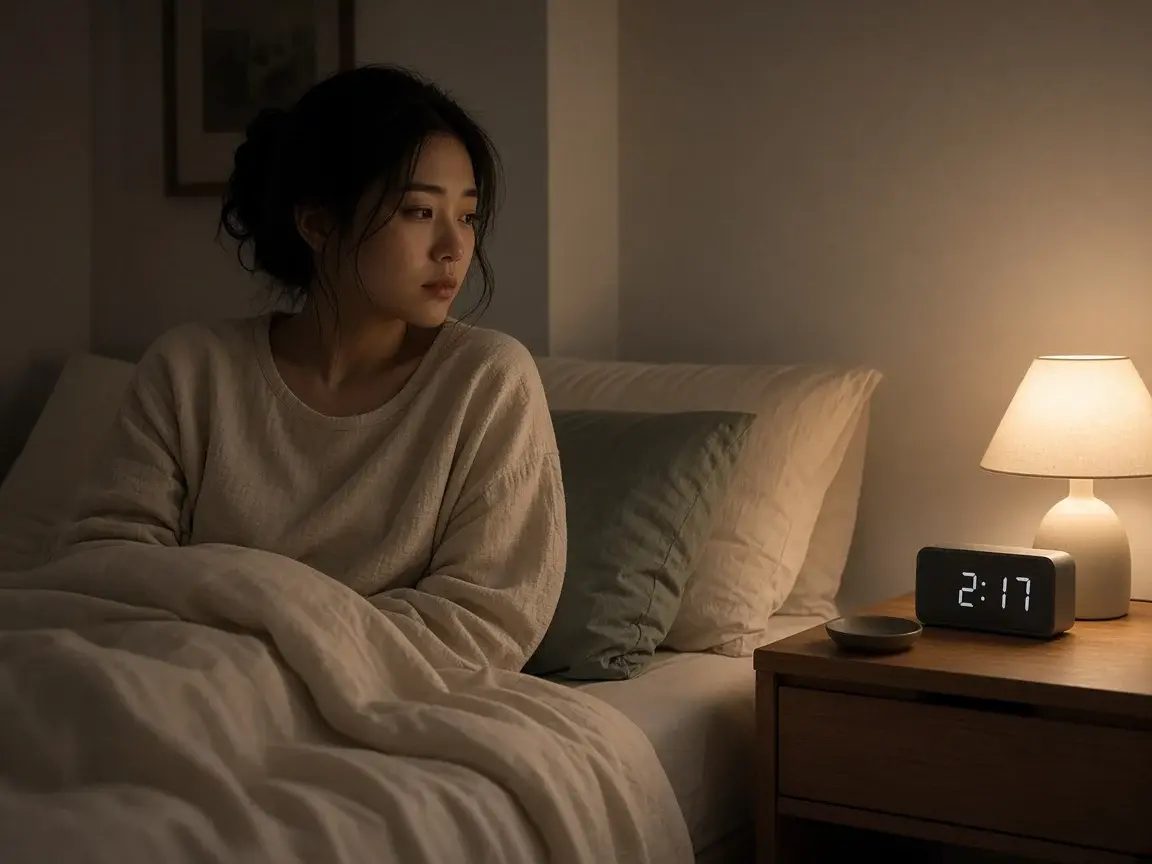
Needing far less sleep without feeling tired — or barely sleeping while your mind stays on. These items ask how often rest disappears when energy rises.

Thoughts that won't slow, talk that speeds up, or a short fuse that surprises you. This block asks how often mental pace and irritability travel with the mood swing.
After you complete this bipolar test, you will have a clearer sense of whether energy spikes, crashes, sleep loss, or irritability deserve closer attention. That insight is a starting point — not an endpoint. Many people use their results to decide whether to talk with a trusted person, book a consult, or begin therapy.
If your results raise concern, connecting with experienced clinicians can help you move from awareness to action. Support can include CBT for mood monitoring and daily rhythm, coordinated care when a medical evaluation is wise, and extra attention to safety if impulsivity, hopelessness, or sleeplessness already feel dangerous.
You do not have to wait until a swing becomes a crisis. Reach out to explore therapy and next steps with compassionate, evidence-based care.
We offer various quizzes, including:
These quizzes can provide additional insights that help you navigate the complexities of your emotions and interactions. Our quizzes are designed to be informative. You can print, share, or save your results for future reference.
FAQ
Open the quiz, rate how often each statement fits you (Never → Very Often), and move through the questions. At the end you get a preview of energy, mood, sleep, and irritability patterns, then a fuller report by email.
It is a self-report bipolar screening about unusually high energy, crashing low mood, sleep that shrinks or vanishes, and thoughts or irritability that feel hard to slow — so you can notice how these swings show up.
People often search “am I bipolar” or “do I have bipolar” when they want this kind of check-in. Those are everyday questions, not a diagnosis. This bipolar test and bipolar quiz is a self-report screening about mood and energy patterns — not a clinician's evaluation for bipolar disorder.
No. This bipolar quiz is for self-reflection only — not a clinical diagnosis, mood-disorder evaluation, or medical assessment. A licensed clinician can help you weigh context, safety, and next steps in a real conversation.
Most people finish in about 5–8 minutes. Take your time so answers reflect your typical recent weeks, not a single sleepless night.
Yes. This free bipolar test and bipolar quiz are free to start and complete. You can print, save, or share your results for your own notes afterward.
A preview of the pattern areas on-screen, then a fuller report by email with more detail and next-step ideas. Keep it for reflection or bring it to a conversation with someone you trust.
Many insurance plans help cover therapy or a consult when you want follow-up care. Coverage depends on your plan and network — check with your insurer and our team before booking.
If your results point to persistent mood swings, sleep loss, irritability, or crashes you want to understand more deeply, reach out to our team to explore therapy, coaching, or consultation options.
INNOVATIVE THERAPY
Explore our innovative matching experience, designed to identify the best type of therapy for you through a unique quiz. Once you’ve completed the quiz, we’ll connect you with the therapist or coach who perfectly suits your individual needs—all at no cost. Whether you’re seeking help for yourself or a loved one, you’ll receive a personalized recommendation to guide you on your journey to growth and well-being. Take the first step toward your best self today.
Ready to take the first step?
Our integrative holistic protocol