Public Speaking Tips: How to Build Confidence, Calm Anxiety, and Communicate Clearly

Most people feel at least a flutter of nervousness before speaking in front of others. Whether you're pitching an idea at a Bay Area startup, defending a thesis, or standing up to deliver a wedding toast in Napa, the ability to speak clearly and connect with your audience is a skill that shapes your career, your relationships, and your self-esteem. The good news: public speaking is not a talent you're born with. It's a set of learnable skills, and the fear that comes with it is both normal and treatable.
This guide covers practical public speaking tips grounded in research and clinical experience-from structuring your message and managing filler words to calming your nervous system and knowing when to seek professional support.
Key Takeaways
Nervousness before speaking is extremely common, but specific skills-clear structure, vocal practice, body language, and breathing-can dramatically reduce fear over time.
A strong opening, three to five main points, and a memorable closing matter far more than sounding "perfect."
Practical speaking tips like practicing out loud, using intentional eye contact, and varying your voice and pace make a measurable difference.
Becoming a better public speaker is a gradual process. Every presentation, meeting, or class comment is a chance to build confidence.
At Bay Area CBT Center, therapists help clients work through severe public speaking anxiety using evidence-based approaches like CBT and exposure therapy.
Clarify Your Values Before You Clarify Your Talking Points

The most important tip for changing your relationship with public speaking is to clarify your values. Not your talking points, not your opener, not your breathing. Your values.

Here is why. Most public speaking advice is outcome-based: don't get nervous, sound confident, land the joke, nail the close. Those are goals, and every one of them depends on things you don't control: the room, the audience's mood, the question you didn't prepare for, how your nervous system is behaving that morning. Chasing outcomes is exactly what makes speakers freeze, over-rehearse, scan the crowd for approval, and lose the thread.
Values are different. A goal is something you achieve and check off. A value is a direction, not a destination. You are never 100% honest, 100% collaborative, or 100% kind, and you are never finished with a value. Every behavior either moves you closer to it or further from it. That is what makes values so much more empowering than outcomes: they are always within your control, no matter how things turn out. You can't control whether the audience is engaged. You can control, in this sentence, whether you are being clear, honest, or present. A goal can fail. A value can only be acted on or not.
The research backs this up. Chase and colleagues (2013) found that a brief ACT-based values exercise added to goal setting improved student performance more than goal setting alone. Cohen and Sherman's review in the Annual Review of Psychology shows that short values-affirmation exercises reduce threat and defensiveness and improve performance under evaluative pressure, which is a fair description of standing in front of a room.
For public speaking, anchoring to a value instead of an outcome changes three things. Presence: your attention is on what you're doing now, not on whether it's going well. Attunement: if your value is service or connection, you're watching whether the audience understands, not monitoring your own performance. Recovery: when something goes wrong, an outcome-anchored speaker has just failed, while a value-anchored speaker just has the next sentence to act on.
Before your next talk, write one sentence naming what you want to be about as a speaker, not what you want to get. "I want to be clear and useful." "I want to be honest even when it's uncomfortable." "I want to be present with the people in the room." Then go through the talk section by section and ask what that value looks like as behavior in each part. Rehearse the behavior, not the outcome. Afterward, review yourself against the value, not the applause.
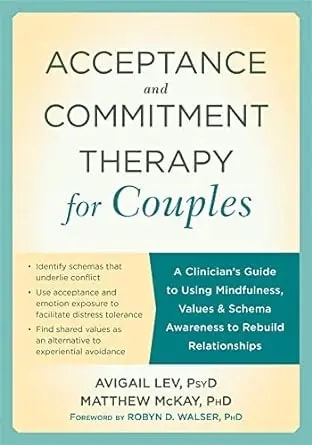
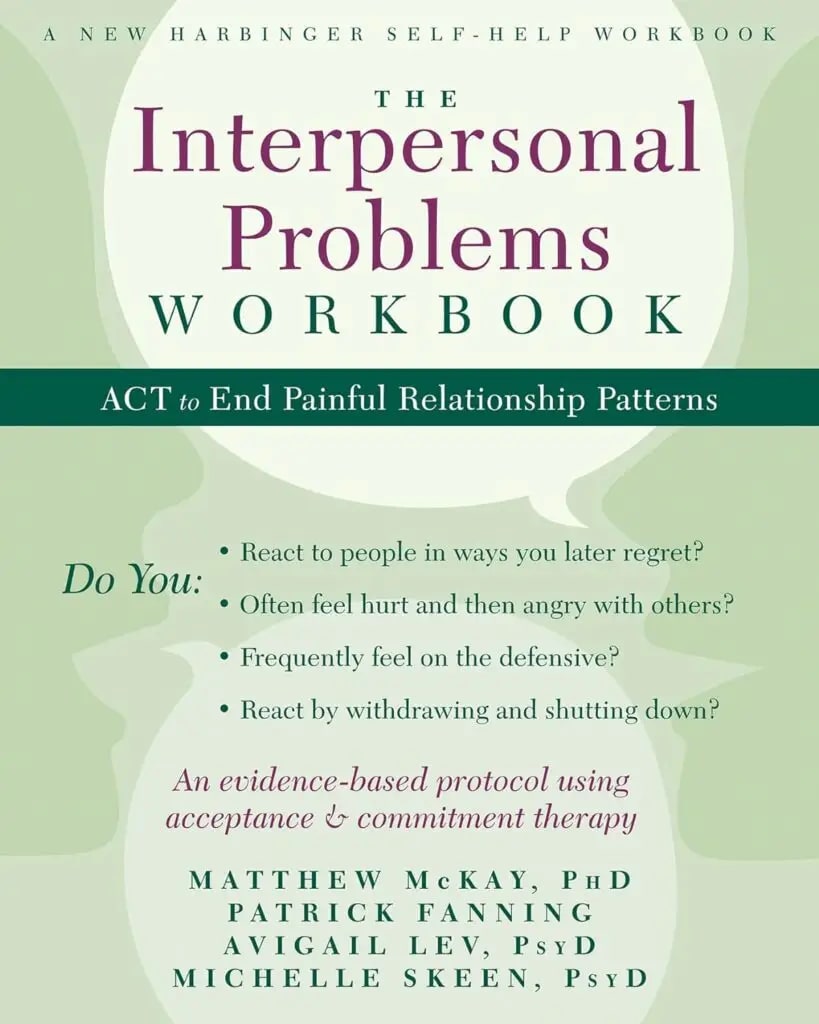
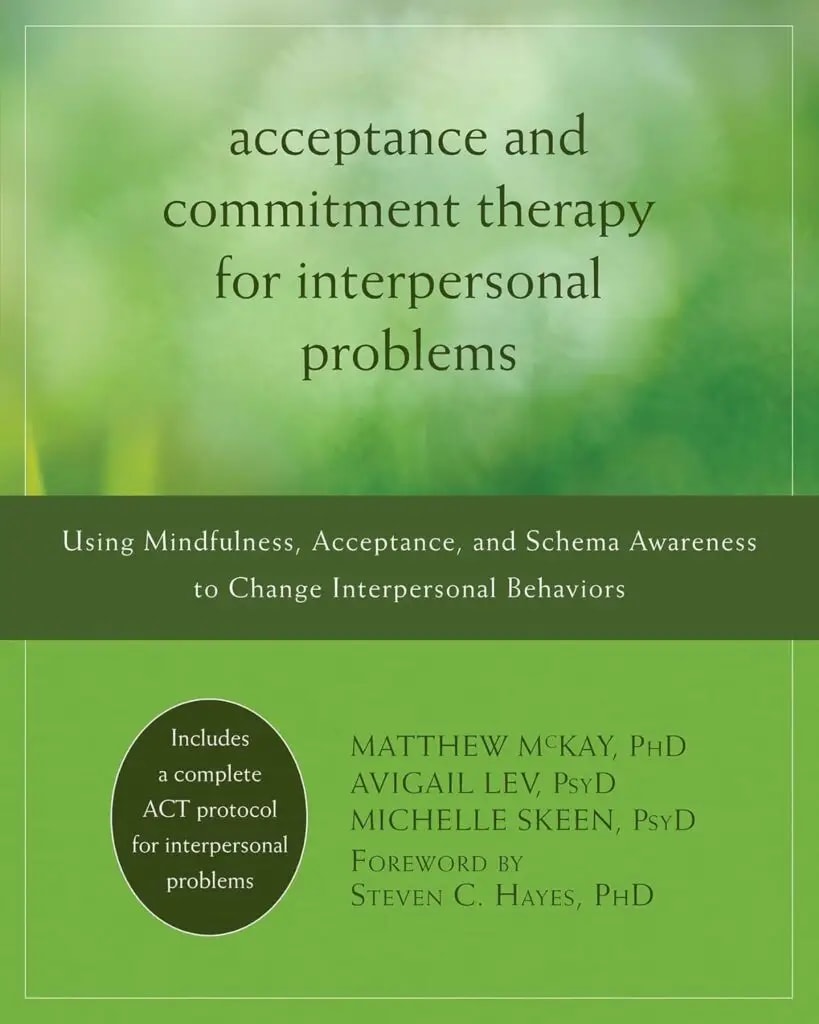
Values only work if you can notice when fear has pulled you off them mid-sentence and return. That is the skill the mindfulness practices train, and the reason they belong in your preparation rather than in a separate self-care category. Dropping Anchor is the one to run backstage, and "I'm Having the Thought That…" is the one to run mid-talk when the story about how badly this is going shows up. Both come from acceptance and commitment therapy, which is where values-based behavior change comes from in the first place.
Understand Your Public Speaking Anxiety
Public speaking anxiety—sometimes called glossophobia—is one of the most common social fears. Research estimates that between 21% and 33% of people in community samples report clinically significant fear of public speaking. Physical symptoms include a racing heart, sweating, shaky hands or voice, blushing, and blanking out mid-sentence. Rumination after speaking ("I sounded so stupid") is equally common.
Instead of pushing your public speaking anxiety away, try making friends with it. Acknowledge that it’s difficult and scary—that feeling afraid or nervous is a natural response to standing in front of a group. Recognize the bravery and courage it takes to face this fear at all. Validating your experience with self-compassion and acceptance helps reduce the power anxiety holds over you.
It helps to normalize anxiety rather than see it as a character flaw. Speaking to a group triggers your fight-or-flight response because your brain reads social evaluation as a threat. That response is ancient and automatic—not a sign that something is wrong with you.
CBT frameworks view public speaking anxiety as an interlinked cycle: catastrophic thoughts ("I'll forget my words"), feelings of fear or shame, physical sensations, and avoidance behaviors. At Bay Area CBT Center, therapists help clients map their personal anxiety cycle and design step-by-step strategies to change it—targeting the beliefs, the avoidance, and the physical response together.
Know Your Audience and Clarify Your Purpose
Good speakers think first about who they are talking to and why, before worrying about slides or a joke. Knowing your audience shapes your message effectively, and tailoring your message increases audience engagement. A pitch to executives in a San Francisco boardroom sounds different from a talk to high school students, a research presentation to non-experts, or a toast at a friend's wedding.
Adjusting vocabulary for your audience improves understanding. Effective speakers also read audience reactions to adapt their message in real time-watching for confusion, nodding, or disengagement. Audience awareness enhances clarity and intention in communication.
Before you begin preparing, answer these questions:
Who will be in the room (or on the call)?
What do they already know about this topic?
What is their emotional state or expectation?
What do I want them to do, feel, or remember by the end?
Am I trying to inform, persuade, or inspire?
Your purpose-whether it's to inform a group of students, persuade a hiring committee, or inspire a community-shapes your main points, your tone, and the stories you choose to include. Adjust your message based on audience feedback during the presentation; if people look lost, slow down and clarify.
Structure Your Talk Around Clear Main Points

Structure calms both the speaker and the audience. Even if you feel nervous or inexperienced, a clear framework keeps you from rambling and gives your listeners something to follow.
A strong presentation typically includes three to five main points, organized inside a simple framework:
Hook - Grab audience attention within the first 30 seconds of your speech. An interesting anecdote, a surprising statistic, or a direct question works well.
Context - Briefly explain why this topic matters and what you'll cover.
Main points (aim for three to five) - Each point should have one clear idea, supported by an example or piece of data. Limit main points to three to five for clarity.
Closing - Repeat your core message and include a call to action or memorable final line.
Effective speeches should have a clear opening, body, and conclusion. This applies whether you're delivering a 5-minute toast, a 10-minute team update, or a 20-minute conference talk. Starting with a strong hook captures audience attention immediately, and a clear structure prevents a data dump that overwhelms your listeners.
Organizing your main points on paper or in a note app beforehand is a key speaking skill that reduces filler words and the sense that you're improvising everything.
Write a Flexible Script or Outline (Without Sounding Robotic)

There are two camps: word-for-word scripts and bullet-point outlines. For anxious speakers, writing a full draft first can feel reassuring. The risk is that reading it verbatim sounds robotic and disconnects you from the room. Working from an outline maintains audience connection during a speech because it lets you look up, respond to reactions, and speak naturally.
A practical approach:
Write a full version of your talk first, especially if you're a new public speaker.
Condense it into a simple outline with key phrases, statistics, and transitions highlighted.
Use chunking to memorize your speech in parts-don't try to learn the entire thing as one block.
Practice your opening and closing sentences more thoroughly, since they frame the whole talk.
People with social anxiety often over-prepare, rewriting notes the entire time leading up to the event. This can backfire. Aim for a "good enough" standard rather than perfection-a principle that aligns with cognitive behavioral therapy techniques used to challenge perfectionism.
Practice Out Loud to Build Confidence

Silent reading does not count as practice. Speaking skills grow from vocal rehearsal and repetition. Preparation reduces public speaking anxiety significantly, and practicing out loud improves confidence and reduces anxiety.
Here's how to practice effectively:
Rehearse in front of a mirror or a friend to simulate real conditions.
Record yourself to evaluate your delivery-timing, tone, and clarity.
Practice your speech out loud multiple times, focusing on different sections each round.
Do a mock presentation on Zoom if your talk will be virtual.
Short, frequent sessions beat cramming. For a talk in October 2026, try 10–15 minutes per day for a week rather than three panicked hours the night before. Managing nervousness requires thorough preparation and mindset shifts-not just talent or luck.
Use recordings to catch rushed sections, monotone delivery, or spots where you rely on filler words. Practice speaking out loud to improve timing and flow. Mastering public speaking takes practice and intention, and every class comment, work update, or therapy role-play is a chance to become a better public speaker.
Use Your Voice, Pace, and Pauses Intentionally

Two people can deliver the same presentation with completely different impact because of pace, tone, and volume. Good delivery does not call attention to itself-it serves the message.
Nervousness typically pushes speakers to talk too fast. To counter this:
Slow down deliberately at the start of your talk.
Over-articulate key messages so they land clearly.
Vary your pace to convey urgency or build tension-speed up slightly for an exciting point, then slow for emphasis.
Silence can be a powerful tool in public speaking. Plan intentional pauses after important ideas to let them sink in and give yourself a breath.
Simple speaking tips for voice: use short sentences when you feel nervous, vary your volume for emphasis, and avoid ending every sentence on an upswing (which can sound uncertain). Recording yourself is one of the best ways to improve vocal delivery and spot patterns like speeding up near the end.
Clients working with Bay Area CBT Center sometimes practice short exposure exercises in session to experiment safely with voice control and pacing in a low-stakes environment.
Master Body Language and Eye Contact

Nonverbal communication carries most of the message. Your posture, gestures, facial expressions, and how you use the space all shape how your audience receives your words.
Basics that matter:
Stand with balanced posture and keep shoulders relaxed.
Avoid gripping the podium rigidly-let your hands move naturally.
Purposeful movements and gestures can help alleviate nervous energy during presentations. Use open-hand gestures to emphasize main points.
Engaging the audience through deliberate eye contact creates a conversational atmosphere. Briefly connect with one person at a time, holding for two to three seconds before moving on.
Make eye contact to connect with your audience, but don't stare-look at friendly faces in the front if you feel anxious.
For online settings in 2026, look into the camera periodically to simulate eye contact and glance at faces on the screen to read reactions. You don't need to maintain intense eye contact the entire time.
"Perfect" body language isn't necessary. Natural, grounded presence-rather than dramatic gestures-makes you a good public speaker. The goal is authenticity, not performance.
Manage Filler Words and Nervous Habits Compassionately
Filler words are a normal part of spoken language. Everyone uses them. The issue arises when excessive "um," "uh," "like," or "you know" pulls the audience's attention away from your key messages.
Common nervous habits also include repetitive phrases like "to be honest" or "at the end of the day," pacing, or touching your face.
How to reduce fillers without obsessing:
Replace filler words with silent pauses and intentional breathing.
Practice answering common questions in short, direct sentences without fillers.
Record yourself and count fillers-awareness alone often cuts the frequency.
It's worth noting that critique of filler words is often harsher toward women, young professionals, and people of color. Don't tie your worth as a speaker to "perfect" speech. Embracing imperfections allows for smoother recovery in presentations-audiences are far more forgiving than most speakers expect.
In therapy or coaching, clients can gently challenge perfectionism around speaking and practice balanced self-talk, addressing cognitive distortions that fuel harsh self-criticism.
Calming Strategies Before and During Your Talk

Mindset and nervous system regulation support solid speaking skills-they don't replace them. Shifting focus from oneself to the audience enhances public speaking performance: think about what your audience members need, not whether you look nervous.
Pre-talk routine (10 minutes before):
Deep breathing calms nerves and projects voice effectively. Take slow belly breaths for three to five minutes. Breathing exercises can lower heart rate and anxiety levels.
Use grounding exercises: feel your feet on the floor, name five objects in the room.
Review your first line. Focusing on the first sentence can ease public speaking nerves.
Take two deep breaths backstage, sip water, and remind yourself of your main points instead of scanning for every possible mistake.
If you blank out mid-speech:
Pause. Breathe. Glance at your outline.
Calmly restate the last point you remember-audience members are usually more forgiving than you expect.
Imagining worst-case scenarios can actually help calm public speaking fears. Ask yourself: "What's the worst that could realistically happen?" and notice that the answer is rarely catastrophic. This is a core CBT skill-challenging thoughts like "They'll think I'm stupid" and testing whether that belief holds up against evidence. If you struggle with physical symptoms like shaking, these techniques are especially helpful.
Engage Your Audience With Stories and Interaction

A technically correct presentation can still fall flat without engagement. Use stories and examples to hold audience attention-stories make information stick and abstract ideas concrete.
Practical ways to engage:
Share a brief, specific story: a moment from your own life, a client vignette (with details changed), or a real scenario from recent years-like your first remote presentation during the pandemic.
Ask questions to shift the audience from passive to active engagement. A simple show-of-hands question or rhetorical question works.
Use quick polls in online platforms or short thought experiments.
Connect examples to the audience's world: students in California schools, early-career professionals in Bay Area tech, or people navigating life transitions.
The goal isn't to be a stand-up comic. It's to keep listeners mentally present so your main points land and they feel seen and understood. You don't need a joke in every section-a well-chosen example or an interesting anecdote does the job.
Turn Everyday Life Into Speaking Practice
Becoming a better public speaker doesn't only happen on a stage. Frequent speaking opportunities help build confidence and skill through small, daily repetitions.
Try these mini-challenges:
Summarize an article to a friend in two minutes.
Lead part of a team meeting or speak up once in a college class each week.
Answer questions at a workshop instead of staying silent.
Volunteer for a short update at your next group meeting.
After each moment, reflect briefly: What worked? What felt hard? What one thing could I try differently? Studying great speakers-whether TED talks, podcast hosts, or colleagues you admire-provides insights for improving your own style.
Groups like Toastmasters or therapy groups provide structured, supportive environments for practice. Bay Area CBT Center offers individual therapy, groups, and coaching where clients can safely practice and receive feedback on communication and public speaking in a context that supports real growth.
When to Consider Professional Help for Public Speaking Anxiety

Red flags that suggest it's time for professional support:
You've turned down a promotion, dropped a class, or avoided a job opportunity because of fear of speaking.
You plan your entire life around avoiding presentations.
Stage fright has crossed from discomfort into panic attacks or severe avoidance.
Cognitive behavioral therapy, exposure therapy, and group therapy effectively treat intense public speaking anxiety. Meta-analytic research shows that psychological interventions reduce public speaking fear with a large effect size, and gains are sustained over time. Acceptance-based approaches have shown even higher remission rates in some clinical populations.
Concrete goals a therapist might help with: giving a short update at a January 2027 all-hands meeting, defending a thesis, or delivering a eulogy without panicking. At Bay Area CBT Center, clinicians collaborate on a gradual exposure plan-from imagining speaking to practicing in session to real-world talks-tailored to each client's pace and comfort level.
If you're in California and feel stuck or overwhelmed, consider reaching out for therapy or coaching support. Both in-person Bay Area and online options are available, so you can begin wherever you feel confident enough to start.
FAQ: Public Speaking Skills and Anxiety
Panic attacks during speeches are treatable and do not mean you "can't" be a public speaker. CBT helps by mapping triggers, challenging catastrophic thoughts, practicing breathing, and doing gradual exposure starting with low-stakes situations. If fear leads to avoidance of classes, work responsibilities, or social events, professional help makes a real difference. Bay Area CBT Center therapists regularly work with panic, public speaking anxiety, and social anxiety using evidence-based methods.
Review your opening and closing lines. Walk the room or test your Zoom setup in advance. Do five slow belly breaths. Focus on serving the audience-what's the one main takeaway you want them to remember? Avoid last-minute script rewrites. Even experienced speakers in 2026 still feel nervous; the goal is to feel confident enough to speak, not to eliminate every flutter. Be nervous and prepared, not nervous and panicked.
Start by looking at people's foreheads or eyebrows, or at friendly faces in the front row. Aim for brief, soft glances of two to three seconds with different people rather than staring at one person or scanning frantically. For online talks, alternate between looking at the camera and at on-screen participants. Use your notes as a safe anchor-look down briefly, then return to the audience, building tolerance over time.
Therapy at Bay Area CBT Center addresses both: reducing anxiety and building concrete presentation skills and strategies. Sessions might include practicing short talks, role-playing difficult scenarios like answering tough questions from audience members, and refining structure and delivery. Improved public speaking often boosts overall self-esteem, assertiveness, and communication in relationships and at work. Some clients also work on perfectionism, imposter syndrome, and fear of criticism-issues that fuel speaking anxiety beneath the surface.
Many highly effective speakers have accents, and audiences in places like the Bay Area are used to diverse ways of speaking. Focus on clarity and structure rather than trying to eliminate an accent. Slow down slightly, articulate key terms, and prepare your material thoroughly. Practice, feedback, and sometimes working with a coach or therapist can help reduce self-consciousness. A clear message, strong main points, and authentic presence matter far more than sounding like a native speaker. Your words carry a powerful speech regardless of accent.