Couples Therapy in Los Angeles for Feeling More Like Roommates Than Lovers

Are you and your partner feeling like roommates instead of lovers? If you’re in Los Angeles and your relationship needs rekindling, couples therapy in Los Angeles might be the solution. In this article, we’ll explore how couples therapy can help bridge the emotional and physical gaps, providing you with the tools to reconnect with your partner on a deeper level.
Key Takeaways
-
Couples therapy is essential for rediscovering intimacy and addressing emotional distance, ultimately helping partners reconnect on deeper levels.
-
Effective communication strategies and active listening techniques are critical for fostering emotional intimacy and enhancing relationship satisfaction.
-
Personalized therapy approaches, including specialized techniques like CBT and EFT, are crucial for addressing specific relationship issues and promoting ongoing growth.
Rediscovering Intimacy

Rediscovering intimacy helps maintain a healthy and fulfilling relationship. Couples therapy addresses the emotional, physical, and spiritual components of a relationship, helping partners overcome obstacles and reconnect on a deeper level. Trust and intimacy issues are common reasons couples seek therapy, and with the right guidance, these challenges can be resolved.
Therapy teaches skills and techniques to strengthen the relationship, such as mindfulness, which enhances the couple’s overall well-being. Focusing on positive elements and addressing problems helps couples work towards a more connected and loving relationship.
Understanding Emotional Distance
Emotional distance often arises from poor communication and understanding, leading to disconnection. Therapy equips couples with tools to enhance communication and address emotional distance effectively. Using ‘I’ statements helps individuals articulate their feelings without blaming their partner.
Scheduled conversations allow couples to stay connected and share daily experiences, preventing feelings of disconnection.
Reconnecting Physically
Rebuilding physical intimacy is crucial for relationships often affected by emotional distance and feelings of being like roommates. Therapy provides strategies to enhance physical connection, such as understanding each partner’s love language and engaging in guided exercises like scheduled date nights and open physical touch.
Expressing physical needs and desires builds a stronger physical health connection within the relationship.
Effective Communication Strategies
Effective communication is the cornerstone of a healthy relationship, crucial for enhancing emotional intimacy. Couples therapy provides a structured approach for partners to engage in meaningful communication, which is vital for deepening their connection. Identifying and resolving relationship conflicts through therapy helps reduce frustration and disappointment.
Establishing clear objectives in therapy enhances the focus and direction of the relationship healing process. Examples of short-term goals include improving communication patterns and learning to express feelings more openly. Without the tools for deeper communication, couples often feel disconnected, highlighting the need for effective communication strategies.
Active Listening Techniques
Active listening involves giving undivided attention to a partner, reflecting their words, and responding empathetically. This technique fosters a deeper understanding between partners by allowing one to express their thoughts without interruption.
Active listening significantly reduces misunderstandings and enhances emotional intimacy between partners.
Expressing Needs and Desires
Practicing mindfulness techniques can enhance emotional regulation during times of change, leading to clearer and more constructive communication about needs and desires. Frequent discussions about relationship dynamics can help identify and address emerging issues.
Constructive expression of needs and desires can strengthen the overall relationship by fostering open communication.
Addressing Underlying Issues

Addressing underlying issues is a critical component of couples therapy. Common reasons couples seek relationship counseling include anxiety, family stress, behavioral issues, death or illness in the family, divorce, chronic disease, blended family complications, and addiction. Counseling helps create healthy, lasting relationships by addressing these challenges.
Therapy offers a holistic approach, providing a safe and supportive environment for couples to explore and resolve underlying relationship issues.
Past Trauma and Its Impact
Therapy can facilitate healing by helping individuals understand how past traumas influence their current relationships. Understanding childhood trauma is vital as it shapes an individual’s ability to trust and connect in adult relationships. A childhood trauma test is one way to see which early experiences are still shaping how close you let your partner get.
Trauma therapy can improve relationships by helping individuals recognize how past experiences influence their current behavior. Healing from past trauma can prevent these experiences from negatively affecting current relationships.
Managing Stress and Life Transitions
Coping strategies learned in therapy can assist couples in effectively navigating stress and significant life changes. Coping skills discussed regularly help address emerging challenges.
Therapy provides tools for managing stress and improving relationship dynamics during transitions.
Strengthening Your Bond

Strengthening your bond requires patience and empathy from both partners. Emotionally Focused Therapy (EFT) aims to enhance emotional connections between partners, strengthening their relationship. Good communication has been linked to higher levels of satisfaction and longevity in relationships.
In-person sessions at Root To Rise Therapy allow for a more personal connection, enhancing the therapeutic experience. Face-to-face therapy fosters a supportive and comfortable environment, strengthening the therapeutic alliance between therapist and client. This environment can enhance emotional connection through nonverbal communication, allowing for a deeper understanding of client needs.
Building Trust and Security
Building trust and security involves taking responsibility and genuinely empathizing with your partner’s feelings. Vulnerability helps partners rebuild physical intimacy and connection.
Therapists can guide couples through exercises that promote vulnerability, essential for establishing a solid foundation of trust.
Shared Activities and Interests
Participating in enjoyable activities together can enhance relationship satisfaction and foster a stronger emotional connection. Shared hobbies can significantly deepen emotional connections between partners.
Shared time only rebuilds closeness if both partners stay available—repeated phubbing behavior during “together” moments can keep the roommate feeling intact.
These activities help couples create lasting memories and improve relationship satisfaction.
Personalized Therapy Approaches

Personalized therapy approaches are tailored to address the specific needs of each couple. Therapeutic modalities utilized in couples therapy include Mindfulness-Based Cognitive Therapy, Cognitive Behavioral Therapy, Emotionally Focused Couples Therapy, and more. A holistic therapy approach considers the mind, body, and spirit, aiming to enhance relativity.
Therapists customize each session to address specific relationship issues, increasing relevance and effectiveness. Certain therapeutic approaches, like art or play therapy, may be more effective in a live setting. When choosing a therapist, consider their specialization in areas relevant to your relationship challenges.
Cognitive Behavioral Therapy (CBT)
Cognitive Behavioral Therapy (CBT) focuses on addressing negative thought patterns and behaviors affecting relationships. CBT helps couples alter unhelpful thought patterns that contribute to relationship issues. By changing these thought patterns, couples can improve communication, deepen emotional connections, and develop healthier ways to interact.
Emotionally Focused Therapy (EFT)
Emotionally Focused Therapy (EFT) aims to create stronger emotional bonds by enhancing attachment between partners. EFT is a personalized therapy approach that addresses the unique emotional dynamics and needs of each couple. Therapy focuses on strengthening the emotional bond between partners by rebuilding trust and creating a secure foundation.
EFT emphasizes effective communication strategies, facilitating open dialogue and promoting intimacy and understanding.
Finding the Right Therapist at Bay Area CBT Center

Finding the right couples therapist in Los Angeles is crucial for effective couples therapy. Root To Rise Therapy offers individual counseling, couples counseling, and marriage therapy. Therapy sessions can be conducted via phone and video, providing flexibility for clients.
Therapists typically hold a master’s degree in marriage and family therapy or a related field. Look for licensed Marriage and Family Therapists and those with diverse patient experience and a solution-focused approach. Experience specifically working with couples is a vital qualification to look for in a family therapist.
Qualifications and Specializations
When choosing a therapist, look for those who are members of recognized professional organizations, indicating their commitment to ongoing education.
Verifying a therapist’s credentials, including education and licensing, ensures they are qualified.
Initial Consultation Process
During the first meeting, therapists may explain their approach and discuss confidentiality agreements. The therapist talks to partners together and individually, and they complete questionnaires.
The frequency and duration of therapy sessions are decided collaboratively with the therapist.
Virtual and In-Person Options
Root To Rise Therapy offers both virtual and in-person therapy options to accommodate different lifestyles. This flexibility allows couples to choose the format that best fits their needs, providing a personalized therapy experience. Whether you prefer the convenience of virtual sessions or the deeper emotional connection of in-person meetings, there are options available to support your journey to a healthier relationship.
In-person therapy offers face-to-face interaction, fostering a deeper emotional connection and understanding between partners. On the other hand, virtual therapy provides the convenience of accessing therapy from the comfort of your home, making it easier to fit into busy schedules.
Benefits of Virtual Therapy
Virtual therapy is encouraged at Root To Rise Therapy, allowing couples to engage conveniently without the need for in-person visits. Video and phone sessions can include various activities. These consist of talk therapy, breathing and relaxation exercises, and guided meditations.
This format is particularly beneficial for couples with demanding schedules who still want to prioritize their relationship.
In-Person Therapy Sessions
In-person therapy sessions provide a safe and non-judgmental environment where couples can openly discuss their feelings. The direct interaction with the therapist and the physical presence of both partners can foster deeper connections and a more supportive atmosphere.
Ongoing growth and applying therapy insights strengthen relationships over time.
Setting Relationship Goals
Setting relationship goals is a crucial aspect of couples therapy. These goals provide direction and a sense of purpose for the therapeutic process, helping couples work towards shared objectives. Therapy encourages couples to identify and pursue shared goals, reinforcing their partnership and enhancing their relationship connectivity.
By collaboratively defining goals, couples can create a clear path forward, addressing immediate relational issues while also laying the groundwork for long-term improvements and deeper intimacy. This process not only strengthens the relationship but also fosters a sense of partnership and mutual support.
Short-Term Goals
Setting short-term goals is essential in couples therapy as it provides direction for the therapeutic process. Goals often enhance daily interactions, leading to a deeper connection and greater satisfaction.
Examples of achievable short-term goals include improving communication skills, scheduling regular date nights, and expressing appreciation daily. These goals address immediate relational issues and lay the groundwork for long-term improvements and deeper intimacy.
Long-Term Vision
Crafting a long-term vision involves aligning future aspirations and values with your partner for a unified life plan. A long-term vision helps couples navigate challenges and align future aspirations.
A unified long-term vision aligns individual dreams and values, fostering a sense of partnership. Long-term relationship goals often encompass significant life plans like saving for a home or starting a family, requiring more time and collaborative planning.
Commitment to Ongoing Growth
Maintaining a healthy relationship requires continuous effort from both partners. Relationship therapy equips couples with practical communication skills that can be applied beyond sessions. This ongoing commitment to personal growth and self-discovery is essential for fostering a stronger bond and healthy partnership.
Investing in ongoing personal growth is crucial. For effective healing in therapy, couples need to be vulnerable and honest. Commitment to growth and self-discovery ensures the relationship continues to thrive and evolve.
Regular Check-ins
Regular check-ins foster open communication, allowing partners to discuss their relationship’s strengths and areas that need improvement. Scheduling weekly check-ins helps couples address potential issues before they escalate, ensuring timely support and appreciation.
Regular check-ins enhance relationship quality by providing a structured approach to discuss concerns and celebrate successes. These check-ins can enhance emotional intimacy, allowing couples to express their feelings and needs more effectively.
Self-Care and Individual Growth
Maintaining personal well-being is essential for the health of a partnership. Encouraging personal growth and self-care strengthens the overall health of the relationship. Supporting each other’s growth is crucial during life transitions.
Setting personal boundaries enhances self-esteem and contributes positively to interpersonal relationships.
Bay Area CBT Center: Couples Therapy Across California
, couples therapy in San Diego, Couples therapy in Oakland and throughout California—both in person and online. We also offer many other services across California including trauma therapy in Los Angeles and EMDR therapy in San Francisco and Los Angeles.
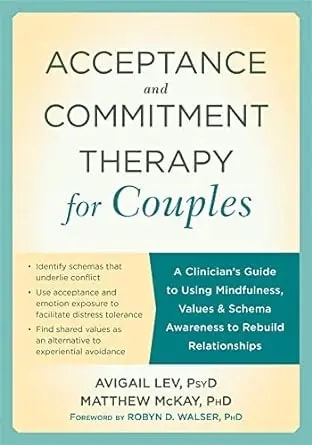
Our approach is holistic and evidence-based, combining CBT, ACT, Schema Therapy, and somatic tools to help you and your partner reconnect and heal. We also provide trauma therapy in Los Angeles for individuals and couples working through past wounds and relationship trauma.
Summary
In summary, couples therapy offers a comprehensive approach to addressing the multifaceted challenges that relationships face. From rediscovering intimacy to improving communication and addressing underlying issues, therapy provides the tools and strategies needed to foster a deeper connection and a healthier partnership.
Investing in your relationship through couples therapy can transform your partnership from feeling like roommates to rekindling the love and passion that initially brought you together. By committing to ongoing growth and setting clear relationship goals, you can build a lasting, fulfilling relationship that stands the test of time.
If you're not sure where to start, take one of Bay Area CBT Center's mental health quizzes to get more clarity, or try our therapy matching quiz to find the best approach for your healing process.