Does Couples Therapy Work? Research and Success Rates Explained

A question many partners ask is: does couples therapy work? Research suggests that it often does—between 60% and 72% of couples report significant improvements after participating in therapy. The effectiveness of couples therapy depends on using approaches that are both integrative and evidence-based. Marriage and family therapists, including associate marriage and family therapists, bring professional training in a wide range of proven methods. These include Emotionally Focused Therapy (EFT), Schema Therapy, Integrative Behavioral Couples Therapy (IBCT), ACT Therapy, and the Gottman Method—among many others.
Each of these approaches offers unique strategies for strengthening attachment, improving communication, and addressing recurring emotional challenges. In this article, we’ll look at how these different methods work, what research reveals about their effectiveness, and the key factors that influence long-term outcomes.
Key Takeaways
Couples therapy has a high success rate, with 60% to 72% of couples reporting significant improvements in relationship satisfaction after treatment.
Methods like Emotionally Focused Therapy (EFT) and Cognitive Behavioral Couples Therapy (CBCT) are particularly effective, with EFT achieving a 70-73% success rate and CBCT showing lasting benefits even five years later.
Both partners’ commitment to the therapy process and selecting the right therapist significantly influence the effectiveness of couples therapy.
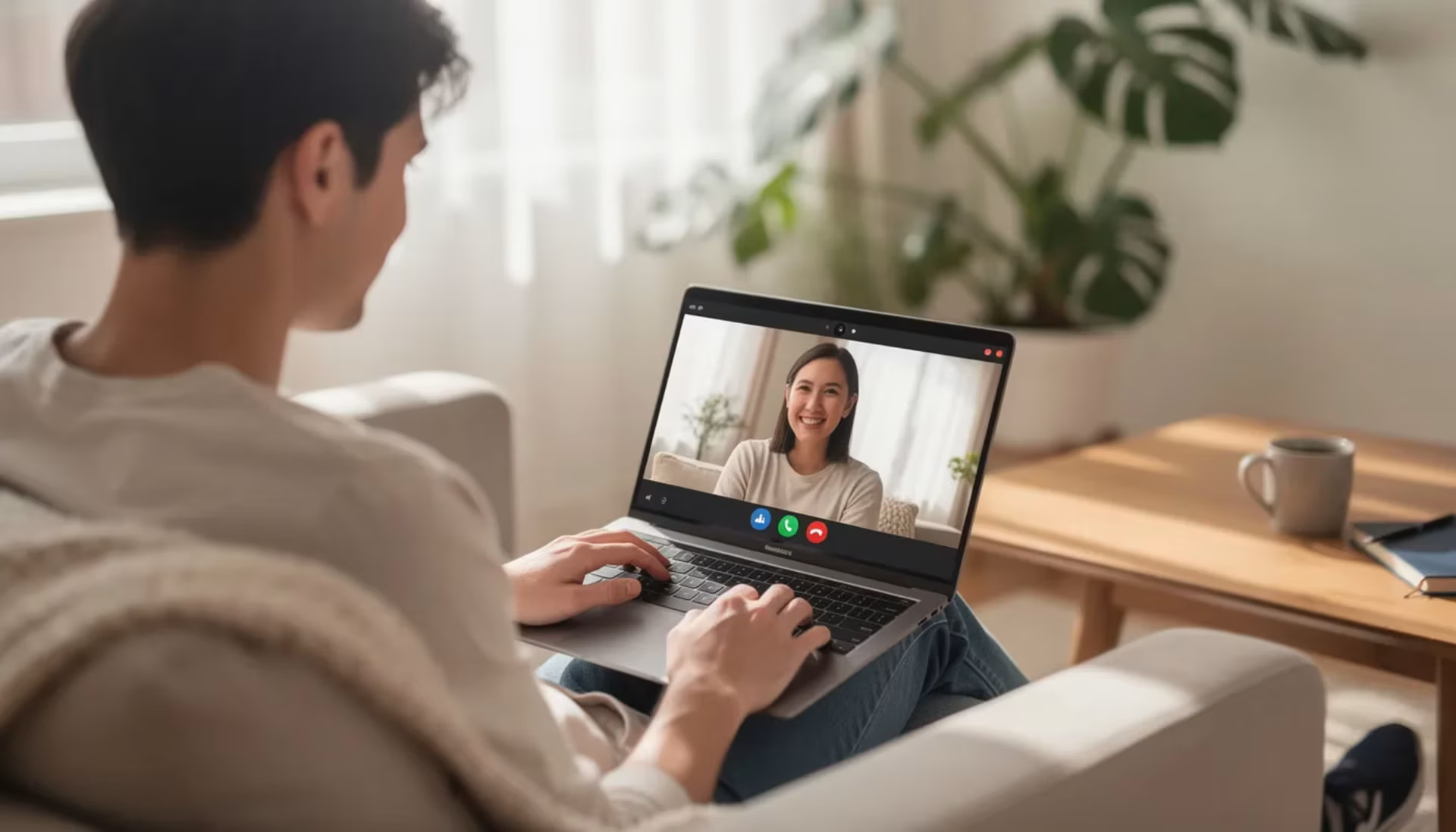
Couples therapy services are available in Los Angeles, offering both in-person and online options to address common relationship challenges faced by residents.
Understanding Couples Therapy
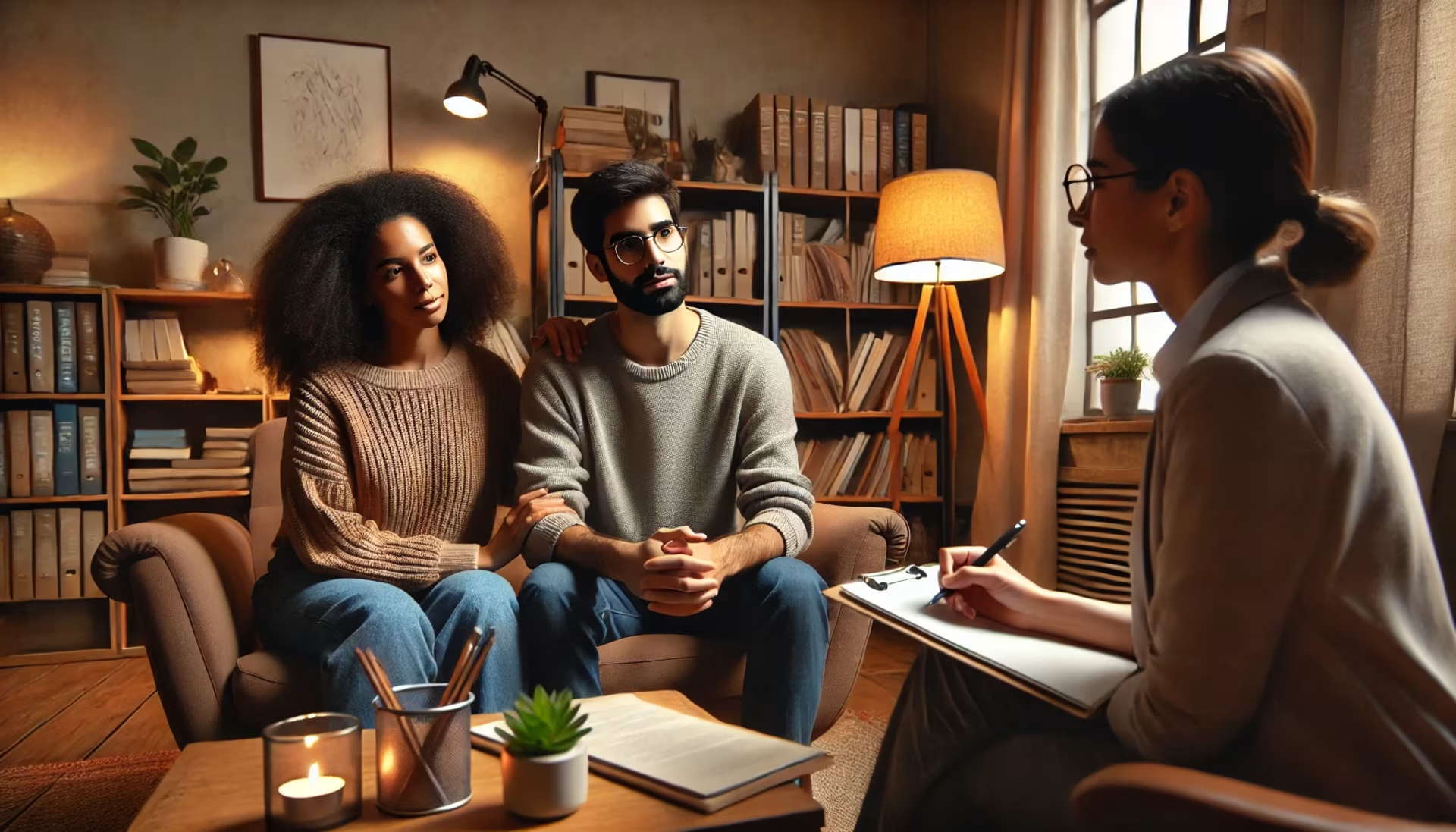
Couples therapy is a therapeutic process aimed at improving relationships by addressing various issues such as recurring conflicts, disconnection, and external stressors. At its core, couples therapy seeks to strengthen emotional bonds and intimacy between partners, fostering healthier relationships built on mutual understanding and trust. Identifying and discussing roles and expectations within the relationship allows partners to gain insight into their dynamics, fostering a more harmonious partnership. Relationship therapy can also be a valuable resource in this journey. Marriage therapy, another term for couples therapy, plays a crucial role in enhancing relationships by providing structured sessions to identify strengths and challenges.
There are several approaches utilized in couples therapy, each with its unique focus and methods. Emotionally Focused Therapy (EFT) enhances attachment and bonding between partners by addressing patterns of disconnection, helping them reconnect on a deeper level. Cognitive Behavioral Couples Therapy (CBCT) aims to identify and alter negative thought patterns that impact relationship dynamics, promoting healthier interactions. Another notable approach is Behavioral Couples Therapy, which focuses on reinforcing positive behaviors to enhance relationship stability and satisfaction. Techniques from Imago Therapy, which emphasizes understanding each other’s childhood wounds and how they affect current relationship issues, are also commonly employed.
Therapists often blend these various approaches to tailor treatment to the specific needs of the couple. This integrative approach allows for a more personalized therapy experience, addressing the unique challenges and goals of each relationship.
Whether it’s through structured programs like the Couple CARE program, which has shown improvements in relationship quality and participant satisfaction, or through a customized blend of therapies, the goal remains the same: to foster healthier, more fulfilling relationships.
Types of Couples Therapy
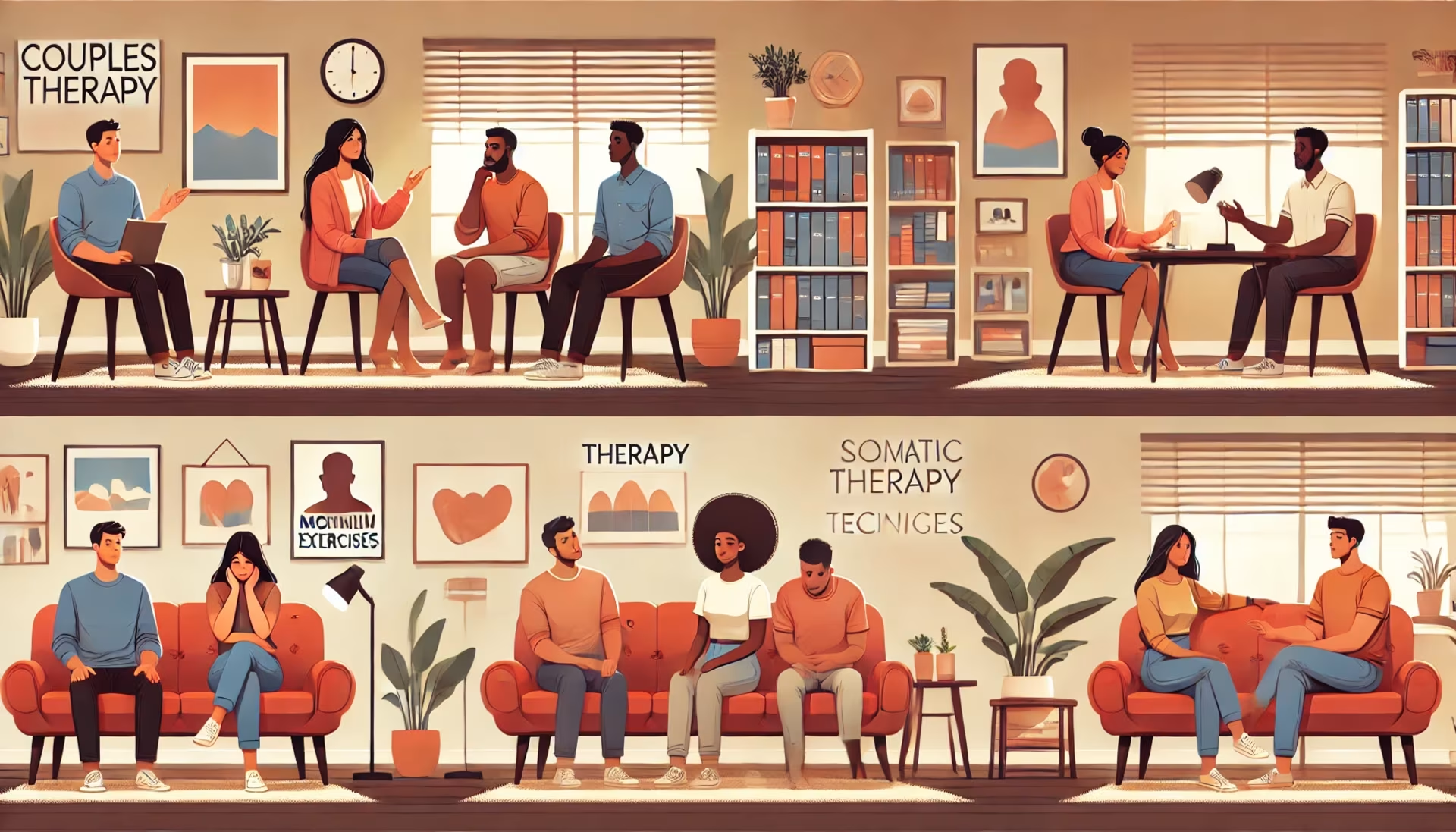
Couples therapy, also known as couples counseling, comes in various forms, each with its unique approach and focus. Understanding these different types can help you choose the best method for your relationship issues:
Emotionally Focused Therapy (EFT): This type of therapy focuses on improving emotional awareness, communication, and empathy between partners. By addressing patterns of disconnection, EFT helps couples reconnect on a deeper emotional level.
Cognitive-Behavioral Therapy (CBT): This approach helps couples identify and change negative thought patterns and behaviors that contribute to relationship issues. CBT promotes healthier interactions and long-term relationship satisfaction.
Gottman Method: This therapy focuses on building a stronger relationship by improving communication, intimacy, and conflict resolution skills. It uses research-based techniques to enhance relationship stability and satisfaction.
Imago Therapy: This approach helps couples understand and resolve unconscious conflicts and improve their communication and intimacy. By exploring childhood wounds, Imago Therapy fosters a deeper understanding of each partner’s needs. complex ptsd quiz can help you see whether old injuries are still in the mix.
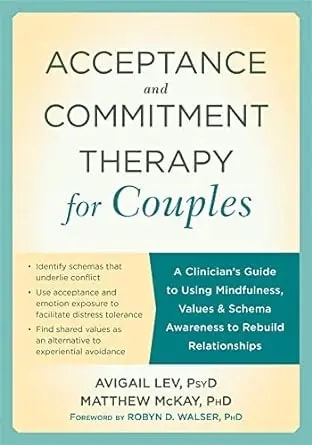
Schema Therapy for Couples: This therapy focuses on identifying and changing deeply ingrained patterns or “schemas” that negatively impact the relationship, promoting healthier interactions and understanding between partners. That includes Schema Therapy, ACT Therapy, and Integrative Behavioral Couples Therapy (IBCT). Bay Area CBT Center also offers related support, including Emotionally Focused Therapy.