Most people who learn about attachment theory walk away with a label — anxious, avoidant, disorganized, secure — and treat it like a permanent diagnosis. But attachment styles are not fixed personality traits etched into your identity at birth. They are learned relational patterns that shift in response to experience, and they can change in either direction.
A person can move from insecure attachment toward greater security. A person can also become less secure after enough painful, inconsistent, or traumatizing relationships. This article explains how, why, and what you can do about it.
Key Takeaways
- Attachment styles can change at any age. You can develop a more secure attachment style through therapy, self-awareness, and healthy relationships — but you can also become less secure after repeated betrayal, rejection, or emotional unavailability.
- Modern dating may be intensifying insecurity. Patterns like ghosting, breadcrumbing, and sudden withdrawal act as micro-traumas that can push people toward more anxious or avoidant attachment over time.
- Dormant wounds can reactivate. A person may seem secure until a retraumatizing event — such as infidelity or an unpredictable partner — awakens old attachment fears that had been lying quiet.
- Attachment is relational, not a single identity. The same person can have different attachment responses with different partners because different relationships activate different fears and defenses.
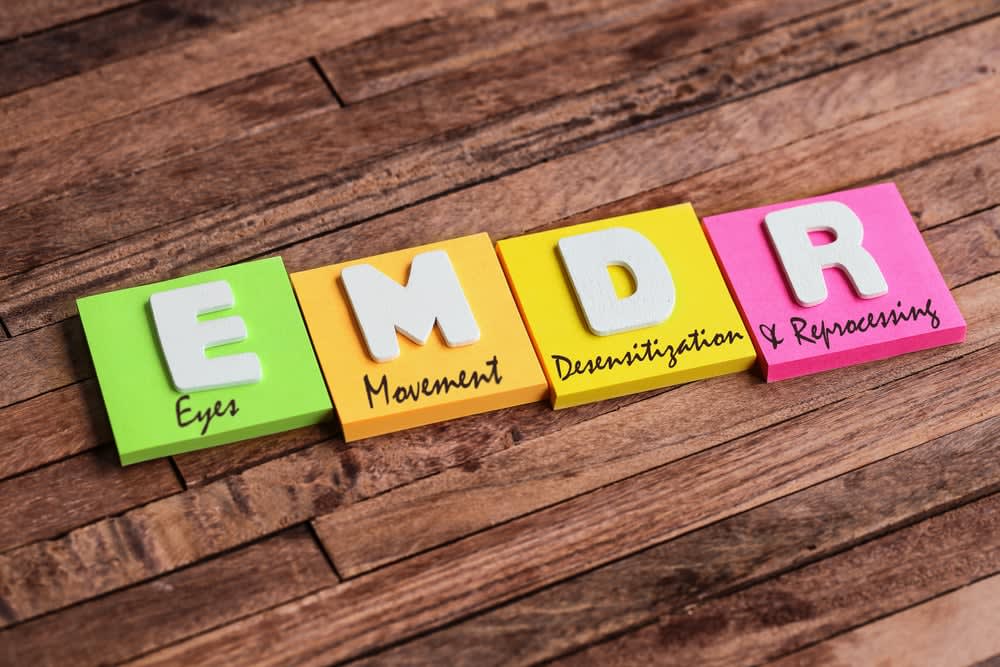
- Healing is possible. Evidence-based approaches like CBT, schema therapy, and EMDR — combined with corrective emotional experiences — can help people build lasting attachment security.
What Is an Attachment Style? (Quick Refresher)

Attachment styles are psychological frameworks that describe how we perceive and behave in close relationships. They shape how you seek closeness, respond to emotional distance, and manage fear of loss — especially in adult relationships and intimate relationships.
The concept comes from attachment theory, developed by John Bowlby and expanded by Mary Ainsworth through the strange situation procedure in the 1960s and 1970s. Attachment styles are based on early caregiver interactions between a young child and their primary caregiver, but they continue to shape relational patterns throughout adult life.
There are four main attachment styles:
- Secure attachment — comfort with emotional intimacy and independence; able to communicate needs and trust others
- Anxious attachment (anxious-preoccupied) — heightened sensitivity to rejection, strong need for closeness and constant reassurance
- Avoidant attachment (dismissive-avoidant) — preference for self-reliance, discomfort with emotional closeness, tendency to downplay needs
- Disorganized attachment (fearful-avoidant) — alternating between pursuit and withdrawal, craving connection while simultaneously fearing it
These are patterns, not diagnoses. They describe how your innate attachment system adapted to the emotional environment you grew up in — not who you are permanently.
The Four Attachment Styles in Adulthood

Adult attachment styles mirror the strategies that developed in early childhood, but they play out in romantic relationships, friendships, and other meaningful relationships. Here is what each looks like in practice.
Secure attachment style
Securely attached adults are generally comfortable with emotional connection and healthy separateness. They can manage conflict constructively, communicate needs effectively, and tolerate emotional intimacy without feeling overwhelmed. Research suggests roughly 40–60% of adults in large U.S. samples fall into this range. Secure attachment develops from responsive caregiving in infancy — a primary caregiver who was consistently attuned and available.
Anxious or anxious-preoccupied attachment style
Anxious attachment is characterized by fear of abandonment and a deep need for reassurance. People with this style tend to ruminate about relationship problems and pursue closeness intensely, often at the cost of their own self-esteem. Inconsistent caregiving — sometimes responsive, sometimes absent — leads to anxious attachment in adulthood. Anxious attachment affects an estimated 7% to 15% of infants in the U.S.
Avoidant or dismissive-avoidant attachment style
Dismissive-avoidant attachment is marked by a strong desire for independence and discomfort with closeness. Avoidant individuals often withdraw during emotional conflict and may struggle with vulnerability, preferring emotional distance and self-reliance over relational dependence.
Disorganized or fearful-avoidant attachment style
Fearful-avoidant attachment combines high anxiety and high avoidance toward intimacy. Disorganized attachment stems from childhood trauma or inconsistent caregiving — often situations where the attachment figure was simultaneously a source of comfort and fear. These individuals crave connection but simultaneously fear it.
All insecure attachment styles are better understood as survival strategies. They were adaptive responses to emotional environments that felt unpredictable or unsafe. The four styles exist on a spectrum and can evolve over time through self-awareness and supportive relationships.
Is Attachment Style Fixed, or Can It Change?
The answer is clear: yes, your attachment style can change. Changing your attachment style is possible at any age.
Attachment research since the 1990s shows that attachment patterns are moderately stable but far from rigid. A meta-analysis of early childhood attachment stability found that secure-insecure classifications correlate at about r = 0.37 across developmental intervals — meaningful, but leaving substantial room for movement. Early attachment styles can predict adult relationship behaviors, but they do not determine them.
Change goes in both directions:
- People can move from insecure attachment to secure attachment through therapy, corrective relationships, and increased self-awareness. In one study, just seven sessions of schema therapy significantly increased secure attachment scores while reducing anxious and avoidant attachment.
- People can also develop more insecurity after betrayal, infidelity, repeated rejection, or years in a relationship defined by emotional unavailability. Research by Ruvolo and colleagues found that women became less secure after breakups, while those in stable relationships became more secure.
It helps to distinguish between short-term activation of old attachment wounds — feeling more anxious during a rough patch — and deeper, longer-term shifts in your default attachment style. Both are real. Neither is permanent.
Your current attachment style describes how you learned to cope. It is not who you are forever. Self-awareness is the first step to changing attachment styles.
How Online Dating Can Reshape Your Attachment Style

Since dating apps became mainstream in the early 2010s, millions of people have been exposed to relational dynamics that did not exist at this scale before. The volume and speed of connection — and disconnection — creates a unique emotional environment.
- Ghosting, breadcrumbing, and sudden withdrawal reinforce fears of abandonment. For someone already prone to anxious attachment, each unanswered message or vanishing match confirms the belief that they are not good enough.
- Deception and inconsistency — catfishing, misrepresenting intentions, hot-and-cold texting — can push previously secure people toward insecure patterns. When you cannot predict whether someone will show up or disappear, your attachment system recalibrates accordingly.
- Avoidant patterns intensify when the dating environment rewards detachment. Endless swiping, keeping multiple options open, and moving on rather than repairing teaches people to treat connections as disposable.
- Micro-traumas accumulate. No single ghosting incident rewires your brain. But prolonged exposure to rejection, ambiguity, and emotional unavailability across hundreds of interactions can gradually shift someone’s expectations about intimacy, trust, and their own desirability.
Intense early-stage fixation is a related risk: limerence and anxious attachment often feed each other when contact is unpredictable. Online dating does not automatically cause a disorganized attachment style, but for people already carrying attachment wounds, app-based dating can activate and worsen existing fearful-avoidant patterns.
If app fatigue and repeated rejection have worn you down, our Mindful Dating in the Digital Age group is designed for exactly this — a structured space to practice slower, more intentional dating and to reality-test the stories that swiping creates.
Attachment Wounds, Dormancy, and Reactivation

Not all attachment insecurity is visible all the time. Some people carry early wounds — from neglect, inconsistent caregiving, parental divorce, or other forms of attachment trauma — that remain dormant for years.
- A person may appear relatively secure when life is stable. Their relationships feel safe. Their job is steady. Their attachment wounds are quiet.
- A retraumatizing event can change everything. Discovering infidelity. A sudden, unexplained breakup. A partner who is intermittently available and then disappears for days. These events activate the old wound rather than creating a new one.
- When reactivated, someone may suddenly feel far more anxious, avoidant, or fearful than they appeared before. They may become hypervigilant about their partner’s every move, or shut down emotionally as a form of self-protection.
Consider someone who felt calm and grounded in their previous two relationships but becomes consumed by anxiety with a partner who sends mixed signals and goes silent without explanation. The dormant abandonment wound is now wide awake.
This process is not a sign of failure. It is the nervous system’s attempt to protect against further pain. When the underlying memories stay locked in survival mode, EMDR therapy can help process them directly. Understanding the distinction between a new problem and an old wound being reactivated is essential for choosing the right path forward.
Attachment Is Relational and Contextual, Not a Fixed Identity
One of the most persistent myths about attachment styles is that your style is a single label that shows up identically in every relationship. It is not. Attachment patterns are relational: different partners activate different fears, defenses, and schemas.
- You may feel relatively secure with a consistent, emotionally available partner — someone who follows through, communicates openly, and respects your needs. That same stability may not exist with someone who is emotionally unavailable, unreliable, or avoidant.
- In the opposite direction, you may feel grounded and independent with a calm partner but increasingly avoidant and shut down with someone who is chronically intrusive, demanding, or unable to tolerate reasonable separateness.
- Attachment styles influence three key relationship processes: trust, communication under stress, and conflict resolution. How those processes play out depends heavily on the specific relational dynamic, not just your individual history.
- Needing more distance in one relationship does not define your overall attachment style as dismissive. Feeling anxious with one partner does not mean you carry an anxious attachment style across all close relationships.
Think of it this way: “How does my attachment system respond in this relationship?” is a more accurate question than “What is my attachment style, period?” That is often the most useful thing to bring into couples therapy — the dynamic, not just the individual.
How Secure vs. Anxious Attachment Interpret the Same Situation
Imagine your partner starts pulling away — slower replies, fewer plans, less warmth. Both a securely attached person and someone with an anxious attachment style will likely notice this shift and feel some distress. The difference is in the interpretation and response.
- A securely attached person might feel anxious but treat that anxiety as information about the relationship. They are more likely to think, “Something feels off — I should bring this up directly.” They initiate a conversation, assess whether the pattern can change, and are willing to leave if it does not. They question the relationship’s health rather than their own worth.
- Someone with anxious attachment is more likely to personalize the distance — and then go further, concluding they are not attractive, interesting, or lovable enough. Instead of reading their anxiety as a cue that the relationship may be inconsistent, they experience it as evidence that something is wrong with them. This often leads to over-texting, people-pleasing, ignoring red flags, and pursuing harder.
The key difference is not that secure people feel less. It is that they are less likely to automatically blame themselves for someone else’s withdrawal. If that spiral is familiar, the abandonment issues quiz is a quick way to see how strongly the pattern is running.
At Bay Area CBT Center, this is a core area of focus: helping clients reinterpret attachment anxiety as data, reality-test their assumptions, and build the capacity to step back from self-criticism rather than spiraling.
How Secure vs. Avoidant Responses Can Shift in One Relationship
The same dynamic works in reverse. A generally secure person can begin to feel and act more avoidant in a specific relationship where the other partner’s behavior is overwhelming.
- Imagine a partner who struggles to tolerate everyday separations: frequent check-ins throughout the day, distress when you want alone time, escalating conflict when you are not immediately available. Even someone who is typically comfortable with emotional closeness may start to feel crowded and controlled.
- In response, they may pull back, request firmer boundaries, and need more space. From the outside, this can look like avoidant attachment. But it is a protective response to a specific dynamic, not a permanent shift.
- The anxious-avoidant trap occurs when anxious and avoidant individuals interact, triggering each other’s vulnerabilities. One partner’s pursuit intensifies the other’s withdrawal, and vice versa. This pattern can develop even when neither person would show those extremes with a different partner.
- However, repeated experiences of partners who cannot respect boundaries can, over years, make someone more globally avoidant. They may begin to equate vulnerability with loss of freedom, developing a more entrenched dismissive pattern over time.
Gender, Culture, and Socialization in Attachment Styles
Research often finds gender differences in the expression of insecure attachment: men are somewhat more likely to display avoidant patterns, and women more likely to display anxious patterns. But these differences are shaped far more by social norms than by biology.
- Boys and men in mainstream U.S. culture are routinely taught to suppress vulnerability, prioritize independence, and distance themselves from emotional needs. This socialization feeds avoidant attachment strategies.
- Girls and women are more often rewarded for monitoring relationships, anticipating others’ needs, accommodating, and maintaining emotional closeness — which can reinforce anxious or self-sacrificing patterns and erode self-esteem over time. Gender schema theory explains how these expectations get internalized early.
- Cultural variation matters. In more collectivist or community-centered cultures, norms about dependence, caregiving, and emotional expressiveness shape how different attachment styles appear, how they are labeled, and whether they are even seen as problems.
- Intersectionality — including race, socioeconomic status, and family structure — affects the stability of early caregiving environments, which feeds directly into later relational patterns.
Recognizing that your attachment patterns developed partly in response to gendered and cultural expectations is not about excusing them. It is about understanding them accurately enough to change what is not working, without unnecessary self-blame.
What Are Schemas and How Do They Relate to Attachment Styles?
Schemas are core beliefs about ourselves, other people, and relationships that often begin forming in childhood and continue developing throughout adulthood. These deeply ingrained mental frameworks shape how we interpret experiences and respond emotionally and behaviorally in relationships.
When a schema gets activated, we engage in schema coping behaviors — patterns of thinking, feeling, and acting designed to manage the distress caused by that activated schema. Unfortunately, these coping behaviors can create self-fulfilling prophecies that reinforce the original schema.
For example, someone with an abandonment schema may fear that their partner will leave them. In response to that fear, they might seek excessive reassurance, become suspicious, blame or attack their partner, or repeatedly look for signs of rejection. These behaviors can eventually cause the partner to pull away, which then confirms the original belief: “People leave me.”
If you want to explore your own schemas, you can take the Relationship Schema Quiz to identify which schemas may be most active for you.
The Relationship Between Schemas and Attachment Styles
An attachment style can be understood as a combination of schemas and the coping behaviors we use in response to those schemas. In other words, a cluster of schemas plus a cluster of schema coping behaviors creates the pattern we recognize as an attachment style.
For instance, anxious attachment may involve schemas such as abandonment, defectiveness/shame, and emotional deprivation. Avoidant attachment may involve schemas like subjugation, unrelenting standards, and entitlement, accompanied by coping behaviors that maintain distance or self-reliance. Disorganized attachment can oscillate between anxious and avoidant patterns, reflecting a mix of schemas and coping strategies.
The most important point is that changing attachment patterns doesn’t require waiting until someone has completely transformed their underlying beliefs. Change can begin by altering the behaviors that maintain those beliefs. When people stop engaging in the coping behaviors that create self-fulfilling prophecies and start practicing new behaviors in relationships, they create new relational experiences. Over time, these experiences reshape the underlying schemas themselves.
Schema Chemistry: Why We’re Drawn to Familiar (But Unhealthy) Attachment Patterns

One of the most important concepts in schema therapy is what can be called schema chemistry — or complementary schema attraction. This is the powerful pull toward partners whose schemas and coping styles mesh with our own in familiar, often painful ways.
These pairings often include:
- Abandonment schema + emotionally avoidant partner. The avoidant partner’s distancing activates the abandonment wound. The anxiously attached partner’s pursuit reinforces the avoidant person’s need to withdraw. Each person’s coping strategy intensifies the other’s pain — the classic pursuer-distancer cycle.
- Self-sacrifice schema + entitlement schema. The self-sacrificing person is accustomed to minimizing their own needs and caretaking. The entitled partner expects their needs to come first. The pattern feels familiar to both, but it builds toward burnout and resentment.
- Failure schema + unrelenting standards schema. The person with a failure schema may initially admire the perfectionist’s competence and drive. The perfectionist assumes the role of directing and correcting. Over time, this reinforces the first person’s sense of inadequacy and the second person’s belief that they must remain in control.
This chemistry feels powerful because it is familiar — it touches an old wound and creates an unconscious hope that this time the wound will finally heal. People often confuse schema activation with compatibility, passion, or love. The relationship feels intense because it activates something deep, not necessarily because it is healthy.
One goal of therapy is helping people recognize schema chemistry, tolerate the loss of that familiar intensity, and cultivate attraction to partners who feel steady and safe rather than dramatic. Our guide to dating beyond your type walks through how to do that in practice.
From Insecure Attachment to Secure Attachment: How Change Actually Happens

Moving toward a more secure attachment style is not about becoming a different person. It is about updating the strategies you developed when those strategies no longer serve you.
Change typically involves:
- Increasing self-awareness of your triggers, insecure patterns, and the stories you tell yourself about why people leave or why closeness is dangerous
- Corrective emotional experiences in relationships where you are met with consistency, attunement, and follow-through — whether in therapy, friendships, or with a romantic partner
- Learning new skills for communication, emotional regulation, boundaries, and self-soothing
Evidence-based therapies are among the most effective pathways. Cognitive behavioral therapy helps reframe core beliefs like “I am unlovable” or “people always leave.” EMDR can process traumatic memories that keep the attachment system locked in survival mode. Schema therapy targets the early maladaptive schemas that drive insecure patterns. Somatic therapy works with the body-level activation that talk alone often cannot reach.
Practical steps include setting and maintaining boundaries, pausing instead of reacting to triggers, choosing slower-paced dating, and reducing exposure to retraumatizing dynamics such as high-volume swiping with frequent ghosting.
The therapeutic relationship itself often serves as a secure base: a consistent, attuned connection where you can practice vulnerability, test new ways of relating, and gradually update your expectations about what close relationships can be.
How Attachment Styles Can Become Less Secure Over Time
Healing is real, but so is erosion. People can move from secure attachment to more insecure patterns when they are repeatedly exposed to relational harm.
- Chronic betrayal and emotional abuse — gaslighting, stonewalling, infidelity over years — can wear down a previously secure base. If this describes your relationship, therapy for narcissistic abuse addresses the specific damage that manipulation and chronic invalidation leave behind.
- Prolonged exposure to online dating instability has left many previously secure people anticipating rejection before it happens. They either cling harder or preemptively shut down.
- Major life stressors — job loss, relocation away from social support, or the resurfacing of childhood trauma in midlife — can erode emotional regulation and reactivate insecure attachment patterns.
- Because these shifts can look like other conditions, it is worth understanding how CPTSD, BPD, and insecure attachment differ before assuming the worst.
Loss of security is not a personal failure. It is an adaptive response to repeated harm. With the right support, people can gradually rebuild attachment security even after significant damage.
Working With Attachment at Bay Area CBT Center
Bay Area CBT Center specializes in evidence-based, integrative care that combines CBT with schema therapy, EMDR, mindfulness, somatic approaches, and relationship-focused modalities — all directly relevant to moving toward greater attachment security.
- Individual therapy for the schemas and coping behaviors that keep insecure patterns in place
- Couples therapy and sex and relationship counseling for the pursuer-distancer cycle and intimacy avoidance
- Group therapy and support groups, including Mindful Dating in the Digital Age, where new relational behaviors can be practiced with real people
- Mental health retreats for individuals who want concentrated work in a short window, and couples retreats for partners ready to shift a long-standing dynamic together
- Coaching for the workplace and leadership patterns that insecure attachment often shapes
Careful therapist matching ensures clients experience a consistent, attuned therapeutic relationship — one that functions as a secure base for change. Online therapy is available across California, alongside in-person sessions in the Bay Area.
If you recognize anxious, avoidant, or disorganized patterns in your own relationships, take the therapy matching quiz or book a free consultation to explore a personalized treatment plan. Attachment security is built, not inherited — and it can start now.
FAQ: Changing Your Attachment Style
Yes. Attachment styles are learned relational patterns, not fixed traits, and research shows they are moderately stable but far from permanent. People move toward secure attachment through therapy, self-awareness, and consistent relationships, and they can also move toward more insecurity after betrayal, repeated rejection, or years with an emotionally unavailable partner. Change is possible at any age.
There is no single timeline. Some people notice meaningful shifts within a few months of focused therapy or after entering a stable relationship. One study found measurable gains in secure attachment after only seven sessions of schema therapy. Deeper change, especially with disorganized attachment or complex trauma, often unfolds over one to several years. Judge progress by concrete signs such as better boundaries, more honest communication, fewer extreme highs and lows, and improved self-compassion rather than by whether you feel fully secure.
Some people do, through self-education, journaling, more intentional dating choices, and healing friendships. A steady, responsive partner can itself be a corrective experience. Therapy tends to accelerate and deepen the change, though, and it matters most when childhood trauma, fearful-avoidant patterns, or other mental health concerns are involved. A practical approach is to combine self-help resources with deliberate relationship choices and, when possible, a clinician trained in attachment and trauma.
Yes, and this is the direction most people overlook. Chronic betrayal, gaslighting, infidelity, or years of emotional unavailability can wear down a previously secure base. Prolonged exposure to unstable online dating has a similar effect for many people. Major stressors such as job loss, relocation away from support, or childhood trauma resurfacing in midlife can also erode emotional regulation and reactivate old fears. Losing security is an adaptive response to repeated harm, not a personal failure, and it can be rebuilt.
Yes. Attachment is relational and contextual, so the same person can feel largely secure with a consistent, emotionally available partner and noticeably anxious or avoidant with someone unpredictable or intrusive. Different relationships activate different fears and defenses. A more useful question than what is my attachment style is how does my attachment system respond in this specific relationship.
It can. Ghosting, breadcrumbing, catfishing, and hot-and-cold texting act as micro-traumas. No single incident rewires anyone, but hundreds of ambiguous or rejecting interactions can gradually shift expectations about intimacy and self-worth. Apps can also reward detachment, which strengthens avoidant patterns. People already carrying attachment wounds are the most vulnerable. Slower-paced dating, limiting swiping volume, and structured support such as a mindful dating group reduce the damage.
Integrative, evidence-based approaches work best. Cognitive behavioral therapy reframes core beliefs like I am unlovable or people always leave. Schema therapy targets the early maladaptive schemas underneath insecure patterns and has direct evidence for increasing secure attachment. EMDR processes traumatic memories that keep the attachment system in survival mode. Somatic therapy addresses body-level activation that talk alone often cannot reach. The therapeutic relationship itself also functions as a secure base for practicing new ways of relating.
Look at the pattern across relationships. If the same intense reactions show up with many different partners, that points to a personal attachment pattern rooted in earlier experience. If the reactions appear mainly in one relationship marked by clear inconsistency, broken agreements, or emotional unavailability, that says more about the relationship. Tracking your emotional triggers alongside your partner's actual behavior over several weeks usually makes the difference obvious, and a therapist can help you sort out which is which.
Patterns can show up across romantic, family, and even work relationships, but they often look different depending on which schemas get activated. Many people are more secure as parents or friends and more anxious in romantic partnerships. Being anxious in dating does not mean you cannot be a securely attached caregiver. Working on attachment security in one area usually benefits the others.