The wellness industry is now valued at roughly US$6.8 trillion globally, and retreats are one of its fastest-growing segments. But not every program advertised as a healing escape actually delivers meaningful psychological care. If you are interested in more than a vacation with yoga classes and massages, you need to know what separates a genuine mental health retreat from a beautifully marketed wellness experience that cannot treat real distress. This guide breaks down what to look for, what to avoid, and how to make an informed decision before you book.
Key Takeaways
- A wellness retreat centered on relaxation, spa treatments, and fitness is not the same as a structured mental health retreat led by licensed professionals using evidence-based therapy.
- At the Bay Area CBT Center, our mental wellness retreats are facilitated by licensed psychologists and therapists-not untrained facilitators or influencers.
- Toxic positivity and gimmicky trends in the wellness field can be harmful, especially for people attending retreats during emotionally vulnerable periods.
- Evidence-based therapies such as CBT, DBT, EMDR, ACT, and schema therapy can be strategically integrated into a retreat setting for real clinical benefit.
- Before booking any retreat, ask specific questions about credentials, methods, aftercare, integration support, and crisis protocols.
What Is a Wellness Retreat vs. a Mental Health Retreat?
Wellness retreats are immersive programs designed to improve mental, physical, and emotional well-being. They differ from traditional vacations by focusing on holistic health rather than just relaxation. A typical wellness retreat might include yoga, fitness classes, educational workshops, guided meditation, nature immersion, and stress management workshops at a scenic resort. At the Bay Area CBT Center, we offer personalized wellness and health retreats designed to meet your unique needs. Our retreats emphasize evidence-based therapies, mindfulness practices, and structured, guided activities led by licensed professionals. We focus on creating a safe, supportive environment where you can indulge in therapeutic experiences that promote mental clarity, emotional healing, and overall well-being.
Typical benefits of wellness retreats include stress reduction, mental clarity, and physical rejuvenation. Activities at wellness retreats often include mindfulness, meditation, nutrition workshops, and fitness. These programs can be restorative. But they are not automatically therapy.
A mental health retreat is a clinically guided program that integrates licensed mental health professionals, structured therapy sessions, psychological assessment, and clear treatment goals. It is designed to address specific conditions-anxiety, depression, trauma, emotional dysregulation-using methods that have research behind them. A few yoga classes, sound baths, or breathwork circles should not be marketed as substitutes for evidence-based mental health care. If you are struggling with something clinical, the distinction matters.

The Problem with Trendy Wellness Retreats and Toxic Positivity
Imagine this: you are burned out, going through a divorce, or grieving a loss. You book what looks like a healing retreat. You arrive and discover positivity circles, high-vibe language, pressure to express gratitude on command, and facilitators who insist you just need to "let go and trust the process." No one asks about your history. No one has a license. There is no crisis plan.
This is the problem with toxic positivity in the wellness space. A 2026 scoping review conceptualizes toxic positivity as an overgeneralized, socially enforced norm pushing people to always feel good-dismissing negative emotions and leading to emotional suppression. In retreat settings, it shows up as shame for being stuck, forced breakthroughs, and marketing that promises miraculous healing without effort. When people attend retreats during a crisis or major life transition, this approach can cause real harm.
Evidence-based approaches do the opposite. They validate emotional pain, make room for difficult feelings, and focus on acceptance and behavior change rather than avoidance. The wellness field has become increasingly commercialized, and the hustle of influencers and untrained facilitators offering intense emotional experiences without clinical grounding has left many people worse off than when they arrived.

Core Components of a Safe, Evidence-Based Mental Health Retreat
Not all retreats are created equal. A clinically sound mental health retreat should include the following components:
- Pre-retreat screening: Psychological history, risk assessment for suicidal ideation or psychosis, medication review, and an honest evaluation of whether a retreat format is appropriate for the participant.
- Clearly defined treatment goals: Transparent about what can and cannot be addressed. Not marketing vague "energy clearing" or "awakening."
- Licensed professionals on-site: Licensed psychologists, licensed clinical social workers, or licensed therapists who are clinically responsible for participant care.
- Structured therapy: Many retreats offer group or individual therapy sessions. A quality program includes both, along with psychoeducation and skill-building. Structured programs at retreats often include expert-led workshops and daily practices.
- Psychological safety: Clear group agreements, confidentiality expectations, explicit permission to pass or opt out, and no pressure to disclose trauma. Facilitators should recognize dissociation, overwhelm, or crisis and have protocols to respond.
Wellness retreats can support personal healing and transformation through community and shared experiences, but that community must be held within a safe clinical framework. At the Bay Area CBT Center, our mental health retreats are designed and led by licensed psychologists and therapists who specialize in anxiety, depression, trauma and PTSD, OCD, relationship issues, and emotional dysregulation.
Therapies and Methods Used in Mental Wellness Retreats
A meaningful mental wellness retreat blends modalities strategically rather than stacking trendy practices for marketing appeal. Here are the evidence-based therapies that high-quality retreats may use:
- Cognitive Behavioral Therapy (CBT): Workshops on identifying distorted thought patterns, core beliefs, and behavioral activation. Directly addresses anxiety and depression.
- Dialectical Behavior Therapy (DBT): Skills groups on emotion regulation, distress tolerance, and interpersonal effectiveness. A recent study of a DBT-informed Zen retreat showed depression reduction (d≈0.55) and stress reduction (d≈0.92).
- Acceptance and Commitment Therapy (ACT): Exercises in values clarification, acceptance, defusion from unhelpful thoughts, and committed action.
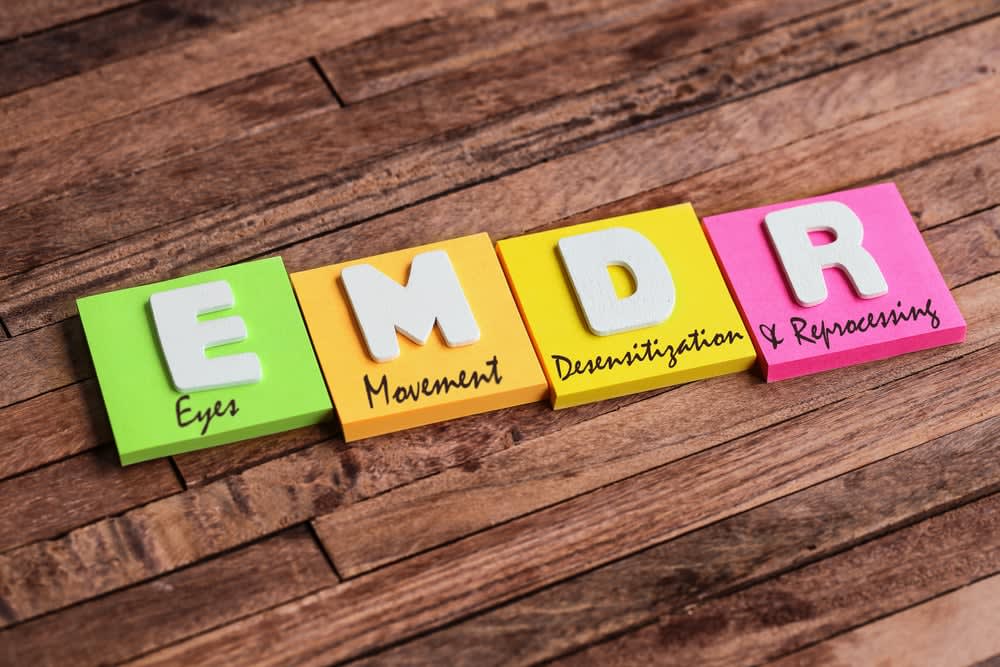
- EMDR: Therapist-led trauma processing that requires strong clinical oversight and screening.
- Schema therapy: Addresses long-standing emotional patterns and relational dynamics through experiential and relational work.
Therapies address issues like anxiety, stress, and depression. Retreats often include mindfulness and meditation classes as supportive practices. Mindfulness practices contribute to emotional resilience and stress reduction in retreat settings-a meta-analysis found effect sizes of Hedge's g ~0.45–0.49 for meditation retreats compared to controls. Holistic retreats combine traditional and modern therapy techniques, but it is essential to distinguish supportive wellness activities (sound baths, journaling, art) from formal mental health treatment. Both can be valuable, but they do different jobs.

The Role of Professional Credentials and Clinical Oversight
Because retreats are immersive and emotionally intense, who runs them matters as much as what they offer. Here is a quick breakdown:
| Credential | What It Means |
|---|---|
| Licensed Psychologist (PhD, PsyD) | Doctoral-level training in diagnosis, therapy, psychological assessment |
| LMFT | Licensed Marriage and Family Therapist-specializes in relational systems |
| LCSW | Licensed Clinical Social Worker-trained in clinical casework and therapy |
| Psychiatrist (MD) | Medical doctor who can prescribe medication and manage psychiatric conditions |
| Coach or Healer | May have certifications but is not a licensed mental health provider |
Before booking, verify professional licenses, ask about supervision and clinical oversight, and confirm there is an ethical framework guiding the retreat. At Bay Area CBT Center, all mental health retreats are led or supervised by licensed psychologists and therapists trained in CBT, DBT, EMDR, schema therapy, and other evidence-based approaches.
Questions to ask before booking:
- Who is in charge of clinical decisions?
- Who handles crises if someone becomes suicidal, psychotic, or heavily destabilized?
- What is the therapist-to-participant ratio?
- Is there a clear referral pathway if someone needs more support than the retreat can provide?
Psychological Safety, Boundaries, and Informed Consent
A wellness retreat can quickly become unsafe if participants are pushed to "open up" without safeguards. Psychological safety means you can say yes or no, share or stay quiet, and express your experience without being punished, shamed, or coerced.
A responsible retreat should never pressure disclosure of trauma, promise guaranteed breakthroughs, or suggest that extreme distress is proof of healing. Informed consent in retreats means clear explanations of the schedule, methods, possible emotional risks, confidentiality limits, and what kind of support is available during and after the program.
At the Bay Area CBT Center, retreat participants are encouraged to pace themselves, opt out of exercises when needed, and collaborate with facilitators to stay within their window of tolerance. The goal is not to force intense catharsis-it is to build skills and self-awareness in a calm, contained environment that functions as a haven for real growth.
Integration: Turning Retreat Insights into Real-Life Change
The "after" of a retreat matters more than the dramatic experiences during the weekend itself. A systematic review of residential retreats found that programs with follow-up components-booster sessions, telephone check-ins, continuing support-produced more sustainable outcomes than those that sent participants home with nothing.
Participants in wellness retreats often engage in personal reflection and goal-setting activities, and participants of wellness retreats often experience improved lifestyle habits that can persist after the retreat. But those habits need reinforcement. Meaningful integration looks like:
- Concrete action plans and practice assignments
- Follow-up sessions (online or in person)
- Tools for communicating changes to partners, families, or coworkers
- Translating insights into shifts in habits, boundaries, self-care routines, and relationship patterns
Bay Area CBT Center's retreats are designed with integration in mind-structured debriefs, optional ongoing therapy, coaching, online therapy, and support groups help sustain changes once participants are back home. The goal is not to feel blissful for three days. It is to gain skills that support long-term emotional health and values-based living.
How to Evaluate and Choose a Wellness or Mental Health Retreat
Before putting down a deposit, use this checklist:
- Identify your wellness goals before choosing a retreat-stress management, burnout recovery, relationship healing, trauma work, anxiety or depression support, life transitions, or simply rest and rejuvenation.
- Consider the location of the retreat for your preferences. Some people need an escape to nature; others prefer access to a city. A range of options exists across the country.
- Check the retreat's specialties to match your needs. Retreats typically focus on health-related goals such as stress management, fitness, and emotional healing. Make sure the focus aligns with what you actually need.
- Evaluate credentials and methods. Look for licensed professionals, evidence-based modalities, pre-retreat screening, and a crisis plan. If the website only lists yoga, meditation, and vague "healing," it is likely a wellness retreat, not a mental health retreat.
- Read reviews to gain insights from past guests. Look for specifics about the therapeutic content, not just the amenities.
- Booking early is recommended during peak seasons, especially for smaller, clinician-led programs.
Be wary of red flags: grandiose promises ("heal your trauma in one weekend"), no crisis plan, no mention of therapist qualifications, or programs that label standard wellness retreats as intensive "therapy" without clinical backing.
For reference, well-known wellness retreats include Chenot Palace Weggis, which offers three signature wellness programs; The Ranch Hudson Valley, which focuses on weight loss and detoxification; the Himalayan Institute, which offers a three-day "Restoring Ojas" retreat; and Zulal Wellness Resort, which integrates traditional Arabic medicine with modern health approaches. Florida healing retreats provide personalized wellness assessments, and retreats provide personalized wellness assessments for guests more broadly. These are excellent wellness experiences-but if you need clinical mental health care, make sure the program you choose is built for that.
Those residing in California who want a clinically grounded retreat experience can explore Bay Area CBT Center's mental health retreats.
Examples of Wellness Practices That Support (But Don't Replace) Therapy
Many wellness retreat activities can be genuinely helpful when framed appropriately. Morning yoga in a redwood grove, guided meditation by the ocean, or guided hikes through mountain trails all support nervous system regulation and offer guests access to nature through hiking and biking trails. A digital detox is often encouraged in wellness retreats to reduce modern stressors, helping people unwind and escape the bustle of daily life.

Nutrition education is a common component of wellness retreats, often featuring plant-based meals. Healthy meals are often prepared with fresh, local ingredients. Retreats often include spa treatments like massages and hydrotherapy, and some programs offer saunas, acupuncture, or even hydrotherapy as ways to rejuvenate the body. Some retreats focus on specific therapies like Ayurveda. These practices can enhance physical well being, boost immunity, and help people discover a sense of calm-a sanctuary from the noise.
But here is the line you should not miss: while these practices reduce stress and enhance wellbeing, they should not be sold as stand-alone treatments for serious conditions like PTSD, severe depression, OCD, or bipolar disorder. Think of them as tools in a broader toolkit-most effective when integrated with evidence-based therapy, especially for those in significant psychological distress. The luxury of a beautiful resort or the indulgence of a spa day can help you simply relax, but relaxation is not recovery.
Bay Area CBT Center's Approach to Mental Health and Wellness Retreats
At the Bay Area CBT Center, our retreats are evidence-based mental wellness retreats designed for adults in California seeking real psychological change-not just a break from the daily grind. Our clinical orientation includes Cognitive Behavioral Therapy, Acceptance and Commitment Therapy, DBT skills, EMDR for trauma and PTSD, schema therapy, mindfulness-based approaches, somatic therapy, and interpersonal process work.
Our retreats are planned and facilitated by licensed psychologists and licensed therapists. We distinguish between wellness activities and therapy, using tools like mindfulness, movement, breathwork, and nature-based exercises in a way that supports rather than replaces psychological treatment. We also offer integration with ongoing individual or couples therapy, support groups, and executive coaching for those who want longer-term support. The perfect retreat is one that treats your wellbeing with the same seriousness a good clinician would-and that is exactly what we aim to provide on your wellness journey.
Depending on your goals, that might mean a wellness retreat, a clinician-led mental health retreat, or a more specific format such as a yoga retreat, a meditation retreat, a women's retreat, or a couples retreat. Browse current dates on our retreats page.
Importantly, our retreats are not about forcing you to feel happy, high-energy, or "healed." They are about helping you build the skills and awareness to navigate your real life with greater flexibility, resilience, and clarity. The retreat experience is a starting point, not an endpoint.
FAQ: Wellness and Health Retreats
For mild stress or general burnout, a well-run wellness retreat can be supportive-meditation sessions, yoga classes, nature immersion, and nutrition workshops all contribute to wellbeing. But for ongoing anxiety, depression, trauma, or suicidal thoughts, you should seek evidence-based therapy or a structured mental health retreat led by licensed professionals. Do not treat a spa vacation as a substitute for clinical care.
Look for clear information about therapist licenses, specific evidence-based modalities (CBT, DBT, EMDR), pre-retreat screening, and a crisis plan. If the website only lists yoga, meditation, sound baths, and vague "healing" language, it is likely a wellness retreat rather than a true mental health retreat. Check whether the retreats focus on measurable therapeutic outcomes or general relaxation.
A safe retreat should normalize opting out, taking breaks, and speaking privately with a facilitator. At Bay Area CBT Center, staff are trained to recognize overwhelm and help participants ground, regulate, or adjust their level of participation. No one should be shamed for needing a rest or stepping back from a group exercise.
Many people benefit from combining ongoing therapy with a mental wellness retreat. Coordinate with your current therapist before and after the retreat to align goals and support integration of new skills. This collaboration often makes the retreat more effective and the transition home smoother.
Retreats can range from intensive weekend formats (two to three days) to week-long programs. Bay Area CBT Center offers seasonal retreat formats-check our retreats page for current scheduling and availability. Shorter retreats can be effective but typically benefit from stronger follow-up and aftercare to maintain gains over time.
If you are a California resident with a PPO plan, some retreat packages may be reimbursable under out-of-network benefits. We provide a superbill upon request. Insurance reimbursement is currently available for California residents only. Contact us to check your eligibility.