Trauma-focused CBT
Notice the beliefs a traumatic event left behind and test them in real San Diego situations, not only in the session.
Evidence-based care for traumatic stress
PTSD treatment in San Diego helps you get your life back when trauma is still running your sleep, your body, and your relationships.
If post traumatic stress disorder is hijacking your nights, making you dread the commute on the 5 or the 805, or pulling you out of conversations with people you love, you deserve treatment that targets what trauma changed, not only a list of coping skills. Bay Area CBT Center provides that care online for adults across San Diego County.
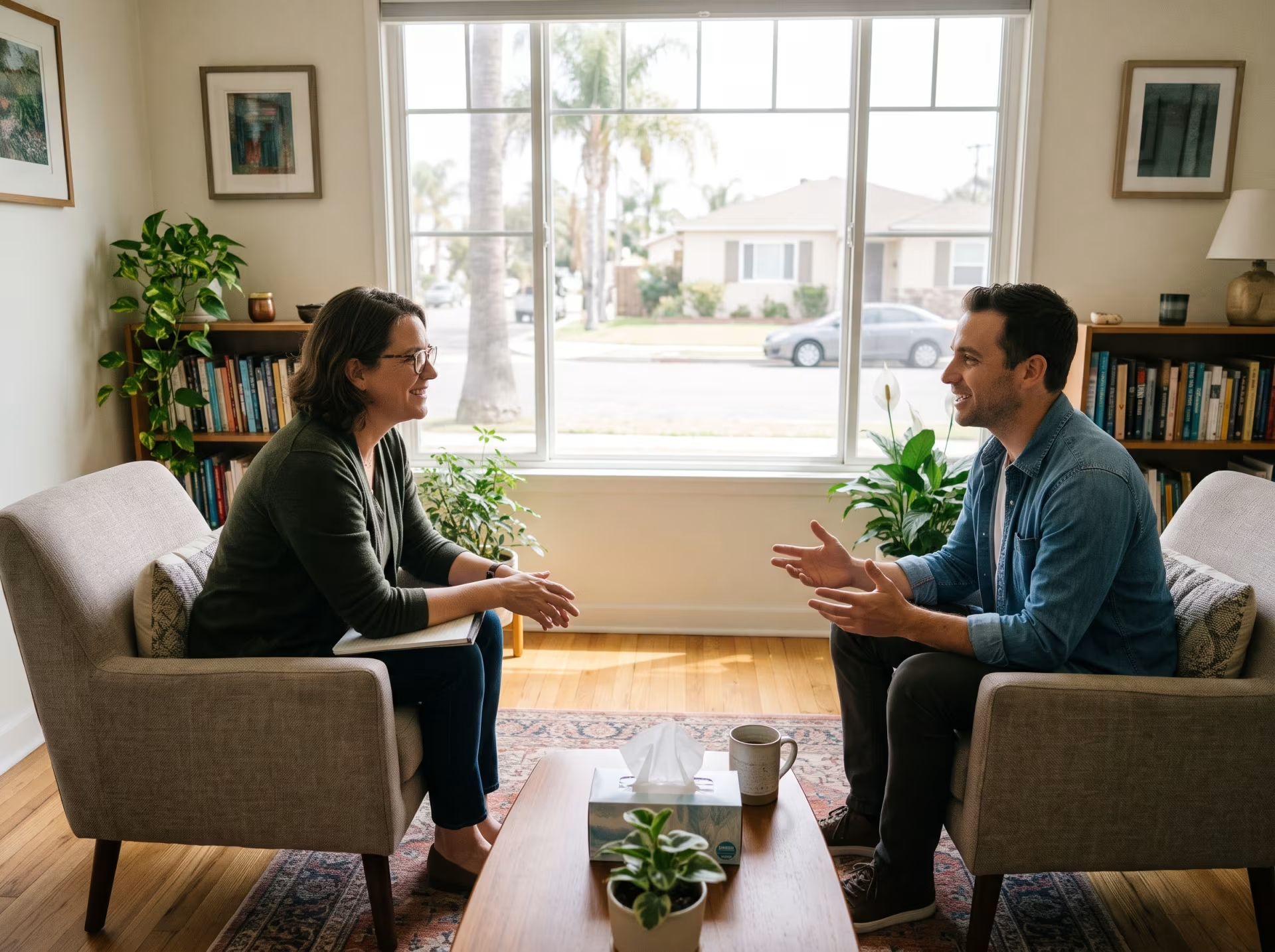


Trauma is defined by its impact, not by whether the event seems bad enough. A single accident can reshape a sense of safety. So can years of neglect, relational trauma, or repeated exposure to other people's crises. Complex trauma is just as real and just as treatable.
Start with a free consultConditions we specialize in
PTSD treatment in San Diego is for trauma that is still running your days. One event, or many. We work with that, whether you have a name for it or you just know your body still thinks it is happening.
What you can expect
We work the trauma that is still running your days, and what you want your life to be about instead. Here is what that gives you.
We are a specialist, evidence-based trauma and PTSD practice serving San Diego through secure telehealth. Our San Diego trauma therapists are licensed in California and work with the people who make this city what it is: veterans and military families, healthcare workers, tech professionals, graduate students at UCSD, SDSU, and USD, and adults in life transitions of all kinds.
Our clinicians have advanced training in CBT, Prolonged Exposure, ACT, schema therapy, somatic practices, and compassion-focused therapy. These are the approaches the VA/DoD Clinical Practice Guidelines and the American Psychological Association recommend as first-line care for traumatic stress disorder.

Some adults arrive knowing they have post traumatic stress disorder. Others come because sleep is shattered, relationships keep breaking, or daily life feels unbearable, and they have not connected it to what happened years ago. You do not need a formal diagnosis to start trauma treatment. Many clients find us after years of therapy that never directly targeted trauma memories, body responses, and core beliefs.
Our integrative approach treats the whole person. Difficult thoughts, emotions, body sensations, urges, relationships, and values. Not a diagnosis checklist. PTSD rarely stays in its lane. It reshapes daily functioning and your sense of who you are.
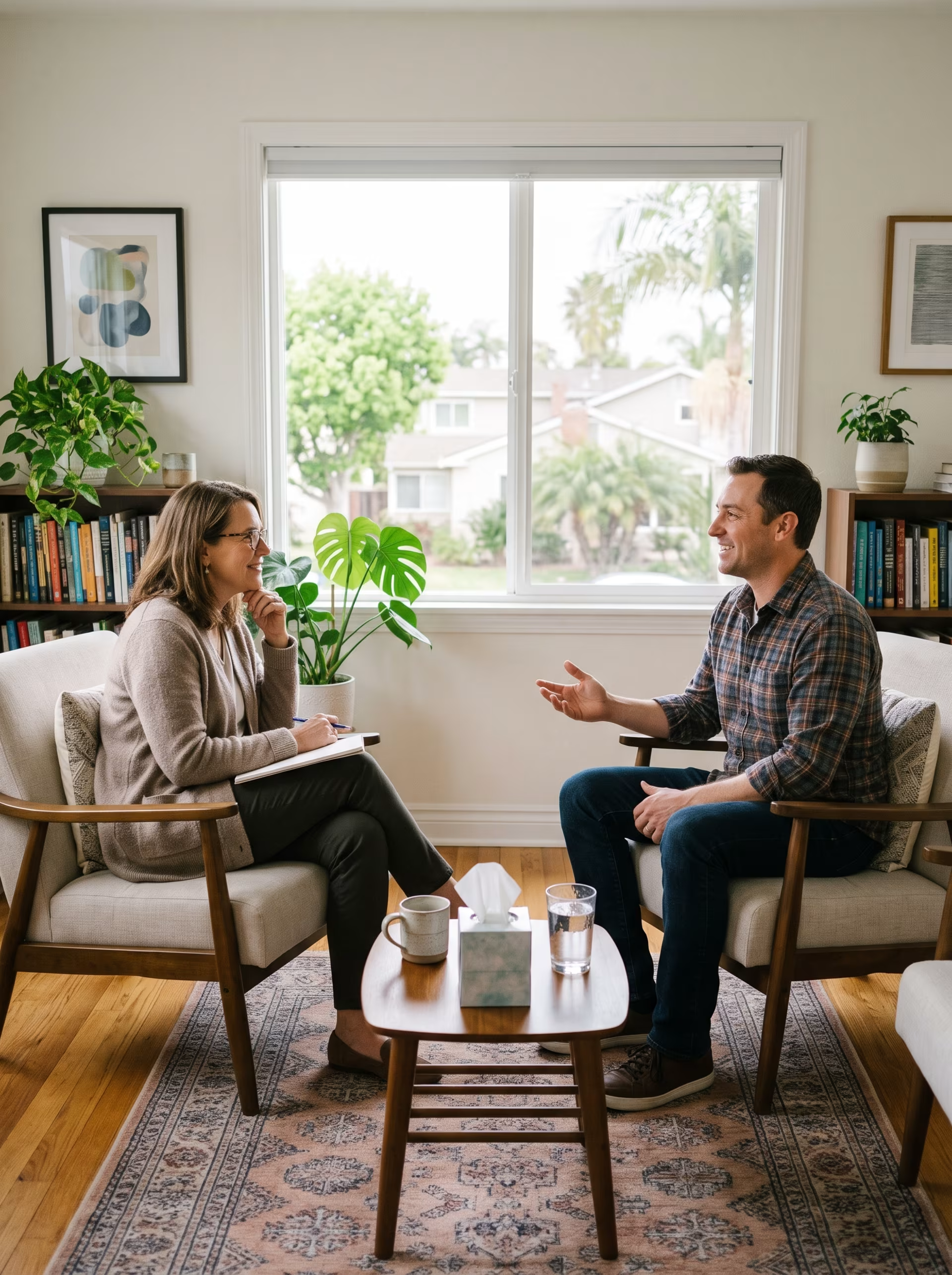 Evidence-led. Whole-person care.
Anyone struggling with the impact of traumatic experiences is welcome. You do not have to decide alone whether it counts.
Roughly 20,000 San Diego veterans received care for PTSD between 2010 and 2022, and about 12 percent of veterans in San Diego are diagnosed with some form of PTSD. Symptoms must last at least a month for a clinical diagnosis, but the impact can shape a life for years before anyone names it.

These patterns are signs that trauma is still active in your nervous system, your thinking, and your body. They respond to the right treatment.
Flashbacks, nightmares, and intrusive memories that replay when you do not want them to
Hypervigilance and heightened anxiety, scanning every room or parking lot for danger
Emotional numbness, reduced interest, or feeling disconnected from your body
Avoidance of freeways, beaches, neighborhoods, medical settings, or relationships
Shame, self-blame, and beliefs like "It was my fault" or "I can't trust anyone"
Relationship distress: unsafe partners, people-pleasing, or pushing loved ones away
A constant startle, poor sleep, and the feeling of being on guard all day
Life organized around fear instead of the people and activities that matter
PTSD symptoms are not a character flaw. They are what the nervous system learned. Trauma therapy in San Diego is for changing that learning, not for proving the trauma was bad enough.
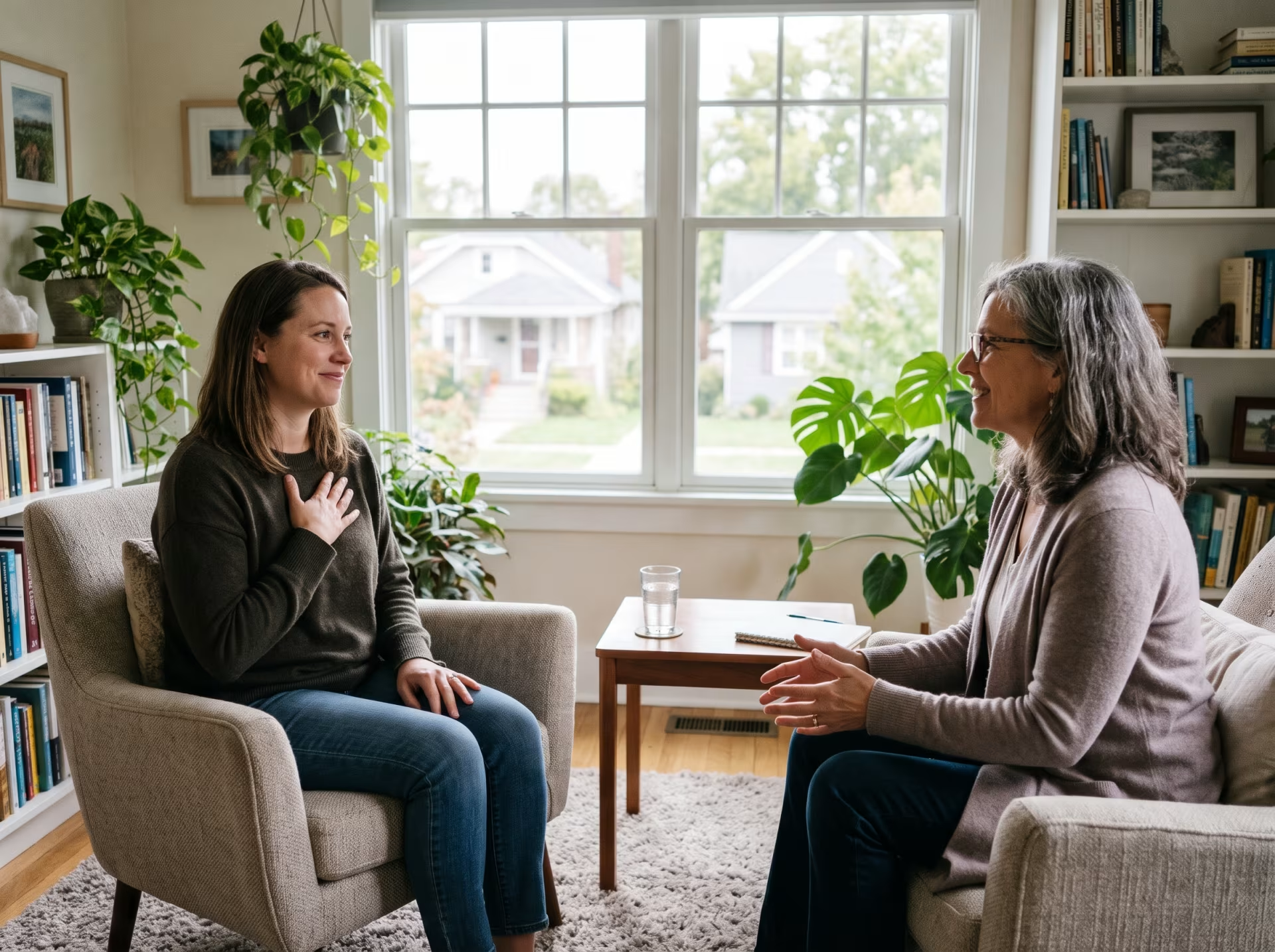
We do not spend months on stabilization before the work that actually changes PTSD. Once there is enough safety and a working alliance, we move into trauma focused treatment. Avoidance keeps PTSD going. Approaching the memories, reminders, and situations you have been avoiding is what reduces their power.
We start trauma processing sooner. Research is clear that coping skills alone do not finish the job. Skills training matters, and it is not a holding pattern. We teach grounding, then move into Prolonged Exposure or other trauma work rather than delaying indefinitely.
We treat avoidance as the engine of PTSD. Every skipped route, canceled plan, or numb evening makes the disorder stronger. Therapy helps you re-enter the parts of life you have lost: work, parenting, creative projects, being near the water.
Cognitive behavioral therapy for PTSD helps you notice the beliefs trauma left behind. "I'm not safe." "I should have stopped it." "I'm weak." "I can't trust anyone." You test those beliefs against real life instead of treating them as facts. Trauma-focused CBT is recommended for treating PTSD by the VA/DoD and the APA.

There is no single script for every person. Your clinician chooses evidence based modalities that fit the trauma work in front of you, then tells you why.
Notice the beliefs a traumatic event left behind and test them in real San Diego situations, not only in the session.
Revisit memories in session and return, step by step, to safe places you have been avoiding. Memories are not dangerous in themselves.
Trauma lives in the body. Stay with a tight chest, numbness, a racing heart, or the urge to run, instead of fighting the sensation or shutting down.
Shame and self-blame keep the threat system loud. Build a kinder, steadier inner voice without minimizing what happened.
Trauma works like sunglasses. See mistrust, abandonment, defectiveness, and subjugation, and stop recreating them in relationships.
Make room for painful feelings, step back from trauma-driven thoughts, and move toward what matters. You are more than what happened to you.
We can time psychotherapy around ketamine treatment you receive from a San Diego prescriber. The medicine is not the treatment by itself.
Eye movement desensitization is a first-line option. If you want EMDR specifically, we will match you through our San Diego EMDR page.
Pacing, choice, and a supportive environment come first. Trauma informed care still aims at the memories and patterns, not only at coping.
The goal is not a life spent managing symptoms. It is daily functioning guided by parenting, work, creativity, and connection.
Every service below is available online for adults physically in California during the session, including all of San Diego County. No commute, no waiting room, no afternoon lost to traffic.
Explore your options San Diego · online across California
Neglect, abuse, family violence, and many smaller wounds that added up. A big impact is a big trauma, even when no single event looks dramatic on paper.
Assault, stalking, betrayal, and the relationship patterns that followed: mistrust, people-pleasing, or leaving before you can be left.
Medical trauma, birth trauma, chronic illness, and chronic pain that keep the body in a threat state long after the hospital stay.
Healthcare workers, first responders, and San Diego's military community. We coordinate with psychiatry when medication belongs in the plan.
Crashes, wildfires, earthquakes, and the hypervigilance that makes ordinary driving or a crowded place feel unsafe.
Sudden grief, community violence, and the cumulative weight of living through one crisis after another.
Prolonged Exposure uses imaginal exposure, revisiting the trauma memory in detail with your therapist, and in vivo exposure, a gradual return to safe places and activities. We do not require months of coping skills only before exposure. Dissociation is monitored inside the work.
Somatic practices restore a sense of choice in the body: grounding, paced breathing, and a hand on the heart with eyes open. Compassion-focused therapy is for shame and the inner critic. Schema therapy and schema-focused work, with ACT, help daily choices stop orbiting the trauma.
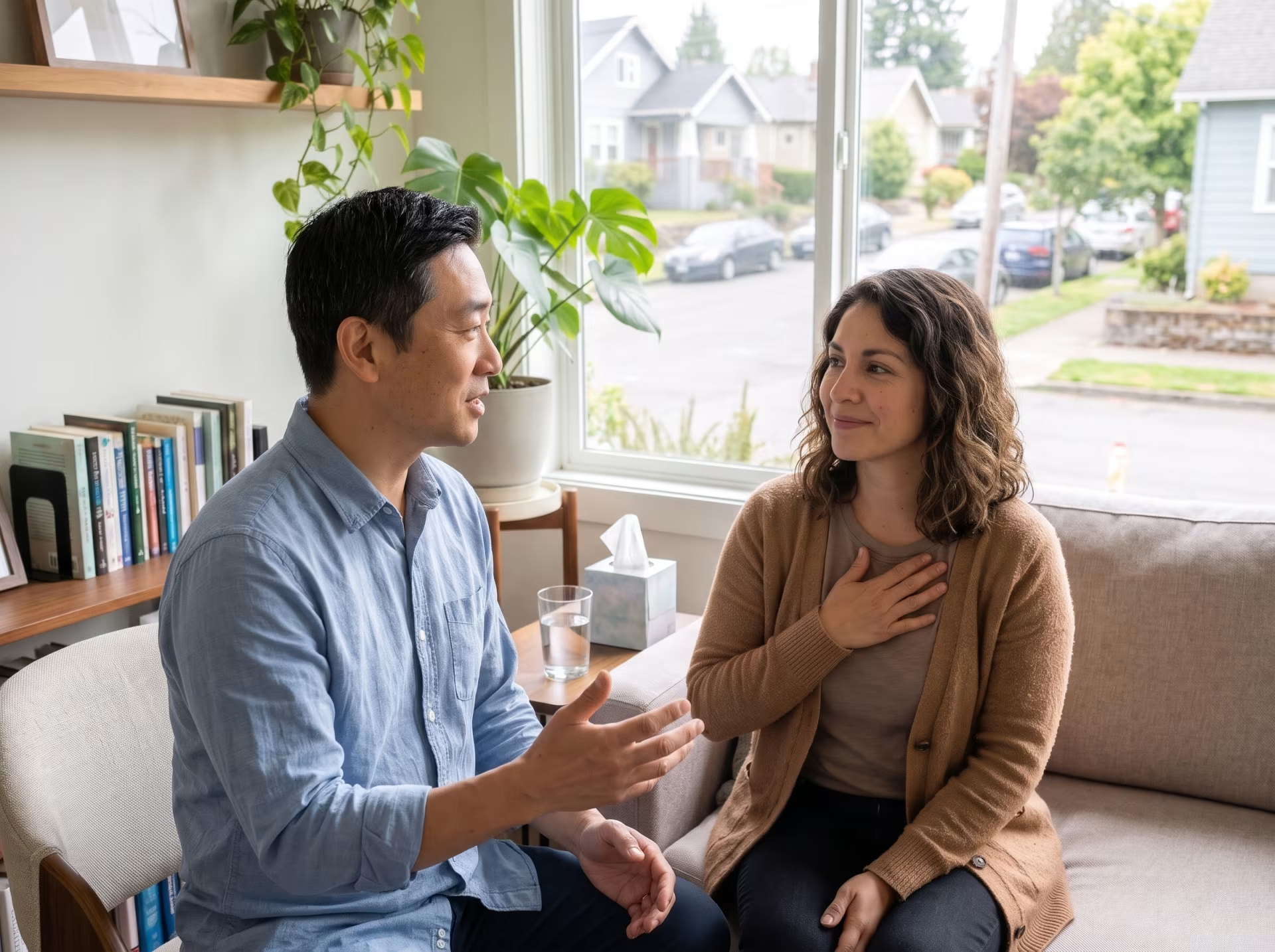
Some people want a more immersive stretch of trauma work, or a place to practice skills with other adults. Ask which options are open and clinically appropriate. We are an outpatient practice, not a residential PTSD program.

A mental health retreat offers dedicated time for trauma-focused work, with a plan built around your goals rather than a fixed itinerary. It is a good fit when weekly sessions are not enough pace and a hospital program is more than you need.

Groups are a place to practice emotional regulation, schema awareness, and clearer communication. They support individual trauma therapy. They do not replace it.
Ask about upcoming groupsSan Diego trauma therapists work with residents who come to us because the therapy is trauma focused, not only trauma informed, and because you can start from home. Personalized matching, California-licensed clinicians, and an active process you can explain to a friend.
Find your trauma therapistMatching considers your trauma history, preferences, and the approach you actually want.
Sessions connect insight to exposure, cognitive work, somatic practice, and real-life experiments.
Secure online appointments anywhere you are in California, including every corner of San Diego County.
Timelines depend on the traumatic experiences, dissociation, co-occurring mental health conditions, and current life circumstances. You and your therapist set the pace. Once the acute trauma crisis has eased, some people continue with the next chapter of trauma PTSD recovery.


San Diego PTSD therapy is secure video. You can join from North Park, La Jolla, Chula Vista, Oceanside, or anywhere in California. We do not have a San Diego office. In-person care, when available, is at our San Francisco and Oakland offices.
A quiet room and a steady connection are enough. If medication would help, we coordinate with a local San Diego prescriber. We do not prescribe.
Downtown, Hillcrest, North Park, South Park, Mission Valley, University Heights
La Jolla, Pacific Beach, Ocean Beach, Point Loma, Del Mar, Solana Beach, Encinitas, Carlsbad, Oceanside
Chula Vista, National City, Imperial Beach, Bonita, El Cajon, La Mesa, Santee, Lakeside, Escondido, San Marcos, Vista, Poway, Rancho Bernardo
Here is what happens when you reach out. You do not need the whole story organized before the first call.
A free, confidential phone or video consult covers symptoms, trauma history in broad strokes, scheduling, and preferences such as therapist style or cultural fit. Finding the right San Diego trauma therapist is about specialty and personal fit.
We connect you with a trauma therapist experienced in PTSD who is licensed to see clients anywhere in California, including every part of San Diego County.
The first one or two sessions map trauma history, PTSD symptoms, dissociation, safety, and strengths. Together you choose Prolonged Exposure, trauma-focused CBT, schema-focused work, ACT, a somatic emphasis, or an integrated plan.
Weekly or twice-weekly video sessions. Exposures, cognitive work, somatic awareness, compassion practice. Between sessions you might listen to a recording, visit one avoided place, or try a relational experiment. Then we consolidate gains and plan for the next stressor.
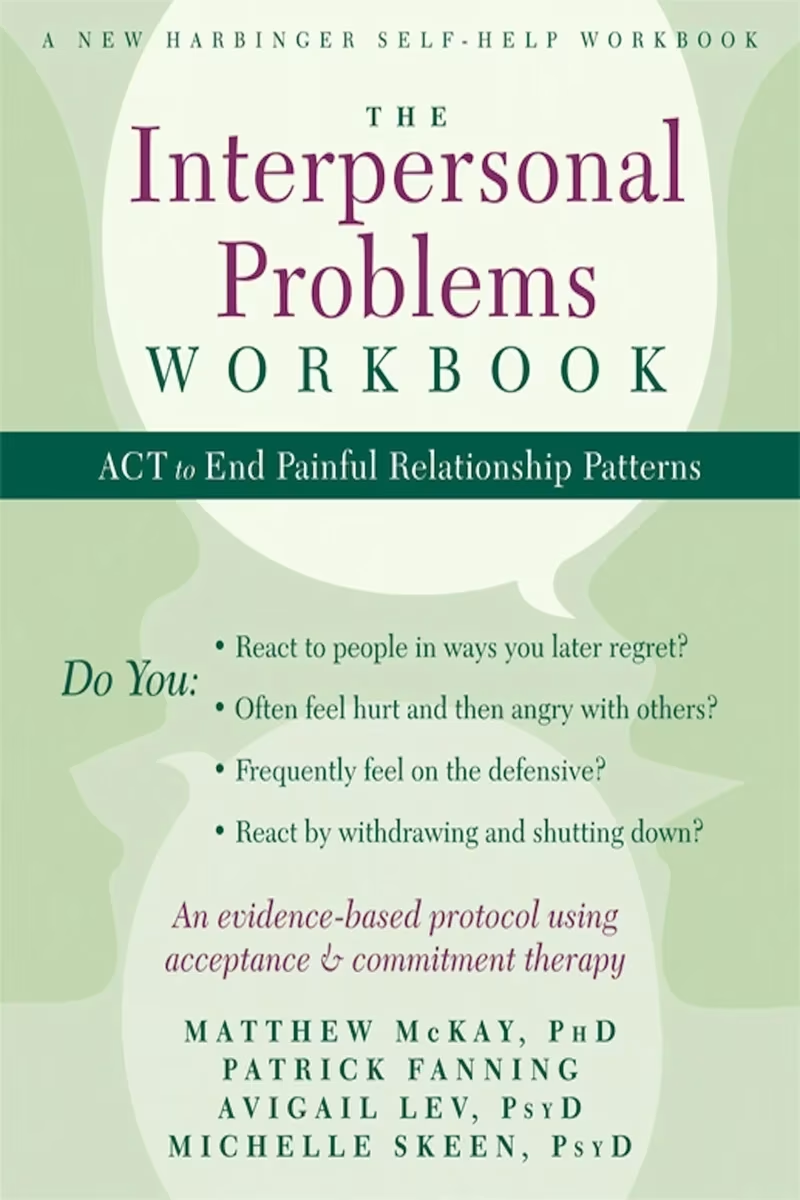
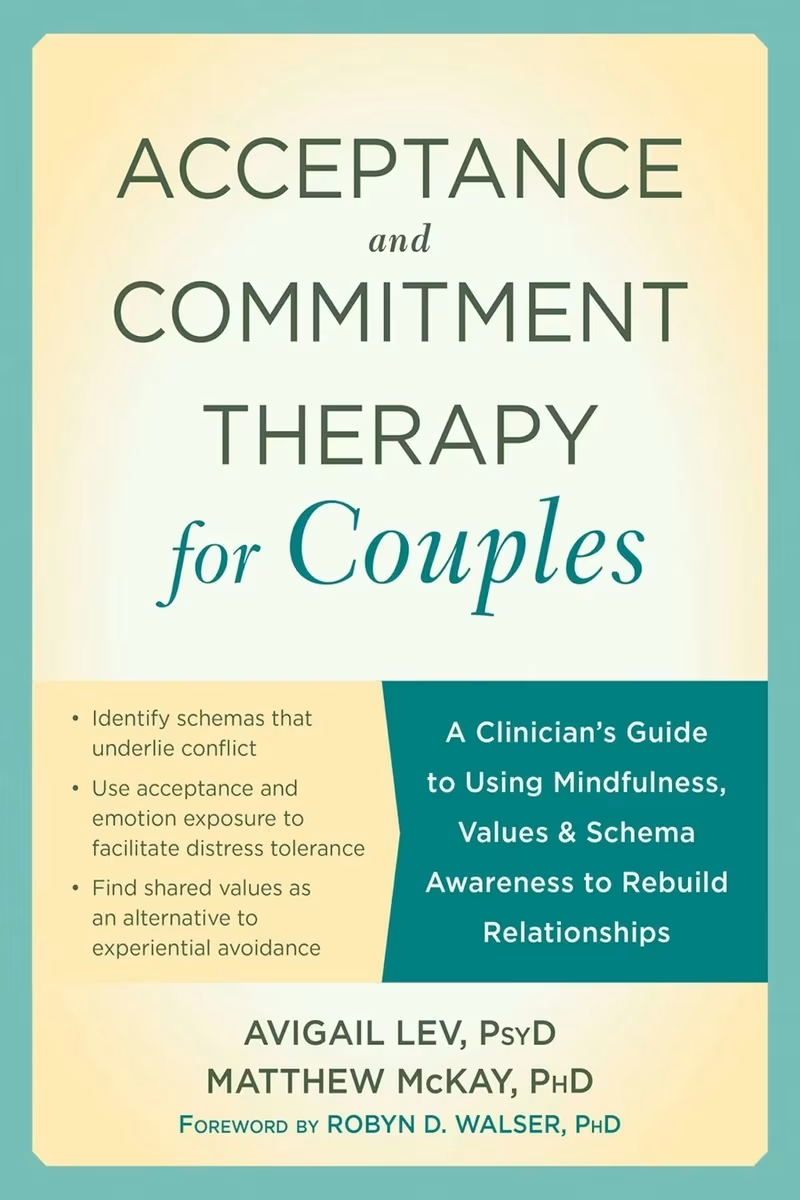
Our clinicians write and teach from the same evidence-based models used in session. These books are for patterns, relationships, and psychological flexibility. They support trauma work. They are not a substitute for PTSD treatment.
Explore the books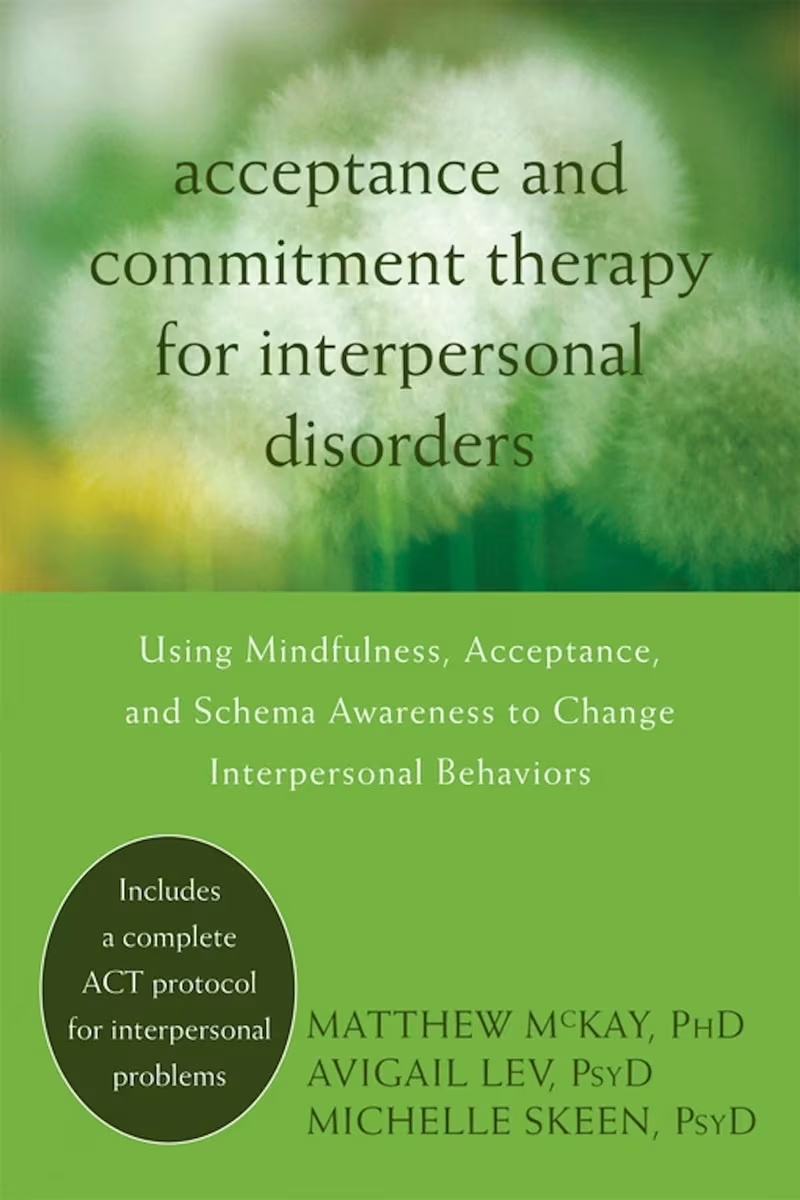
These are the questions that most often delay people from starting PTSD treatment. Honest answers, because the hardest part is usually reaching out.
No. Assessment and diagnosis can be part of your first sessions if you need them for documentation or insurance benefits, but they are not prerequisites. What matters most is whether past traumatic experiences are still affecting your daily life, relationships, work, or health. New patients are welcome to begin with a free consultation. You do not need a formal post traumatic stress disorder diagnosis to benefit from trauma treatment.
Trauma is defined by its impact, not by comparison. A single terrifying traumatic event can reshape someone's sense of safety. So can years of smaller experiences. Many clients minimize what they went through for years before recognizing how much it changed their thoughts, feelings, body, and beliefs about themselves and other people. Many people only recognize a trauma years later. The question is not whether it seems bad enough. The question is what it changed in you.
No. We start by building a supportive environment, understanding current PTSD symptoms, and learning basic emotional regulation and coping skills. For Prolonged Exposure and other trauma focused approaches, eventually going into detail is important, because that is where trauma processing changes the charge of the memory. That happens only once a foundation is in place. You never have to share more than you are ready to, and your therapist will explain the rationale for each step before taking it.
Prolonged Exposure is structured, therapist-guided exposure developed by Edna Foa. It helps your brain learn that memories and thoughts are not dangerous in themselves. Sessions include preparation, monitoring of distress, and processing afterward, not simply re-experiencing the traumatic event alone. Imaginal exposure revisits the memory in session. In vivo exposure means gradually returning to safe but avoided places. Repeated exposure is what reduces the memory's power. Dissociation is a normal part of trauma work. We track it and flex the exposure rather than stopping every time it appears. Over time the memory becomes something that happened, rather than something that is happening right now.
Bay Area CBT Center does not prescribe medication. We can collaborate with San Diego psychiatry providers or your primary care clinician when medication, such as an SSRI, is clinically useful alongside psychotherapy. Trauma-focused psychotherapy remains the central, evidence based component of PTSD treatment. Medication can support the process. It rarely resolves traumatic stress disorder on its own. If you are receiving ketamine treatment from a local medical provider, we can time trauma-focused psychotherapy around those sessions. Ketamine is not a cure by itself.
Yes. A 2025 review in the Journal of Traumatic Stress found that evidence-based treatments such as Prolonged Exposure, cognitive processing therapy, and trauma-focused CBT delivered by video show strong feasibility and effectiveness, comparable to in-person care. Online trauma therapy works for many people. Practical benefits in San Diego include skipping the 5 and the 805, more privacy, and easier scheduling for shift workers, parents, veterans, students, and healthcare workers. You will need a private space, stable internet, and headphones if you can. Your therapist can help with barriers. About 83 percent of patients plan to use telehealth for mental health services, and telehealth improves access for trauma survivors who might otherwise avoid care.
It is extremely common for PTSD to travel with anxiety, depression, OCD, substance use, chronic pain, and other mental illnesses. Our integrative approach is transdiagnostic. We treat the mental health conditions that show up with trauma rather than sending you to a separate provider for each one. When substance use is severe or needs medical detox, we collaborate with or refer to specialized programs in San Diego. Support groups can add coping skills alongside individual therapy.
Eye movement desensitization and reprocessing is one effective, evidence-based option. So are Prolonged Exposure and trauma-focused CBT. The 2023 VA/DoD guidelines list PE, cognitive processing therapy, and EMDR as equally first-line care for traumatic stress disorder. The most powerful treatment is the one you can stay with. This page focuses on our CBT- and exposure-based trauma work. If you want EMDR specifically, visit our EMDR treatment in San Diego page and we can talk through fit on a free consultation.
Contact us for current session rates and insurance information. If we are out of network with your plan, we provide superbills that many San Diego clients use for reimbursement through PPO insurance benefits. We can walk you through how to check coverage. Fees vary by clinician and format. A free matching consult is the place to ask about rates before you book.
San Diego has several levels of PTSD care, and not every level is the right fit. The VA San Diego Healthcare System provides services for eligible veterans. The San Diego Vet Center offers counseling for veterans, active-duty service members, and families. Intensive outpatient and partial hospitalization programs exist locally for severe PTSD symptoms. UC San Diego runs clinical trial research on trauma treatment, including work that combines acceptance-based therapy, peer support, and exercise. If you are in urgent danger, call 988. Bay Area CBT Center provides outpatient psychotherapy online. We are not a residential program, and we will tell you if another level of care fits better.
Structured protocols such as Prolonged Exposure or trauma-focused CBT often run about 8 to 16 sessions for a single traumatic event. Complex trauma or chronic PTSD may take 20 to 30 sessions or more, plus maintenance. Healing is not linear, and it is common to feel some increase in distress early. That usually gives way as trauma processing deepens. PTSD affects about 5 percent of U.S. adults, and about 13 million U.S. adults experienced PTSD in 2020, so the evidence base for effective treatment is broad. Recovery means a life guided by what matters to you, not the absence of every memory.
PTSD and trauma symptoms are treatable. You can build a life guided by your values instead of by fear, avoidance, and pain. Schedule a free consultation and we will match you with a San Diego trauma therapist who can meet you where you are. Bay Area CBT Center offers online therapy for PTSD across San Diego County and throughout California.
Connected care across California
Therapy in other locations
We also offer customized support groups and mental health retreat programs to help you go deeper, faster.