If you or someone you love has been prescribed a beta blocker, you probably have questions. These medications are among the most widely prescribed in cardiovascular medicine, yet their effects extend far beyond the heart. Whether you are managing high blood pressure, recovering from a heart attack, or dealing with performance anxiety, understanding how these drugs work, what they do well, and where therapy fills the gaps can help you take a more active role in your health.
Key Takeaways
- Beta blockers are medications that slow heart rate, lower blood pressure, and reduce the effects of stress hormones like adrenaline and noradrenaline on the cardiovascular system.
- Beta blockers are commonly prescribed after a heart attack, for coronary artery disease, certain types of heart failure, elevated blood pressure, and some arrhythmias, and are also used to treat conditions like migraine, essential tremor, thyroid disease, glaucoma, and performance anxiety.
- Key clinical effects include reduced heart rate and blood pressure, decreased risk of some cardiac events, but possible adverse effects such as fatigue, dizziness, sexual dysfunction, trouble sleeping, and mood shifts.
- Beta blockers can blunt physical symptoms of anxiety like a rapid heartbeat, shaking, and sweating, which makes them useful in situational anxiety, but they do not address underlying thoughts, beliefs, or trauma the way therapy does.
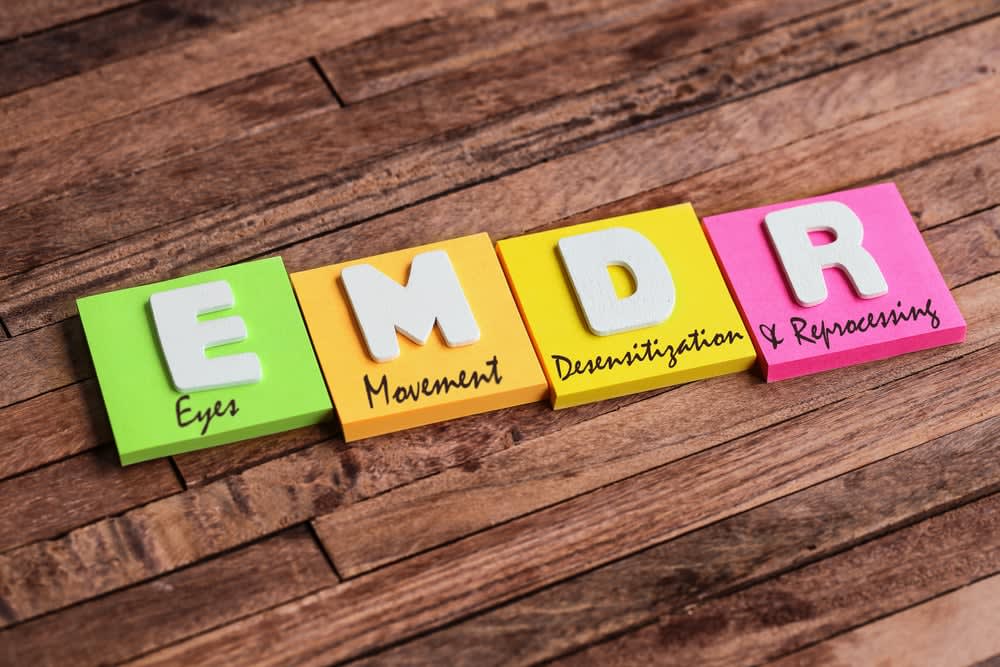
- At Bay Area CBT Center we do not prescribe beta blockers, but we frequently collaborate with cardiologists and psychiatrists and provide evidence-based therapies such as CBT, DBT, EMDR, and mindfulness that complement medical treatment for heart disease, anxiety disorders, and trauma.
What Are Beta Blockers?

Beta blockers, formally called beta adrenergic blocking agents, are medications that interfere with stress hormones binding to beta receptors in the heart, blood vessels, and other organs. By occupying those receptors, they prevent the hormone epinephrine and norepinephrine from speeding up the heart beat and tightening blood vessels.
Beta blockers block beta receptors in the heart and blood vessels. The result is that they reduce heart rate and lower blood pressure, making it easier for the heart to pump with less force. This single mechanism underpins a wide range of uses.
Common clinical reasons beta blockers are used include:
- To treat high blood pressure
- Coronary artery disease and chest pain (angina)
- Heart attack recovery
- Heart failure with reduced ejection fraction
- Abnormal heart rhythms such as atrial fibrillation
- Non-cardiac conditions like migraine, tremor, and glaucoma
Generic names typically end in "-olol" or "-lol" (metoprolol, propranolol, atenolol, bisoprolol). These medications are available as oral tablets, some IV formulations for hospital use, and even eye drops for glaucoma. While beta blockers are generally safe when prescribed appropriately, they must be started, adjusted, and stopped under medical supervision to avoid rebound blood pressure spikes or worsening heart disease.
How Do Beta Blockers Work? (Mechanism of Action)

Beta blockers work by blocking beta-1 and/or beta-2 adrenergic receptors, limiting the effects of adrenaline and noradrenaline released by the sympathetic nervous system during stress. Beta blockers inhibit the action of epinephrine and norepinephrine at receptor sites throughout the body.
Beta-1 receptors are primarily located in the heart and kidneys. Blocking β-1 receptors slows the heart rate and reduces the heart's workload. It also decreases cardiac output and renin-angiotensin system activity, which ultimately lowers blood pressure and reduces myocardial oxygen demand.
Beta-2 receptors reside in the lungs (bronchial smooth muscle) and blood vessels. Blocking them can constrict airways, which is why certain beta blockers can worsen symptoms in patients with asthma, and alter vascular tone, explaining some unwanted effects.
Clinical effects of beta blockers include:
- Negative chronotropic action (decreased heart rate)
- Decreased blood pressure
- Reduced arrhythmia risk
- Reduced chest pain from angina
- Decreased risk of some cardiac events in selected populations
The connection to anxiety is direct: by dampening the body's "fight-or-flight" response, including a racing heart and shaking, beta blockers can change how intense anxiety feels. The underlying worries or beliefs, however, remain, which is where therapy becomes essential.
Types and Generations of Beta Blockers
Beta blockers are often grouped into three generations based on which receptors they block and whether they have additional properties like vasodilation. Understanding these class differences helps explain why one agent may be chosen over other beta blockers.
First-generation (non-selective beta blockers) block both beta-1 and beta-2 receptors. First-generation beta blockers are nonselective antagonists of β1 and β2 receptors. Examples include propranolol and sotalol. Non-selective beta blockers can impact both heart and lung function, which is why they carry more respiratory risk.
Second-generation (cardioselective) agents primarily target beta receptors in the heart. Second-generation beta blockers show cardioselectivity for β1 receptors. Metoprolol is a commonly prescribed cardioselective beta-blocker, alongside atenolol and bisoprolol. Metoprolol (Lopressor, Toprol) is frequently chosen for coronary artery disease and heart failure because it mainly targets the heart. Cardioselective beta blockers primarily target receptors in the heart.
Third-generation β blockers combine beta-blocking with vasodilatory effects. Third-generation beta blockers include carvedilol and nebivolol. Carvedilol is a nonselective beta-blocker with heart benefits, adding alpha-1 receptor blockade. Nebivolol is selective beta-1 with nitric oxide–mediated vasodilation. Third generation beta blockers also act as vasodilators, further reducing peripheral vascular resistance and blood pressure.
| Generation | Selectivity | Examples | Vasodilation |
|---|---|---|---|
| First | Non selective (β1 + β2) | Propranolol, Sotalol | No |
| Second | Selective beta-1 | Metoprolol, Atenolol, Bisoprolol | No |
| Third | Variable + vasodilatory | Carvedilol, Nebivolol | Yes |
These two groups (selective vs. non selective) and three generations matter clinically because they determine which patients can safely use each agent.
Pharmacokinetics, Dosing, and How Beta Blockers Are Taken
Different beta blockers vary in how quickly they work, how long they last (half life), how they are metabolized (liver vs. kidneys), and whether they cross the blood-brain barrier. Lipophilic agents like propranolol penetrate the brain more readily, which can affect sleep and mood. Hydrophilic agents like atenolol tend to cause fewer central nervous system effects.
A commonly prescribed beta blocker like metoprolol succinate, bisoprolol, or nebivolol is often taken once daily, and the usual dose is titrated upward gradually. Propranolol may be taken multiple times per day or used "as needed" for performance anxiety, always under medical guidance.
Intravenous formulations (metoprolol IV, esmolol with its very short half life) are reserved for hospital settings such as acute arrhythmias, ST segment elevation myocardial infarction, or severe hypertension.
Patients should not suddenly stop taking beta blockers. Abrupt withdrawal can cause rebound high blood pressure, chest pain, rapid heartbeat, or even a heart attack in high-risk individuals. Always follow your cardiologist's or primary care doctor's instructions, and keep a written medication list to share with all providers, including mental health clinicians.
Cardiovascular Indications: When Beta Blockers Are Used for the Heart

Beta blockers are a cornerstone in managing several forms of cardiovascular disease, but their role differs depending on the specific condition and current guidelines. FDA approval exists for multiple cardiac indications.
- Coronary artery disease and myocardial infarction: Beta blockers are first-line therapy for managing angina symptoms because they reduce the heart's oxygen demand. Beta blockers are commonly prescribed after a heart attack to protect heart muscle. In patients with cardiac dysfunction and reduced ejection fraction post-MI, beta blockers reduce mortality by roughly 20–30% in landmark trials.
- Preserved ejection fraction: Recent evidence has shifted practice. The REDUCE-AMI trial (2024) showed that among heart attack survivors with preserved ejection fraction (50% or higher), long-term beta blocker therapy did not significantly reduce death or recurrent MI (HR 0.96; 95% CI 0.79–1.16). Cardiologists increasingly individualize decisions about continuing beta blockers beyond the first year in this population, reflecting improved clinical applicability of modern therapies.
- Heart failure: Beta blockers slow the heart rate, counter harmful neurohormonal activation, and improve survival when used to treat heart failure with reduced ejection fraction alongside other medicines. The inotropic effects lead to a gradual improvement in ejection fraction over months. This remains a strong indication based on cardiovasc drugs literature and eur heart journal data.
- Arrhythmias: In atrial fibrillation or supraventricular tachycardia, beta blockers slow the heart rate, reduce palpitations, and help prevent heart rhythm problems.
Treatment of heart disease is highly individualized. Any decision to start, adjust, or stop a beta blocker should be made with a cardiologist, not based solely on online information. Beta blockers may not be suitable for patients with certain heart conditions such as advanced heart block or decompensated failure.
Other Medical Uses of Beta Blockers Beyond the Heart

While most associated with heart disease and blood pressure control, beta blockers are used for several non-cardiac conditions because beta receptors exist throughout the body.
Common non-cardiac indications include:
- Essential tremor: beta blockers can decrease hand tremors significantly
- Hyperthyroidism: used temporarily to control fast heart rate and tremor while thyroid treatments take effect
- Migraine prevention: beta blockers can prevent migraine attacks (propranolol is first-line for prophylaxis)
- Portal hypertension: reducing bleeding risk from varices in cirrhosis
- Glaucoma: topical beta blockers used in treating glaucoma to lower eye pressure
- Aortic dissection: controlling heart rate and blood flow to reduce aortic wall stress
Propranolol is a commonly prescribed beta blocker for essential tremor, migraine prophylaxis, and physical symptoms of anxiety due to its non selective beta blockade and ability to cross the blood-brain barrier. Even when used for non-cardiac reasons, the same safety considerations apply: monitoring blood pressure, heart rate, respiratory status in asthmatics, and potential drug interactions.
Beta Blockers, Anxiety, and Mental Health

Beta blockers are not antidepressants or traditional anti-anxiety medications, but they are sometimes used to treat physical symptoms of anxiety. They are prescribed for anxiety to reduce physical symptoms like a pounding heart, sweating, and trembling.
Beta blockers slow the "fight-or-flight" physical response by blocking beta receptors, which can be especially helpful for performance anxiety (public speaking, exams, stage performance) and situational anxiety (flying, interviews). If you struggle with anxiety shaking, a short-acting beta blocker may reduce the intensity of those physical sensations.
Some people with panic disorder or PTSD may be prescribed beta blockers in very specific circumstances to target intense physical arousal. However, a 2024 systematic review found no statistically significant reduction in anxiety symptoms from beta blockers compared to placebo for generalized or social anxiety disorders. This is usually combined with psychotherapy such as CBT, DBT, EMDR, or trauma-focused therapy to address underlying patterns and triggers.
While beta blockers can reduce the intensity of anxiety symptoms, they do not change anxious thoughts, core beliefs, or past trauma. They block signs of arousal, not their cognitive roots. This is where therapy plays a central role in lasting change.
If you are taking a beta blocker for heart disease and notice mood changes, depression, or increased fatigue, talk to both your prescriber and your therapist. Collaborative care between cardiology, primary care, and mental health providers leads to better outcomes.
Clinical Effects, Benefits, and Adverse Effects

Benefits of beta blockers include:
- Lowered blood pressure and improved heart rate control
- A modest decrease in frequency of some arrhythmias
- Decreased angina and reduced cardiac workload
- In heart failure patients with reduced ejection fraction, better long-term survival
Common side effects of beta blockers:
- Fatigue and reduced exercise tolerance
- Dizziness and lightheadedness
- Cold hands and feet
- Sexual dysfunction, including erectile dysfunction
- Possible weight gain
- Trouble sleeping, vivid dreams, or insomnia (especially with lipophilic agents like propranolol)
Respiratory cautions: Non-selective beta blockers can trigger severe asthma attacks. Beta blockers are not recommended for asthma patients unless carefully supervised with cardioselective agents. Even selective beta agents must be used carefully in COPD.
Metabolic effects: Beta blockers may mask low blood sugar symptoms in diabetics, making it essential to monitor blood sugar regularly. They can cause a slight rise in triglycerides levels and beta blockers can cause a modest decrease in HDL cholesterol. Beta blockers can increase triglyceride levels temporarily. Beta blockers may block signs of low blood sugar in diabetics.
Less common side effects include depressive symptoms, low energy, emotional blunting, or allergic reactions. The inhibitory effects on the sympathetic nervous system can feel like a life threatening dampening of energy for some. Potential side effects of beta blockers include fatigue and dizziness. Beta blockers can cause sexual dysfunction and erectile dysfunction. If you notice mood shifts after starting or changing a new medicine, seek support from a therapist.
Drug Interactions, Contraindications, and Safety Precautions
Drug interactions can significantly change how beta blockers work or increase adverse effects. A complete medication list, including supplements and other medicines, should always be shared with every provider.
Key interaction categories:
- Blood pressure medications: combining can cause dangerously low blood pressure or severe bradycardia
- Calcium channel blockers (verapamil, diltiazem): additive effects on heart conduction, risking heart block
- Antidepressants: certain SSRIs or SNRIs may alter CYP2D6 metabolism of metoprolol or carvedilol
- Diabetes medications: beta blockers can mask low blood sugar symptoms in people using insulin or sulfonylureas
Major contraindications:
- Severe asthma or bronchospastic disease (especially for non selective beta blockers)
- Symptomatic bradycardia or very low blood pressure
- Advanced heart blocks without a pacemaker
- Long QT syndrome (particularly with sotalol, which can be life threatening)
Sudden discontinuation is dangerous, especially for people with coronary artery disease or prior myocardial infarction. Dose reductions must be gradual and supervised. If you are pregnant, planning pregnancy, or breastfeeding, speak with your cardiologist or obstetrician about which beta blocker, if any, is safest.
Living with Heart Disease and Anxiety: How Therapy Complements Beta Blockers

Receiving a diagnosis of heart disease, high blood pressure, or surviving a heart attack can be emotionally overwhelming. It may trigger or worsen anxiety, depression, grief, and health-related worries that no pill alone can resolve.
Cognitive behavioral therapy can help patients identify catastrophic thoughts about heart symptoms, such as "every palpitation means I'm dying," and gradually replace them with more balanced, medically informed perspectives. Somatic and mindfulness-based therapies teach body-awareness skills: learning to distinguish between dangerous cardiac symptoms and benign sensations, using paced breathing, relaxation, and grounding to manage panic without overusing the ER.
For clients with trauma related to medical crises (ICU stays, cardiac arrest, sudden heart attack), therapies such as EMDR and trauma-focused CBT can help process the experience and reduce hypervigilance and re-experiencing symptoms.
Bay Area CBT Center offers online and in-person sessions throughout California, including individual therapy, couples therapy for partners coping with chronic illness, executive coaching for high-stress professionals, and retreats or groups focused on anxiety, depression, and life transitions.
When to Talk to a Doctor, Psychiatrist, or Therapist
Talk to your cardiologist or primary care physician if you experience new chest pain, difficulty breathing, fainting, very slow pulse, or sudden swelling while taking beta blockers. These can represent medical emergencies or medication intolerance.
Speak with a psychiatrist if you suspect beta blockers are contributing to depression, severe fatigue, nightmares, or emotional numbing, especially if symptoms started soon after a dose change.
Reach out to a therapist at Bay Area CBT Center if you are struggling with panic attacks, health anxiety, fear of exertion after a heart event, or relationship stress related to chronic illness or new cardiac limitations.
Bay Area CBT Center does not replace cardiology or emergency care but can be part of an integrated care team. We encourage clients to authorize information-sharing between their medical and mental health providers to coordinate treatment. If you are a California resident, contact us for a consultation to explore how evidence-based therapy can support you alongside beta blocker therapy and your broader medical plan.
FAQ
Beta blockers primarily manage symptoms and reduce strain on the heart by lowering heart rate and blood pressure. They do not reverse plaque or "clean out" coronary arteries. Addressing underlying causes of heart disease requires lifestyle changes (nutrition, exercise, smoking cessation), cholesterol-lowering medications, and sometimes procedures like stents or bypass surgery. Therapy can support behavior change by addressing motivation, emotional eating, perfectionism, and self-criticism.
Beta blockers are not addictive the way benzodiazepines or opioids can be, and they do not produce a "high." However, the body does adapt physiologically, which is why stopping suddenly can cause rebound effects like rapid heart rate and elevated blood pressure. If you feel psychologically dependent on taking a beta blocker before any stressor, CBT can help build alternative coping tools so medication is one resource among many.
Some people are prescribed short-acting agents like propranolol to take before predictable anxiety-provoking events such as presentations or auditions. This should always be done after medical screening for heart and lung issues. "As needed" use is different from daily use for blood pressure or heart disease. Bay Area CBT Center can help pair any as-needed medication with evidence-based strategies like exposure and cognitive restructuring.
Research is mixed. Many people never experience mood changes, but a subset report increased fatigue, low mood, or emotional blunting, especially with lipophilic, non selective agents that cross into the brain. Monitor your mood after starting or increasing a beta blocker and tell your prescriber and therapist if you notice persistent sadness or hopelessness. Options may include switching agents, adjusting the dose, or adding therapeutic support.
Most people with stable heart disease or high blood pressure are encouraged to exercise while on beta blockers, but they may notice a lower maximum heart rate and reduced ability to gauge effort by pulse alone. Use perceived exertion scales and guidance from a cardiologist or cardiac rehab team instead of heart rate targets. Therapy can also help address fear of exertion after a heart event, using gradual exposure to rebuild trust in the body while staying within medical recommendations.