Training groups · Encounter groups · Here & now

T-Group:
interpersonal mindfulness

A facilitated practice of relating in the here-and-now.

Build community, deepen self-awareness, and learn to connect with more honesty and ease — in person in San Francisco or online across California.

T for trainingTraining group lineage

Encounter rootsAuthentic contact in community

Here & nowPresence over performance

SF & onlineIntimate circles · wider community

What is a T-Group?

T-Group means training group — and it changed how people learn to relate

Before apps and endless scroll, there was a living laboratory for human connection. T-Group is that laboratory — still.

Training group

T-Group stands for training group. It grew out of Kurt Lewin’s work in the mid-20th century: people learning about themselves and groups by studying what happens between them in real time — not only by reading about relationships afterward.

Encounter groups

T-Groups sit in the same family as encounter groups — spaces built for honest contact, feedback, and presence. The spirit is simple and rare: meet each other as you are, notice what arises, and stay with it together.

A cultural movement

Training groups and encounter groups became a major force in psychology, education, and organizational life — a movement that treated relating as something you can practice, not only endure. That lineage still shapes how we understand group dynamics and interpersonal growth today.

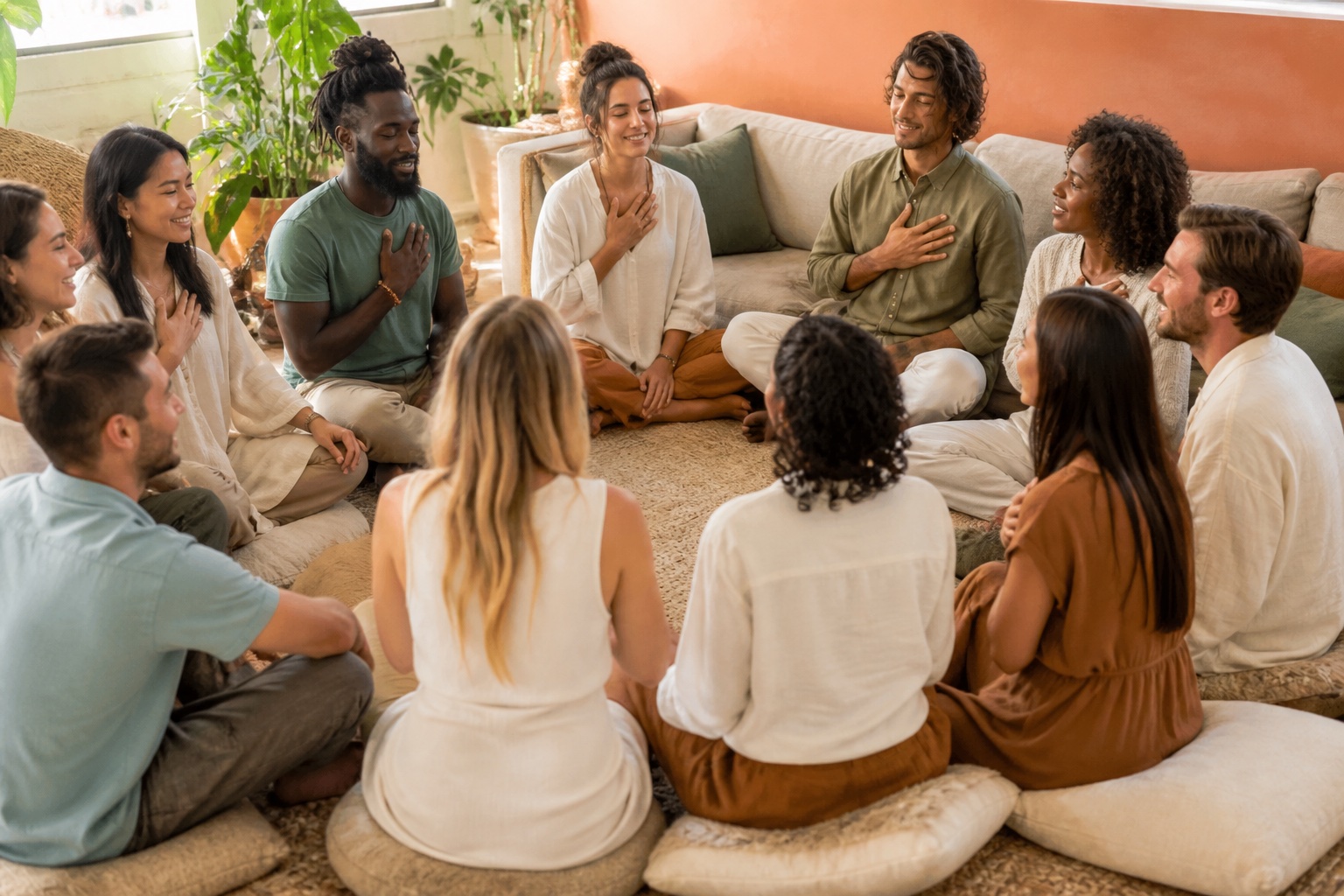
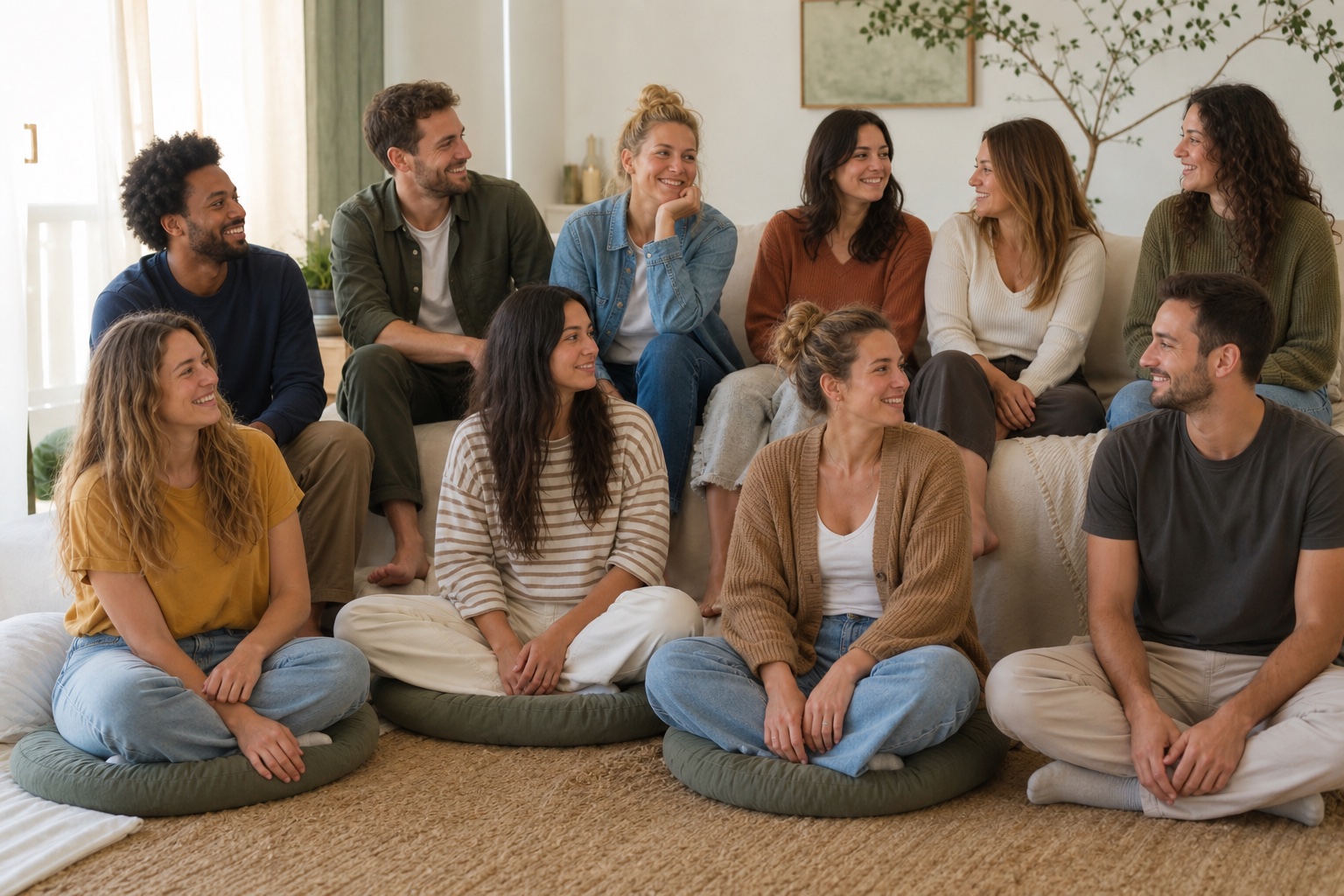
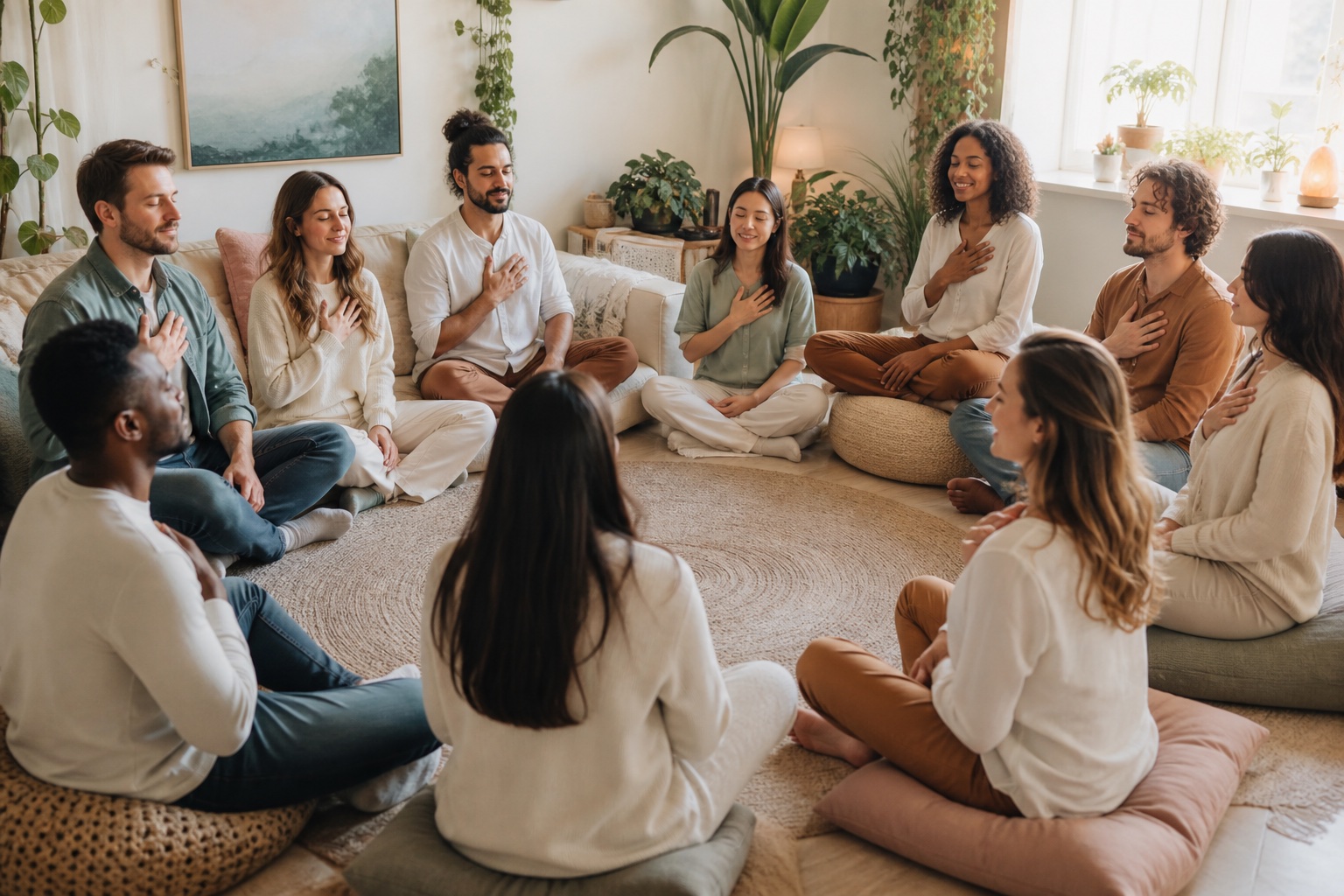
Adults in their 30s in a facilitated T-Group circle

Interpersonal mindfulness

Mindfulness with other people — not only alone on a cushion

Most mindfulness is solitary. T-Group is interpersonal mindfulness: awareness practiced inside relationship. You notice your body, feelings, and impulses while you are actually with others — and you get to see how those moments land in the room.

In a supportive circle at Bay Area CBT Center, you explore the patterns that guide your relationships and try new ways of being seen, heard, and connected — with a facilitator who keeps the field present and kind.

Why this still matters

From Lewin to the encounter era — into how we meet each other now

Kurt Lewin’s training groups treated the group itself as the curriculum. Participants studied status, belonging, leadership, feedback, and conflict as they unfolded — a radical idea that helped launch modern group dynamics.

Later, encounter groups carried that hunger for authentic contact into a wider cultural wave: people gathering to practice honesty, presence, and mutual recognition. The formats evolved. The need did not.

Today’s T-Group at Bay Area CBT Center keeps that living tradition close — integrating mindfulness-based therapy tools and a here-and-now focus so insight becomes something you can feel in your body and relationships, not only understand intellectually.

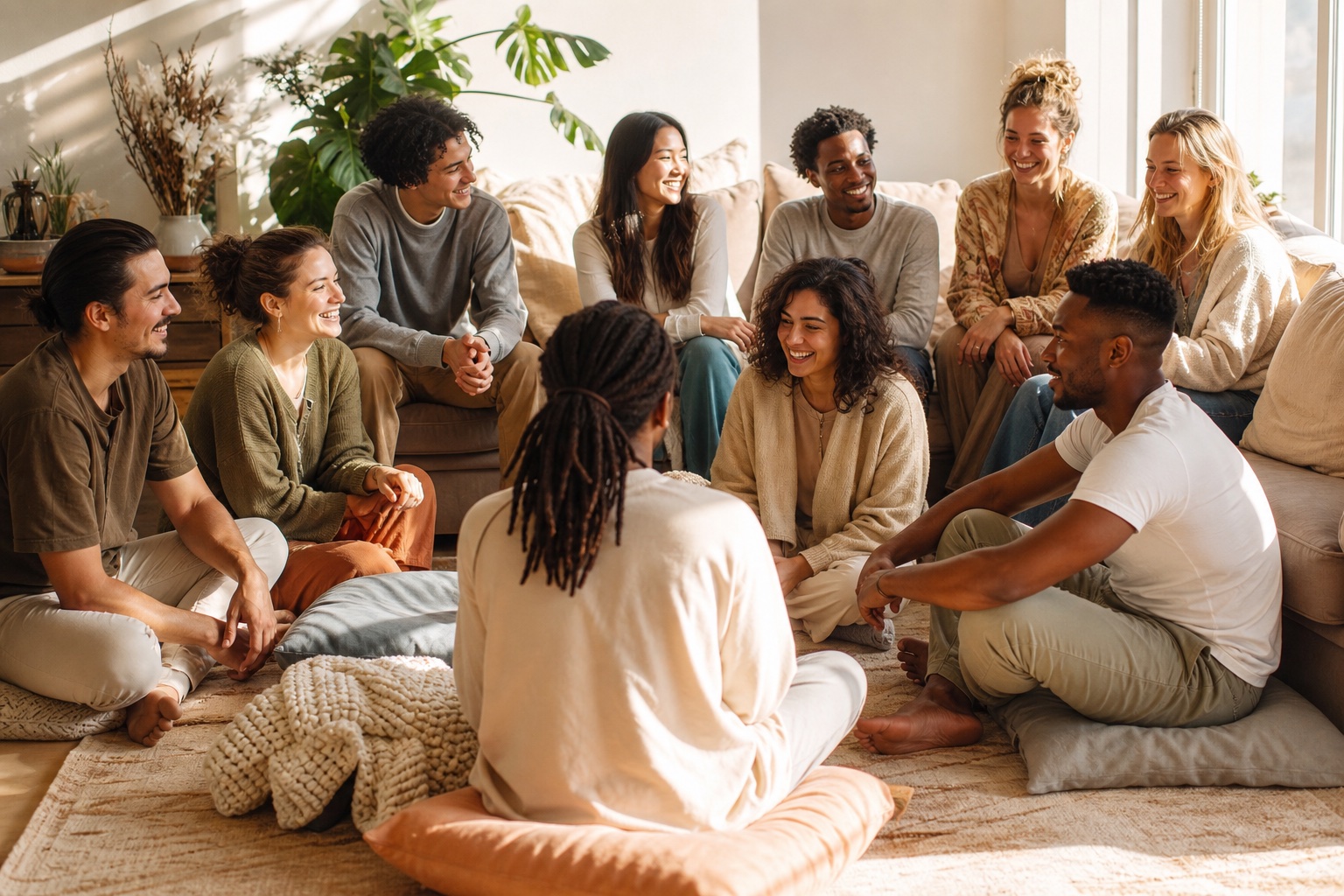
Group members sharing with openness in T-Group

What happens in the circle

You learn relating the way you learn anything real — by doing it

T-Groups offer a journey of self-discovery that can change how you show up in every relationship. You develop a clearer sense of yourself and others, learn to communicate more authentically, and practice navigating status, power, belonging, and care with more skill.

You notice habitual patterns of relating and gently experiment with alternatives — a laboratory for growth, and a community where belonging and honesty can grow side by side.

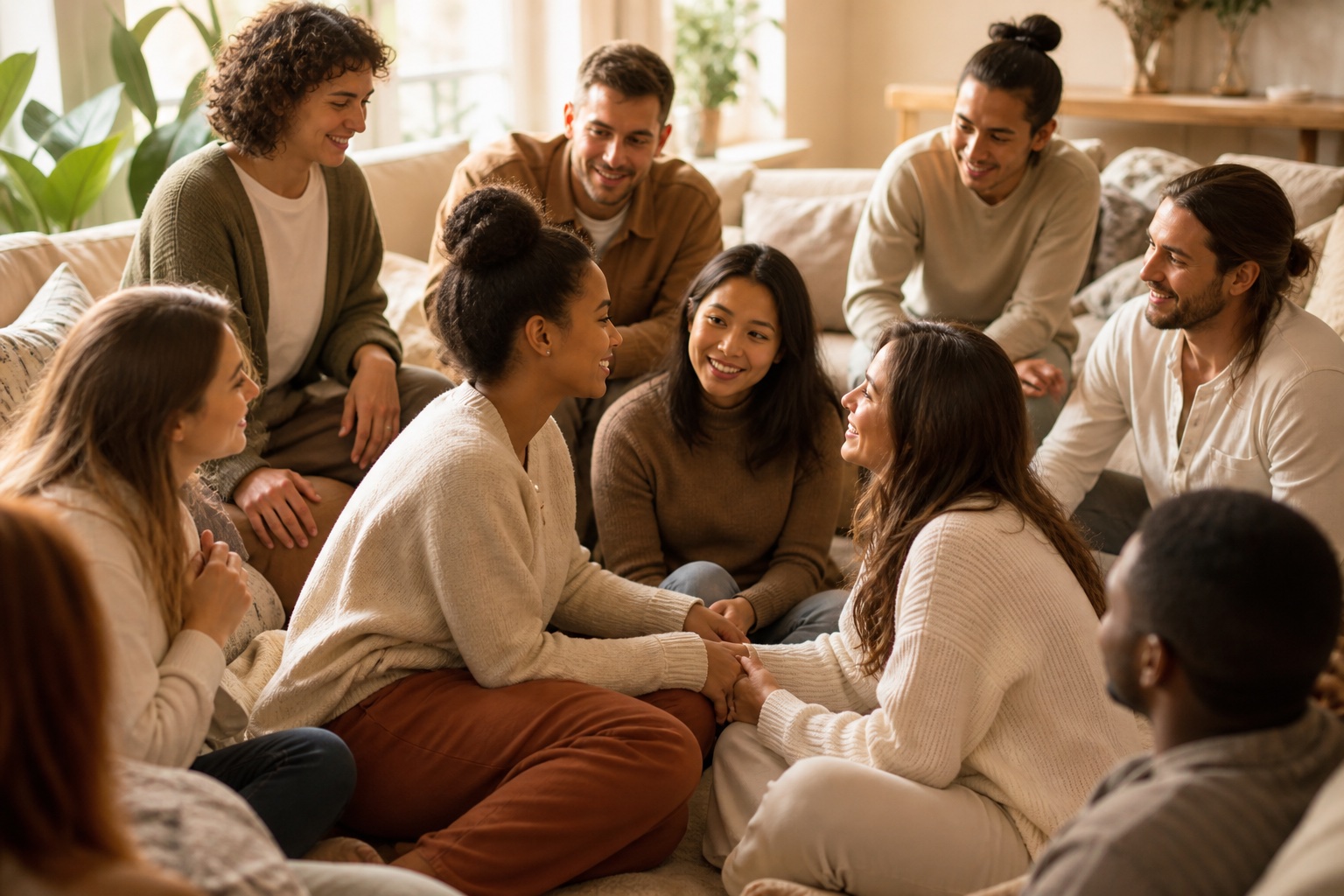
Two people practicing attentive interpersonal listening
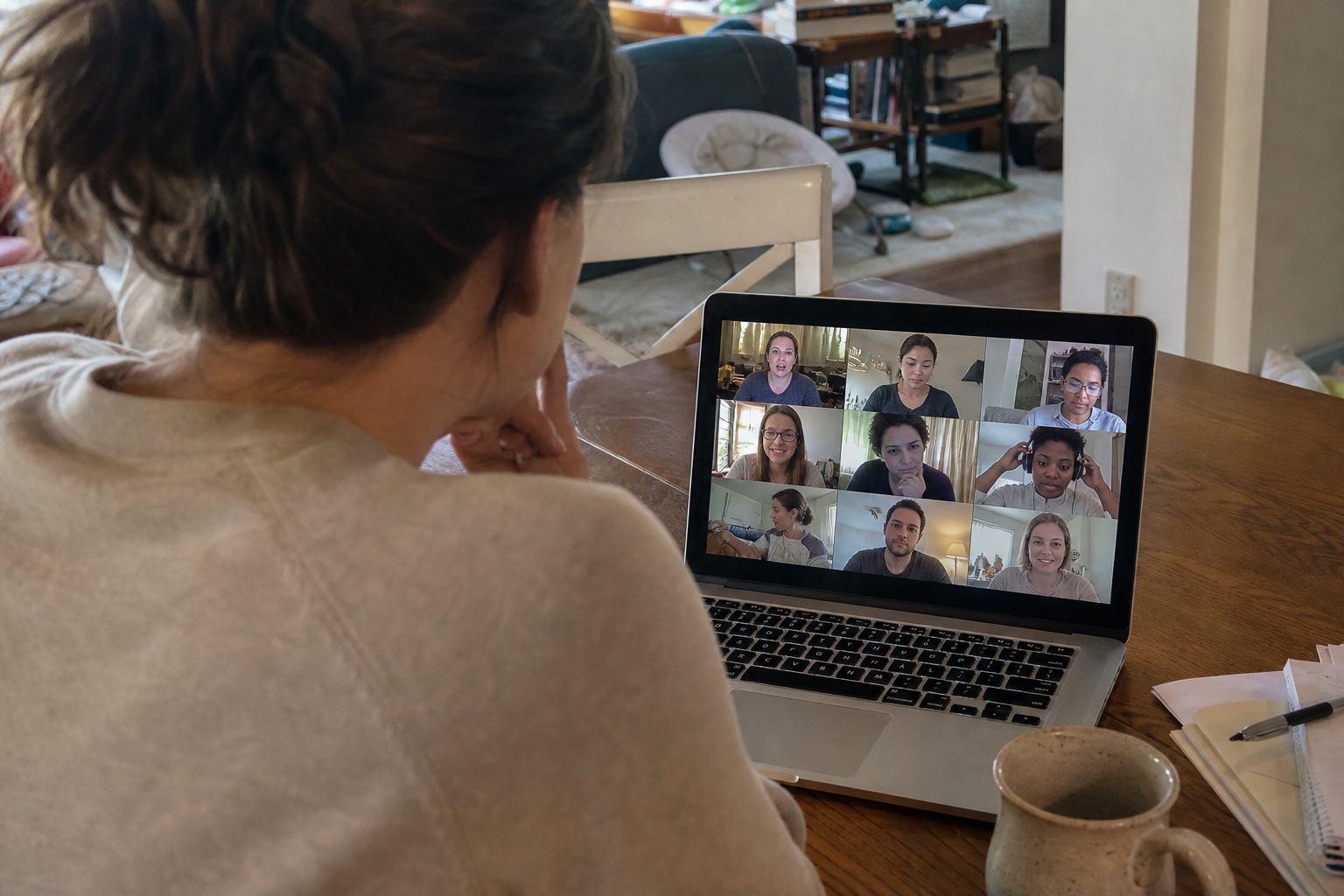
Joining an online T-Group from home

Our approach

Depth, structure, and warmth in one room

Our format draws on approaches used at the Stanford Graduate School of Business and integrates tools from mindfulness-based therapies. Participants learn to understand group dynamics, stay self-aware, and work skillfully with emotion as it arises.

We cultivate authentic encounters inspired by Martin Buber’s I-Thou relationship — presence, transparency, and mutual recognition — so a deeper connection (“the between”) can emerge in the room or on screen.

What you will learn

Core skills developed in T-Group

Skills you can carry into friendships, partnerships, work, and community — whether you join a small intimate circle or a larger online group.

01

Gain valuable insights

Receive real-time feedback on how you impact others and see yourself more clearly — with transparency, authenticity, and vulnerability.

02

Build communication skills

Practice "I statements" to express thoughts and feelings without blame. Own your emotions and perceptions with clarity.

03

Mindfulness in a group

Observe yourself in relation to the collective. Notice how thoughts, emotions, and behaviors interact and affect others.

04

Here-and-now focus

Stay present during interactions. Discuss what is happening in the room — feelings, dynamics, and responses as they unfold.

05

Label feelings & sensations

Name your internal experience — feelings, sensations, and urges — so emotional intelligence and empathy can grow.

06

Label stories and needs

Explore the narratives you build around experience and the needs underneath — for deeper self-understanding.

In person & online

San Francisco circles & online community

Join us in person in San Francisco for a grounded, intimate circle — or online for the same interpersonal mindfulness practice from home. Both formats prioritize safety, confidentiality, and a facilitator who keeps the group present and kind.

Smaller intimate circles

Closeness and depth when you want a more contained, personal practice of relating.

Larger online groups

A wider community of practice — still guided, still here-and-now, still focused on how we meet one another.

Personal growth

Experiment with new ways of being

A journey of self-discovery, interpersonal growth, and belonging — a place to practice being human together.

Enhance awareness

Explore schemas — core beliefs that shape relationships — by observing how you show up in the group.

Recognize triggers

Become attuned to moments that spark strong emotion, and practice responding with more choice.

Align with your values

Reflect on whether your relating matches who you want to be — then practice closing the gap.

Practice new behaviors

Use the circle as a safe lab to try new ways of expressing yourself and connecting with others.

Quiet moment of self-awareness after T-Group practice

What people often find

Foster authentic connections

Deepen self-awareness and build authentic connection in a living community where you can challenge limiting beliefs and practice new ways of relating.

  • Emotional nourishment through deeper connection and belonging
  • Support for social anxiety, awkwardness, loneliness, and isolation
  • More skillful ways to navigate differences and conflict
  • Feedback on how others experience and respond to you
  • Learning to give feedback that can actually be heard
  • Insight into group dynamics and human systems
  • Confidence to form new connections through authenticity
  • Unraveling patterns of insecurity, shame, and self-aggression

Experiential learning

How T-Group therapy works

You observe your own behavior and others' in a facilitated group — living practice that offers insight into communication, social interaction, and true community.

01

Present-moment sharing

Express feelings and sensations in the here-and-now. The focus stays on immediate experience — not free-floating thoughts.

02

Distance from stories

Brief stories are welcome, then we return to present feelings and sensations so insight stays embodied.

03

Explore relational dynamics

Name underlying needs and desires. Deepen self-awareness inside the living group dynamic.

Our publications

Books that shape how we relate

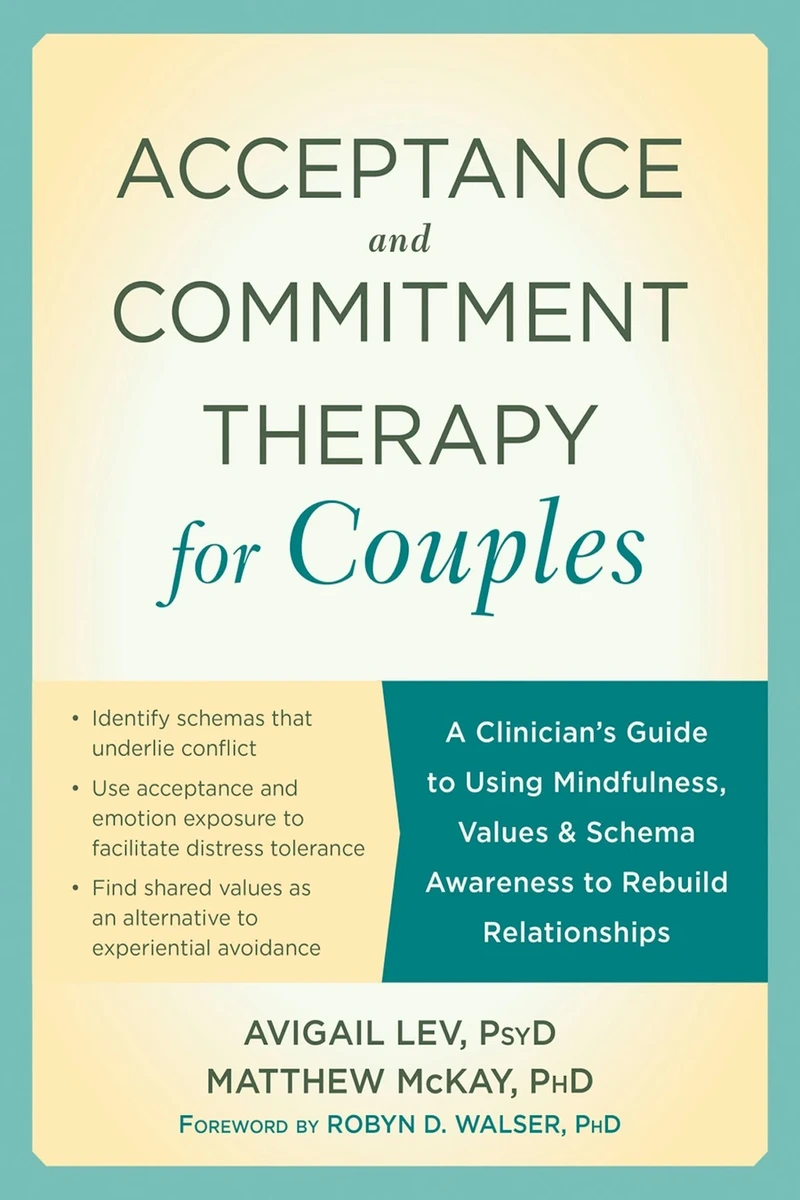
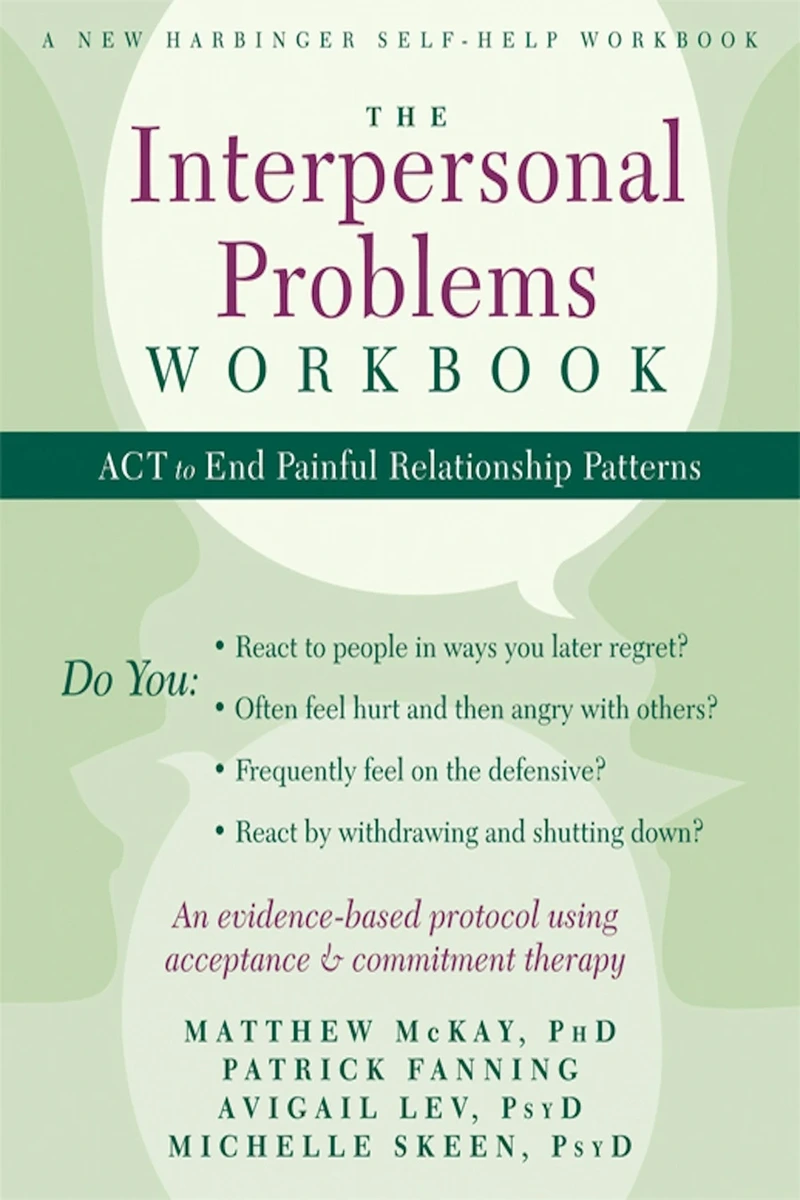
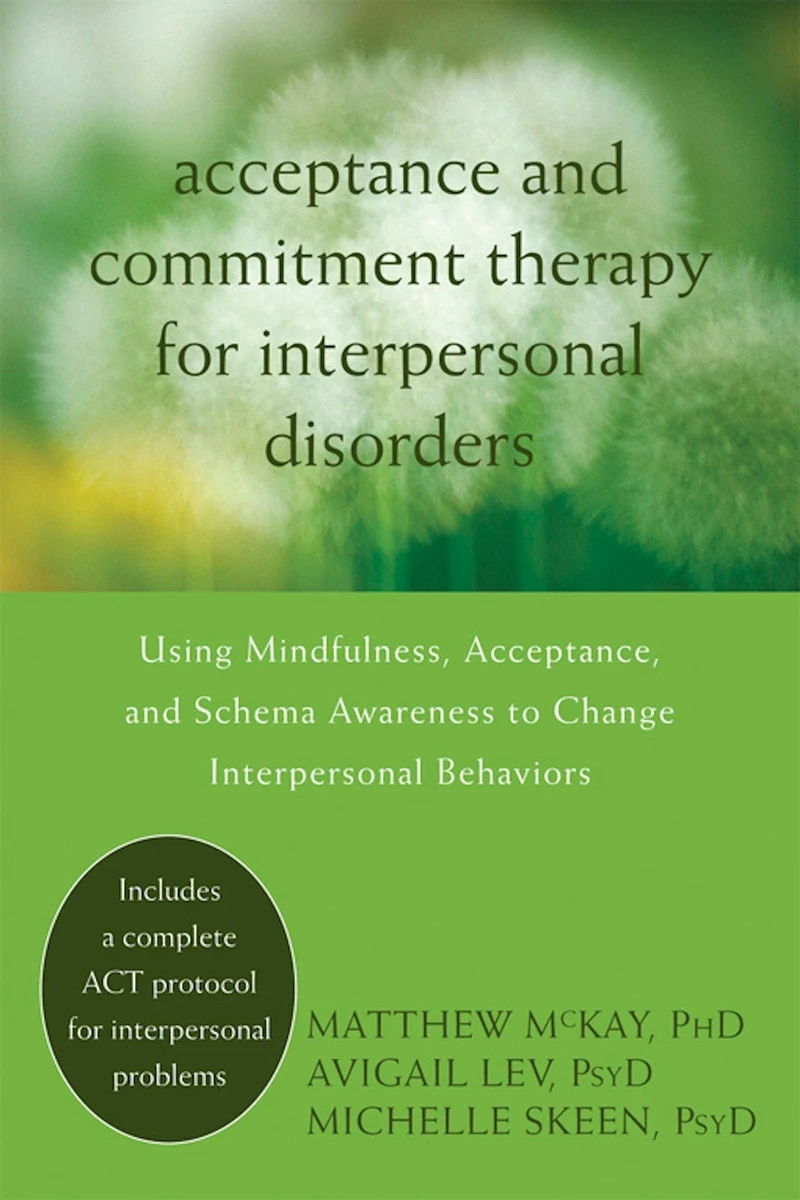
Acceptance and Commitment Therapy in the Bay Area — you could say we wrote the books on it.

Join a T-Group in San Francisco or online

Whether you prefer a small in-person circle or a larger online community of practice, T-Group offers interpersonal mindfulness, authentic feedback, and the feeling of belonging.